Uzbekistan Accelerates Asakabank Privatization Amid Structural Reforms in Banking Sector
The government expedites Asakabank’s privatization with asset transfers and capital injections to enhance financial stability and market efficiency.
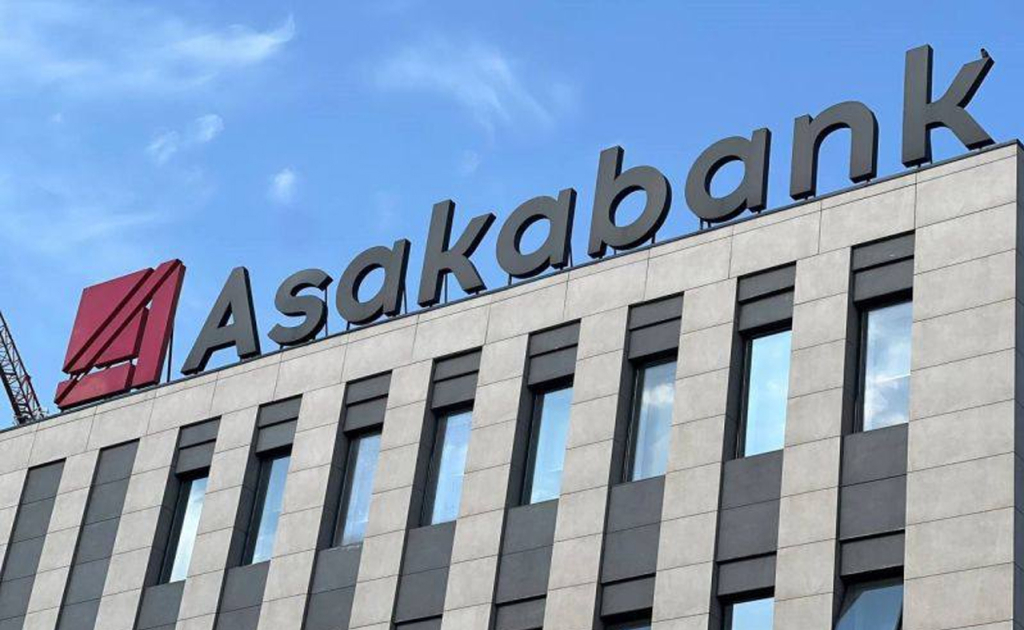
Uzbekistan has announced a series of measures to accelerate the privatization of Asakabank, one of the country’s largest state-owned financial institutions. A presidential decree (PQ-149, dated April 20, 2026) outlines a comprehensive restructuring plan aimed at aligning the bank’s operations with market principles and reducing state involvement in banking.
Strategic Asset Transfers and Operational Streamlining
Central to the restructuring is the cessation of any non-core and ancillary activities unrelated to Asakabank’s primary banking business. As part of this, the bank’s ownership of the former Tashkent Agricultural Machinery Plant (formerly a joint-stock company) will be transferred to the State Asset Management Agency. This transfer is designed to separate industrial assets from banking functions and improve financial transparency.
"All banking operations will adhere strictly to market principles, modern banking practices, and risk management frameworks," the decree states.
In addition to this, a portfolio of investment projects valued at approximately 382.6 billion Uzbek soms—including stakes in companies such as Green Energy, Uz CLAAS Agro, and Khorezm Invest Project—will also be transferred to the agency with the condition of future privatization. The goal is to disentangle non-banking assets from the bank to facilitate a cleaner privatization process.
Moreover, pharmaceutical startups valued at around 780 billion soms, previously planned to be financed by Asakabank through entities like Asaka Farm Ventures and Asaka Farm Invest, will be transferred to the National Venture Fund, backed by the state budget. This move reflects a broader strategy to channel innovative projects through specialized venture investment vehicles rather than traditional banking infrastructure.
Capital Infusion and Financial Stabilization
To ensure the bank’s financial health during this transition, the government has allocated a capital injection of $95 million for 2026. This infusion aims to support Asakabank’s recapitalization and absorb potential losses from non-performing loans, which will also be covered by state resources. Additionally, dividend payments for 2024–2025 are suspended, allowing all net profits to be reinvested into the bank to strengthen its capital base.
The decree also details adjustments to the bank’s share capital, aligning the nominal value of shares with their market value based on asset quality analysis. Notably, nearly 1.98 trillion soms of state claims on the bank will be converted into paid-in capital, effectively transforming government debt into equity. This mechanism is intended to bolster the bank’s balance sheet prior to privatization.
Context Within Uzbekistan’s Broader Banking Sector Reforms
Asakabank’s privatization timeline has shifted multiple times, reflecting broader challenges in reforming Uzbekistan’s state banking sector. Previously, the government planned to sell its entire stake in O‘zsanoatqurilishbank (Industrial Construction Bank) by the end of 2023 and reduce state shares in other banks by 50% by late 2024. However, these goals faced delays and adjustments.
In December 2024, the president extended privatization deadlines for several state banks, including Asakabank, O‘zsanoatqurilishbank, and Aloqabank, to 2025. The 2026–2028 fiscal strategy further postponed the privatization of Asakabank and others, with Asakabank’s privatization rescheduled from the end of 2023 to the end of 2025.
In a key development, Uzbekistan signed an agreement with the European Bank for Reconstruction and Development (EBRD) in May 2024 to support Asakabank’s privatization. Subsequently, EBRD acquired a 15% stake in the bank as part of preparatory steps, with plans to join the state shareholders in 2026. This partnership highlights increasing international engagement in Uzbekistan’s banking reform process.
Despite these efforts, the government has decided not to privatize certain state banks, including the National Bank, Agrobank, Khalq Bank, Microcredit Bank, and Business Development Bank, at least until 2030. One of these banks is expected to be privatized by 2030, though specifics remain undisclosed.
Economic and Structural Implications
The acceleration of Asakabank’s privatization is emblematic of Uzbekistan’s cautious approach to financial sector reform. By transferring non-core assets and improving capital adequacy through state support and debt-equity swaps, the government aims to create a more market-oriented and resilient banking institution.
This approach is intended to reduce fiscal risks by limiting state exposure to problem loans and non-banking activities while attracting private and international capital. The involvement of EBRD suggests a strategy to bolster governance standards and operational transparency, vital for long-term financial sector development.
However, the delays in full privatization and continued state involvement in major banks indicate structural challenges, including market readiness and the need for robust regulatory oversight. The phased approach allows the government to manage potential destabilizing effects on credit markets and investor confidence.
Overall, Asakabank’s privatization is a critical step in Uzbekistan’s broader economic strategy to liberalize its banking sector, improve financial stability, and stimulate private sector growth in the context of ongoing structural reforms.