Uzbekistan Launches Subsidy Program for Construction of Modern Swimming Pools
Government offers up to 50% cost coverage, boosting tourism and sports infrastructure development until 2028
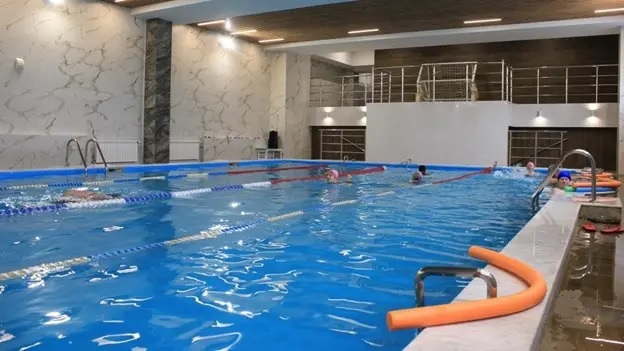
In a strategic move to stimulate entrepreneurship and regional development, the Uzbek government has approved a regulatory framework to subsidize the construction and commissioning of modern swimming pools. This initiative is designed to partially cover the expenses faced by private businesses investing in sports and leisure infrastructure.
Policy Details and Economic Implications
Under the newly instituted program, entrepreneurs planning to build contemporary swimming pools are eligible to receive subsidies covering up to 50% of the construction and operational launch costs, with a cap of 100 million Uzbek soms per project. The government intends to allocate these subsidies to the first 100 modern swimming pools that become operational between February 1, 2026, and January 1, 2028.
Applications can be submitted through the State Services Center or the Unified Interactive State Services Portal (YaIDXP) directly to the Tourism Committee. Once the Committee approves the cost reimbursement, the subsidy funds are transferred to the applicant’s bank account within 10 working days, ensuring prompt financial support.
"Modern swimming pools are not only a means to promote a healthy lifestyle but also serve as catalysts for developing tourism and sports infrastructure, generating employment, and fostering profitable businesses," government officials emphasized.
Contextualizing the Program Within Uzbekistan’s Economic Strategy
This subsidy scheme aligns with Uzbekistan’s broader economic ambitions to diversify its service sectors and invigorate regional economies. Historically, state support for infrastructure projects has been a pivotal factor in accelerating economic modernization and expanding employment opportunities.
Swimming pools, as leisure and sports facilities, serve multifaceted roles: they enhance public health by encouraging active lifestyles, increase the attractiveness of localities for tourism, and stimulate small and medium-sized enterprises through related services such as coaching, maintenance, and hospitality.
From an economic perspective, subsidizing initial capital expenditure reduces barriers to entry for private investors, accelerates infrastructure development, and catalyzes ancillary economic activities. It also reflects an understanding of the long-term returns that recreational infrastructure can yield in terms of community well-being and economic diversification.
Potential Structural Impact and Future Outlook
By focusing on modern swimming pools, the government targets a niche yet strategically significant sector within sports and tourism. The subsidy program is expected to create new jobs, from construction phases to operational roles, such as trainers, lifeguards, and administrative staff.
Moreover, this initiative may trigger a ripple effect encouraging further private investments in complementary sectors, including hospitality and retail. It also potentially enhances Uzbekistan’s competitiveness as a regional destination for sports tourism, a growing niche market globally.
However, the success of the program will depend on effective implementation, sustained demand for such facilities, and ongoing support for associated business ecosystems.
Entrepreneurs interested in capitalizing on this opportunity are encouraged to submit their applications promptly and leverage this government-backed financial support to advance their development projects.
Overall, Uzbekistan’s subsidy program for swimming pool construction represents a focused intervention aimed at fostering healthier communities, vibrant local economies, and a diversified service sector landscape.