Yaroslavl Refinery Halt Deepens Russia’s Wartime Fuel Supply Strains
Repeated drone strikes have disabled core processing units at one of Russia’s largest refineries, adding pressure to regional fuel markets.
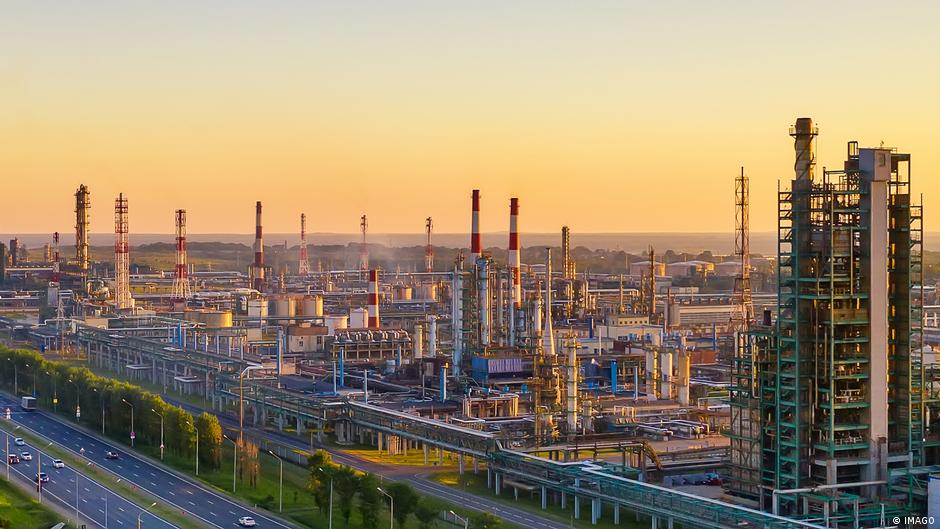
The shutdown of the Slavneft-Yaroslavnefteorgsintez refinery in Yaroslavl marks another escalation in the economic pressure building around Russia’s domestic fuel system. The plant, known as YANOS, had supplied fuel to the Moscow region and is described as one of Russia’s ten largest refineries. According to Reuters, its main oil-processing units were damaged after Ukrainian drone attacks, forcing the refinery to stop crude processing and fuel shipments.
The disruption is significant not only because of the scale of the facility, but also because of its position in Russia’s internal energy geography. YANOS has been listed by media among the five largest Russian refineries by crude-processing volume. Its stated annual capacity is 15 million tonnes of crude oil, and the plant had supplied markets with more than 2.6 million tonnes of gasoline and 4 million tonnes of diesel per year. In a country where oil exports remain a central source of fiscal strength, damage to refining capacity strikes a different but increasingly visible target: the ability to turn crude into usable domestic fuel.
Damage to Core Processing Capacity
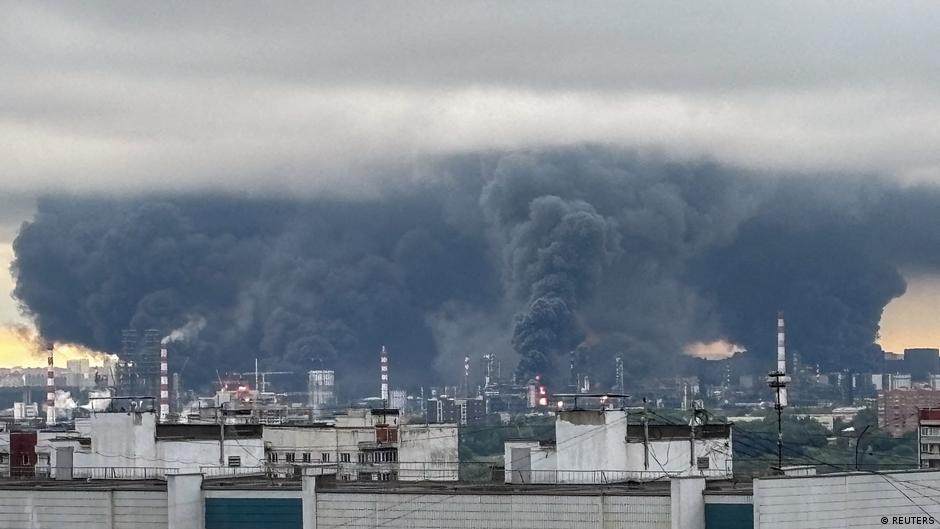
Reuters reported on Thursday, September 17, citing four industry sources, that the refinery had halted oil processing and fuel shipments after another Ukrainian drone attack. The strike, which took place overnight on September 17, damaged the AVT-3 crude-processing unit. According to the sources cited, that unit accounted for 40 percent of the refinery’s capacity. Yaroslavl region governor Mikhail Yevrayev confirmed damage and a fire at the plant, with the blaze taking several hours to extinguish.
The latest damage followed an earlier incident overnight on August 28, when another unit, AVT-4, was knocked out of operation. That unit provided about 33 percent of YANOS capacity and had not resumed work. After the attacks, YANOS stopped exchange-traded fuel shipments. Taken together, the reported damage affects units that represented most of the plant’s refining capability, turning an isolated operational disruption into a broader constraint on supply.
YANOS had supplied more than 2.6 million tonnes of gasoline and 4 million tonnes of diesel annually, including fuel for the Moscow region.
The AVT-3 unit alone could process about 17,000 metric tonnes of crude per day. In refining economics, the loss of such a unit is not simply a matter of reduced throughput. Primary processing units are foundational: when they are disabled, downstream production of gasoline, diesel and other refined products can be constrained even if other parts of the facility remain physically intact. That makes repeated strikes on major units more damaging than headline capacity figures alone may suggest.
A Regional Pattern of Disruption
YANOS is already the second major refinery in the region to suspend operations in September because of the consequences of drone attacks. Since September 6, Rosneft’s refinery in Ryazan has not been shipping fuel. That facility has a capacity of 17 million tonnes of crude per year, making it comparable in scale to the Yaroslavl plant. The combined disruption at two large refineries in the broader region has direct implications for fuel availability, logistics and pricing pressures, particularly around central Russia.
The Yaroslavl refinery has been hit repeatedly by Ukrainian drones since the start of Russia’s full-scale war against Ukraine. In 2026 alone, fires broke out at the facility at least eight times. The frequency matters economically because refining systems depend on continuity. Even when damage is repaired, repeated stoppages can reduce effective capacity, disrupt maintenance schedules, complicate supply contracts and force fuel redistribution from other regions.
The attacks on Russian oil-refining facilities have already contributed to a summer fuel crisis inside Russia. The Kremlin, and President Vladimir Putin personally, have acknowledged the problem reluctantly. Putin described fuel difficulties as temporary and said attacks on refineries were not capable of influencing events on the front. Yet the domestic market indicators cited in the source point to a shortage that has persisted beyond a single incident.
According to Gdebenzin, a service aggregating Russian fuel-search websites and services, AI-92 and AI-95 gasoline were unavailable at roughly half of the country’s filling stations in mid-September. The figures fluctuated from day to day, but a chart cited by Novaya Gazeta Europe showed that an acute fuel shortage had continued in Russia since mid-August. That suggests the issue is not only one of local inconvenience, but of system-wide stress in distribution and refining.
Structural Consequences for Russia’s Fuel Economy
Russia’s wartime fuel problem highlights a structural asymmetry in the energy sector. Crude oil production and export infrastructure have long been treated as strategic assets, but domestic refining is now proving to be a vulnerable link between resource extraction and the functioning of the civilian economy. Refineries are capital-intensive, geographically fixed and difficult to replace quickly. When large facilities lose major units, the effects can ripple through regional supply chains faster than new logistics arrangements can compensate.
Historically, wartime economies have often found that the processing and transport stages of commodity systems are as important as production itself. The Yaroslavl and Ryazan cases fit that pattern. Russia may still possess vast crude resources, but crude must be refined, moved and delivered to consumers, businesses and state institutions. Disruption at refineries therefore pressures not only motorists, but also agriculture, transport, regional commerce and government efforts to sustain the appearance of economic normality.
The political dimension is also becoming more visible. In mid-September, Kremlin spokesman Dmitry Peskov spoke positively about U.S. President Donald Trump’s idea of an “energy truce” that would involve halting Ukrainian attacks on Russian refineries. When asked whether Russia was prepared in return to stop strikes on Ukrainian infrastructure, Peskov did not answer. That silence underlined the asymmetry at the heart of the proposal: Moscow is seeking relief for its refinery network while avoiding an explicit reciprocal commitment on Ukrainian infrastructure.
For Russia’s economy, the shutdown at YANOS is another sign that the war’s costs are migrating from the battlefield into domestic industrial systems. Fuel shortages, disrupted refinery output and damaged processing units do not by themselves determine the course of the conflict. But they raise the cost of sustaining it, complicate internal supply management and expose the limits of treating energy infrastructure as insulated from wartime risk.