Zelensky Says Ukraine Parliament Faces Unpopular Bills to Unlock Aid
The measures are tied to billions of dollars in Western support as Kyiv confronts a widening defense budget gap and war-damaged export base.
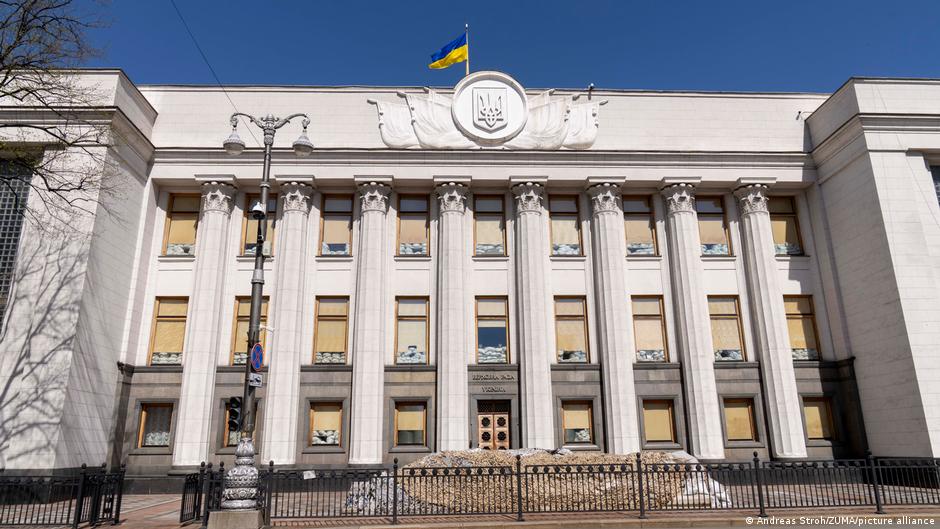
Ukrainian President Volodymyr Zelensky has warned that parliament will this week take up a package of difficult and potentially unpopular bills whose passage is linked to the release of billions of dollars in assistance from Western partners. The legislation, he said, is needed to help close a hole in the state budget and preserve Ukraine’s capacity both to defend itself and to recover from the economic damage of war.
In a Telegram post on Tuesday evening, September 15, Zelensky said the Verkhovna Rada would consider seven bills that are “necessary to close the hole in the state budget.” According to the president, each of the measures represents “money for Ukraine from its partners.” Most of the initiatives are expected to be considered in a first reading, based on his message.
“Some of these things may be difficult, unpleasant and unpopular. But at this moment, without them it is impossible to meet the needs of our defense and ensure Ukraine’s ability to recover,” Zelensky wrote.
The framing was unusually direct: the bills are not being presented merely as domestic reforms, but as fiscal preconditions for external financing. Zelensky described them as matters of national importance, signaling that the government sees legislative action as an immediate part of the country’s wartime financing strategy. If lawmakers support the package, Kyiv could receive assistance amounting to several billion U.S. dollars, according to Zelensky’s message.
A Wartime Budget Under Strain
The pressure reflects a broader deterioration in Ukraine’s economic position after more than four years of full-scale war following Russia’s invasion. AFP has noted that Ukraine’s budget shortfall has formed largely because of a lack of funding in the defense sector amounting to 23 billion euros in equivalent terms. That gap is not simply an accounting problem. It illustrates the structural challenge of financing a large military effort while large parts of the productive economy remain disrupted by attacks, mobilization and export constraints.
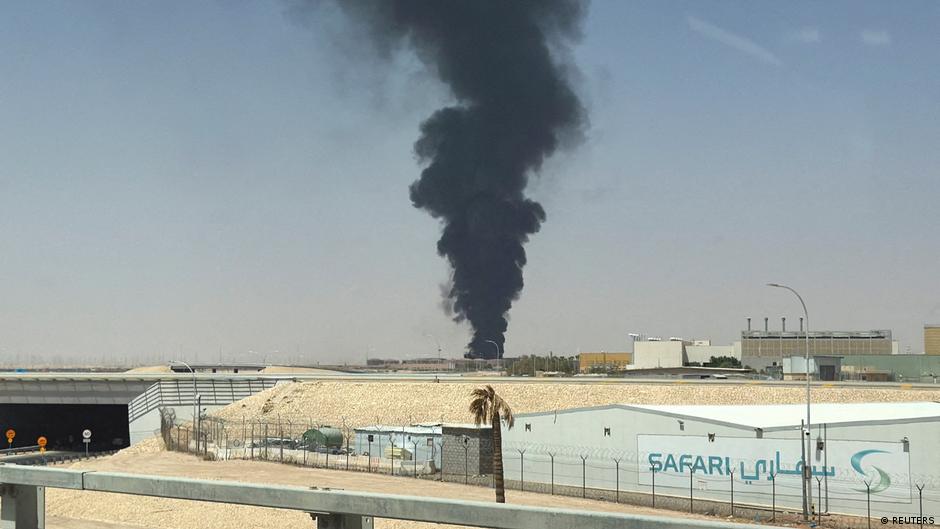
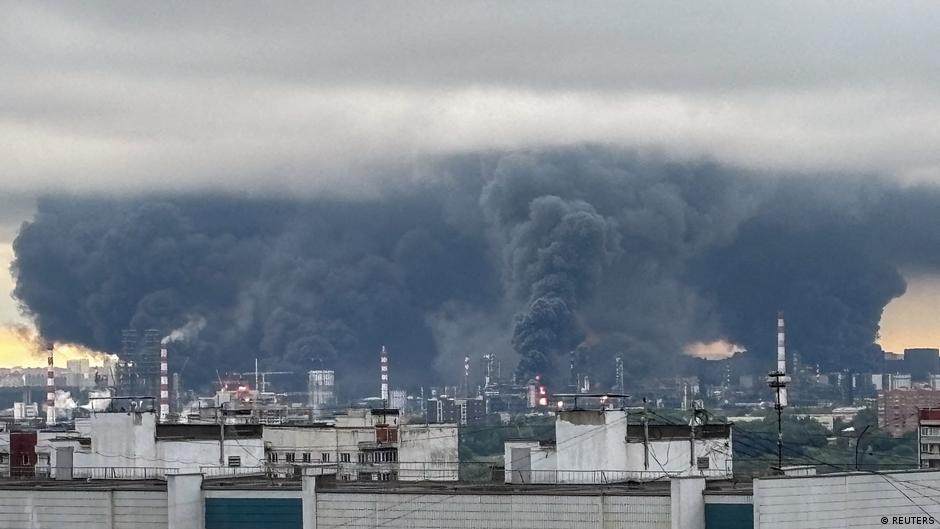
Russian attacks have damaged industry, especially metallurgy, and have contributed to a reduction in agricultural export volumes. Those two sectors have long been central to Ukraine’s foreign-exchange earnings and industrial base. Metallurgy historically provided heavy industry employment, export revenue and tax receipts, while agriculture helped anchor Ukraine’s role in global food markets. When both are weakened at the same time, the state loses fiscal capacity precisely as military expenditure rises.
This is the central wartime economic contradiction facing Kyiv: the war has increased the need for public spending while simultaneously narrowing the domestic revenue base that would normally help fund it. Ukraine has therefore become heavily dependent on financial support from its Western partners. That dependence is not only military, but macroeconomic. External loans and grants help pay for defense-related obligations, budget stability and the government’s ability to maintain basic state functions.
Conditional Aid and Parliamentary Politics
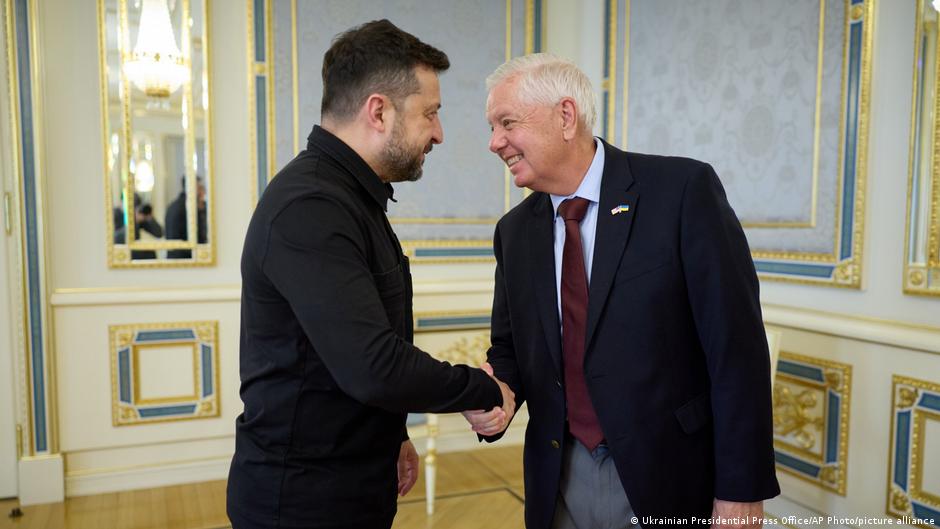
The latest bills appear to sit within that conditional financing architecture. At the end of August, during a visit to Kyiv by the leaders of Denmark, Latvia, Lithuania, Norway, Finland and Estonia, Zelensky said he expected 30 billion euros from the European Union as part of a 90 billion euro loan designed to run over two years. At the time, he said the disbursement of those funds was tied to “the adoption of relevant legislation.”
His appeal to parliament was explicit. Zelensky stressed that it was important for the whole parliament to work, including the opposition, because the 30 billion euros were not funds that belonged to either the authorities or their political rivals. The money, he said, was needed for the defense of the entire country. That argument sought to move the issue above routine party competition and recast parliamentary votes as a condition of national survival.
Such conditionality has historical parallels in crisis financing. Governments facing war, debt distress or severe balance-of-payments pressure often turn legislative reform into a signal to external creditors and allies. In Ukraine’s case, however, the stakes are sharper because the financing is tied not only to stabilization, but to the conduct of an active war. The unpopular nature of the bills matters politically, but their delay could carry direct consequences for defense funding and recovery capacity.
Zelensky has previously estimated the deficit in Ukraine’s Defense Ministry budget at 27 billion dollars, or more than 23.1 billion euros. He said the shortfall arose in part because of overspending in the first half of the year. The president also said Ukraine needs 8 billion to 10 billion dollars to prepare the army for January 2027, and almost 20 billion dollars for needs including salaries for military personnel and payments to the families of those killed.
Structural Consequences Beyond This Week
The immediate question is whether the Verkhovna Rada can pass the legislation quickly enough to unlock the promised assistance. The larger economic question is what kind of fiscal model Ukraine can sustain if the war continues to suppress exports, damage industrial assets and absorb extraordinary defense spending. Each new package of external financing buys time, but it also deepens the importance of coordination between Kyiv and its partners.
For Western governments and institutions, Ukraine’s legislative compliance is a way to justify continued support to their own taxpayers and political constituencies. For Kyiv, accepting difficult conditions may be the price of keeping defense spending and state payments on track. The result is a wartime bargain: Ukraine retains sovereignty over its legislative process, but the timing and content of fiscal legislation are increasingly shaped by the requirements of external financing.
The seven bills now before parliament therefore represent more than a routine budgetary exercise. They are a test of Ukraine’s ability to align domestic politics, military needs and partner financing under severe economic stress. Zelensky’s warning that some measures will be unpleasant underscores the narrowing room for easy choices. In a war economy, fiscal decisions that might once have been deferred or diluted can become prerequisites for ammunition, salaries, reconstruction capacity and macroeconomic stability.