Zelensky’s Engagement with Trump Envoys Signals New Diplomatic Push Amid Ukraine War
Ukrainian President Zelensky praises active involvement of Trump’s special envoys in efforts to end the Russia-Ukraine conflict.
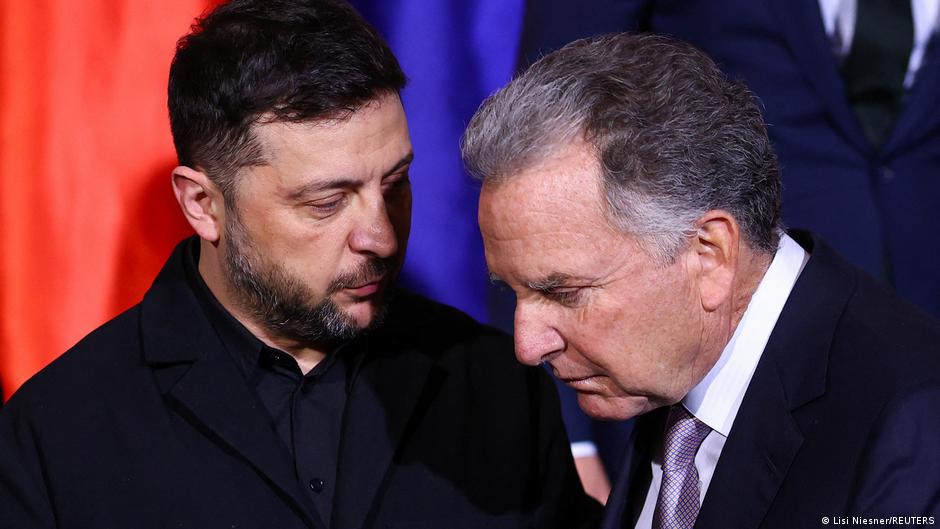
On June 8, Ukrainian President Volodymyr Zelensky described a recent conversation with former U.S. President Donald Trump's special envoys, Steve Whitkoff and Jared Kushner, as "very positive," emphasizing their readiness to actively contribute to diplomatic efforts aimed at ending the ongoing war with Russia.
Speaking during a brief stopover in Chisinau airport on his return from London, Zelensky expressed appreciation for the envoys’ commitment to work "maximally actively in the coming weeks" to accelerate peace negotiations. He also shared intelligence with Whitkoff and Kushner about Moscow's current stance, highlighting the Ukrainian leadership’s efforts to keep international partners informed about Russia’s intentions.
Context of Renewed Diplomatic Engagement
This interaction comes on the heels of Zelensky’s high-level talks in London with key Western leaders: German Chancellor Friedrich Merz, British Prime Minister Keir Starmer, and French President Emmanuel Macron. Together, they articulated five conditions deemed critical for establishing a lasting peace in Ukraine. Discussions also covered intensifying economic sanctions on Russia, increasing military aid to Kyiv, and cooperating on missile production to enhance Ukraine's air defenses and long-range strike capabilities.
"Very positive conversation. Grateful for the readiness to work actively in these weeks to give a diplomatic push to end Russia’s war against Ukraine," Zelensky stated on social media.
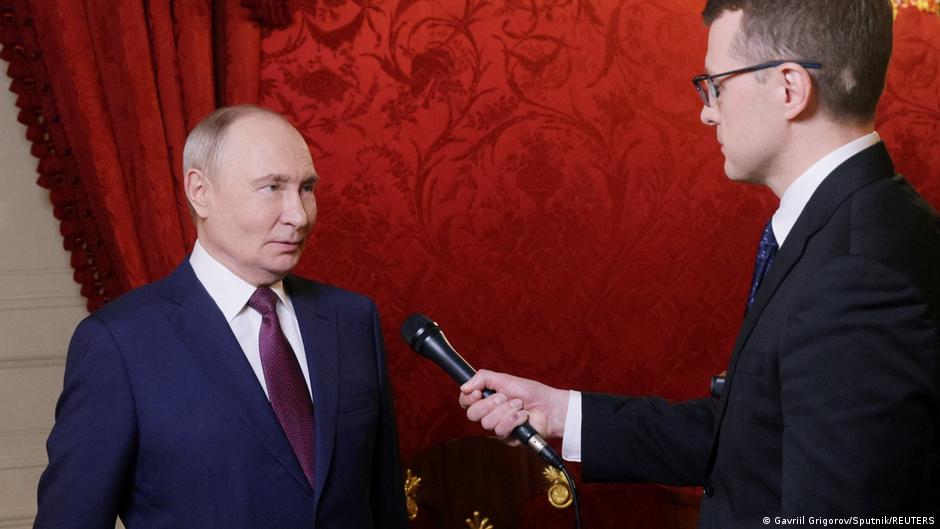
On June 4, Zelensky published an open letter to Russian President Vladimir Putin proposing a clear endpoint to hostilities and suggesting a personal meeting to negotiate terms. He indicated that this bilateral dialogue could expand to include European and U.S. representatives, signaling a potential shift toward multilateral diplomatic engagement.
However, Putin’s swift response the following day dismissed the prospect of talks, calling Zelensky’s letter dismissive and obstructive. He reaffirmed Russia’s commitment to achieving its objectives through continued military operations, urging Russian troops to "keep working." This rhetoric underscores the entrenched positions that complicate diplomatic breakthroughs.
Economic and Structural Implications
The renewed involvement of Trump’s envoys in Ukraine’s diplomatic efforts reflects a broader geopolitical dynamic where former administration figures remain influential in shaping foreign policy narratives and potential solutions. Their willingness to engage actively hints at possible shifts in U.S. political calculations regarding Ukraine and Russia.
From an economic perspective, the ongoing war continues to destabilize regional markets and disrupt global supply chains, particularly in energy and agricultural commodities. Intensified sanctions and military aid discussed among Western leaders aim to strain Russia’s economy further, potentially accelerating shifts in global trade alignments and defense-industrial collaborations.
Moreover, the diplomatic momentum and conditions outlined by Western leaders emphasize structural changes necessary for sustainable peace. These include not only cessation of hostilities but also mechanisms to ensure economic resilience and security cooperation in Eastern Europe.
As the war persists, the interplay between diplomatic initiatives and economic pressures will remain pivotal. Zelensky’s outreach to diverse actors, including those from former U.S. administrations, illustrates the multifaceted approach Ukraine is adopting to navigate this protracted conflict and its broader geopolitical ramifications.