Zelensky’s Office Denies Trump Proposed Moscow Talks With Putin
The dispute over a reported proposal highlights how energy prices, diplomacy and wartime bargaining are converging around Ukraine.
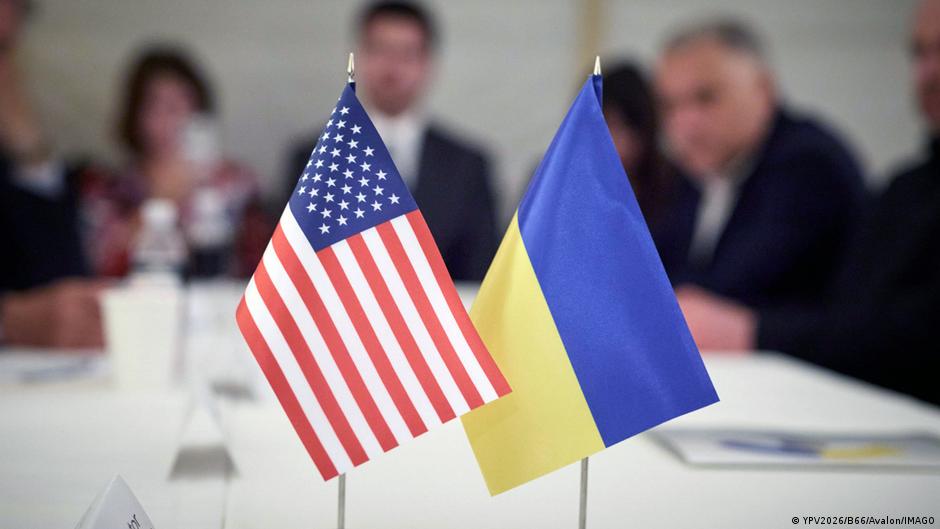
Ukraine’s presidential office has denied a Bloomberg report that U.S. President Donald Trump proposed that Volodymyr Zelensky travel to Moscow for negotiations with Russian President Vladimir Putin, a claim that, if accurate, would have carried major diplomatic and economic implications for the war’s next phase.
The denial came after Bloomberg reported, citing sources, that Trump raised the idea during a meeting with Zelensky on the sidelines of the United Nations General Assembly in New York. According to the agency’s account, Zelensky rejected the proposal, and people close to the Ukrainian leader said he was upset by it.
“This is false information,” Ukrainian presidential communications adviser Dmytro Lytvyn told Ukrainska Pravda.
The Ukrainian president’s office rejected the report on Friday, September 25, according to Ukrainska Pravda. The episode adds another layer of uncertainty to an already complex diplomatic track, where each proposed venue and format carries symbolic weight as well as strategic risk.
Diplomacy Under Energy Market Pressure
The reported proposal emerged during a week in which Zelensky and Russian Foreign Minister Sergei Lavrov held separate meetings in New York with representatives of the Trump administration. Bloomberg wrote that Washington pressed Moscow and Kyiv to agree to halt attacks on energy facilities against the backdrop of rising global diesel prices.
That detail is central to the economic significance of the diplomacy. The war has repeatedly demonstrated how battlefield decisions can spill into commodity markets, transport costs and inflation expectations far beyond Eastern Europe. Attacks on energy infrastructure affect not only military logistics and domestic power supply, but also global perceptions of fuel scarcity and risk.
Diesel is especially sensitive because it sits at the heart of freight, agriculture, mining and industrial activity. A sustained rise in diesel prices can feed into food costs, manufacturing margins and household inflation, even in economies geographically distant from the conflict. For Washington, the push to limit strikes on energy assets appears tied not only to conflict management but also to wider price stability concerns.
That creates a difficult bargain. For Ukraine, Russian energy infrastructure can be viewed as part of Moscow’s war-making capacity. For Russia, Ukraine’s energy system has long been a target of pressure. Any agreement to stop attacks would therefore require both sides to accept constraints on tools they have used to impose economic pain.
The Politics of Venue
Zelensky said on September 25 that trilateral talks between the United States, Ukraine and Russia in a technical format could take place in the United Arab Emirates. The Kremlin, however, rejected a recent Kyiv proposal to hold talks on ending the war during a G20 summit in Miami, where Washington had invited Putin.
The venue question is more than procedural. In conflicts with high political stakes, location can imply recognition, leverage and legitimacy. Moscow has repeatedly emphasized that a Putin-Zelensky meeting would be possible only in the Russian capital. On September 23, Kremlin spokesman Dmitry Peskov said the Ukrainian president, “if he wants,” could come to Moscow, where he would be provided with the necessary security guarantees.
For Kyiv, accepting Moscow as the site of direct leader-level talks would be politically fraught. It would mean negotiating in the capital of the state that launched the full-scale invasion, under conditions framed by the Kremlin. For Moscow, insisting on that venue reinforces a narrative of control and hierarchy, while also placing psychological and security burdens on the Ukrainian side.
The UAE proposal points to a different model: a neutral or at least third-party setting for technical negotiations. Such formats can allow governments to test terms without the symbolism of a summit. They can also provide room for narrower agreements, such as energy de-escalation, prisoner exchanges or procedural frameworks, before political leaders take ownership of broader compromises.
Historical Parallels and Economic Consequences
Wars often produce partial economic understandings before political settlements become possible. Historical ceasefire processes have frequently begun with limited arrangements around transport corridors, energy flows or humanitarian access. These agreements rarely end wars by themselves, but they can reduce volatility and create channels for communication.
In Ukraine’s case, the economic dimension is unusually exposed. Energy infrastructure, shipping routes, grain exports, fuel markets and sanctions architecture all form part of the conflict’s wider balance sheet. Any discussion of halting attacks on energy facilities would therefore affect not only military calculations but also insurers, refiners, traders and governments trying to manage inflation risk.
The structural consequences could be significant. If attacks on energy assets were curtailed, markets might price in lower disruption risk, at least temporarily. But if talks collapse or are perceived as unrealistic, the opposite could occur: higher risk premiums, continued pressure on diesel prices and renewed concern about winter energy supply vulnerabilities.
The dispute over the reported Trump proposal also shows how diplomatic signaling can move faster than formal policy. A single report about a possible Moscow visit was enough to generate a denial from Kyiv, because such a proposal would touch on Ukraine’s sovereignty, negotiating posture and domestic political constraints. For investors and policymakers, that underscores the importance of venue, sequencing and public messaging in any future talks.
Putin said in June that Zelensky had asked him for a personal meeting through a Russian businessman. Zelensky later said he had conveyed a message to the Kremlin leader through Roman Abramovich. Those earlier exchanges suggest that indirect channels have existed even as official positions remain rigid.
For now, the publicly confirmed picture is narrower than the diplomatic noise surrounding it: Kyiv denies that Trump proposed a Zelensky trip to Moscow; Washington has been pressing for restraint around energy infrastructure; and Ukraine is pointing to the UAE as a possible venue for technical trilateral talks. The economic stakes, however, extend well beyond the negotiating table.