Armenia Undertakes Partial Vote Recount Following Contested Parliamentary Elections
The Central Electoral Commission recalculated votes at nearly one-third of precincts after opposition challenges, revealing modest adjustments across major parties.
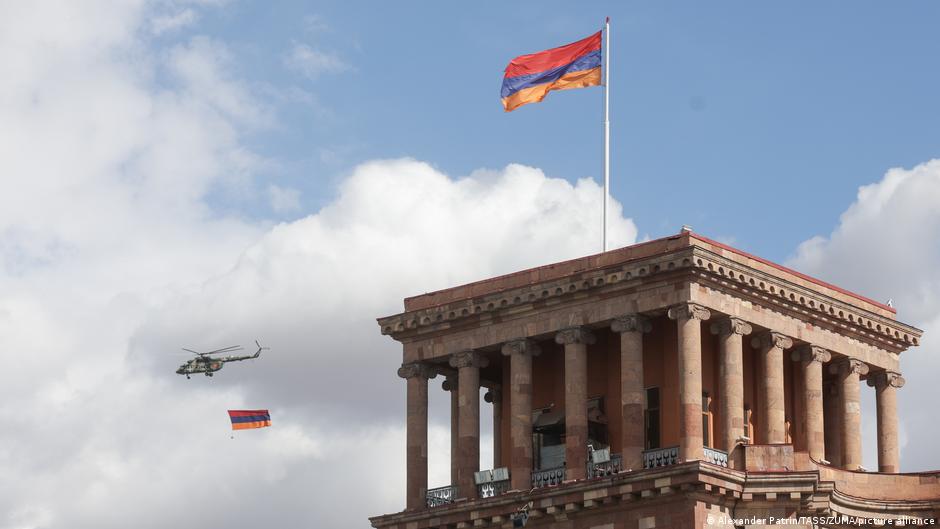
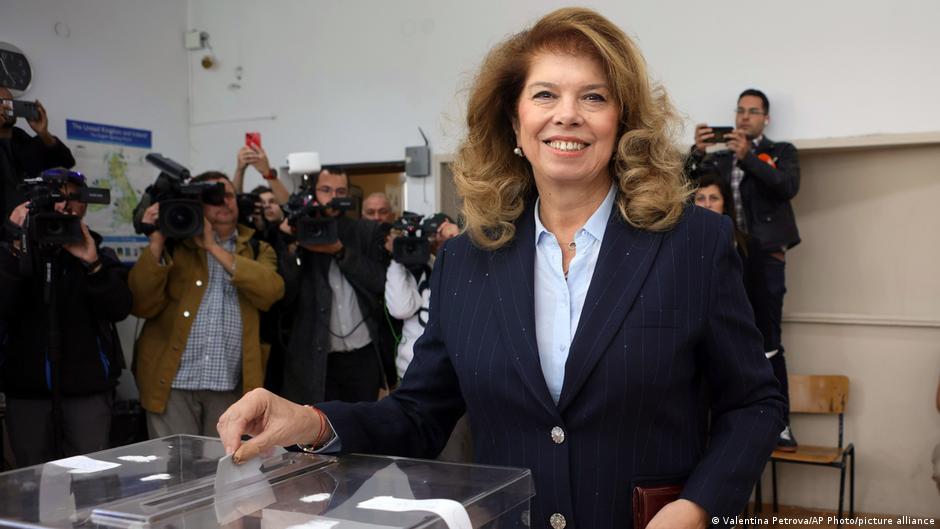
Following the June 7 parliamentary elections in Armenia, the Central Electoral Commission (CEC) conducted a partial recount of votes at 637 out of 2,005 precincts upon request from the pro-Russian opposition bloc, Strong Armenia. The recount resulted in incremental changes in vote counts among leading parties, reflecting the ongoing tensions and scrutiny surrounding the electoral process.
Context and Recount Outcomes
The Strong Armenia bloc, led by Russian-Armenian billionaire Samvel Karapetyan, sought a vote recount citing alleged irregularities. The CEC obliged, recounting approximately 31.7% of the precincts. The commission's statement on June 12 revealed that Strong Armenia's vote total increased by 508 votes to 340,088. Other parties also saw adjustments: Prosperous Armenia gained 147 votes to a total of 58,378; the ruling Civil Contract party led by Prime Minister Nikol Pashinyan increased by 1,148 votes to 727,820; and the Armenia bloc headed by former president Robert Kocharyan grew by 217 to 145,113 votes.
Overall, the number of identified discrepancies rose by 230 to 1,509, while invalid ballots decreased by 859 from the previous tally of 17,097. Additionally, the CEC invalidated results from three precincts. Final election results are expected to be published on June 14.
"The Central Electoral Commission has completed a partial vote recount, confirming minor adjustments in vote totals across major parties but upholding the overall election outcome." – CEC statement
Electoral Integrity and Political Dynamics
The request for a recount came after Strong Armenia's defeat, which saw the bloc secure 23.29% of votes compared to the ruling Civil Contract party’s 49.81%. Samvel Karapetyan described the elections as "shameful," alleging violations during voting. Karapetyan is currently under house arrest pending accusations of plotting a state coup, charges he denies as politically motivated.
On election day, Armenian authorities reported investigations into 59 cases of electoral violations, including allegations of multiple voting, resulting in at least nine arrests. Voter turnout was 58.97%, higher than in the 2018 and 2021 parliamentary elections, though the ruling party’s vote share decreased from nearly 54% in 2021 to just under 50%.
Economic and Structural Implications
The electoral contention and opposition challenges reflect deeper structural and geopolitical tensions within Armenia. The prominence of pro-Russian and pro-Western forces in the electoral arena underscores Armenia’s continued balancing act amid regional security concerns, particularly given its economic reliance on Russian investments alongside Western aid and partnerships.
The vote recount process, while modest in numerical impact, signals the fragility of Armenia’s democratic institutions and the potential for political instability, which could affect foreign investment, economic reforms, and the country's integration into broader economic frameworks such as the Eurasian Economic Union and relations with the European Union.
Moreover, the participation of major business figures like Karapetyan and Gagik Tsarukyan illustrates the entanglement of economic elites with political power, a dynamic that shapes policy decisions and economic outcomes in Armenia’s evolving political economy.
As Armenia navigates these post-election challenges, the reaffirmation of transparent electoral processes remains crucial for sustaining long-term political stability and economic development.