Germany Identifies 410 Islamist Threats Amid Rising Concerns Over Radicalization Dynamics
Federal authorities in Germany report 410 individuals posing Islamist threats, highlighting challenges in radicalization prevention and law enforcement.
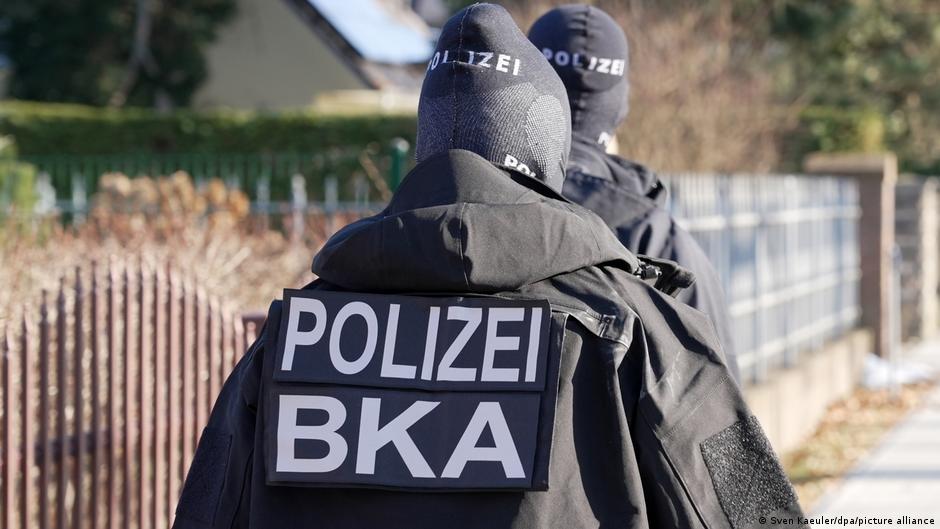
As of mid-2026, Germany’s Federal Criminal Police Office (Bundeskriminalamt, BKA) classified 410 individuals as posing a threat due to Islamist activities, a figure illustrating ongoing challenges in countering radicalization within the country. This data, released in July, underscores the persistent security concerns related to Islamist extremism alongside other forms of political radicalization.
Understanding the Landscape of Islamist Radicalization in Germany
The classification of these 410 individuals as threats reflects their potential capability to commit serious violent crimes, including terrorist attacks. Additionally, authorities identified 65 persons as potential right-wing extremists and 17 as potential left-wing extremists, indicating a multifaceted spectrum of radical ideologies in the country.
Responsibility for confirming threat status lies with Germany’s federal states, which assess cases individually. This decentralized approach results in fluid numbers, as individuals may be added or removed from threat lists depending on evolving evaluations.
Meanwhile, the Federal Office for Migration and Refugees’ (BAMF) Radicalization Consultation Centre in Nuremberg registered 165 consultations in the first half of 2026, a demand level consistent with 2025 figures. Three years earlier, total yearly consultations amounted to 374, demonstrating a sustained need for de-radicalization and preventive services.
These consultations originate largely from public institutions, including schools, which accounted for more than half of all requests in 2025. Families, and particularly parents, comprised nearly 43 percent of consultations, emphasizing the social dimension of radicalization concerns. The average age of individuals suspected of radicalization remains under 19 years, highlighting youth vulnerability.
The 2023 Hamas terrorist attack on Israel marked a turning point in public sensitivity toward radicalization in Germany, increasing consultation requests and societal vigilance.
"The demand for consultations regarding Islamist radicalization remains high, reflecting ongoing concerns about youth susceptibility and community impact," a BKA representative noted.
The Berlin LGBT Parade Attack: A Case Study in Prevention and Policy Challenges
A recent incident that brought Germany’s Islamist threat landscape into sharp focus was the July 25, 2026, attack during the Christopher Street Day (CSD) LGBT parade in Berlin. A 21-year-old German citizen of Lebanese descent, Abdul B., rammed a white van into the crowd near Brandenburg Gate, resulting in one death and 29 injuries. Subsequent stabbings further escalated the violence before the attacker was fatally shot by police.
Abdul B. had prior connections to Islamist circles and was previously detained on suspicion of planning a terrorist attack. Released from youth detention in May 2026 after serving time related to that suspicion, his case has sparked debate about the effectiveness of monitoring and rehabilitation strategies for persons deemed high-risk.
Authorities had detained Abdul at Berlin-Brandenburg Airport in late 2025 following his return from Lebanon. Investigations revealed prior attempts to join the Islamic State in Syria, underscoring the international dimensions of radicalization pathways.
Germany’s interior minister, Alexander Dobrindt, publicly classified the incident as an Islamist terrorist attack, which intensified scrutiny of government and judicial decisions regarding threat management.
Dirk Peglow, head of the German Criminal Police Union (BDK), criticized the existing approaches: "Releasing individuals with such a high potential threat without continued state attention cannot be acceptable." He called for implementing deradicalization measures both during detention and post-release to mitigate future risks.
Similarly, Bavaria’s Interior Minister Joachim Herrmann condemned the Berlin court’s conditional sentencing of Abdul B., describing it as a "catastrophic" misjudgment, given the individual’s prior threat profile.
Economic and Structural Implications of Islamist Radicalization
The persistence of Islamist threats and associated violent incidents have broader socio-economic consequences. Increased security expenditures, resource allocation for monitoring and deradicalization programs, and the strain on judicial and correctional systems imply a significant public cost.
Moreover, the psychological impact on communities, particularly minority groups and vulnerable youth, can affect social cohesion and economic productivity. Public institutions such as schools face heightened pressure to detect early signs of radicalization, diverting resources from educational missions.
From a historical perspective, Germany’s challenges echo previous eras of ideological extremism, though current Islamist radicalization is complicated by globalized networks and digital communication, demanding adaptive policy responses.
In conclusion, the German government’s approach must balance civil liberties with security imperatives, emphasizing early intervention, multi-agency cooperation, and sustained community engagement. The Abdul B. case exemplifies the critical need for robust risk assessment and post-incarceration support to prevent recidivism and safeguard democratic society.