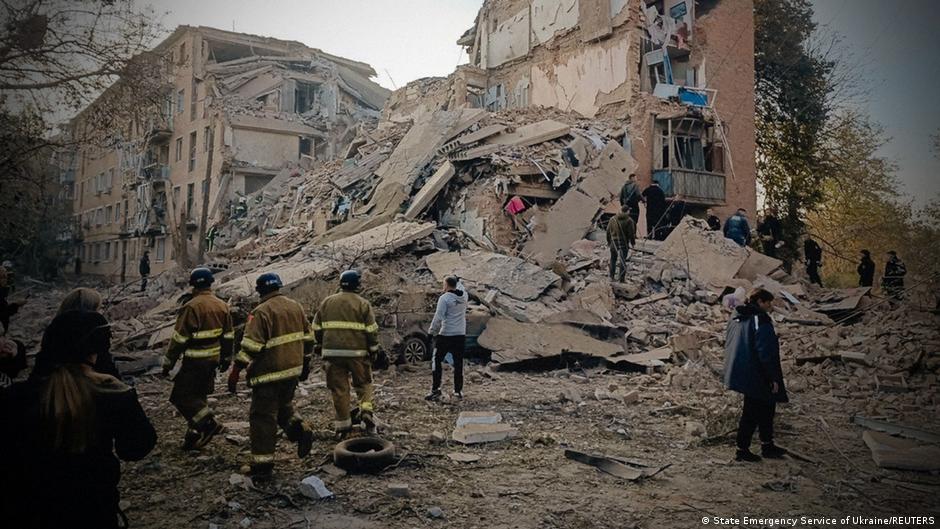
Ballistic Missile Strike on Kyiv Highlights Escalating Economic and Infrastructure Risks
Recent missile attacks on Kyiv and multiple Ukrainian regions underline growing structural economic challenges amid ongoing conflict.
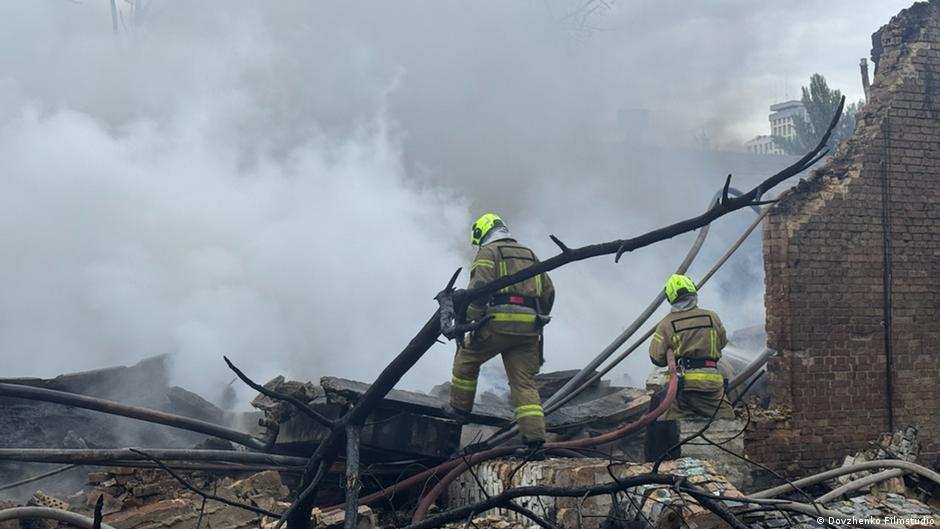
In the early hours of June 28, Kyiv experienced a significant ballistic missile attack launched by Russian forces, resulting in injuries and multiple fires within the city. This event is part of a broader pattern of military escalation impacting Ukraine's urban centers and critical infrastructure, with profound implications for the country’s economic stability and reconstruction prospects.
Escalation of Military Strikes and Economic Vulnerability
The Ukrainian Air Force issued warnings twice in rapid succession around 2:00 and 2:30 a.m. local time, alerting Kyiv residents to incoming ballistic missiles. Shortly after, explosions were reported in several parts of the city, notably in the Darnytskyi district, where at least two individuals were injured. Fires broke out near residential buildings, service stations, and non-residential structures, exacerbating the damage.
"Fires erupted at multiple sites, including a residential area, an auto service station, and other non-residential buildings," confirmed Kyiv’s military administration, indicating the compounded physical and economic damage sustained.
These attacks are not isolated to Kyiv. Ukrainian Air Forces recorded multiple launches of drones, missiles, and guided aerial bombs targeting regions such as Kharkiv, Dnipro, Sumy, Zaporizhzhia, Donetsk, and Dnipropetrovsk. Each of these areas is vital to Ukraine’s industrial output and logistical networks, with air raid alerts issued accordingly.
The recurrent missile strikes contribute to an environment of uncertainty and disruption for economic actors. Critical infrastructure, including transportation, manufacturing facilities, and energy supply chains, face ongoing threats, undermining operational continuity. The direct damage to physical assets compounds indirect economic costs through interruptions in production, labor displacement, and increased security expenditures.
Historical Context and Long-Term Economic Consequences
Historically, conflicts involving sustained urban bombardment have precipitated profound economic dislocations. Post-conflict reconstruction efforts in Eastern Europe, notably after World War II, demonstrate both the resilience and challenges associated with rebuilding war-torn economies. The destruction of industrial hubs and residential districts necessitates significant capital investment and international assistance, often delaying economic recovery for years.
Ukraine’s current predicament follows a similar trajectory but is complicated by the ongoing nature of hostilities, geopolitical tensions, and economic sanctions affecting both belligerents. The persistent threat of missile attacks discourages foreign and domestic investment, strains public finances due to increased defense and emergency response spending, and compounds humanitarian crises through civilian casualties and displacement.
Moreover, the targeting of multiple economically significant regions suggests a strategic attempt to degrade Ukraine’s production capacity, disrupt supply chains, and erode morale. This multifront assault on infrastructure risks long-term structural damage to the Ukrainian economy, including loss of skilled labor, destruction of capital assets, and a contraction of industrial output.
Economic analysts caution that such sustained conflict-driven disruptions may entrench regional disparities within Ukraine, complicate integration into global markets, and necessitate comprehensive economic reforms post-conflict to restore growth and stability.