EU and Mexico Sign Comprehensive Trade Agreement After Decade of Negotiations
The new EU-Mexico trade deal eliminates most tariffs, reduces bureaucratic barriers, and aims to boost exports and investment amid shifting global trade dynamics.
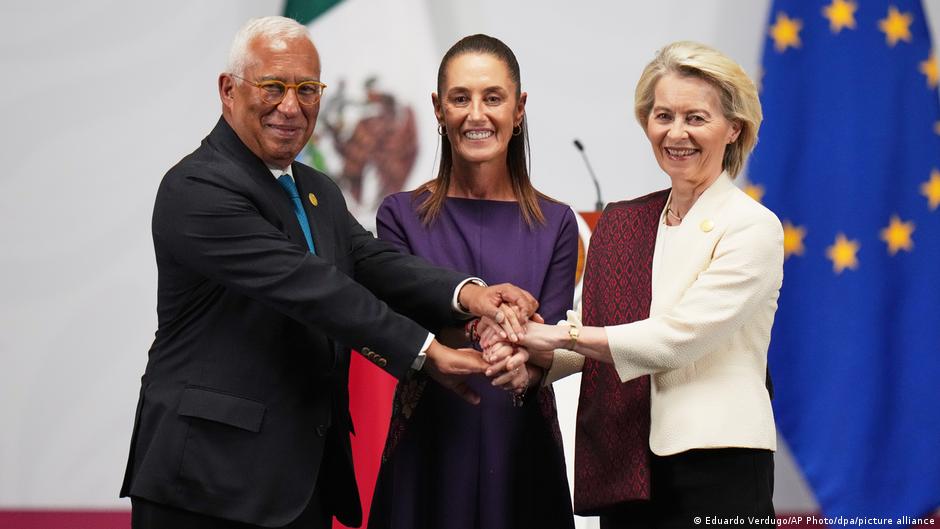
After ten years of negotiations, the European Union and Mexico have signed a comprehensive new trade and cooperation agreement designed to strengthen economic ties and recalibrate trade relations in response to contemporary geopolitical challenges. The agreement, signed in Mexico City on May 22, 2024, marks a significant evolution in bilateral relations between the EU and Latin America's second-largest economy.
Key Provisions and Economic Implications
Under the terms of the new accord, Mexico has committed to eliminating nearly all tariffs on imports from EU member states, covering a broad spectrum of goods. Alongside tariff reductions, the agreement seeks to dismantle bureaucratic obstacles that have historically hindered the fluidity of trade, while also simplifying EU companies’ access to Mexican public procurement markets. This marks a strategic effort to deepen economic integration and diversify supply chains amid a changing global trade landscape.
"Given the current geopolitical situation, our partnership is more important than ever," stated European Council President António Costa during the signing ceremony.
The European Commission President Ursula von der Leyen and Costa engaged with Mexico City’s Mayor Claudia Sheinbaum prior to the formal signing, reinforcing the political significance of the agreement. This was the first EU-Mexico summit in a decade, underscoring the renewed momentum to bolster transatlantic trade and cooperation.
The Mexican Ministry of Economy estimates that the enhanced agreement could boost Mexico's exports to the EU by approximately 50% by 2030, reaching around €31 billion annually. Currently, EU exports to Mexico stand at about €56 billion per year, with bilateral trade volume having grown 75% over the last decade. The agreement’s tariff eliminations extend to key products such as Mexican poultry and asparagus, as well as European dry milk, cheese, and pork, albeit some items will be subject to quota management.
Structural and Strategic Context
The timing of this agreement is critical. Against the backdrop of the trade policies pursued by the Trump administration and broader global uncertainties, both the EU and Mexico are strategically seeking to diversify their trade partnerships and strengthen economic resilience. The deal represents a pivot toward more open, mutually beneficial trade relations distinct from the protectionist currents that have shaped recent years.
Beyond trade liberalization, the agreement incorporates progressive clauses addressing climate change, human rights, and international cooperation, reflecting the EU's broader agenda of sustainable and ethical trade practices.
According to Germany Trade & Invest (GTAI), Mexico plans a phased removal of tariffs on products including poultry, pork, cheese, and chocolate. The agreement also enshrines protections for European geographic indications such as Parma ham, Bavarian beer, and Tyrolean bacon, safeguarding the EU’s premium product branding in Mexican markets. In return, the EU secures improved access to Mexico’s critical raw materials, a move that supports European manufacturing and supply chains.
Once ratified, the agreement is expected to culminate in a global partnership treaty between Brussels and Mexico City, further institutionalizing their trade relationship. Mexico’s role as a manufacturing hub is enhanced by its participation in the North American Free Trade Agreement (now USMCA) with the United States and Canada. With a population of 130 million, Mexico represents a vital market and production center for European companies, including German industrial firms.
Historical Parallels and Long-Term Outlook
This landmark deal echoes earlier phases of EU trade policy that have emphasized not only tariff reduction but also the creation of comprehensive frameworks for regulatory cooperation and sustainable development. Historically, such agreements have facilitated structural economic transformations by enabling deeper integration into global value chains.
In the broader context of 21st-century trade relations, the EU-Mexico agreement signifies a strategic recalibration where emerging and established economies seek to secure competitive advantages through diversified partnerships. The inclusion of climate and human rights provisions also aligns with recent evolutions in trade norms, where economic goals are increasingly interwoven with social and environmental priorities.
As the EU and Mexico move forward with implementation and ratification, close attention will be paid to how these structural changes influence regional development, investment flows, and supply chain realignments. The deal sets a precedent for future agreements that balance economic openness with regulatory standards and geopolitical considerations.