Business
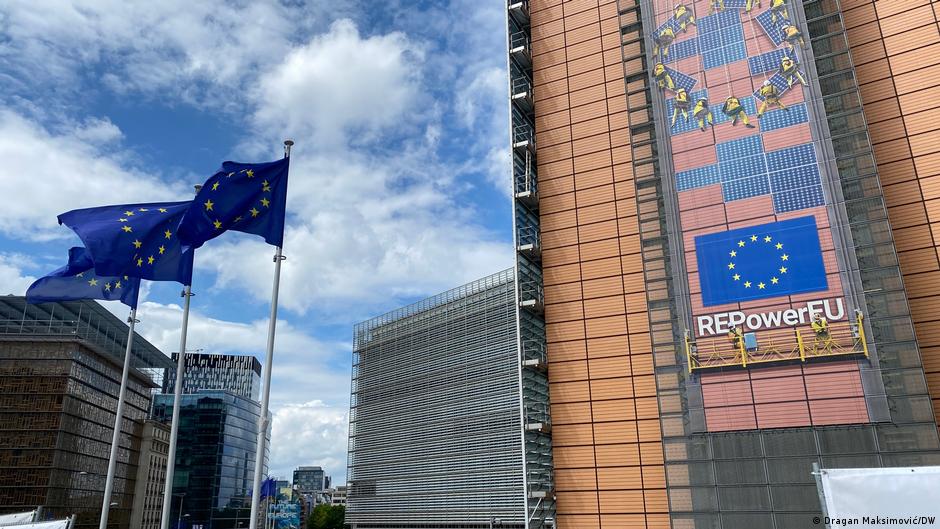
European Parliament Backs €115 Million Agile Fund for Defence Technology
MEPs backed a €115 million Agile programme to speed support for European SMEs developing disruptive defence technologies.
By Editorial Team — October 8, 2026
MEPs backed a €115 million Agile programme to speed support for European SMEs developing disruptive defence technologies.
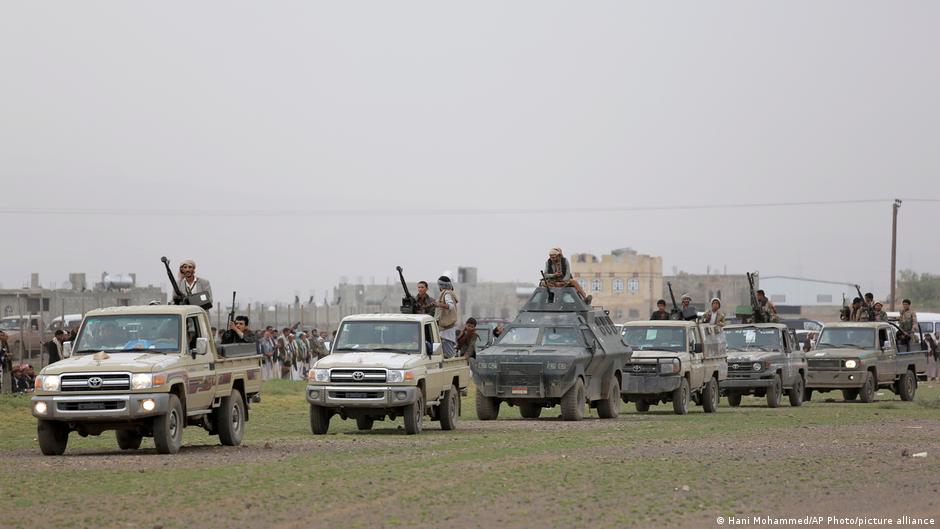
Yemen’s government says it is advancing near Mocha, while Houthis claim gains and strikes inside Saudi Arabia, raising risks for trade and energy.
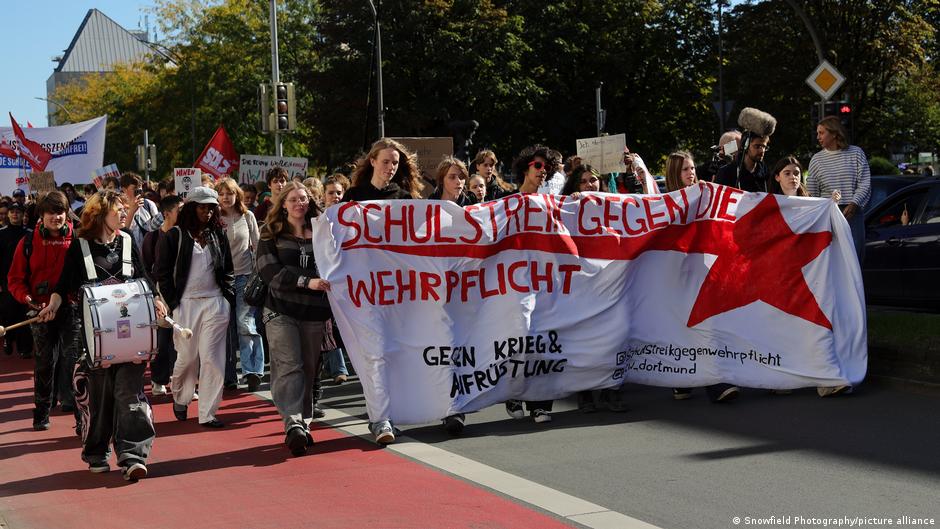
Germany recorded more than 12,000 military service refusal declarations in eight months as recruitment reform reshapes the Bundeswehr debate.
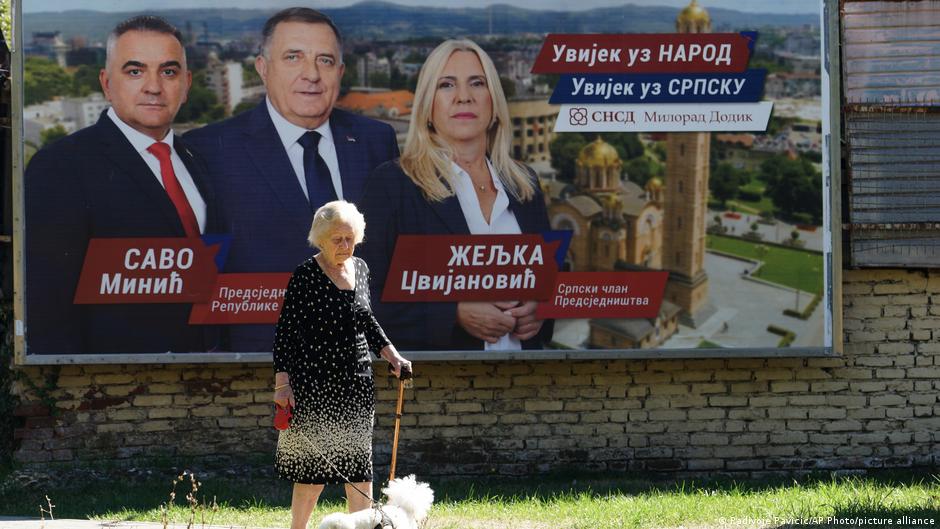
Ruling parties and Milorad Dodik’s allies prevailed in Bosnia’s elections, reinforcing continuity within the country’s fragmented Dayton system.
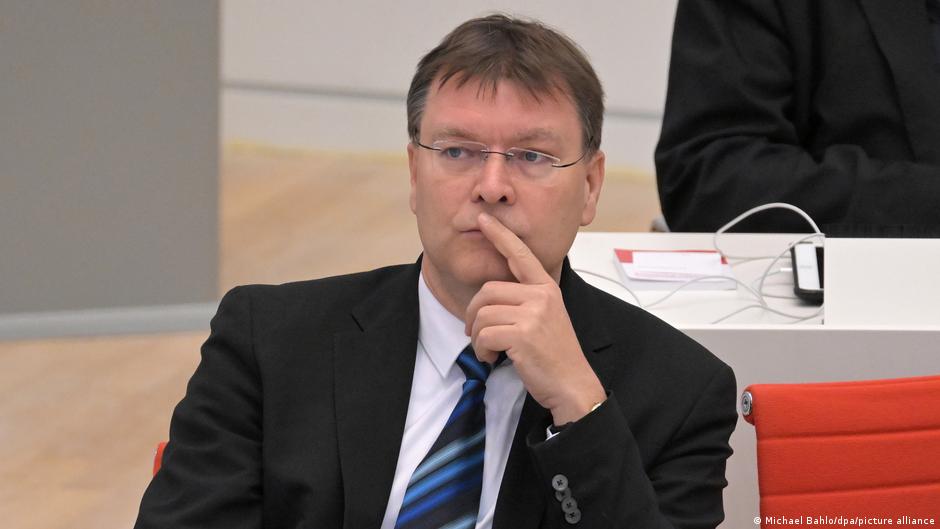
BSW lawmaker Sven Hornauf plans delegations to Belarus and Russia to revive twin-town links suspended after the war in Ukraine.
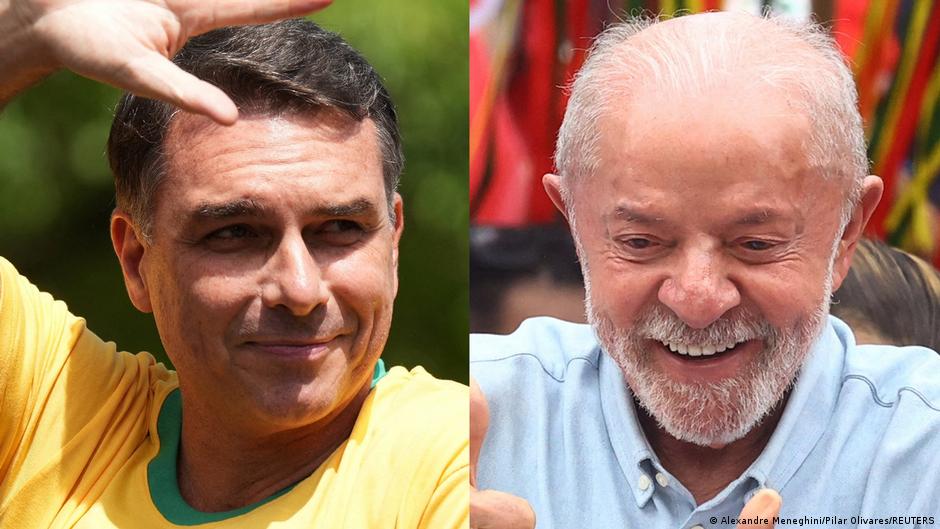
Brazil’s presidential race heads to an October 25 runoff after Flavio Bolsonaro led Lula da Silva in the first round with 47.03 percent.
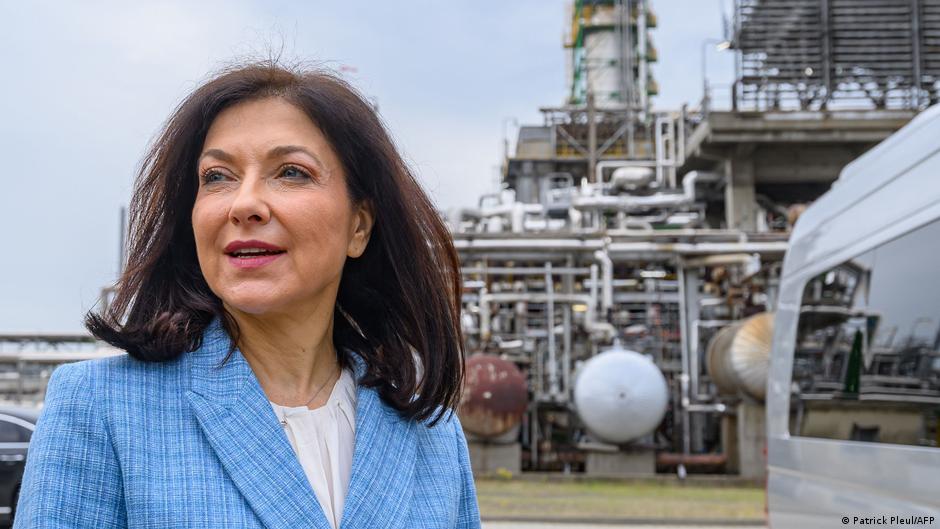
Katherina Reiche warned that the Left Party’s Berlin victory and expropriation plans could harm Germany’s investment climate.
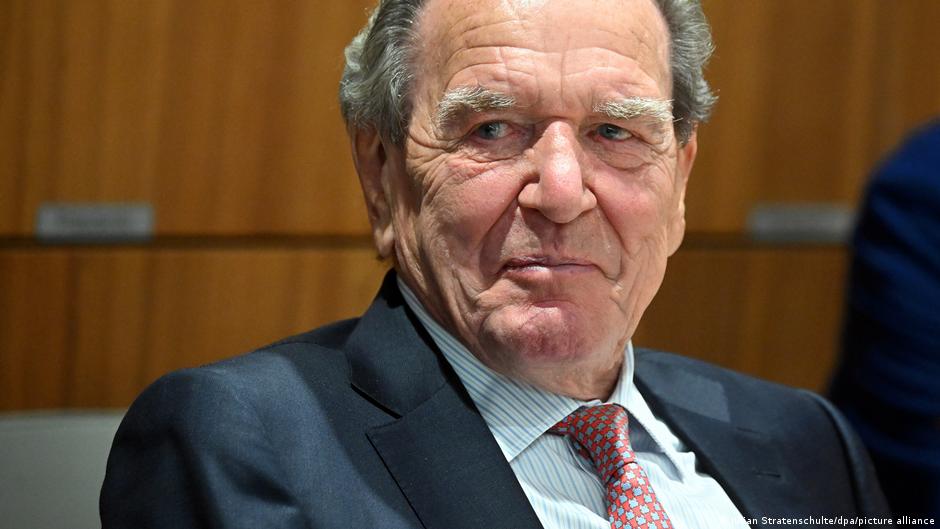
Gerhard Schröder’s new Hyperglobus role has reignited German debate over Russia exposure, political access and corporate risk.
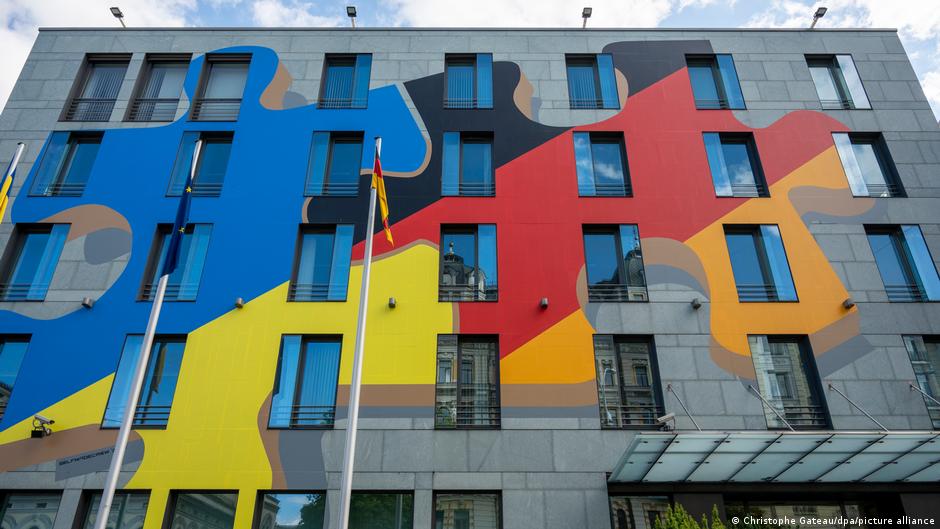
Western governments are preparing contingency plans to move embassies from Kyiv as Russian strikes intensify against Ukraine’s cities and energy system.

Maria Kolesnikova urges the EU to use diplomacy and sanctions relief to free Belarusian political prisoners and reduce Russia’s influence.
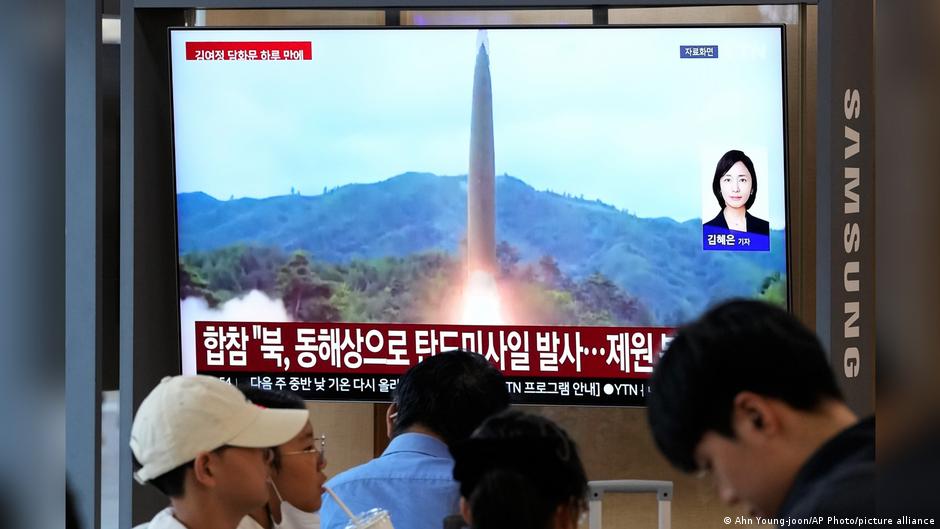
North Korea’s reported missile launch adds economic risk to renewed peninsula tensions after Seoul accused Pyongyang of an armistice violation.
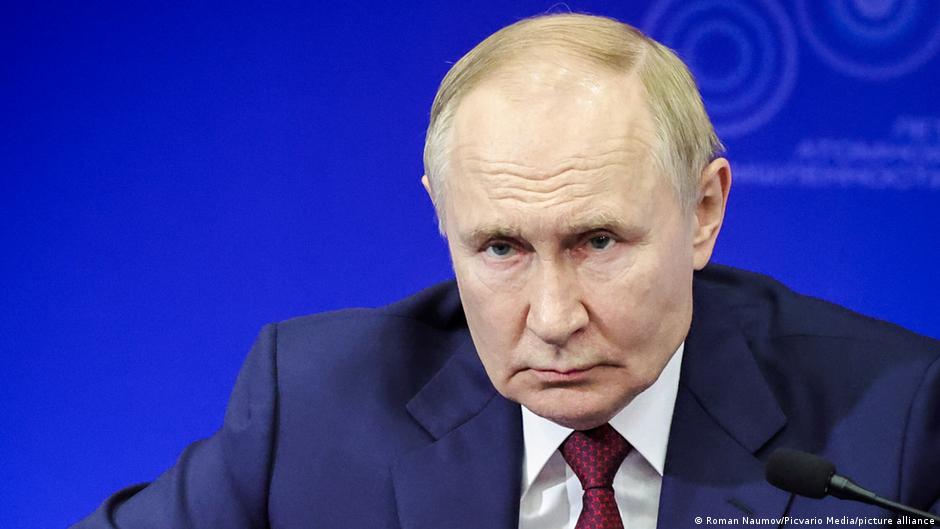
Putin’s Valdai speech sharpened nuclear rhetoric and war claims, adding to Europe’s long-term economic and security risk premium.
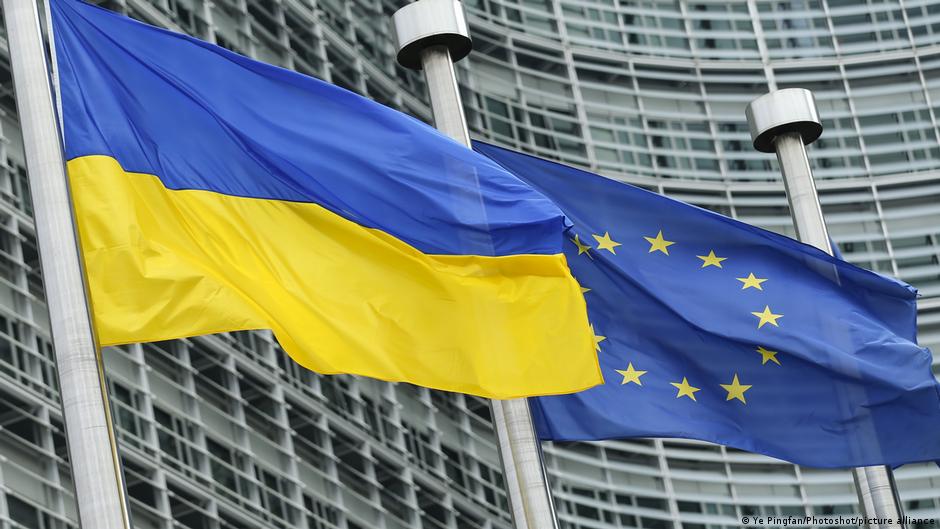
The EU declined to accelerate part of a €90 billion Ukraine loan, arguing that early disbursement would shift the war-financing gap into 2027.
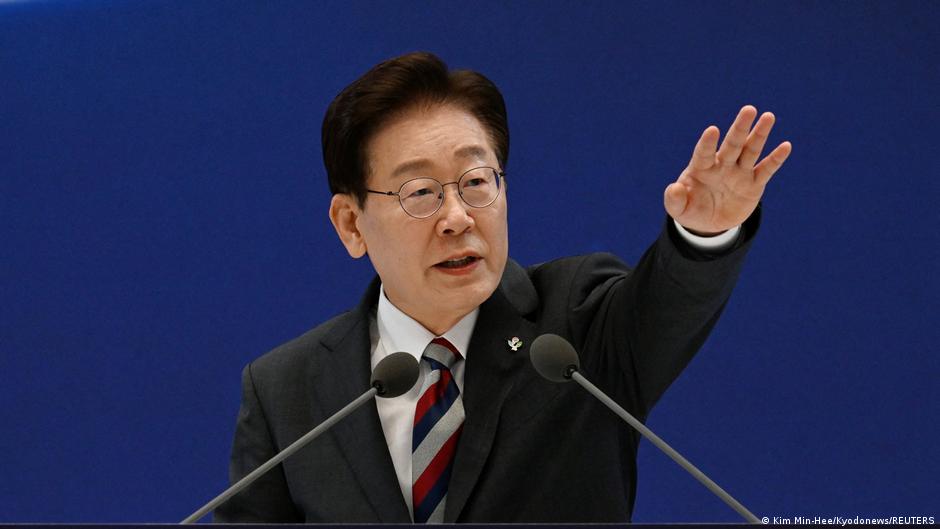
Seoul’s warning to Kyiv over disclosed North Korean prisoners raises questions about trust, defense cooperation and postwar economic ties.
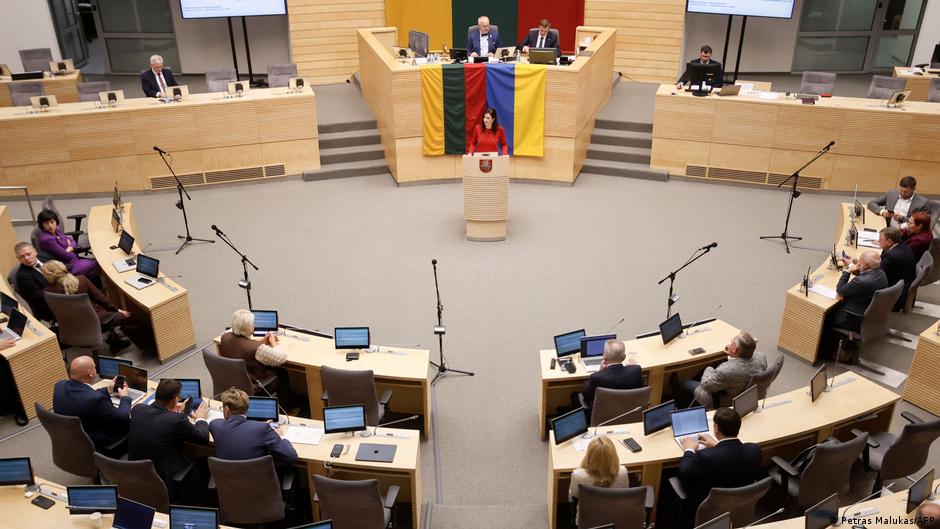
Lithuania’s proposed property restrictions would bar Russian and Belarusian citizens from buying real estate near strategic sites.
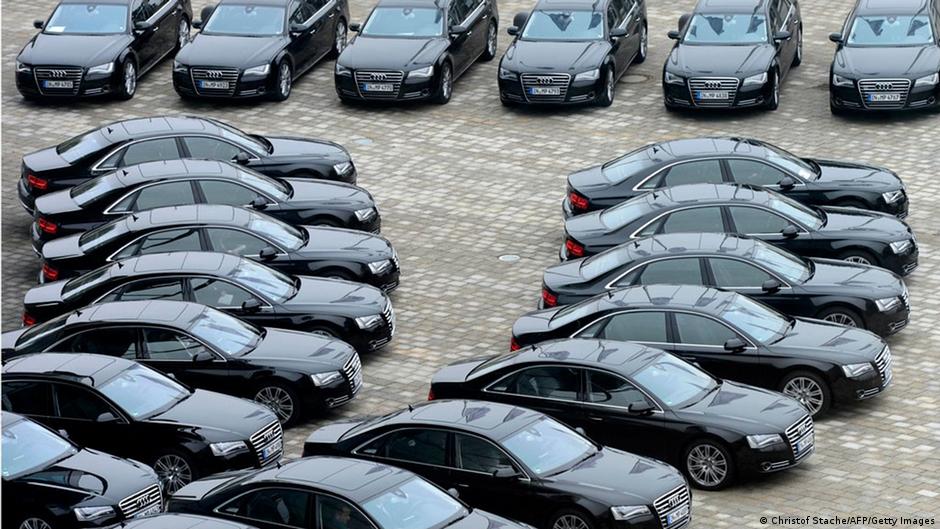
German and Austrian authorities searched two businessmen suspected of sending cars and trucks to Russia through third countries despite EU sanctions.
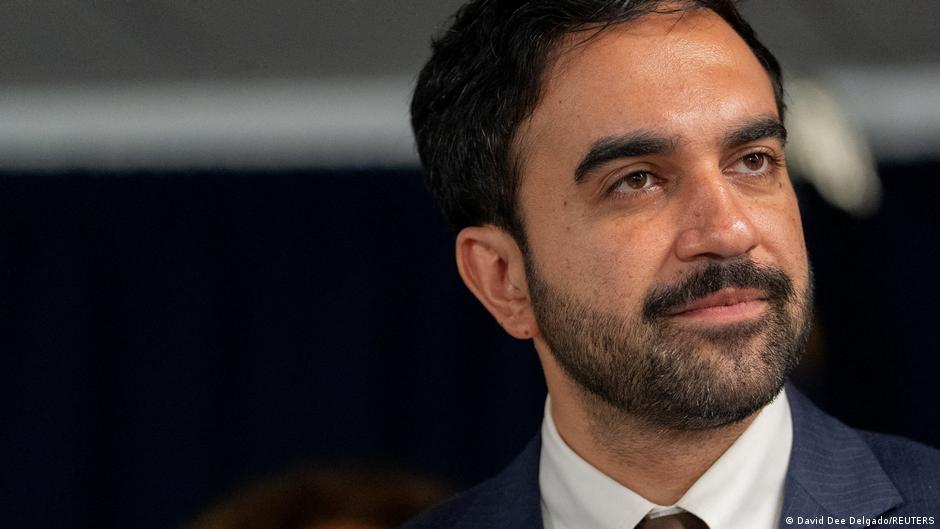
New York Mayor Zohran Mamdani raised hate-crime funding to $29 million in a broad plan targeting antisemitism and Jewish institutional security.
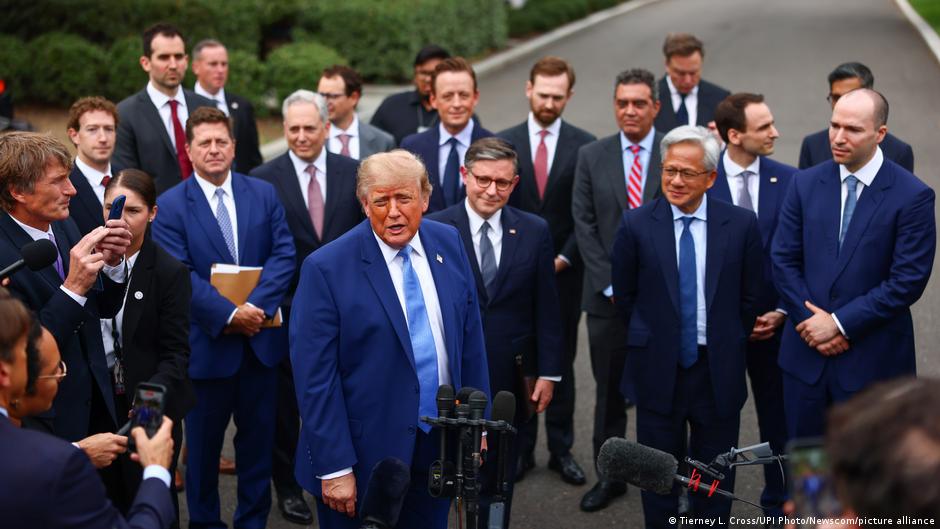
Trump’s AI pact relies on voluntary company oversight, raising questions about safety, competition and America’s race with China.
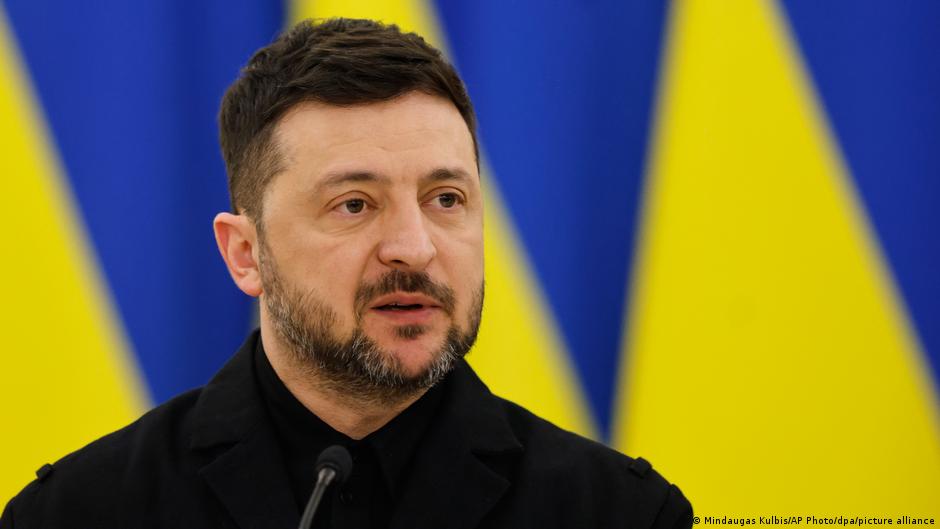
Zelensky says North Korea may send 10,000 more troops to Russia, deepening concerns over wartime manpower, sanctions and security trade.
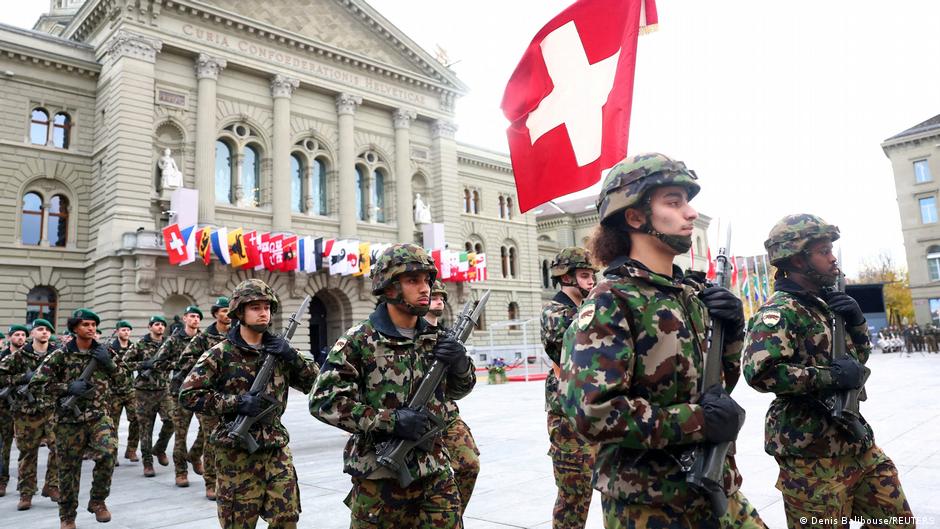
Swiss voters rejected a neutrality initiative that would have restricted sanctions policy and limited cooperation with military alliances.
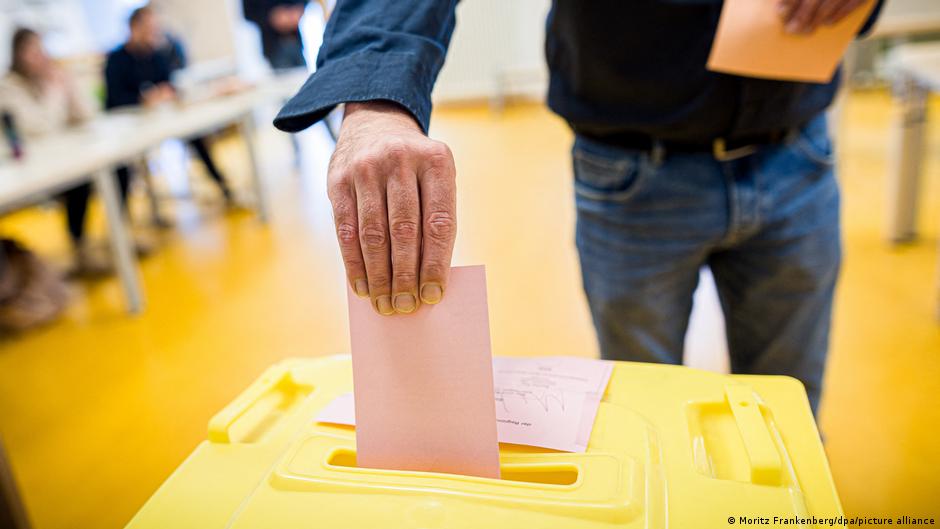
Lower Saxony’s runoffs strengthened Green urban leadership and showed the AfD’s difficulty converting first-round support into executive power.
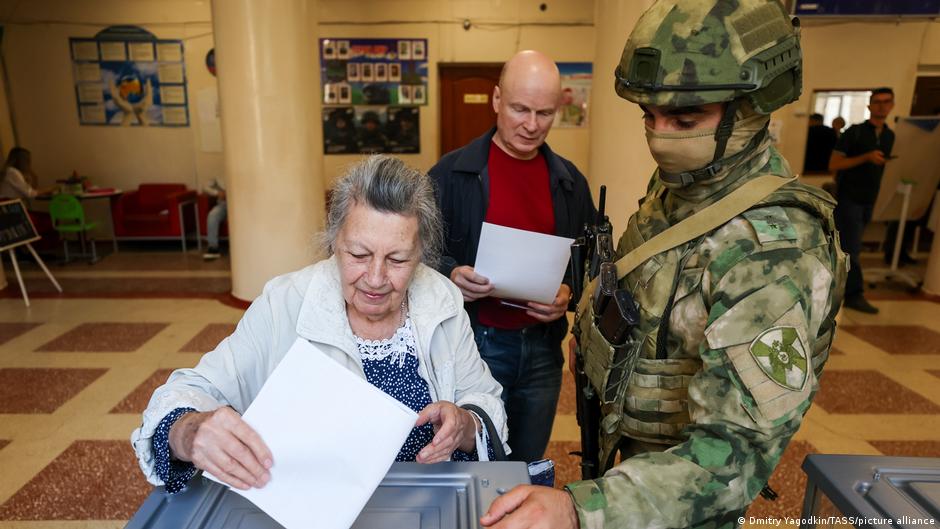
Kyiv sanctioned 44 people tied to Russia’s Duma vote in occupied Ukrainian regions, targeting Moscow’s effort to normalize control.
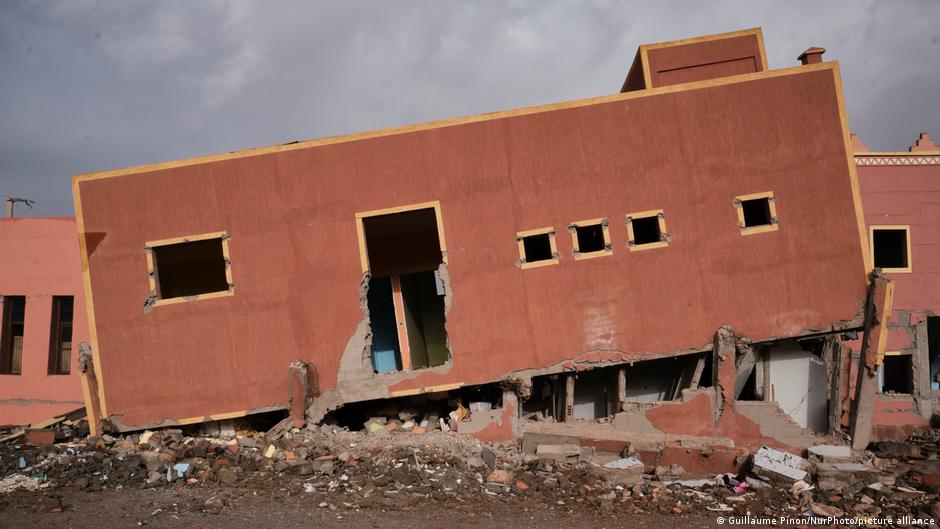
The EU will add €710 million in humanitarian aid, with major allocations for Africa, migration pressures, Ukraine and crisis response.
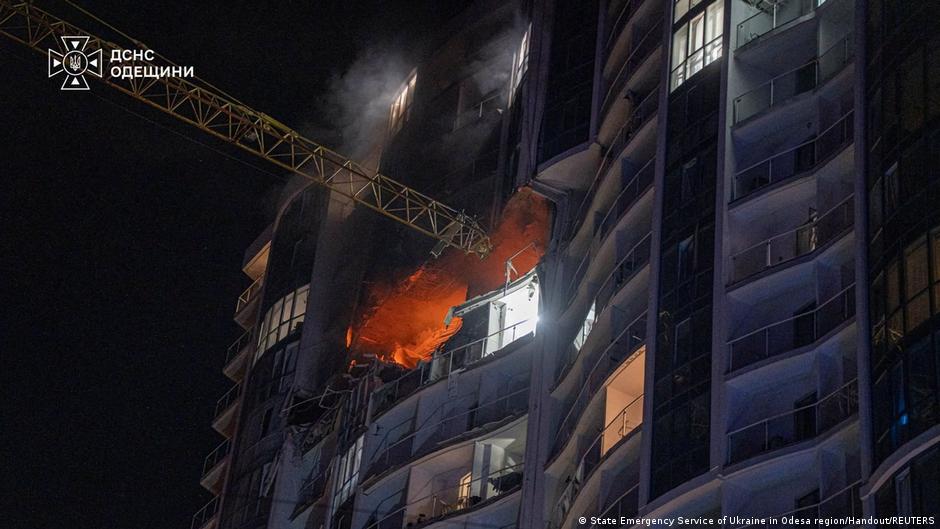
Russian drone strikes killed at least three civilians in Zaporizhzhia and hit port infrastructure in Odesa, deepening Ukraine’s wartime economic strain.
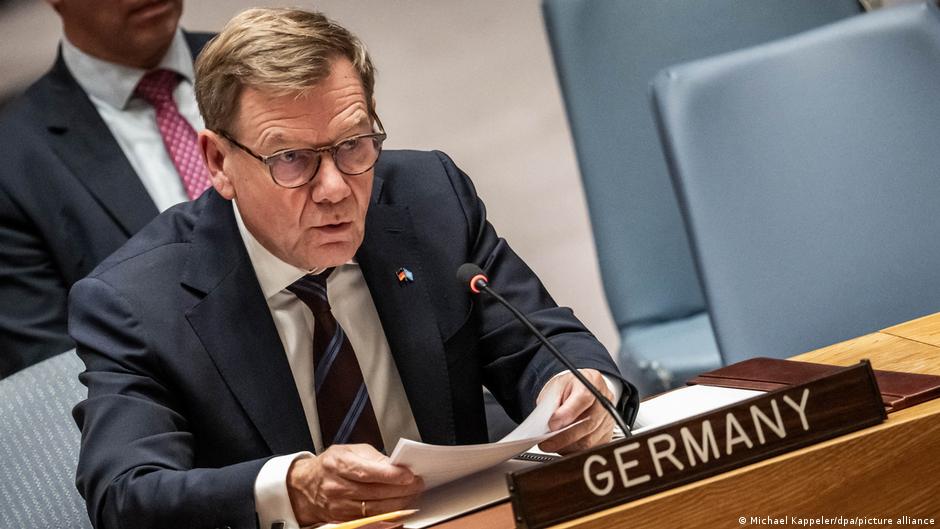
Germany says Putin’s possible G20 attendance should be judged by whether Russia first signals seriousness on Ukraine through a ceasefire.
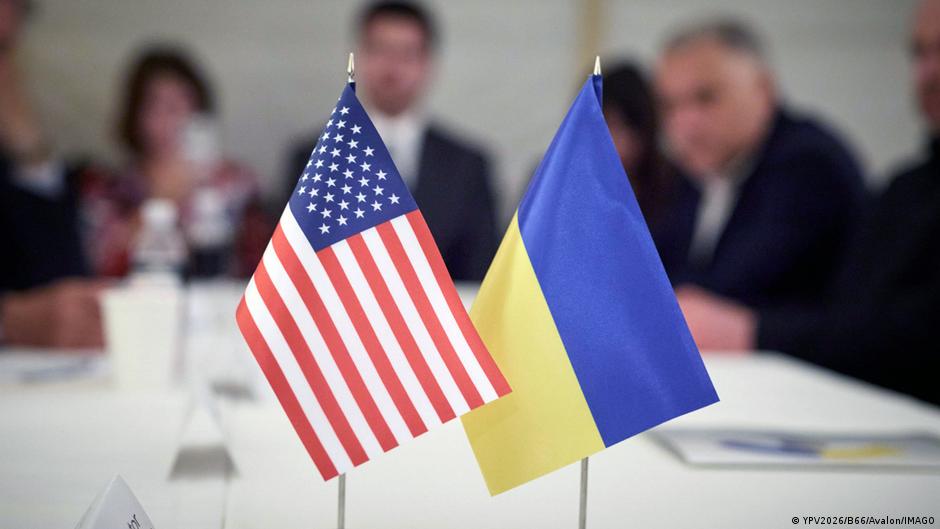
Kyiv denied a report that Trump proposed Zelensky travel to Moscow, as energy prices and venue disputes shape Ukraine diplomacy.
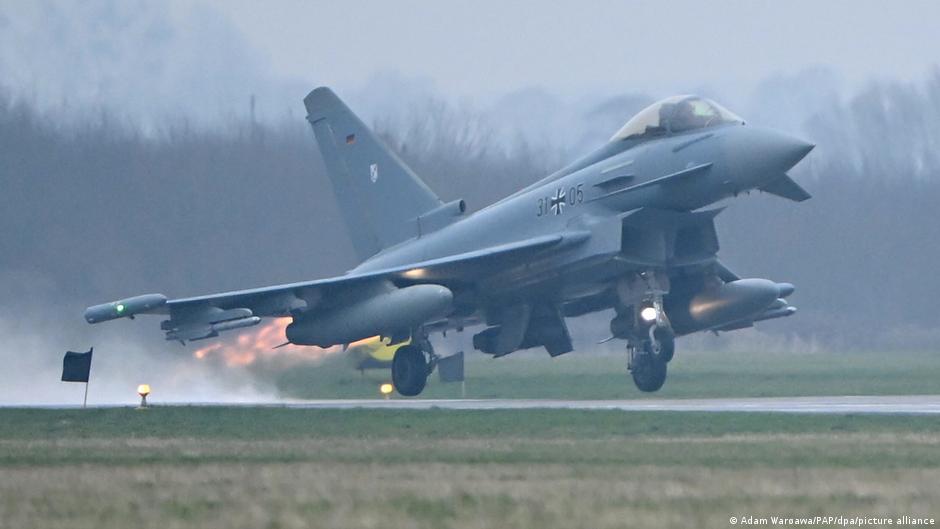
Germany’s Eurofighter deployment to Latvia shows how NATO air defense, election security and the economics of deterrence now overlap in the Baltics.
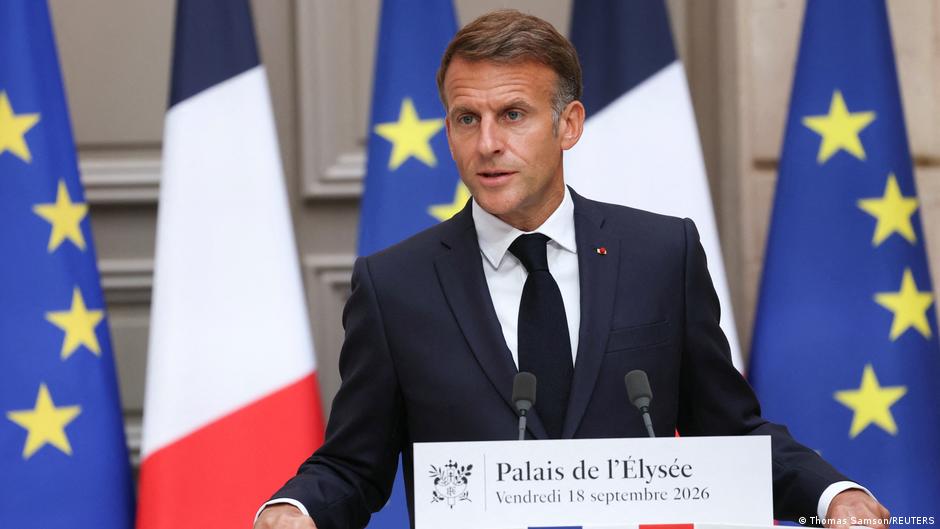
Macron says France sees a Russian mobilization of about 300,000 as credible and warns Europe may face wider hybrid attacks.
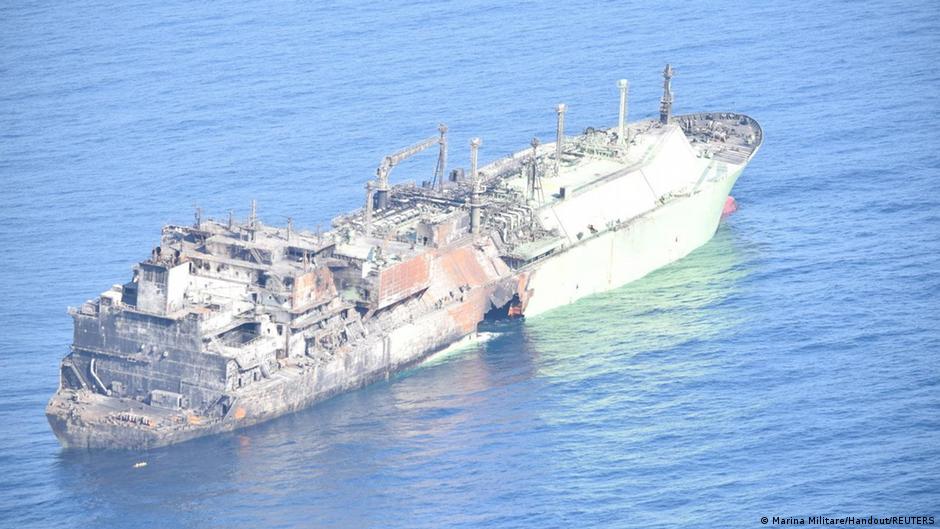
Russia’s ship registry grew 36% as sanctions pressure pushed shadow-fleet vessels toward Russian registration, CREA says.
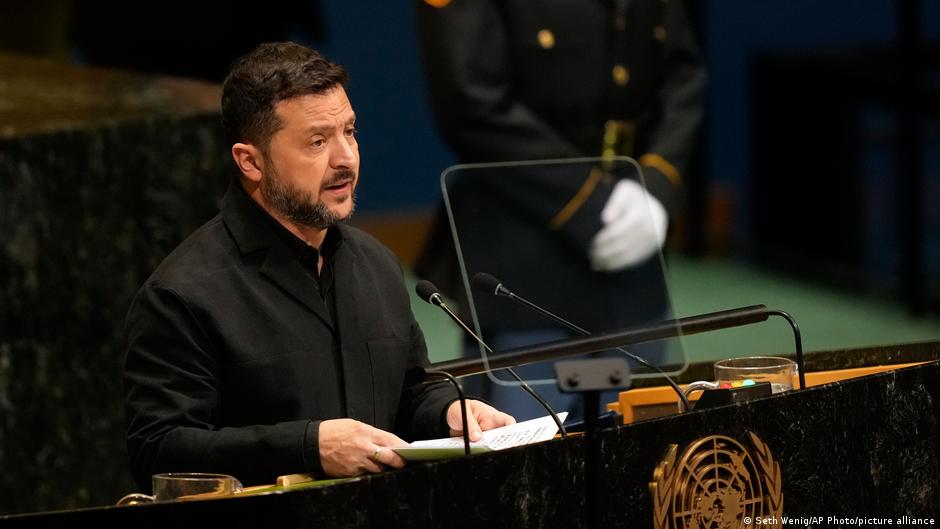
Zelenskyy told the UN that Putin is spreading the idea of war globally and said Ukraine aims to weaken Russia’s ability to finance the conflict.
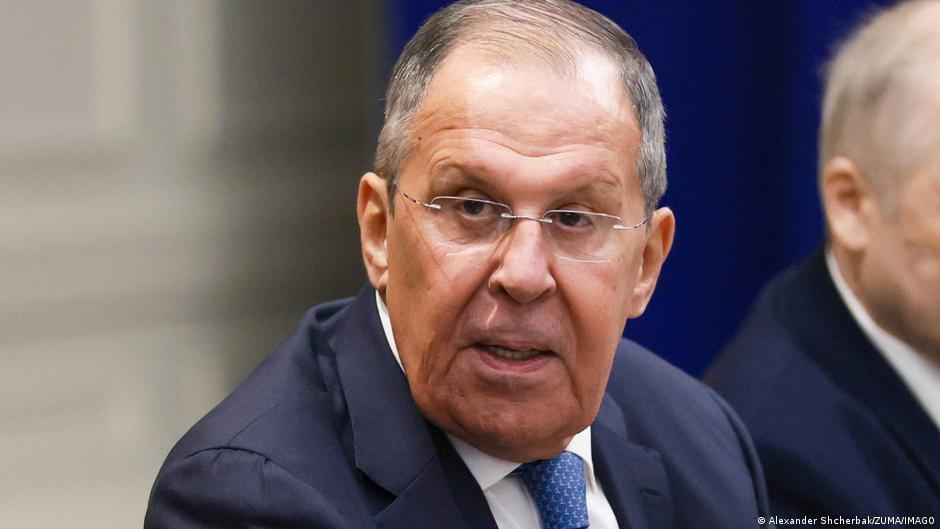
Lavrov said Russia will not pause operations for Ukraine talks, framing diplomacy as part of a wider contest over time, arsenals and leverage.
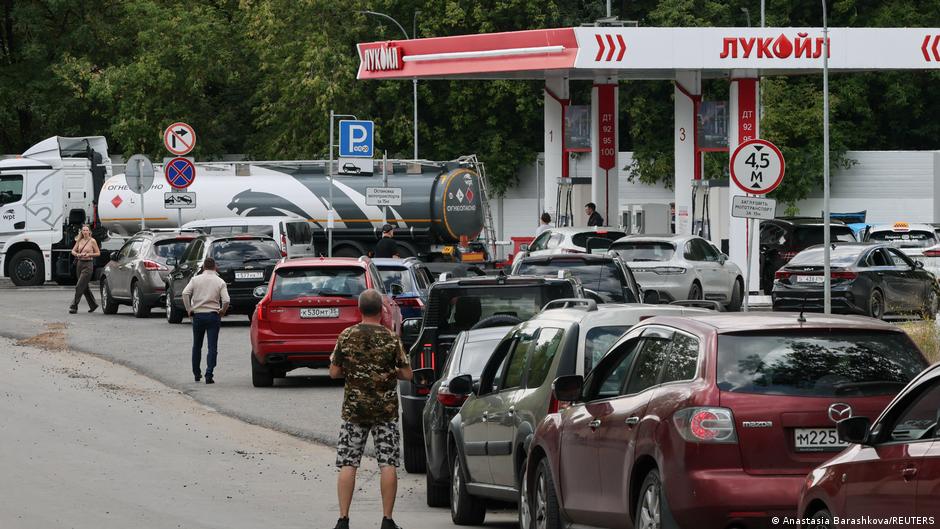
Kaluga and Zabaikalsky Krai have restored gasoline limits as refinery strikes deepen Russia’s second wave of fuel shortages.
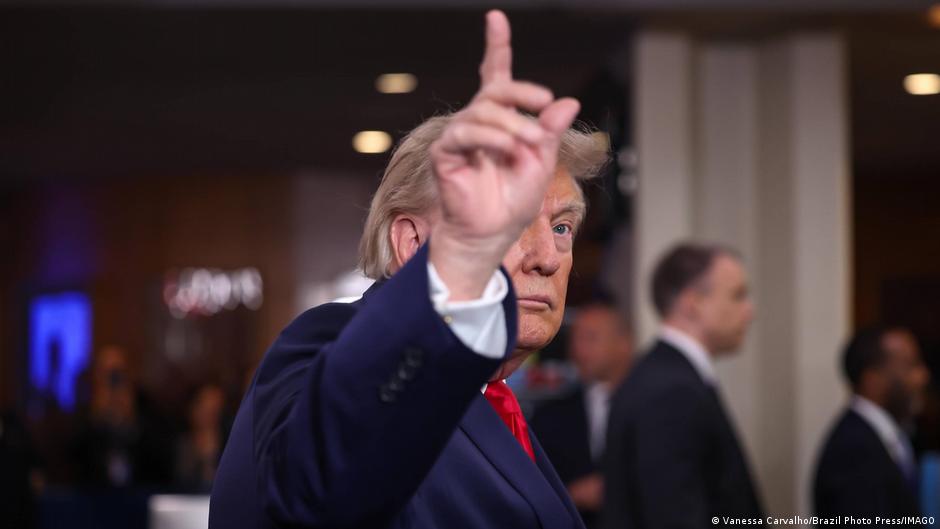
U.S. and Iranian officials held mediated talks in New York as threats, sanctions and Hormuz shipping risks framed the economic stakes.
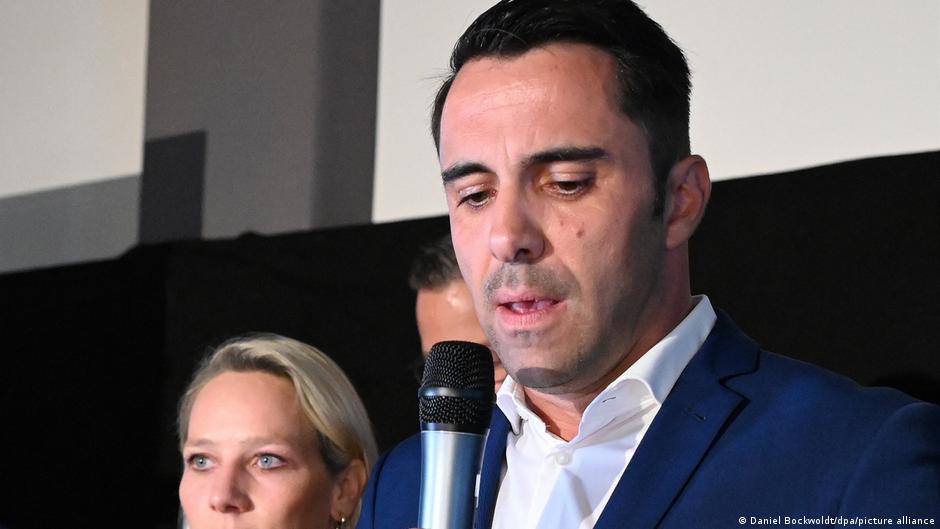
Daniel Peters resigned after the CDU won just 4.9% in Mecklenburg-Western Pomerania, missing a state parliament for the first time.
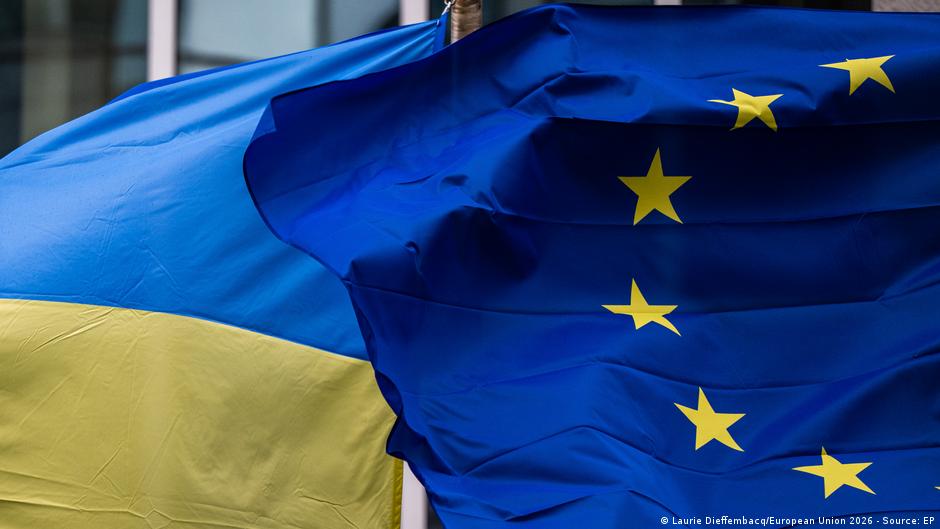
Kaja Kallas urged EU envoys to renew Russia sanctions as member states debated whether to delist Alisher Usmanov and Mikhail Fridman.

The Left Party’s Berlin victory puts housing expropriation, coalition arithmetic and fiscal risks at the center of the city’s next government.
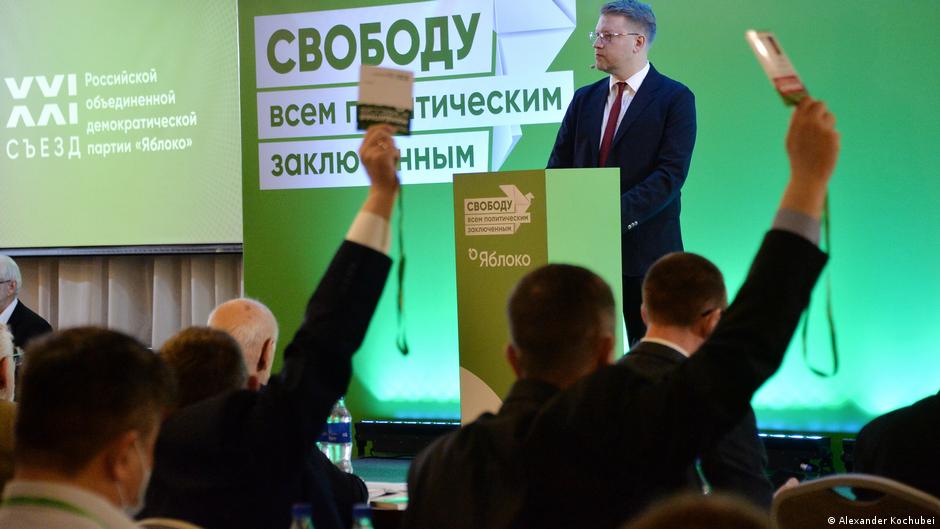
Yabloko’s projected Novgorod seat may preserve its ballot access for future State Duma races after federal exclusions and campaign restrictions.
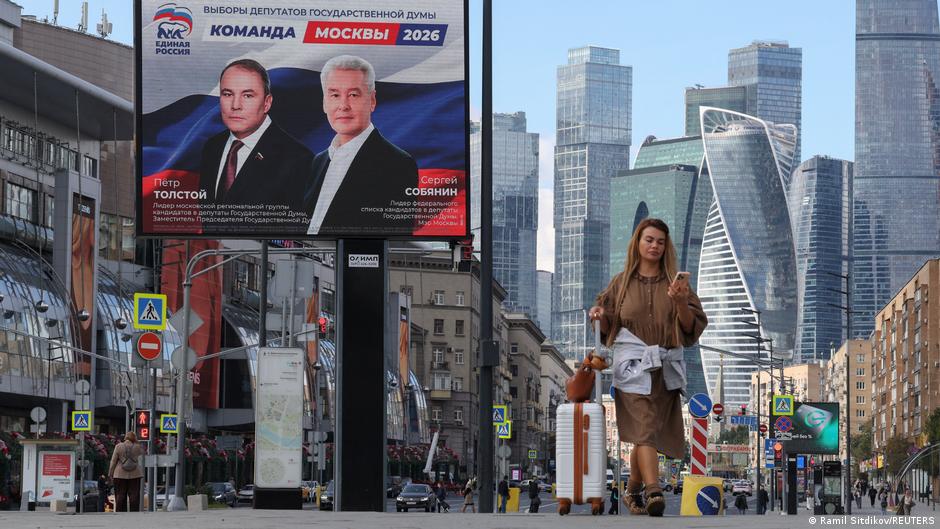
Partial results put United Russia on track for a State Duma constitutional majority, reinforcing Russia’s centralized wartime economic model.
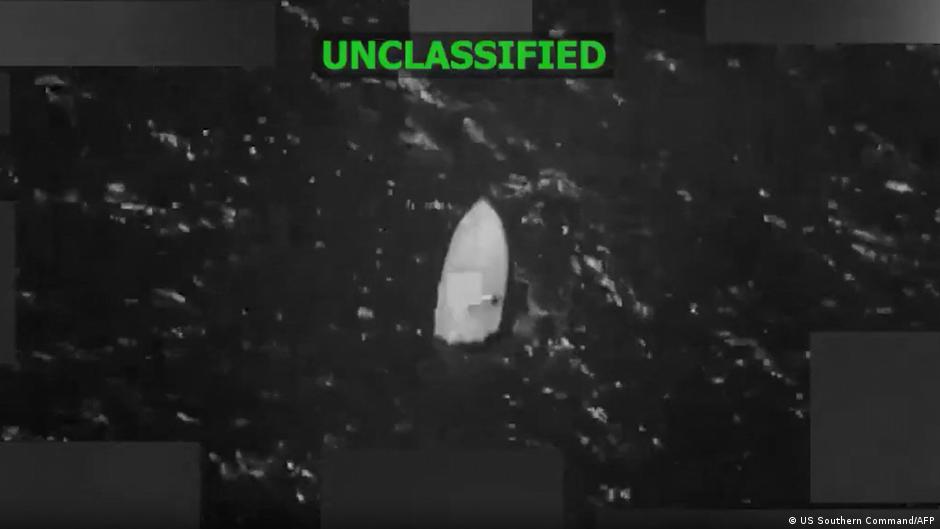
A new U.S. strike in the Caribbean killed four alleged drug traffickers, deepening legal concerns and economic risks around a yearlong campaign.
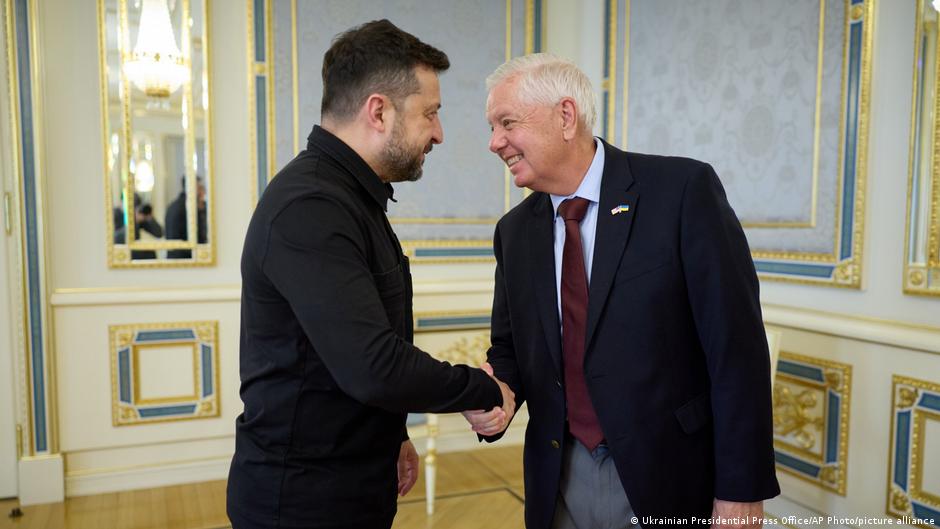
Trump signed the Graham sanctions law, giving him broad authority to target Russian energy buyers, banks, officials and sanctions evasion networks.
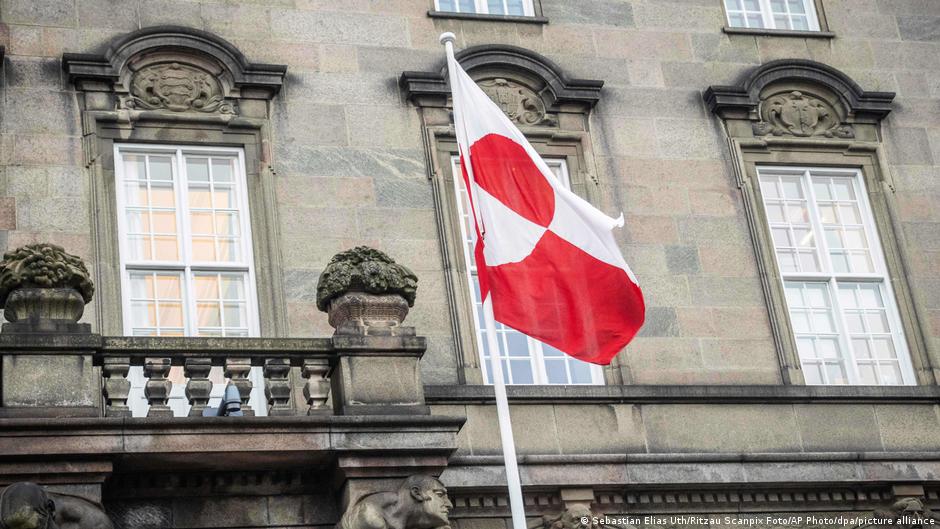
The Greenland arrangement could reshape Arctic security, investment screening and resource access while leaving key legal details unresolved.
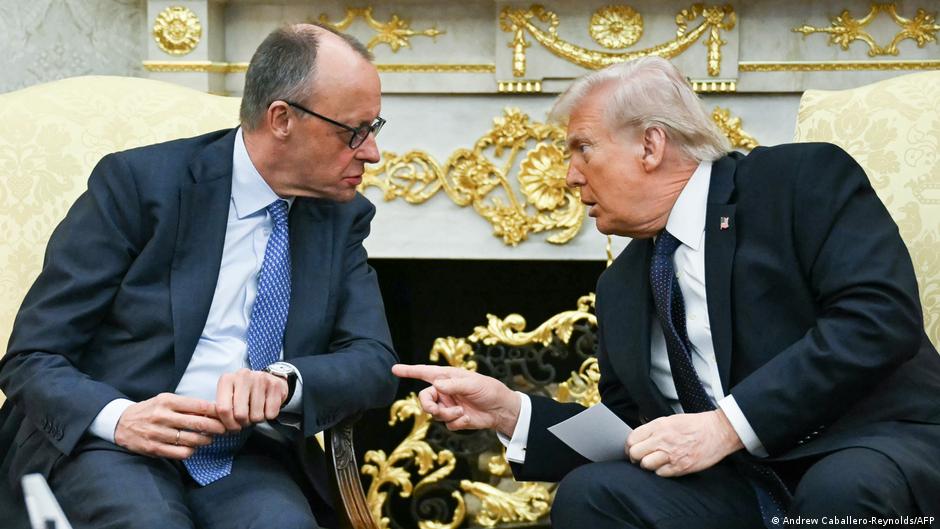
Merz says unconditional transatlantic friendship is over, framing U.S. tensions as a test of Germany’s security and economic model.
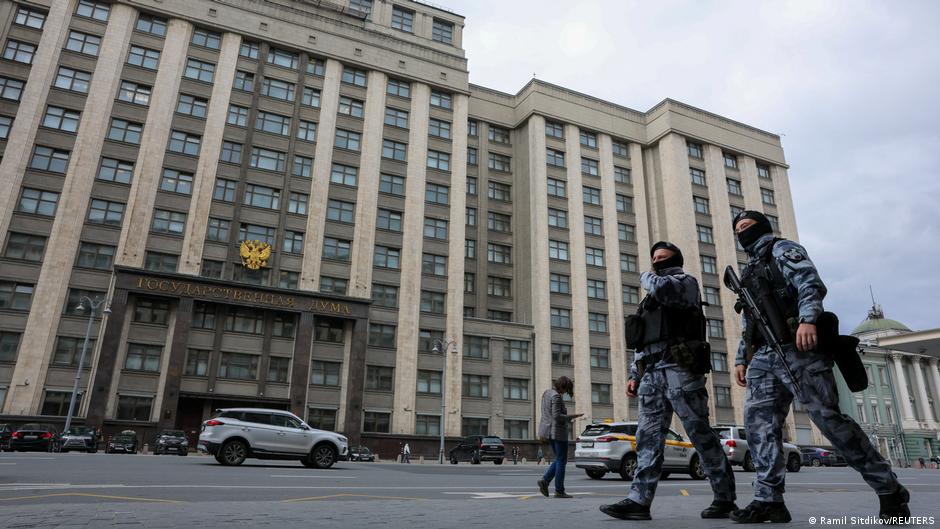
Russia began a three-day State Duma vote that includes occupied Ukrainian territories and excludes anti-war parties from the party-list race.
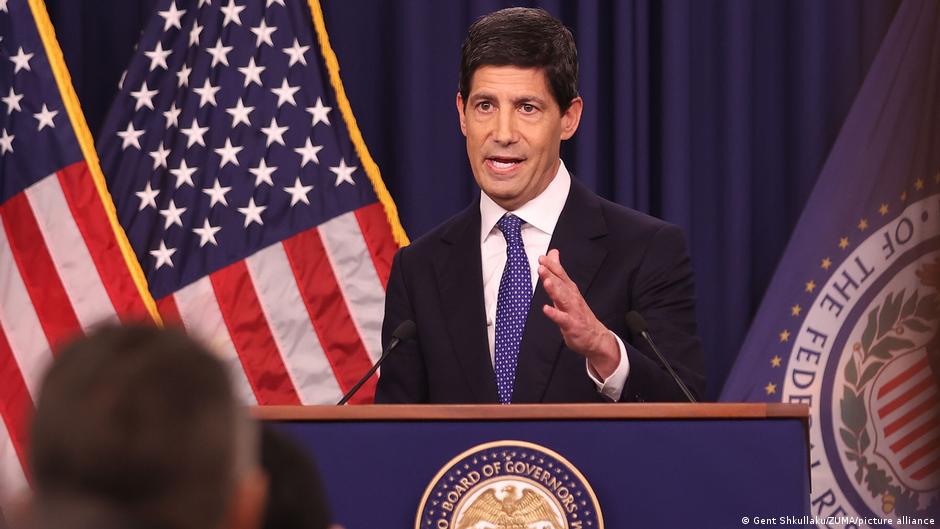
The Fed lifted rates to 3.75-4 percent, citing persistent inflation and reviving tensions between price stability, credit costs and politics.
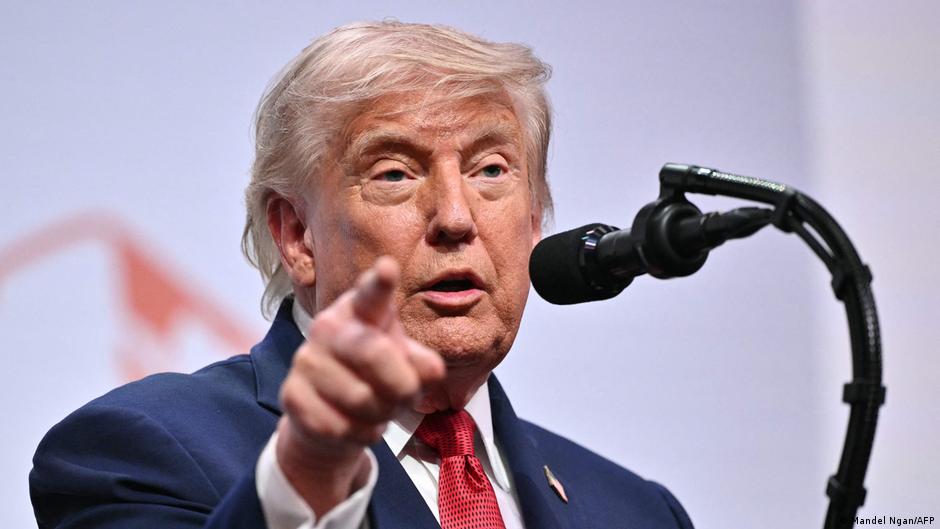
Trump warned the EU of steep tariffs or a trade halt if its proposed associate partnership with Canada is deemed hostile to Washington.
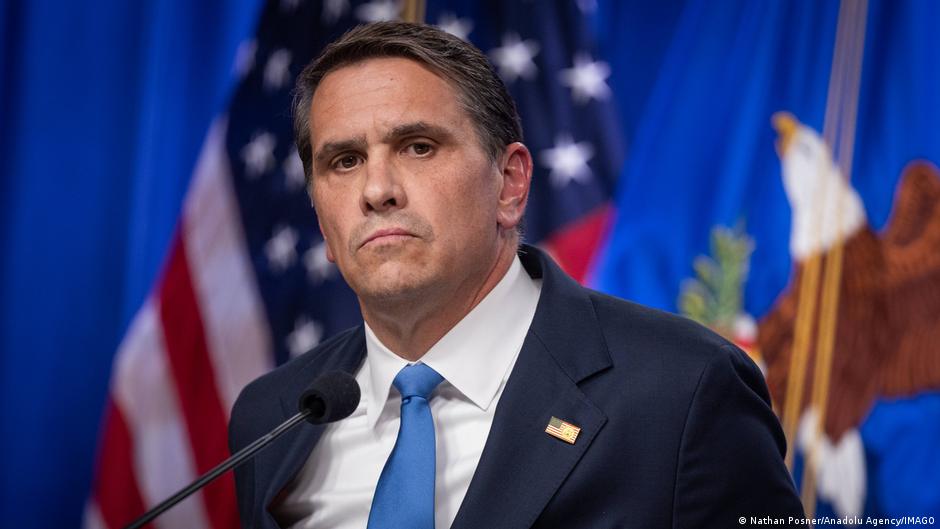
U.S. prosecutors allege RIS Network financed attacks on Ukraine's allies and plotted killings of Russian dissidents abroad.
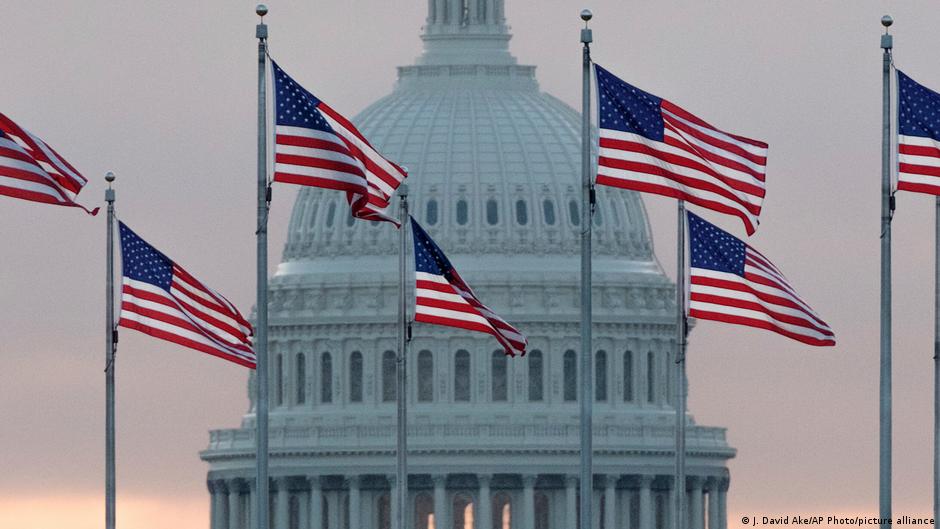
The House advanced a bill allowing Trump to impose 100% tariffs on major buyers of Russian energy, setting up a full vote this week.
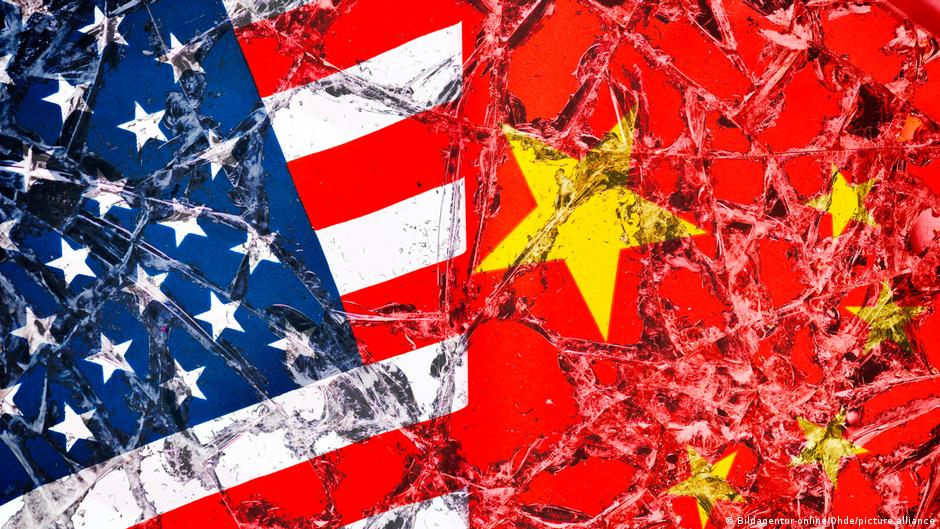
China warned the US against preparing for space warfare after Washington confirmed orbital military systems for offensive and defensive use.
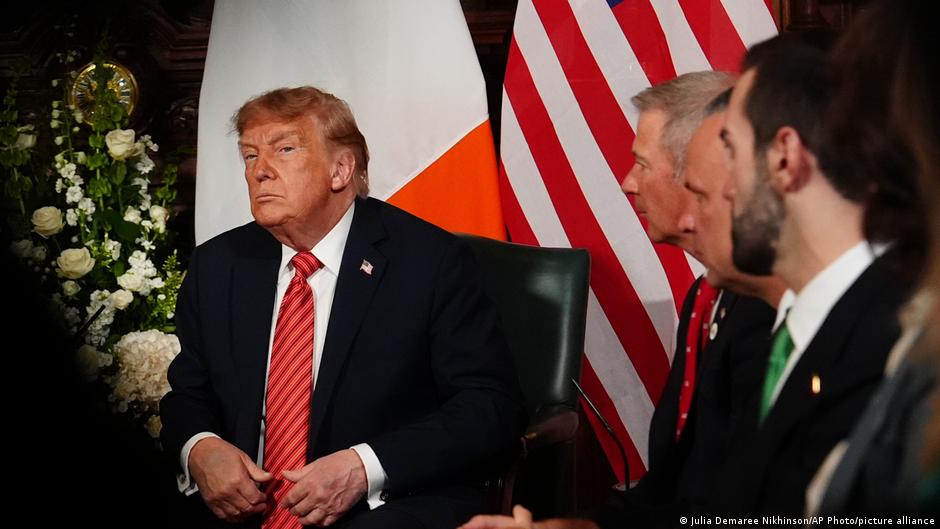
Trump said the United States will remove a 10 percent tariff on Irish whiskey, a move welcomed by Ireland’s whiskey industry.
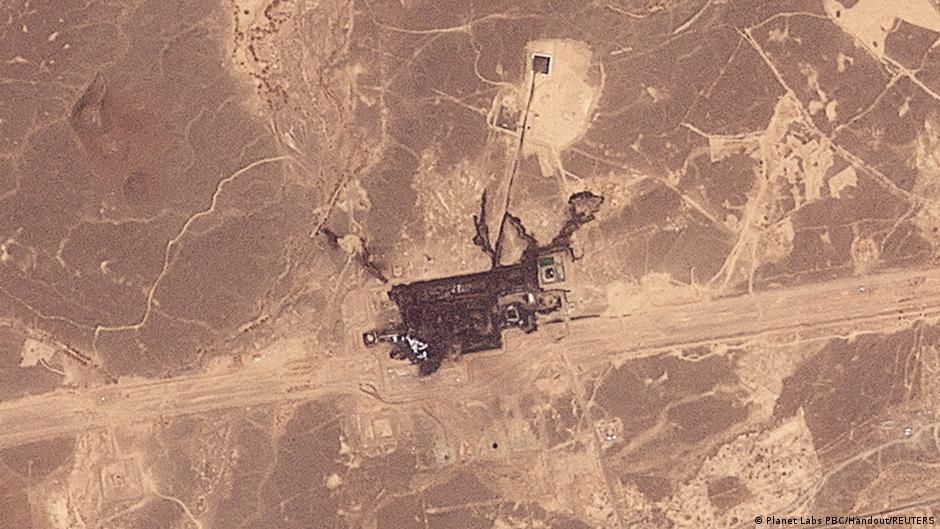
A prolonged halt on Saudi Arabia’s East-West pipeline could cut global oil supply by 4%, exposing the fragility of export routes.