G20 Invitation Tests Putin’s Readiness for Ukraine Talks, Wadephul Says
Germany’s foreign minister said any serious Russian move toward negotiations would first have to be signaled by a ceasefire in Ukraine.
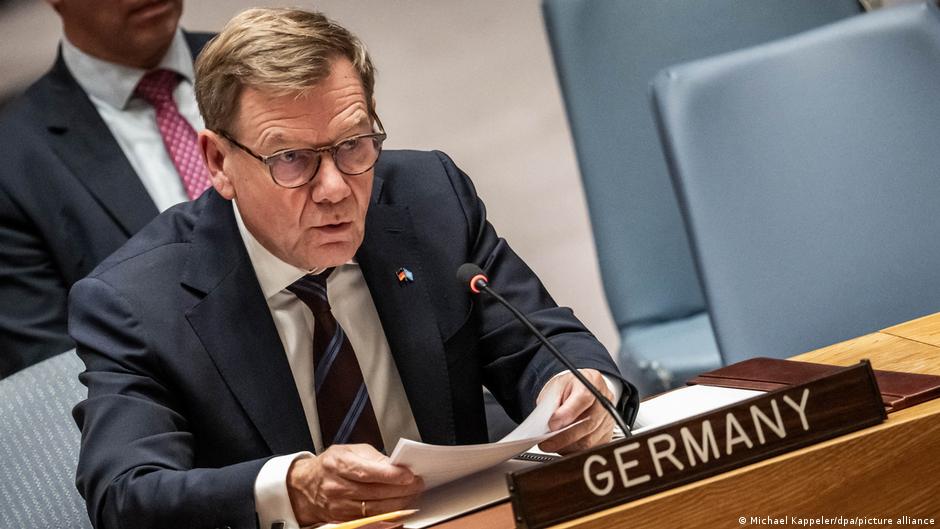
A possible appearance by Russian President Vladimir Putin at the December G20 summit in Miami has become more than a protocol question. For Germany and other Western backers of Ukraine, it is being framed as a test of whether the Kremlin is prepared to move from battlefield pressure to substantive negotiations.
German Foreign Minister Johann Wadephul said on Friday, September 25, during a meeting in Ottawa with his Canadian counterpart Anita Anand, that the U.S. invitation to the summit would serve as a “litmus test” for Putin. The issue, he argued, is not simply whether the Russian leader attends, but whether Moscow demonstrates seriousness about ending the war in Ukraine.
Wadephul said Germany and other Western allies of Kyiv had repeatedly called on the Russian authorities, and Putin personally, to come to the negotiating table. In his view, the clearest sign of readiness for meaningful talks would be a ceasefire in Ukraine.
“Russia must negotiate — the sooner, the better,” Wadephul said.
The statement places the G20 invitation within a wider diplomatic and economic calculation. A ceasefire would not only alter the immediate military trajectory of the war; it would also affect sanctions policy, energy-market expectations, defense spending assumptions and the long-term investment environment across Europe. For Western governments, the question is whether engagement at a global economic forum can create leverage, or whether it risks giving Moscow political normalization without measurable concessions.
Diplomacy, sanctions and the cost of normalization
Asked whether the G20 summit should be boycotted if Putin continues military operations, Wadephul stressed that Russia’s participation remains “very hypothetical.” He urged observers to wait for developments over the coming weeks before drawing conclusions.
Anand also said Putin’s potential participation would not be a reason to boycott the summit. Her position underlined a familiar tension in wartime diplomacy: the desire to maintain pressure on Russia while keeping channels open for difficult conversations among major powers.
“Diplomacy means that we must remain at the negotiating table and have difficult conversations,” Anand said.
That argument reflects the G20’s unusual role. Unlike a security alliance, it is a forum built around economic coordination among major advanced and emerging economies. Excluding one of the world’s largest commodity producers may satisfy the logic of isolation, but it can complicate conversations on food prices, energy flows, debt stress and global financial stability. Including Russia, however, carries its own cost: it may signal that military aggression does not prevent access to elite economic diplomacy.
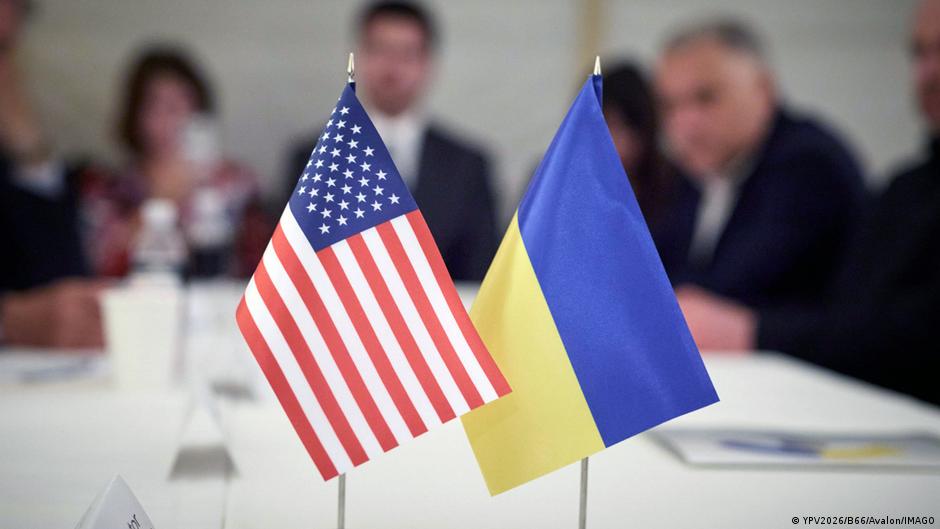
U.S. Secretary of State Marco Rubio previously said the Kremlin leader had been invited to the G20 summit, which is scheduled to take place in December in Miami. Rubio said the visit would give Putin an opportunity to hold talks with U.S. President Donald Trump and other heads of state and government. The Kremlin has not yet decided how to respond to the invitation.
The economic stakes are embedded in that uncertainty. Since Russia’s full-scale war against Ukraine, Western policy has relied on a combination of military assistance to Kyiv, financial restrictions, export controls and political isolation of Moscow. These measures are designed to raise the cost of aggression while limiting Russia’s access to capital, technology and diplomatic legitimacy. A high-profile summit appearance in the United States would therefore test the coherence of that strategy.
A historical pattern of summit diplomacy
Major summits have often been used to probe whether adversaries are ready to shift course. During the Cold War, leaders used international meetings to signal intent, manage escalation and test the boundaries of compromise. But such diplomacy typically depended on verifiable movement, not simply attendance. Wadephul’s ceasefire condition follows that logic: presence at the table is valuable only if it corresponds to a change in conduct.
The debate also echoes earlier disputes over whether economic forums should remain insulated from security crises. The G20 was designed to manage systemic economic risks, especially after financial shocks. Yet in practice, large wars reshape the agenda. The war in Ukraine has already influenced inflation, grain exports, energy security, defense budgets and fiscal priorities across Europe and beyond. It has forced governments to weigh immediate security costs against longer-term pressures on public finances and growth.
For Germany, the consequences are especially structural. The war accelerated the end of a long period in which German industry benefited from relatively cheap Russian energy and deep trade links with the East. Berlin’s position toward Russia is now shaped not only by security commitments to Ukraine, but also by the recognition that Europe’s economic model must adapt to a more fragmented geopolitical environment.
That is why Wadephul’s comments matter beyond diplomatic choreography. If Moscow agreed to a ceasefire, it could open the possibility of talks that might reduce uncertainty for European businesses, energy planners and governments managing war-related spending. If Putin attends without such a signal, Western governments would face criticism that the summit has softened Russia’s isolation without extracting any meaningful change.
According to The Washington Post, a bipartisan group of 14 U.S. senators has urged Trump to withdraw the invitation. In their appeal to the White House, Republican and Democratic senators said Putin bears sole responsibility for Russia’s launch of a full-scale aggressive war against Ukraine. They warned that allowing him to participate in a G20 summit in the United States raises serious concerns about legitimizing and normalizing authorities that continue daily strikes on civilian targets in Ukraine.
The senators also noted that Putin and other members of the Russian delegation are under U.S. sanctions for actions Washington considers a threat to national security. They argued that if Putin is not isolated from the international community, he will have less incentive to end the war in Ukraine.
The emerging dispute leaves the United States and its allies with a strategic dilemma. Engagement could create a venue for pressure and possible negotiation. But participation without a ceasefire could weaken the economic and diplomatic architecture built to constrain Russia since the invasion. Wadephul’s formulation seeks to resolve that dilemma by making the test concrete: not whether Putin enters the room, but whether Russia stops firing before asking to be treated as a normal participant in global economic governance.