Germany Allocates Additional €300 Million to Czech-led Ammunition Supply Initiative for Ukraine
Berlin commits further funds to support Ukraine’s military effort through Czech-led procurement, highlighting shifting European defense dynamics.
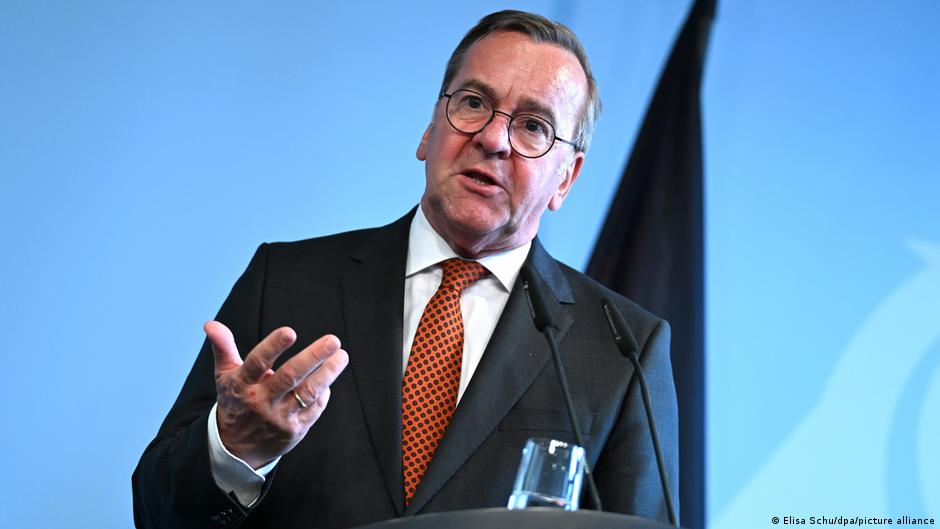
Germany announced an additional financial commitment of €300 million to support a Czech-led initiative focused on procuring ammunition for the Ukrainian Armed Forces. The new funds are expected to cover approximately 50,000 rounds of ammunition, marking a significant reinforcement in military aid amid ongoing conflict tensions.
Context and Structural Implications of Germany’s Support
The German Defence Minister, Boris Pistorius, revealed the allocation following talks with his Czech counterpart, Jaromír Zuna, in Berlin on June 9, 2026. This funding supplements a broader €1 billion commitment by Germany to the Czech initiative for 2025, establishing Germany as the largest donor in this multinational effort.
The Czech ammunition procurement initiative, launched in February 2024 under former Prime Minister Petr Fiala, represents a multilateral approach by European allies to streamline ammunition supplies to Ukraine by purchasing from third countries. Despite political shifts in Prague, including the December 2025 arrival of a new government under Prime Minister Andrej Babiš, the initiative was preserved on condition that the Czech Republic would not contribute financially, thus positioning Germany and other donors as primary backers.
By the end of May 2026, Czech Defence Ministry reports indicated contracts for supplying about one million rounds of ammunition to Ukraine by late 2026, of which nearly 500,000 had already been delivered earlier this year. The continuation and expansion of this effort underscore sustained European support despite growing logistical and political challenges.
"These funds should suffice to procure around 50,000 units of ammunition for Kyiv," emphasized German Defence Minister Boris Pistorius, highlighting Germany's pivotal role.
Economic and Geopolitical Dimensions
The evolution of this initiative must be analyzed within the broader economic and strategic frameworks influencing European defense policies. Germany’s substantial financial backing reflects a shift towards more integrated and collective procurement mechanisms, reducing dependence on bilateral aid and enhancing operational efficiency.
However, this model also exposes structural vulnerabilities. The reduction of countries financially supporting the initiative—from 18 in 2025 to only nine in 2026, as noted by Czech President Petr Pavel—illustrates challenges in sustaining multinational defense cooperation amid divergent national interests and fiscal constraints.
This contraction signals a potential strain on the collective capacity to maintain consistent supply chains and could necessitate increased fiscal commitments from leading donors or a strategic reassessment at upcoming forums such as the NATO summit scheduled for July in Ankara.
Furthermore, the Czech decision to exclude domestic financial input while hosting the initiative highlights complex intergovernmental negotiations balancing political will, economic capacity, and alliance responsibilities. Germany’s role as the principal financier positions it centrally within European security architecture, with long-term implications for defense industrial policies and budget allocations.
Historical Parallels and Future Outlook
Historically, collective defense funding initiatives have faced similar cycles of enthusiasm followed by fiscal tightening. The current ammunition procurement effort echoes the dynamics of Cold War-era collaborative military support schemes, where leading powers assumed disproportionate burdens to sustain allied capabilities.
Looking ahead, the sustainability of such multinational procurement programs will depend on balancing political cohesion with economic realities. The forthcoming NATO summit offers a critical juncture for member states to reaffirm commitments, explore innovative financing mechanisms, and potentially integrate ammunition procurement into broader defense industrial strategies.
In sum, Germany’s additional €300 million investment not only enhances Ukraine’s immediate military capabilities but also reinforces evolving European defense cooperation patterns, with significant economic and geopolitical consequences.