Germany Restricts Military Museum Access for Uzbek Citizens Amid Security Concerns
The Koblenz Bundeswehr Military Museum limits entry for citizens from Uzbekistan and several Central Asian countries due to tightened security regulations.
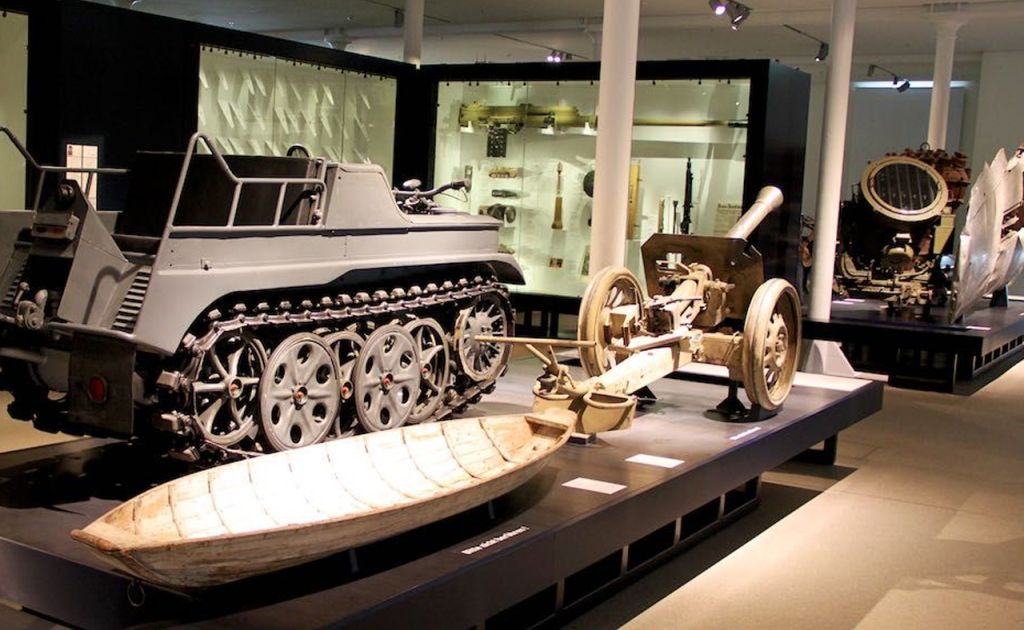
Security-Driven Access Limitations in a Major Military Museum
Germany's Bundeswehr Military Museum in Koblenz, known for its extensive collection of military technology spanning from World War I to present-day equipment, has imposed entry restrictions on citizens from Uzbekistan and other Central Asian nations. This measure, enacted in March 2025, aligns with Germany's national security laws and reflects broader geopolitical sensitivities affecting cultural and historical institutions.
The museum, which houses rare artifacts including FT-17 tanks and the iconic Leopard 1 and Leopard 2 battle tanks, traditionally welcomes a diverse international audience. However, recent changes require visitors to present valid identification, and entrance is now denied to individuals from a specified list of countries. Alongside Uzbekistan, the restricted countries include Kazakhstan, Kyrgyzstan, Turkmenistan, Tajikistan, and several others such as Afghanistan, China, Iran, Pakistan, and Syria.
"These restrictions are based on the requirements of the German security legislation concerning reliability checks," stated museum officials, emphasizing the policy’s intent to safeguard national security.
This development raises important questions about the intersection of security policies and cultural exchange. The Bundeswehr Military Museum holds one of the world's largest military hardware collections, showcasing not only German military history but also NATO allies' prototypes and diverse artillery and armored vehicles. The restricted access could affect educational outreach and international cultural diplomacy efforts, especially for citizens of Central Asia who share historical ties with the region's military evolutions.
Contextualizing the Restrictions Within Geopolitical and Economic Frameworks
From an economic and geopolitical perspective, these restrictions symbolize how security considerations increasingly influence cultural institutions. Central Asia, a region with strategic importance due to its geographical position and natural resources, has been at the center of shifting alliances and security concerns, particularly in light of ongoing geopolitical tensions involving Russia, China, and Western powers.
The inclusion of Uzbekistan and its neighbors on the security-based exclusion list may reflect broader apprehensions about technology transfer, espionage, or other security risks perceived by German authorities. For Uzbekistan, a nation pursuing deeper integration into global markets and international institutions, such restrictions could have nuanced impacts on its soft power and cultural diplomacy efforts in Europe.
Moreover, the policy highlights the tension between Germany’s commitment to open cultural exchange and the imperatives of national security. While museums are essential for fostering historical understanding and international cooperation, they operate increasingly within a framework where security policies dictate access and interaction.
Economically, limiting access could have downstream effects on tourism and related cultural industries that benefit from international visitors. For the museum, with an entrance fee of 3 euros, the exclusion of entire national cohorts may influence visitor demographics and revenue streams. Over time, such measures could prompt reassessment of how cultural institutions balance security and inclusivity, particularly in an era marked by complex global challenges.
In historical terms, the Bundeswehr Military Museum preserves artifacts that narrate conflicts shaped by national boundaries and alliances. Today’s access restrictions may be seen as a contemporary manifestation of historical divides, where geopolitical considerations impact the movement of people and information, even in educational contexts.
Based on reporting by Deutsche Welle.