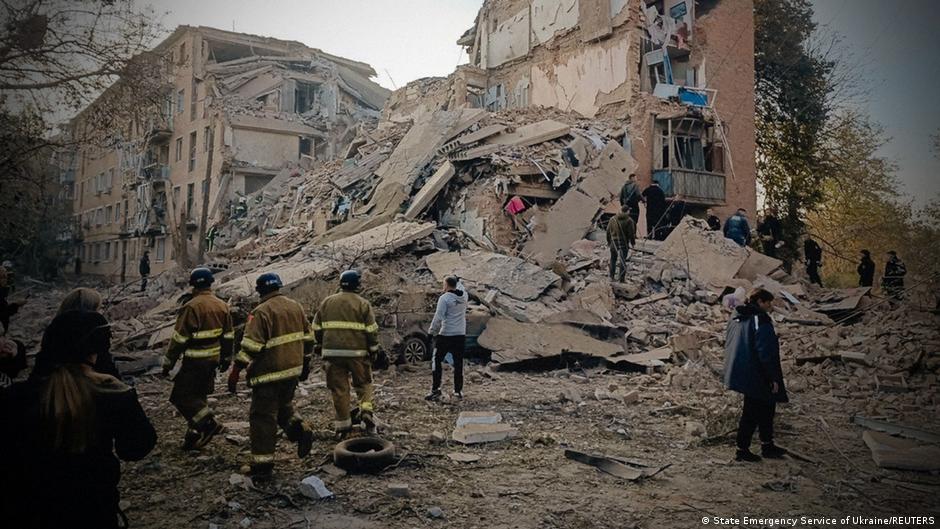
NATO Confirms Continued Delivery of US Air Defense Missiles to Ukraine Amid Ongoing Conflict
NATO reassures sustained arms support to Ukraine under PURL program, emphasizing strategic importance for regional security and alliance cohesion.
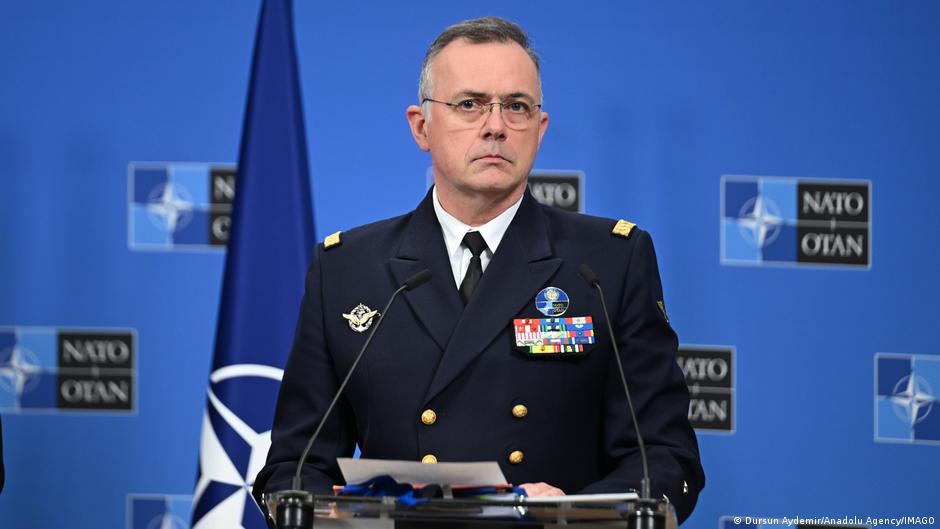
Amid the fifth year of conflict in Ukraine, NATO has confirmed the uninterrupted delivery of American-made air defense missiles and other critical weapons through the Priority Ukraine Requirements List (PURL) program. This initiative, jointly managed by the United States and NATO allies, ensures that Ukraine receives urgently needed military supplies funded by allied contributions.
Strategic Significance of the PURL Program
General Christopher G. Cavoli, Supreme Allied Commander Europe, emphasized in a recent press briefing held in Brussels that all weaponry funded through PURL continues to be delivered without disruption. "The intercept missiles for air defense systems that Ukrainians urgently require are included in these shipments," he stated, underscoring the program's pivotal role in sustaining Ukraine’s defensive capabilities.
This structured procurement mechanism pools financial resources from nations participating in PURL, facilitating rapid acquisition and deployment of American weaponry specifically tailored to counter battlefield needs that European alternatives cannot fulfill efficiently. The alliance’s approach reflects a strategic adaptation to modern warfare demands and the evolving threat environment posed by Russian and Iranian drone and missile tactics.
General Cavoli also highlighted the resilience and innovation demonstrated by Ukrainian forces, noting their continuous exchange of combat-tested experience, particularly in countering unmanned aerial systems and missile threats. This operational synergy between NATO’s logistical support and Ukrainian frontline adaptation exemplifies a dynamic defense partnership.
"Ukraine needs continuous and predictable support from its allies, which makes programs like PURL indispensable," General Cavoli asserted.
Broader Implications for European Security and Alliance Posture
Beyond aiding Ukraine’s immediate defense, NATO officials stress that these investments reinforce broader European security architecture. General Cavoli pointed out that Western support not only protects Ukraine’s population and critical infrastructure but also serves as a bulwark against destabilizing forces in the region.
Addressing questions regarding the US military presence in Europe, General Cavoli acknowledged President Joe Biden's announced plan to reduce American troops by 5,000. However, he assured that this troop adjustment does not undermine NATO’s regional defense commitments. Instead, increased capabilities from Baltic states, Poland, and other European allies, including enhanced multinational brigades in Latvia and Lithuania, compensate for the reallocation of US forces.
"Allies are building up their capabilities, allowing the United States to redirect resources towards other global priorities," Cavoli explained, signaling a strategic recalibration within NATO’s force posture that balances regional deterrence with global responsibilities.
Incident Analysis and NATO’s Defensive Readiness
General Cavoli also commented on a recent incident involving a drone, reportedly of Ukrainian origin, which accidentally entered Estonian airspace and was subsequently intercepted. The episode, involving a Romanian fighter jet on NATO patrol, demonstrated the alliance's delegated tactical command structure and rapid response capabilities.
"This is how our defense must operate, with authority delegated to the lowest tactical levels to protect every inch of alliance territory in case of incursion," Cavoli remarked, emphasizing NATO’s readiness to counter airspace violations effectively.
Russian Claims and NATO’s Rebuttal
The alliance dismissed Russian allegations that Latvia facilitates Ukrainian drone strikes targeting Russian territory, which included veiled threats of retaliation. General Cavoli characterized Russia’s narrative about NATO posing a threat as a recurrent but unfounded argument. He noted, "If we intended to allow drones to fly over Baltic airspace towards Russia, we would not shoot them down," underscoring NATO’s commitment to defending its members’ airspace uncompromisingly.
Overall, the continued flow of arms through PURL and the strategic reinforcement of NATO’s eastern flank signify a long-term commitment to regional security despite evolving challenges. These developments illuminate the complex interplay of military logistics, alliance politics, and deterrence strategies shaping the economic and security landscape in Eurasia.