NATO Intelligence Reveals Russia’s Underwater Nuclear Missile Development Project
NATO surveillance indicates Russia is developing sea-bed deployed ballistic missiles capable of carrying nuclear warheads, a move with significant strategic and economic implications.
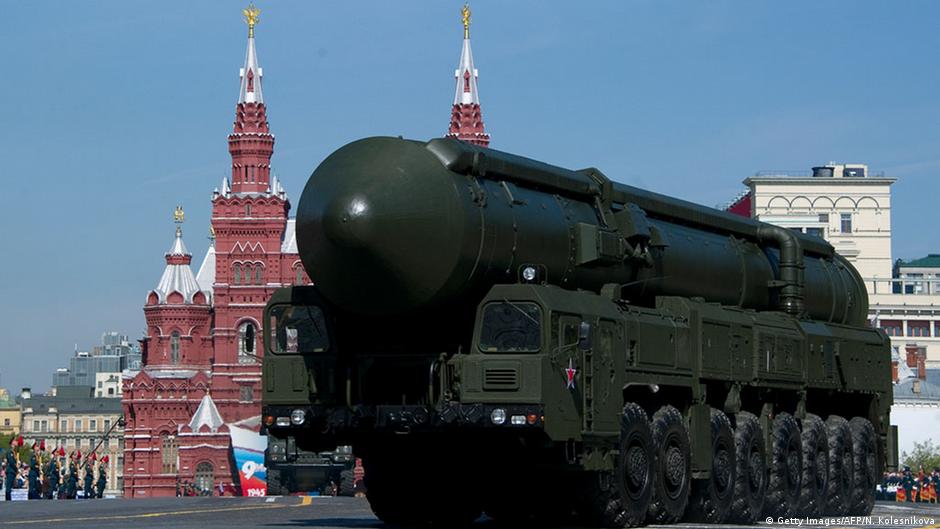
The latest NATO intelligence assessments have identified suspicious activities by the Russian Northern Fleet that suggest efforts to deploy ballistic missiles on the ocean floor, potentially armed with nuclear warheads. This revelation emerges from a detailed investigation by German broadcasters ARD, WDR, and NDR.
Strategic Innovation in Underwater Nuclear Deterrence
According to the investigation, Russia has been covertly developing a secret project codenamed "Skif," which involves modifying the existing "Sineva" submarine-launched ballistic missile (SLBM) to be deployed from fixed installations on the seabed. These missile silos, reportedly located at depths of several hundred meters, are designed to be nearly undetectable and capable of remote launch, providing Russia with a novel form of nuclear deterrence.
"The deployment of ballistic missiles on the seabed would enable Russia to maintain its nuclear deterrent at a reduced cost, bypassing the need for expensive submarines," noted Helge Adrians, an expert from the Berlin-based Science and Politics Foundation (SWP).
Satellite imagery, Russian scientific databases, and interviews with military experts underpin this investigation. The secretive nature of the project, coupled with its strategic implications, marks a significant evolution in Russia's nuclear posture.
Western intelligence sources suggest that the "Skif" missile system has undergone initial testing several years ago and that specialized Russian vessels like the "Zvezdochka" and the submarine "Sarov," both based in Severodvinsk on the White Sea coast, are instrumental in deploying these underwater missile silos.
Historical Context and Legal Ambiguities
This initiative must be contextualized within the broader framework of arms control and international maritime law. In 1971, the United States, the Soviet Union, and approximately 80 other nations signed a treaty banning the placement of nuclear weapons on the seafloor in international waters. However, this treaty does not prohibit the deployment of such weapons within a nation's own territorial waters.
The ability to position nuclear weapons on the seabed offers potential cost efficiencies by reducing reliance on complex and costly submarine platforms while maintaining credible second-strike capabilities. However, the technical challenges are formidable, including mitigating the effects of ocean currents, preventing silos from silting up, ensuring reliable power supply, and maintaining secure data transmission for remote launches.
Economic and Structural Implications
The "Skif" project could signify a strategic shift in Russia's defense expenditure priorities. By potentially reducing the need for a large fleet of nuclear submarines, Russia can reallocate resources within its defense budget, possibly stabilizing its military-industrial complex amid economic pressures. Nevertheless, the high-tech nature of underwater launch systems demands sustained investment in research, development, and maintenance.
Moreover, if operationalized, this underwater missile deployment could provoke a new arms race dynamic, compelling NATO countries to develop countermeasures or similar capabilities, thus influencing global military spending patterns and strategic stability.
Neither NATO nor the Russian Ministry of Defense has officially commented on the "Skif" project. The Russian Embassy in Berlin claims no information is available on this matter, underscoring the secretive and sensitive nature of the program.
In sum, the potential emergence of seabed nuclear missile installations reflects both a technical innovation and a strategic recalibration by Russia, with profound implications for international security, arms control regimes, and the geopolitical balance of power.