Business
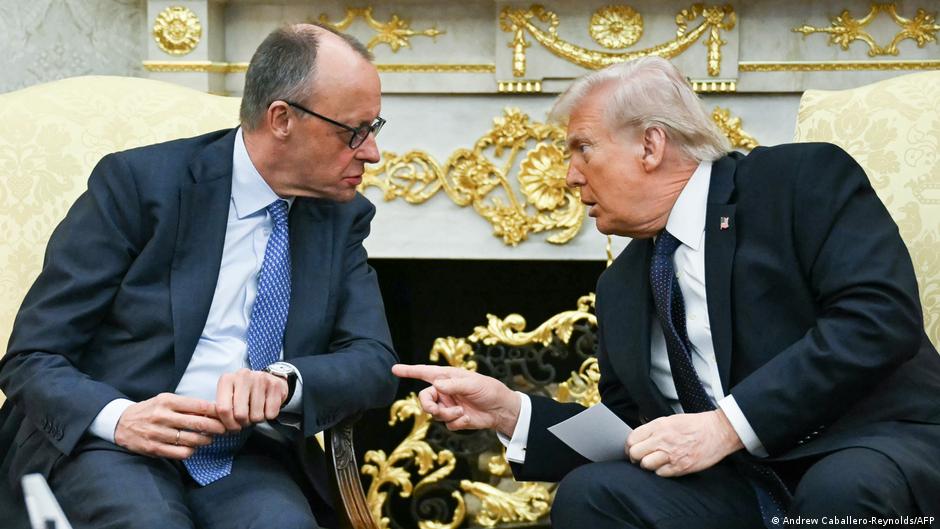
Merz Says Era of Unconditional Transatlantic Friendship Is Over
Merz says unconditional transatlantic friendship is over, framing U.S. tensions as a test of Germany’s security and economic model.
By Editorial Team — September 18, 2026
Merz says unconditional transatlantic friendship is over, framing U.S. tensions as a test of Germany’s security and economic model.
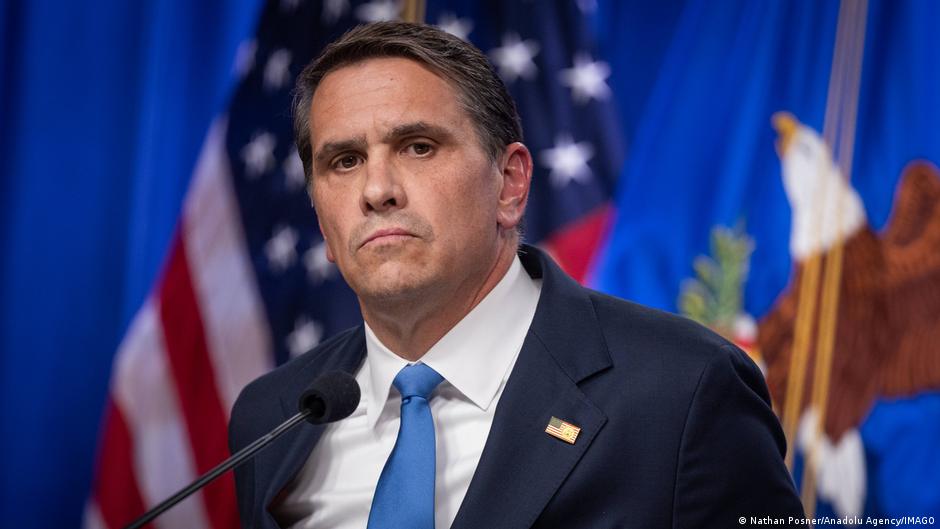
U.S. prosecutors allege RIS Network financed attacks on Ukraine's allies and plotted killings of Russian dissidents abroad.
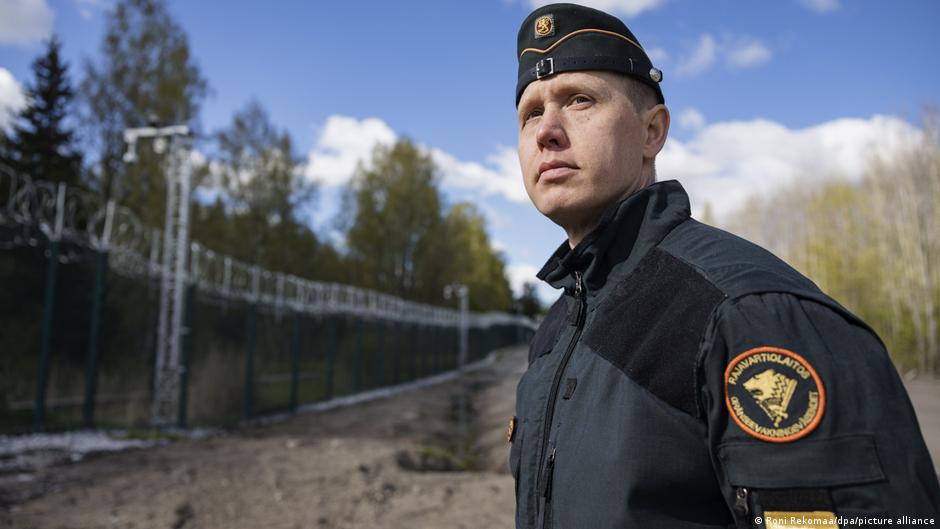
Finland has completed a 200-kilometer fence on its Russian border, marking a structural shift in security, infrastructure and Schengen policy.
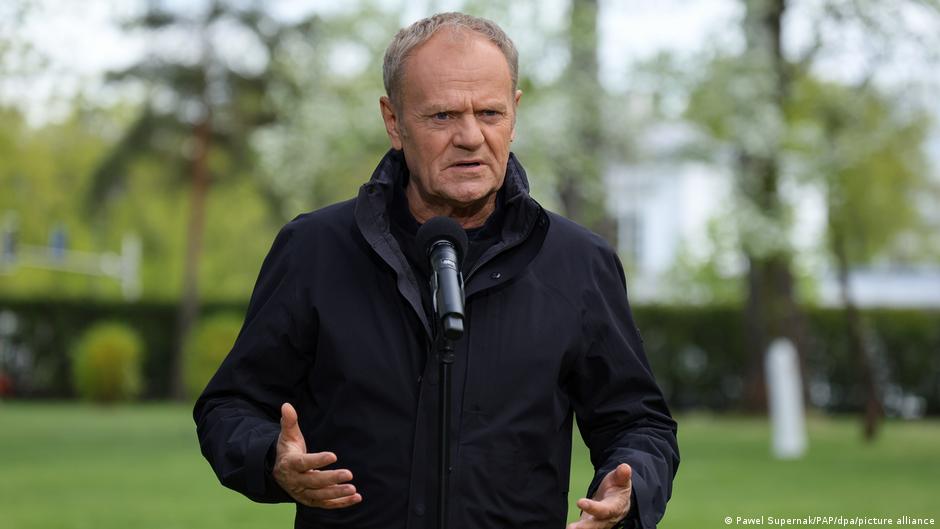
AfD’s projected win in Saxony-Anhalt drew sharp reactions from Poland, France and the Czech Republic, exposing wider European economic and political strains.

AfD’s 43.8 percent win in Saxony-Anhalt leaves no clear governing majority and raises major questions over energy, sanctions and eastern Germany’s economy.
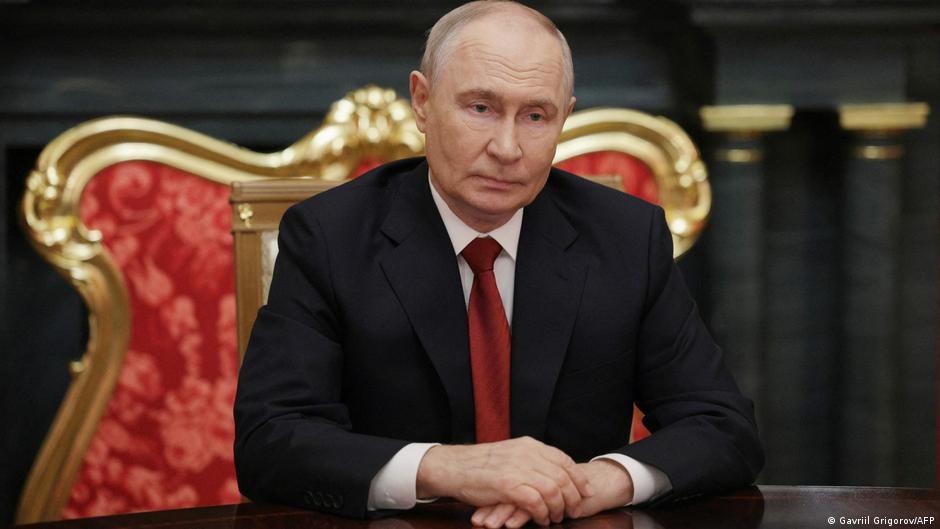
Putin’s support for using medically unfit volunteers in drone defense highlights Russia’s search for manpower while denying new mobilization.
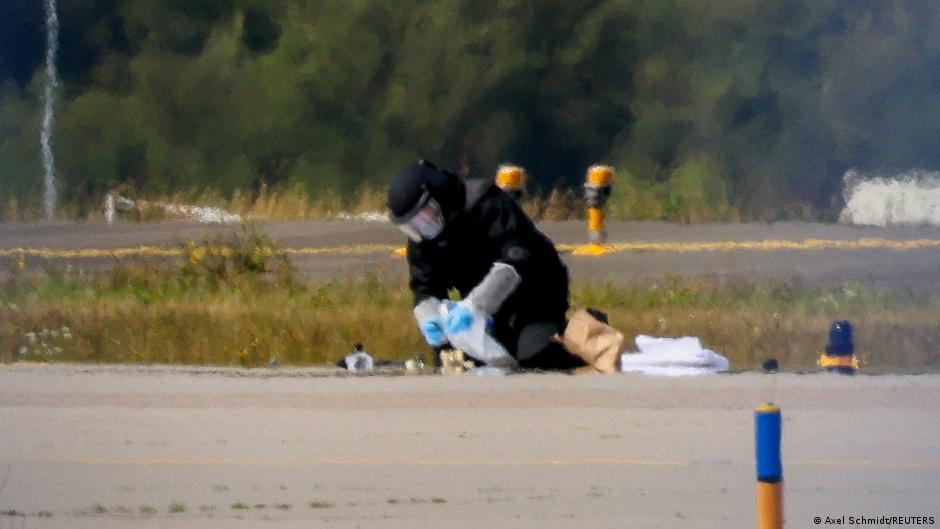
Latvia says a suspect in the Leipzig sabotage case had been living in Russia, deepening scrutiny of Europe’s logistics, visa and sanctions systems.
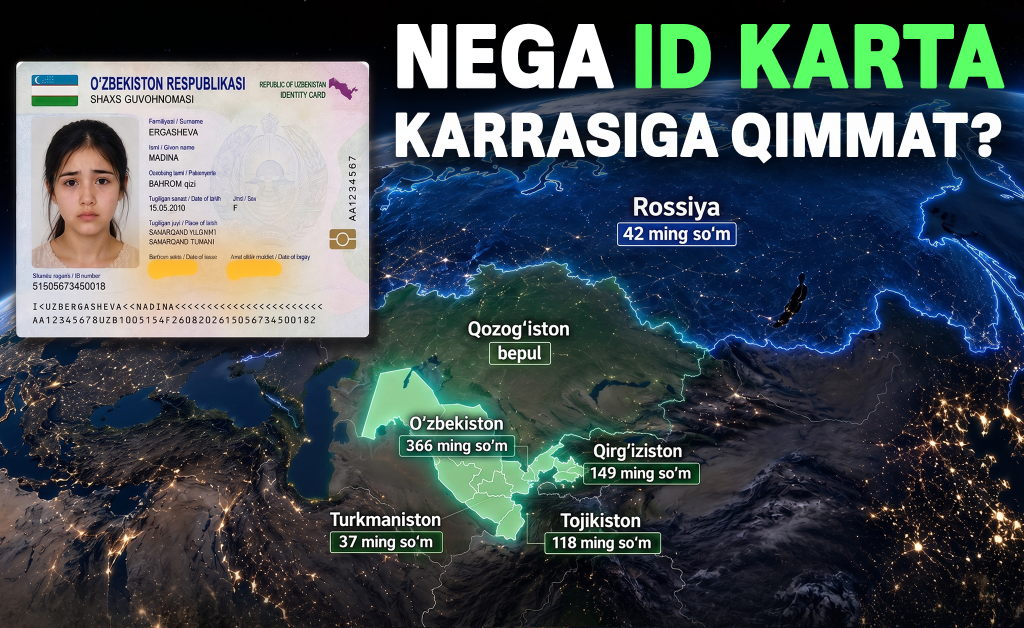
Uzbekistan's first ID card fee is under scrutiny as regional comparisons show neighbors treating initial identity documents as a lower-cost or free public service.
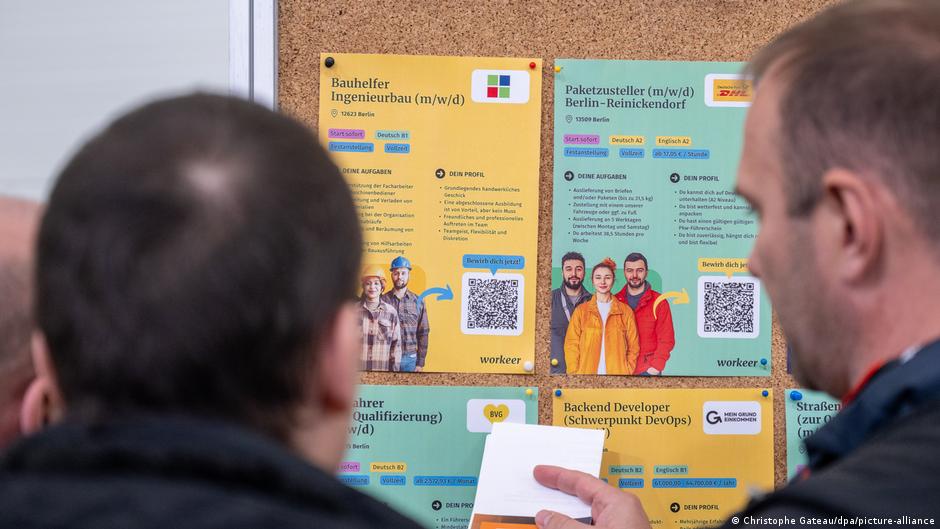
In 2025, foreign workers in Germany earned 23.6% less than German counterparts, reflecting persistent structural wage disparities linked to sector, education, and qualification gaps.
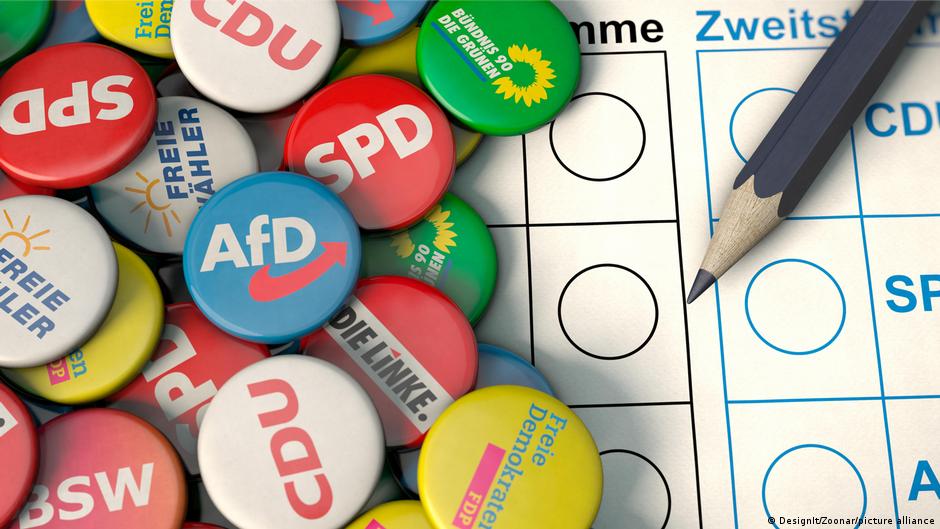
Germany’s CDU/CSU support falls to 20%, with far-right AfD leading polls ahead of key state elections, reflecting volatile voter behavior and shifting political allegiances.
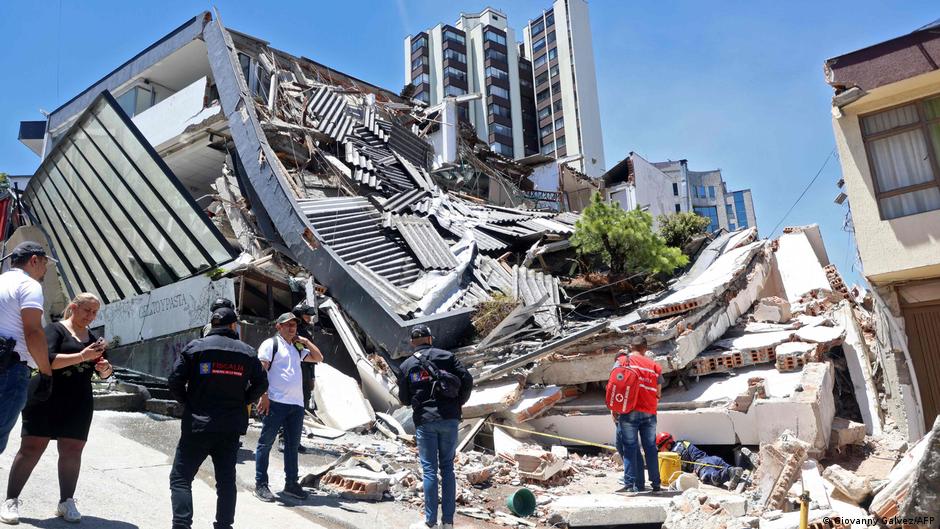
Colombia’s recent 7.4 magnitude earthquake has caused significant loss of life and widespread infrastructure damage, challenging the country’s economic stability and disaster preparedness.
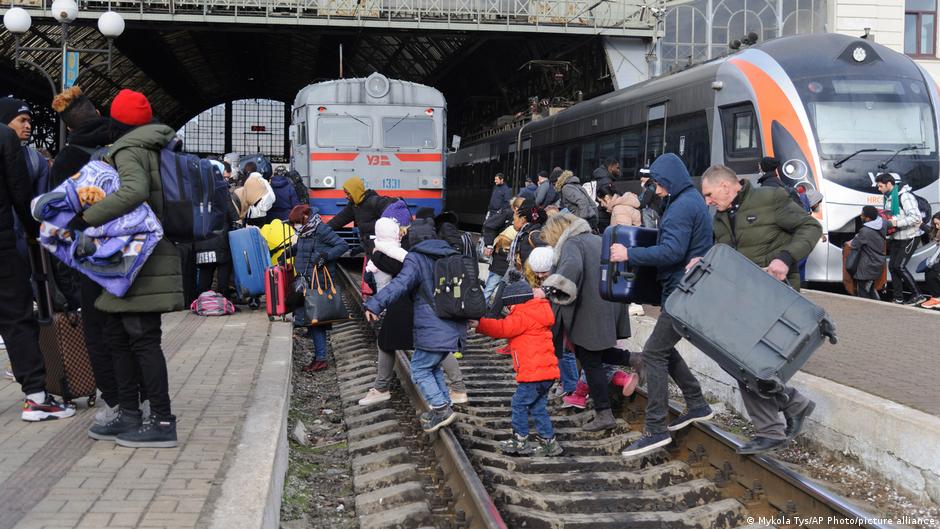
With over 8.4 million Ukrainians living abroad amid ongoing conflict, Ukraine faces significant demographic and economic challenges reshaping its future recovery.

The US State Department introduces a permanent visa bond of up to $20,000 for citizens of 50 countries to reduce visa overstays and abuse.
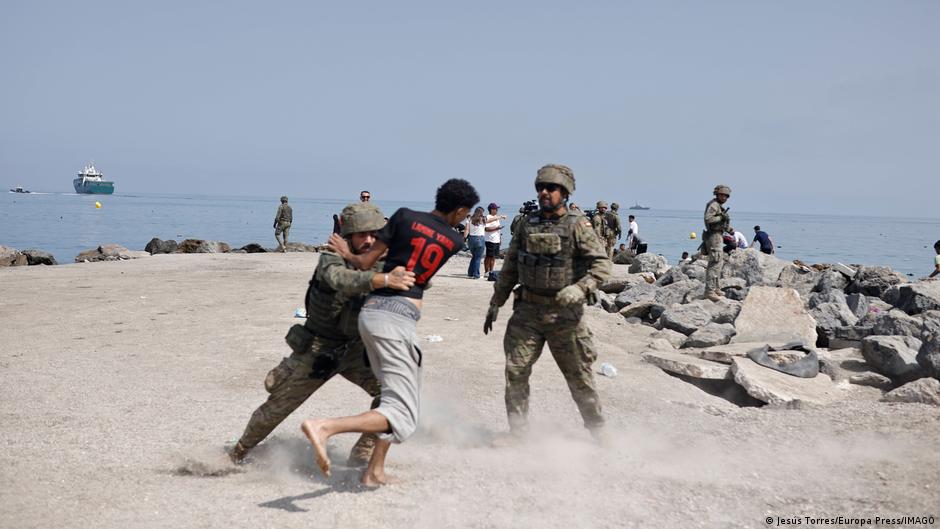
Spain's enclave Ceuta faced a sudden migrant influx, exposing economic, political, and border security challenges for Spain and the EU's Schengen framework.
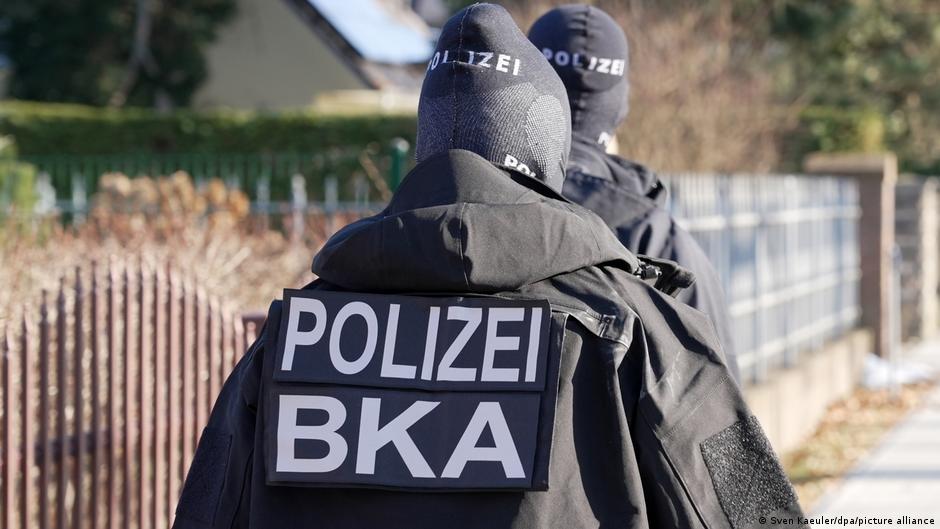
Germany’s Federal Criminal Police Office reports 410 Islamist threats amid rising radicalization consultations and debates on prevention strategies after a deadly Berlin attack.
Montenegro plans to end visa-free travel for Russian and Belarusian citizens by October 31, 2026, aligning with EU accession requirements and impacting migration and economic ties.

Russia proposes allowing individuals convicted of serious crimes to join the military under contract, reflecting recruitment challenges amid ongoing conflict and mobilization efforts.
Former Spanish PM Mariano Rajoy sparked controversy by denying French identity to France’s World Cup team, prompting debates on nationalism, immigration, and social cohesion in Europe.

Anne Widdecombe, former Conservative MP and Reform UK spokesperson, was murdered in Devon, raising urgent questions about political security and polarization in the UK.
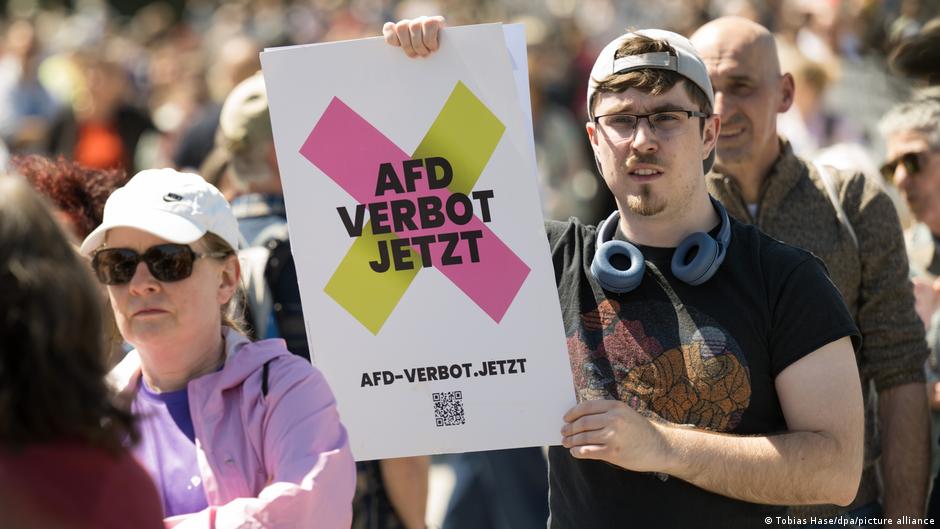
A recent Insa poll finds 45% of Germans oppose banning the far-right AfD, which leads CDU/CSU by 8%. The divided public opinion reflects broader questions about political isolation and democratic resilience in Germany.
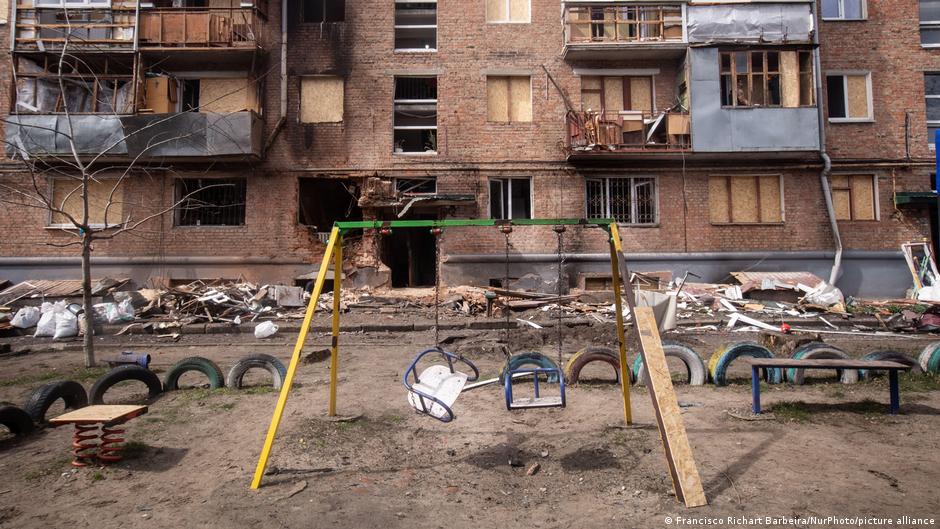
Russian air and drone strikes on Sumy and Zaporizhzhia killed six civilians and injured dozens, highlighting the deepening humanitarian and economic crisis in eastern Ukraine.
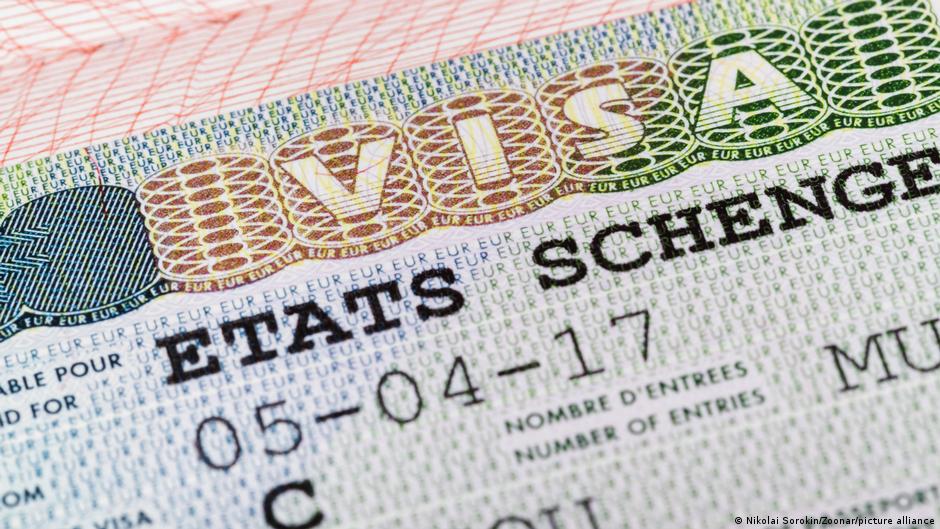
France has imposed stricter Schengen visa rules for Russians, requiring personal submission and biometric data, joining Italy, Spain, and Hungary in tightening EU visa policies.

German authorities grant asylum to Russian anti-war activist Ilya Shkolny after a three-year legal ordeal marked by repeated rejections and advocacy efforts.

Belgium issued one-day visas to five Taliban representatives to participate in EU talks on Afghan migration and deportation, reflecting complex geopolitical and economic challenges.

Far-right businessman Abelardo de la Espriella wins Colombia’s presidency, promising deregulation and militarized crime control, signaling a shift from leftist reforms under Gustavo Petro.

Germany's labor shortage is projected to increase by 4.3 million by 2036 due to retiring baby boomers and slowing population growth, challenging economic stability and social welfare.

The US Congress approved $70 billion funding for immigration enforcement agencies amid controversy over fatal shootings and internal leadership changes.

A U.S. federal judge invalidated the Trump-era $100,000 H-1B visa fee as an unlawful tax, highlighting limits on executive power and implications for high-skilled immigration.
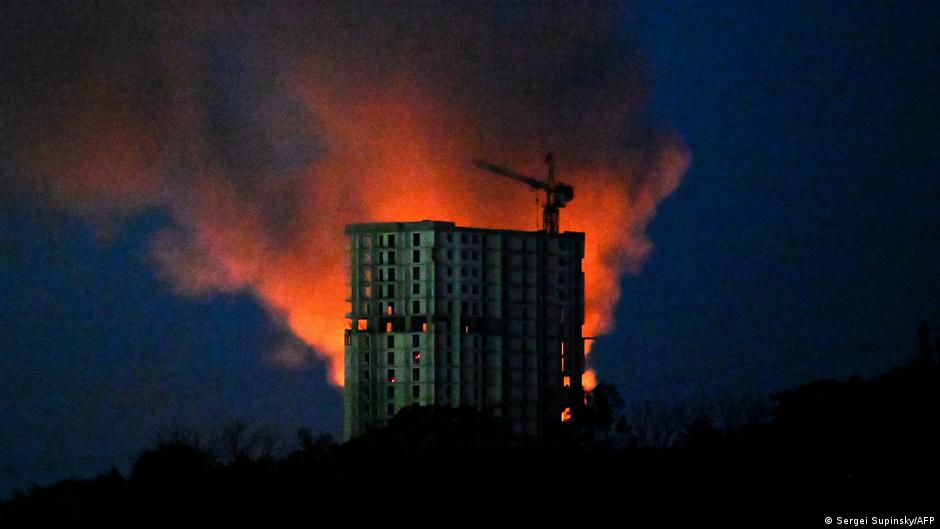
Nighttime drone alerts over Kyiv and targeted strikes on transport corridors reveal Russia’s strategic focus on disrupting Ukraine’s logistics amid ongoing conflict.

Investigations reveal Western tutors teach English and German to Putin’s presumed children, exposing elite educational choices amid Russia’s geopolitical and economic complexities.
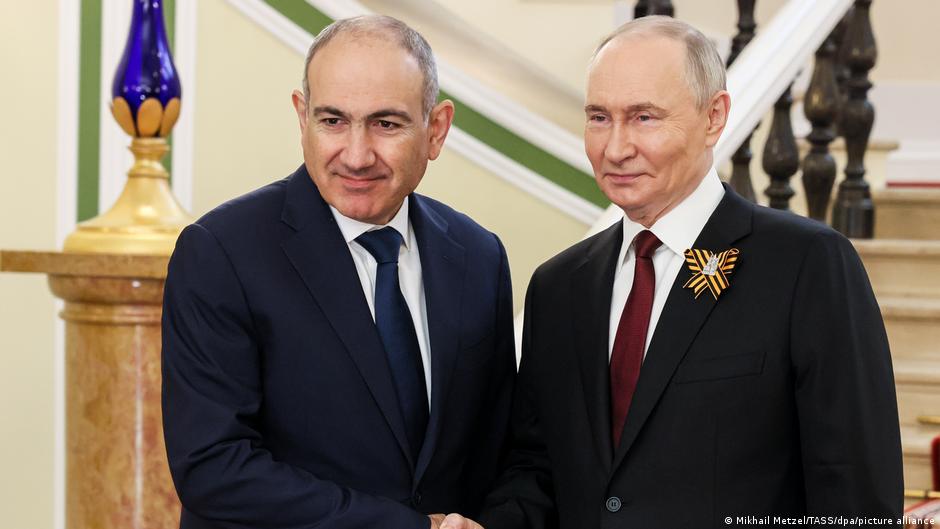
Russia threatens to suspend duty-free gas supplies to Armenia due to its EU integration efforts, signaling major economic and geopolitical ramifications for the region.
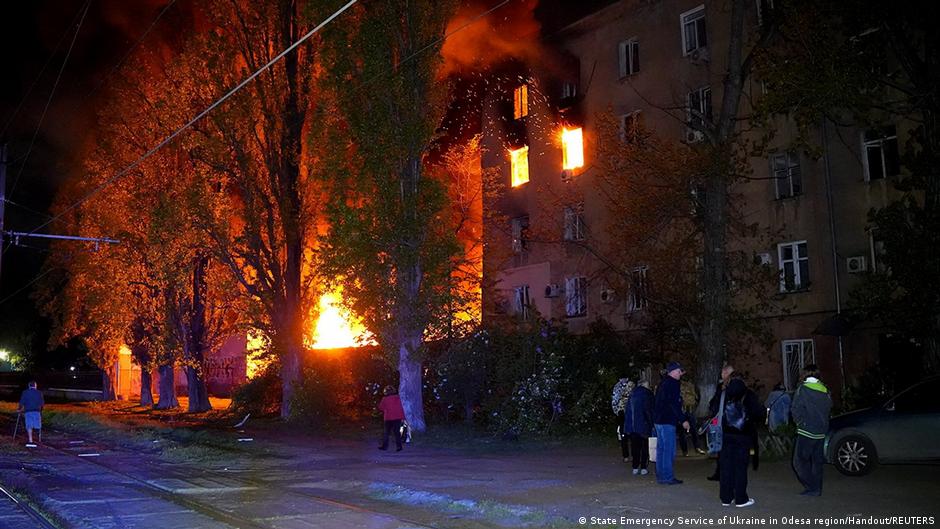
Russian drone and missile strikes have caused injuries and damaged civilian infrastructure in Odessa and Dnipro, raising concerns about the broader economic and social impact of ongoing conflict.

London hosted simultaneous rallies on migration and Palestinian Nakba memory, revealing deep societal divides and prompting a significant police presence.
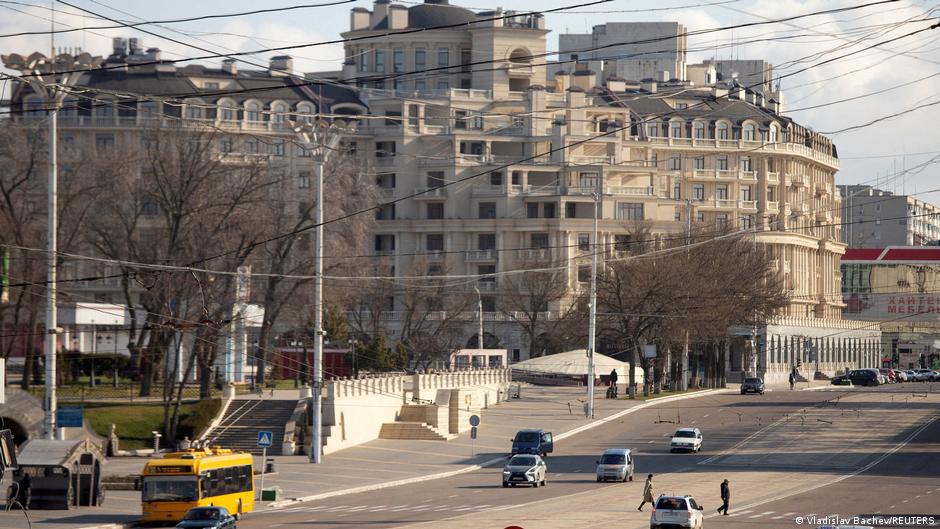
Russia has simplified citizenship for Transnistrian residents, removing language and history tests to deepen geopolitical influence and economic integration in the breakaway region.
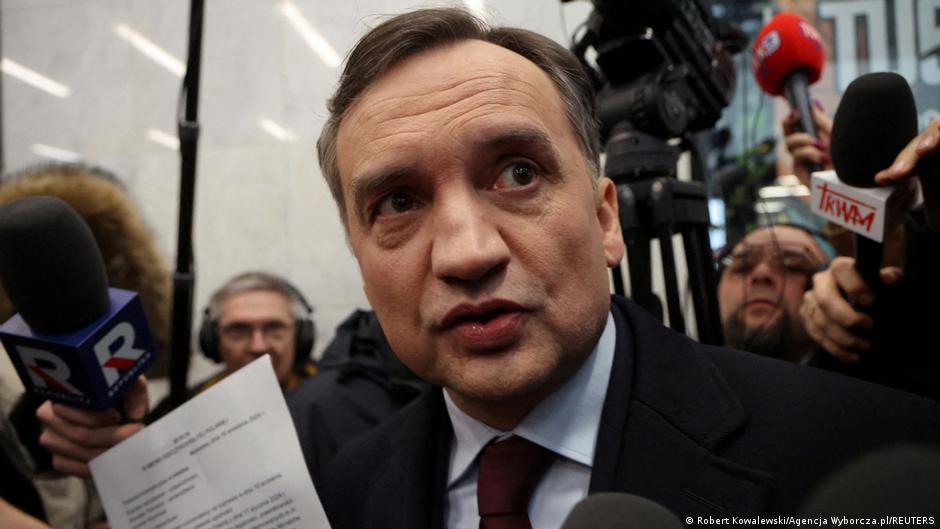
Former Polish Justice Minister Zbigniew Ziobro fled Hungary for the US amid extradition efforts by Poland and Hungary’s new government after Orbán’s era.

Jean-Luc Mélenchon confirms candidacy for France's 2027 presidential election, setting the stage for a far-left versus far-right contest amid pivotal economic and political shifts.

Uzbekistan faces rising urban divorce rates with one in three city marriages ending in divorce, alongside declining marriages and birth rates, posing future demographic challenges.
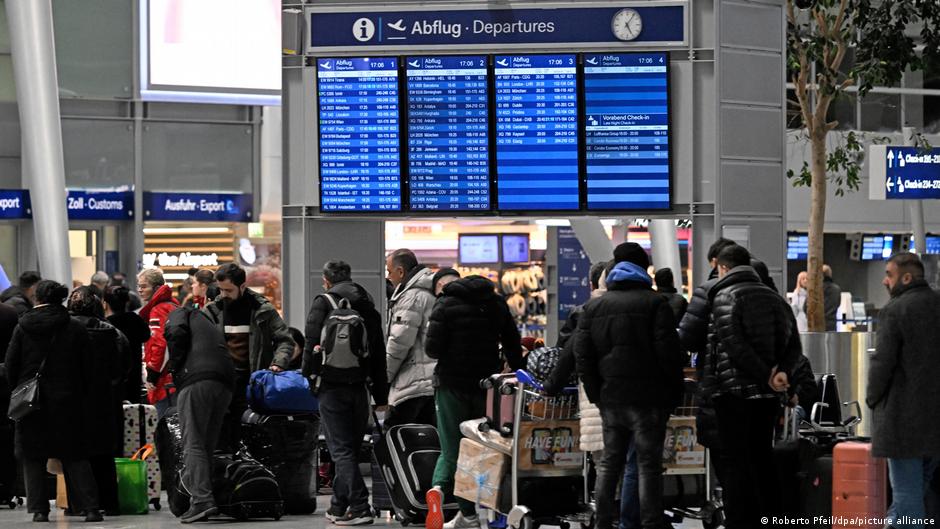
The EU's new biometric Entry/Exit System has caused multi-hour queues at airports, threatening economic disruption to travel and tourism during peak season.