Russia Considers Temporary Export Restrictions on Diesel and Aviation Kerosene Amid Refinery Disruptions
The Russian government plans to limit diesel and aviation fuel exports for up to two months to stabilize domestic supply after drone attacks on key refineries.
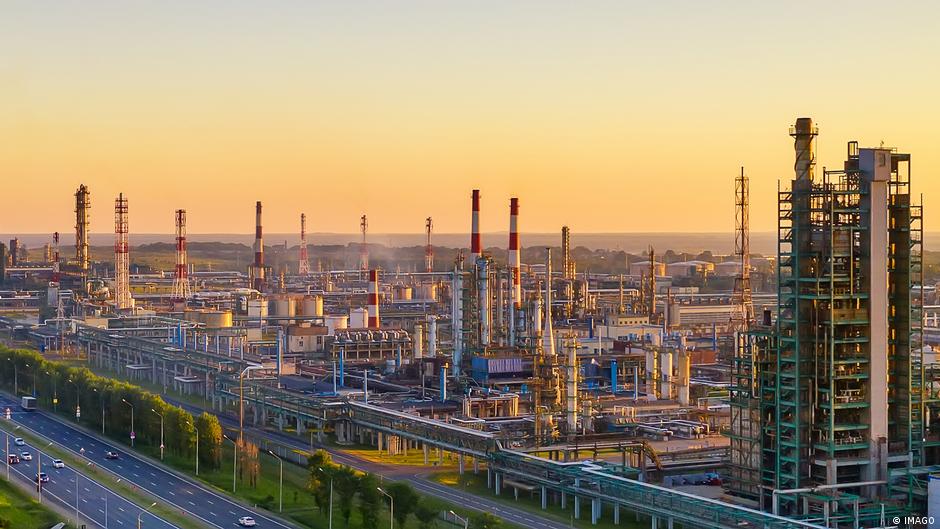
In response to significant disruptions in domestic fuel production, the Russian government is considering imposing temporary export restrictions on diesel fuel and aviation kerosene. According to reports, the Ministry of Economic Development is set to approve a ban that could last one to two months, aimed at securing internal market stability amid ongoing supply challenges.
Context of Fuel Market Instability and Export Controls
On May 26, Russian Deputy Prime Minister Alexander Novak convened a meeting to assess the current state of the fuel market and coordinate a governmental response. Novak emphasized the need for continuous monitoring and interagency coordination to develop timely countermeasures.
"It is necessary to continue constant monitoring of the situation to ensure coordination between federal agencies and industry companies, and to promptly develop additional response measures if needed," Novak stated.
Following the meeting, industry sources indicated that restrictions on diesel and aviation kerosene exports—two critical petroleum products—are imminent. This would extend existing fuel export controls, as a complete gasoline export ban has been in place since April 1 until at least July 31.
Russia has previously introduced export curbs on diesel fuel multiple times since September 2023 to stabilize internal availability and prices. The contemplated embargo on aviation kerosene marks a new step in restrictive trade policies. Additionally, oil companies have been advised to limit the export volume of petroleum products as part of the government's contingency measures.
Impact of Ukrainian Drone Attacks on Refinery Capacity
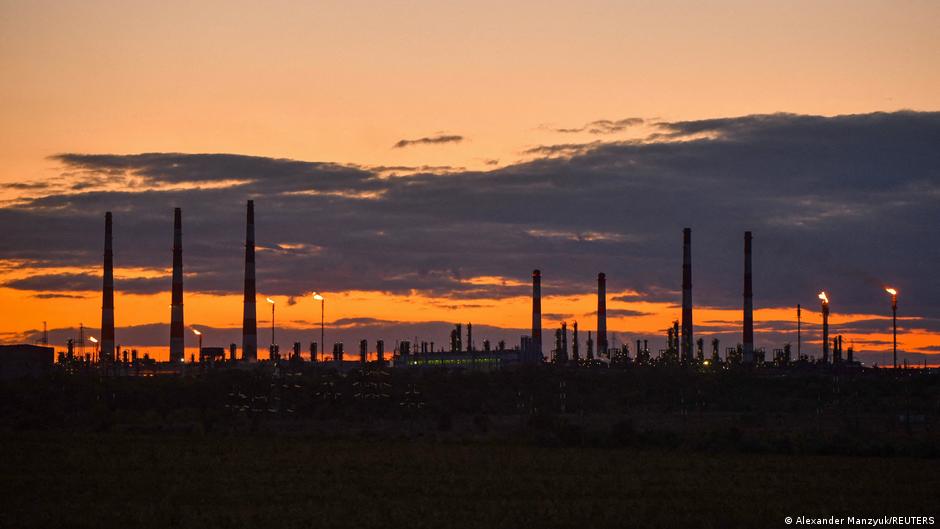
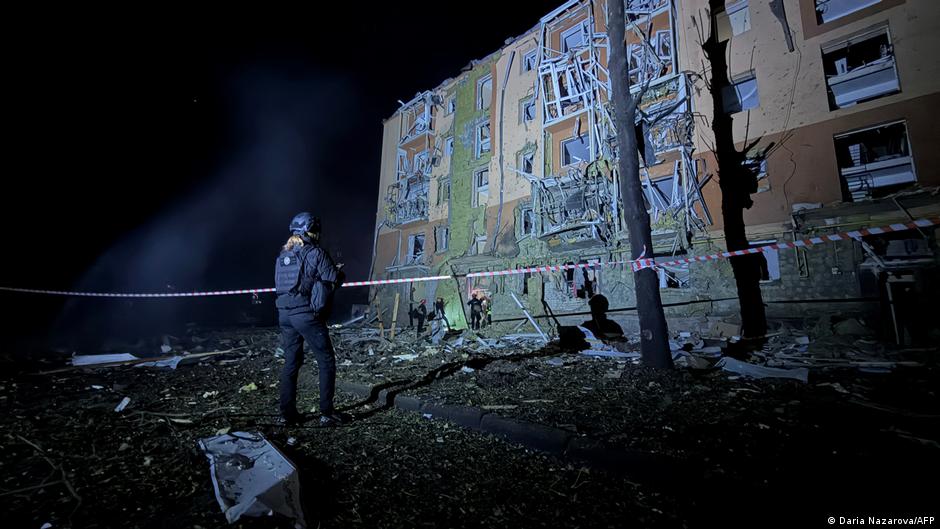
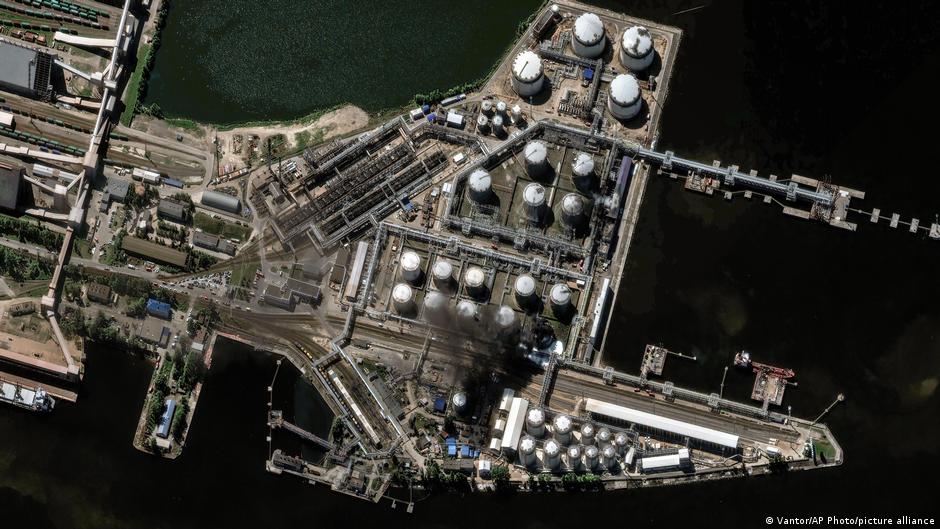
The catalyst for these export restrictions is the damage inflicted on Russia’s refining infrastructure by repeated Ukrainian drone strikes. According to Reuters, nearly all major refineries in central Russia have either halted or reduced fuel production following recent attacks.
The combined capacity of refineries fully or partially shut down exceeds 83 million tonnes per year—equivalent to about 238,000 tonnes daily. This represents roughly a quarter of Russia’s total refining capacity, and accounts for over 30% of gasoline and 25% of diesel fuel production nationwide.
The frequency of attacks on Russian refineries has escalated sharply. While no strikes were recorded in 2022, 4 attacks occurred in 2023, rising to 34 in 2024 and reaching 88 by 2025. The first five months of 2026 alone witnessed 33 attacks, surpassing the previous year's figures for the same period.
Notably, "Lukoil-Nizhegorodnefteorgsintez" (NORSI), one of Russia’s top five refineries located in Kstovo, Nizhny Novgorod region, suspended over half its capacities after a drone attack on May 20. This disruption has further strained Russia's ability to meet domestic and export fuel demands.
Economic Implications and Structural Consequences
The introduction of export restrictions on diesel and aviation kerosene represents a strategic pivot by the Russian authorities to prioritize domestic fuel availability amid growing production challenges. While such measures may provide short-term relief to internal markets, they also reflect deeper structural vulnerabilities in Russia's energy infrastructure exposed by ongoing conflict.
Limiting exports reduces Russia's hard currency inflows from petroleum product sales, potentially impacting budget revenues. Furthermore, curtailed supply to global markets could disrupt international fuel trade patterns, especially in regions dependent on Russian diesel and aviation fuel.
The repeated targeting of refining assets creates a precarious environment for Russia’s energy sector, necessitating increased investment in security and alternative production strategies. Long-term resilience will depend on the ability to mitigate these operational risks and maintain stable output amid geopolitical tensions.
In summary, Russia’s move to restrict exports signals a defensive approach to safeguarding internal fuel supplies amid sustained external pressures and infrastructure vulnerabilities, with significant ramifications for both the domestic economy and global energy markets.