U.S. Senators Urge Trump to Drop Russian Diesel Deal With Putin
A bipartisan group of U.S. senators says Trump’s Russian diesel deal would aid Moscow while offering little relief to American fuel consumers.

A bipartisan group of U.S. senators says Trump’s Russian diesel deal would aid Moscow while offering little relief to American fuel consumers.

A bipartisan House bill would seek to ban Russian oil purchases after Trump announced an agreement on Russian diesel supplies.

Zelensky warned that a U.S.-Russia diesel deal could strengthen Moscow’s war economy unless tied to clear de-escalation commitments.

Kyiv denied a report that Trump proposed Zelensky travel to Moscow, as energy prices and venue disputes shape Ukraine diplomacy.

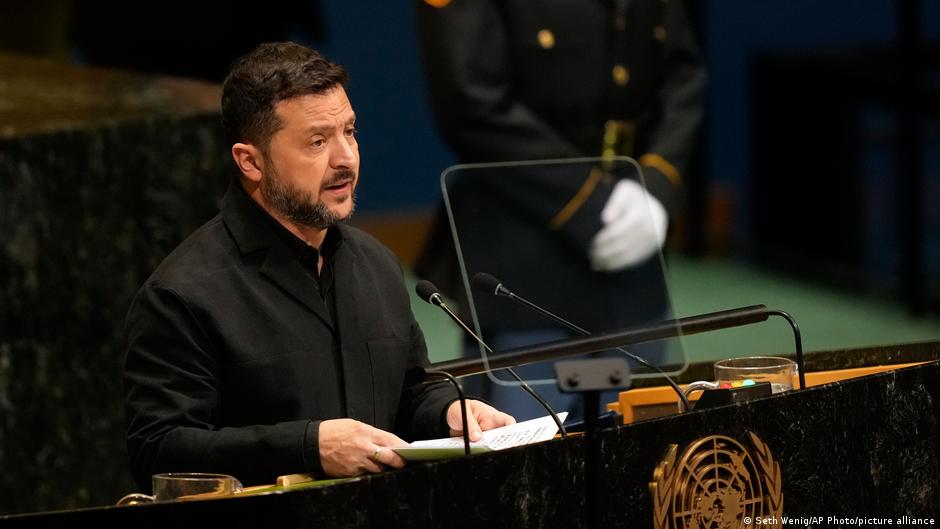
Zelenskyy told the UN that Putin is spreading the idea of war globally and said Ukraine aims to weaken Russia’s ability to finance the conflict.

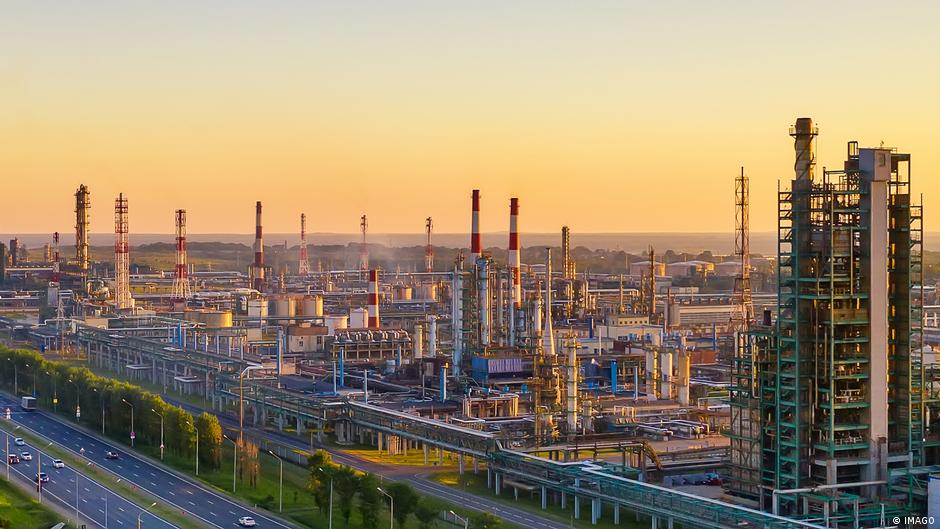
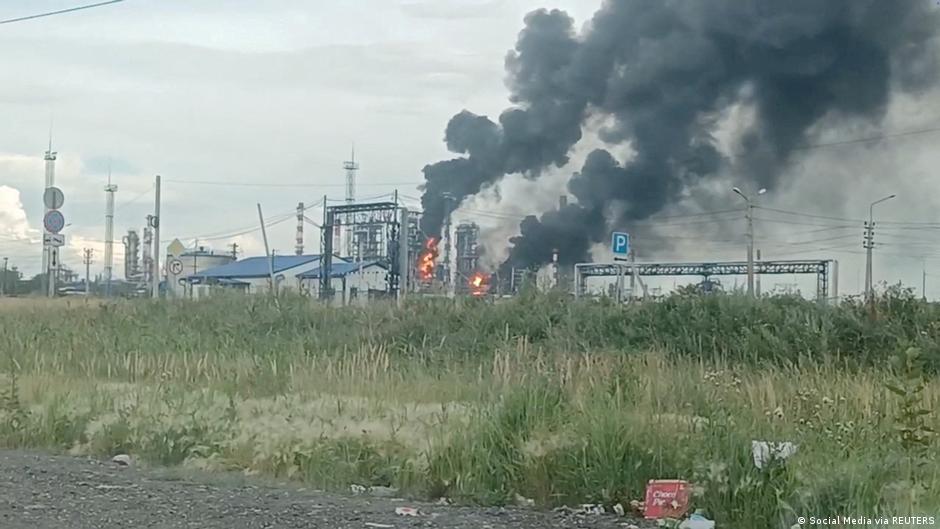
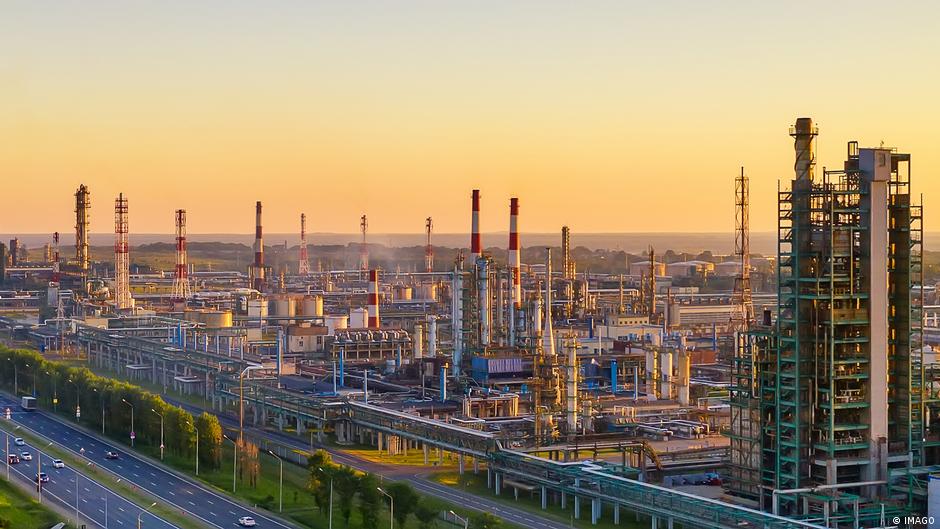
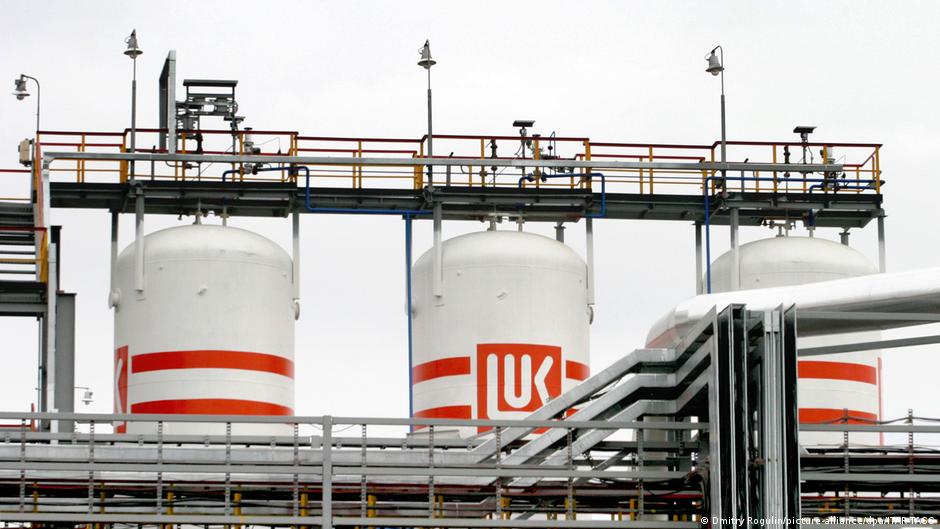
Drone damage has halted the Yaroslavl refinery, adding to Russia’s fuel shortages and exposing vulnerabilities in wartime refining capacity.

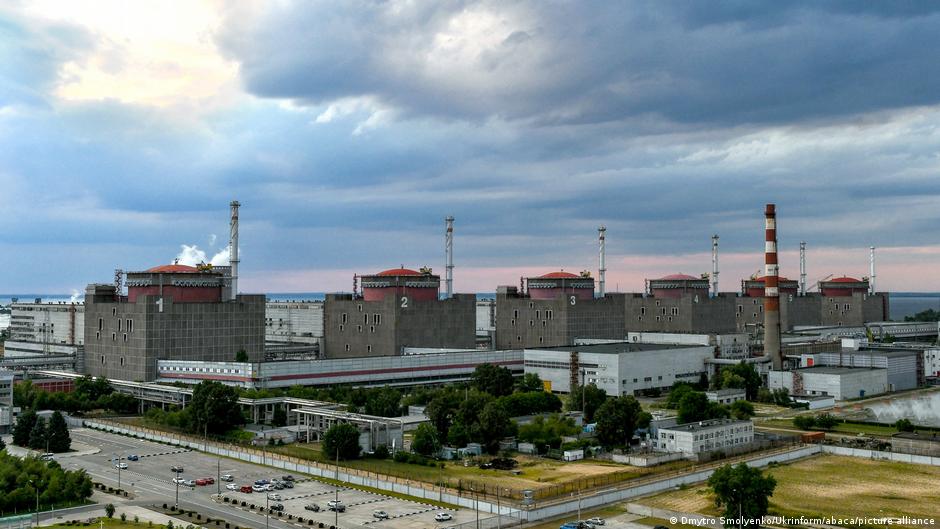
The Zaporizhzhia Nuclear Power Plant has lost external power for the 23rd time since the conflict began, raising critical safety and energy security concerns amid ongoing military tensions.

Russia’s oil product production index fell nearly 22% in June amid war-inflicted damage to refining capacity, signaling deep structural economic challenges.

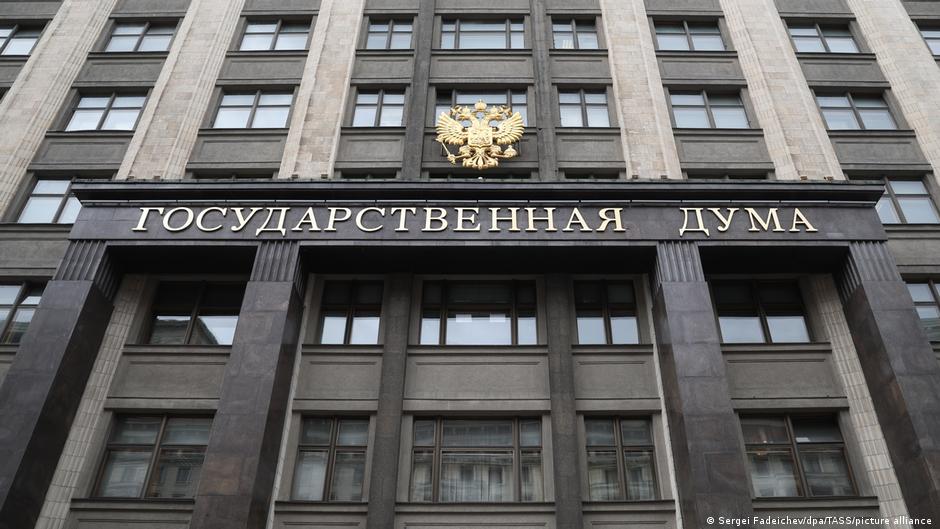
Russia’s State Duma amends fuel dampener rules and import compensations to stabilize domestic fuel prices amid refinery disruptions and export limits.

Ukrainian drone attacks have forced the Saratov refinery in Russia to shut down indefinitely, exacerbating fuel shortages that now affect millions amid structural refining challenges.

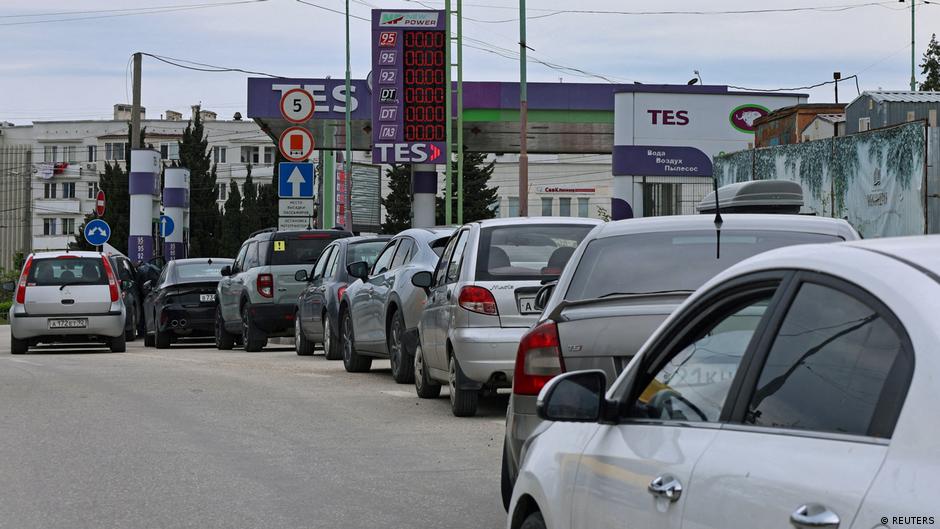
Gasoline prices in annexed Crimea nearly doubled in early July amid Russia's ongoing fuel supply crisis and policy shifts, revealing deep structural challenges in its energy sector.

Russia permits use of higher-sulfur Euro-3 fuels domestically until 2026 to alleviate refinery disruptions caused by ongoing conflict, with implications for energy security and environmental standards.

The US has extended the operational license for Serbia’s NIS under sanctions, delaying Gazprom’s divestment and highlighting complex regional energy and geopolitical stakes.

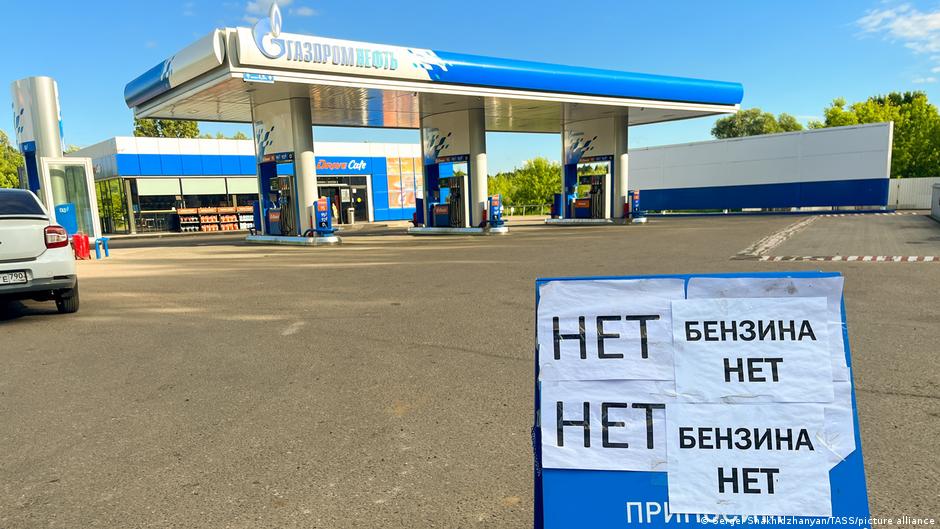
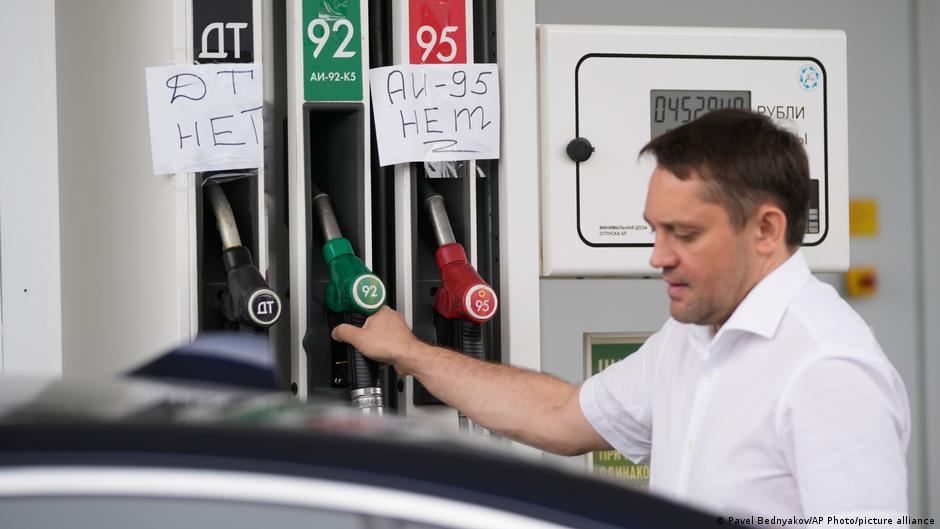
Widespread fuel sales restrictions are imposed across Russia due to production slowdowns following targeted drone strikes on oil refineries, affecting 53 regions.

Russia plans temporary export limits on diesel and aviation kerosene to stabilize domestic fuel markets after drone attacks reduced refinery output.

Ukraine's drone strikes have forced Russia's Nizhny Novgorod refinery to halve its processing capacity, disrupting a significant portion of the country’s fuel production.

The UK has issued an indefinite license allowing imports of Russian-origin diesel and kerosene to ease fuel prices amid geopolitical energy disruptions.