Russia Grants Agrément to New German Ambassador amid Strained Bilateral Relations
Clemens von Goetze is set to replace Alexander Graf Lambsdorff as Germany’s ambassador to Russia, marking a diplomatic transition amid ongoing geopolitical tensions.
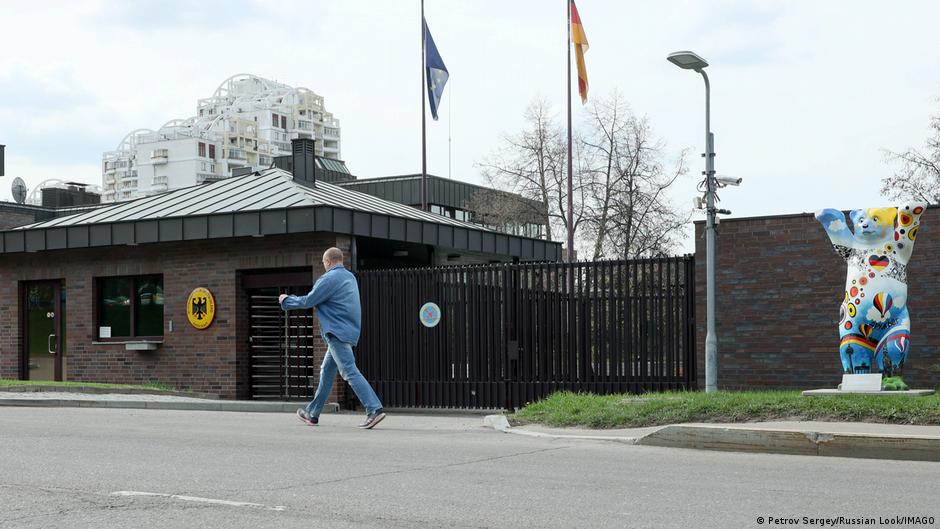
Russia has issued agrément for Clemens von Goetze to assume the role of Germany's ambassador in Moscow, replacing the incumbent Alexander Graf Lambsdorff. This development was confirmed by German diplomatic sources and reported on May 18, signaling a formal step towards the appointment amid a complex backdrop of deteriorating Russia-Germany relations.
Diplomatic Shift in a Fraught Context
The agrément, a formal document signifying Russia’s preliminary consent to receive a foreign diplomat, is a critical procedural step in ambassadorial appointments. Clemens von Goetze, currently heading the German embassy in Mexico City, is expected to take up his post in Moscow around July. This transition comes at a time when relations between Russia and Germany remain tense following Russia’s full-scale military invasion of Ukraine in 2022.
Von Goetze's career brings extensive diplomatic experience, with previous postings including ambassadorships in Tel Aviv, Beijing, and Tokyo. His tenure in these key global capitals has equipped him with deep expertise in international security and foreign policy matters, positioning him to navigate the complexities of the current Russia-Germany relationship.
“Our role as diplomats and parliamentarians is to maintain engagement channels, even with challenging interlocutors, to uphold principles of freedom and self-determination,” remarked a German foreign policy expert following recent diplomatic exchanges.
Historical Parallels and Structural Consequences
The appointment reflects a broader historical pattern where diplomatic exchanges continue despite geopolitical rifts, underscoring the persistence of formal dialogue channels amid crises. Since the outbreak of hostilities in Ukraine, Germany has emerged as a key supporter of Kyiv, providing political and material backing that has strained its ties with Moscow. This pivot represents a significant shift from the traditionally more balanced Ostpolitik approach Germany maintained during the Cold War and post-Soviet years.
Relations between the two countries have been marked by a series of diplomatic frictions. In June 2023, Lambsdorff was summoned by the Russian Ministry of Foreign Affairs over allegations of persecution of Russian journalists in Germany, accusations that Berlin dismissed as unfounded. Further tensions arose in April 2024 when Lambsdorff was again called to Moscow after a Bundestag member’s meeting in Kyiv with Ahmed Zakayev, a figure associated with the Chechen Republic of Ichkeria, an entity Russia designates as terrorist.
These incidents exemplify the increasingly politicized and adversarial nature of Russia-Germany diplomacy, with each side leveraging diplomatic protocols and personnel appointments as instruments within a broader geopolitical contest.
The replacement of Lambsdorff, who is slated to become Germany’s ambassador to Israel, may be interpreted as part of a recalibration of Germany’s diplomatic posture in Eastern Europe and the Middle East. Von Goetze’s appointment could signal a nuanced approach balancing firmness in response to Russian aggression with the maintenance of essential diplomatic engagement.
Economic and Political Implications
From an economic perspective, the strained bilateral relations have disrupted long-standing trade and energy ties. Germany’s previous dependence on Russian energy exports has sharply declined amid sanctions and diversification efforts, contributing to structural changes in European energy markets. The ambassadorial change takes place against this backdrop of shifting economic interdependence and geopolitical realignment.
Furthermore, the diplomatic reshuffle may influence Germany’s role in future negotiations on security, trade, and regional stability. Von Goetze’s extensive experience in global diplomacy could facilitate dialogue aimed at managing conflict spillovers and stabilizing economic relations, despite the current adversarial climate.
In conclusion, while the agrément issuance is a routine diplomatic procedure, it carries significant symbolic and practical weight given the fraught state of Russia-Germany relations. The ambassadorial transition exemplifies the ongoing complexities of international diplomacy where historical legacies, geopolitical tensions, and economic interdependencies intersect.