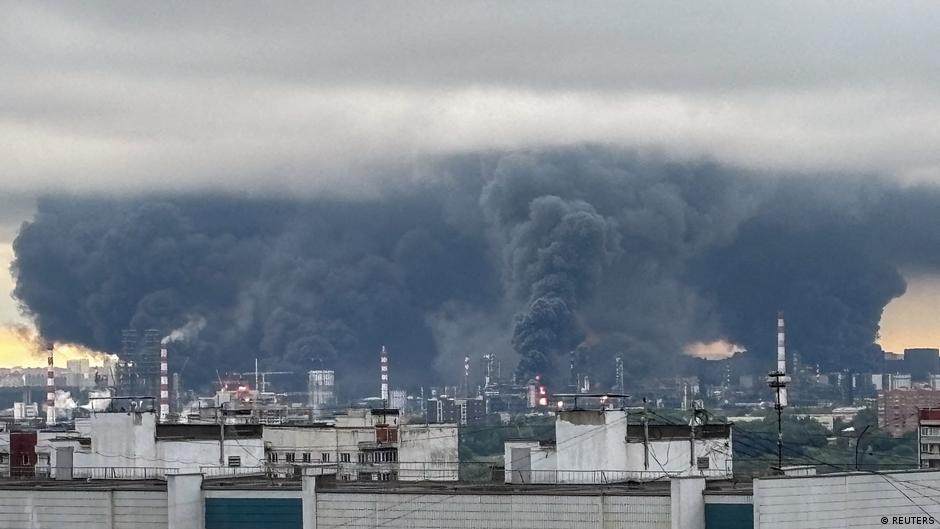
Russia Launches Ballistic Missile Strikes on Kyiv Following G7 Support Pledge to Ukraine
Shortly after G7 nations pledged increased aid to Ukraine, Russia conducted ballistic missile attacks targeting Kyiv and other Ukrainian cities.
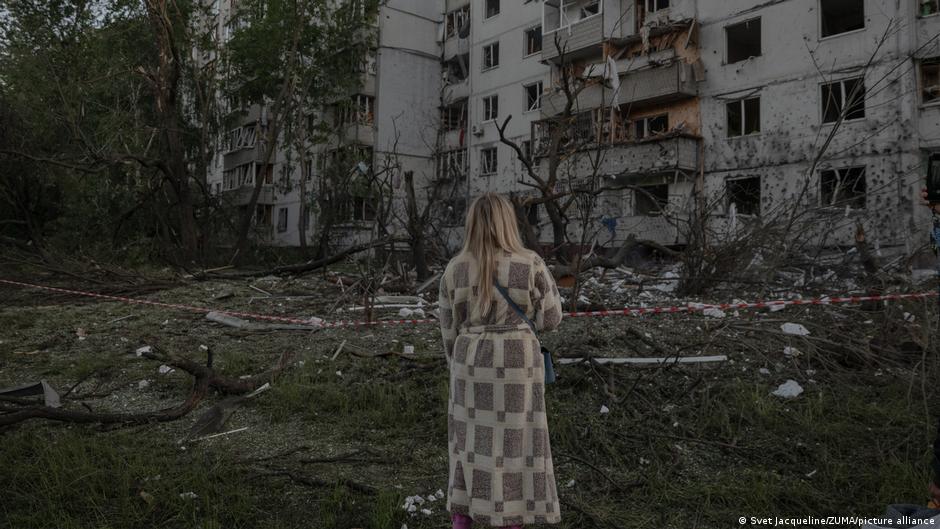
In the early hours of June 18, Russia launched a series of ballistic missile strikes against Kyiv, shortly after the Group of Seven (G7) countries pledged to enhance their support for Ukraine. The attack, which also affected other Ukrainian cities including Poltava and Sumy, marks a significant escalation amid ongoing conflict and international diplomatic efforts.
Context and Strategic Implications of the Missile Strikes
The missile attack occurred amidst heightened tensions following the G7 summit, where member states announced increased military and financial aid to bolster Ukraine's defense capabilities. This timing suggests a direct Russian response intended to signal resistance to Western support and to undermine Ukrainian morale.
Kyiv came under the threat of multiple ballistic missiles, as confirmed by the city’s military administration head, Timur Tkachenko. Residents were urged to seek shelter until the all-clear was given, highlighting the persistent risk to civilian populations in urban centers.
"Be in safe places until the end of the alarm!" urged Tkachenko, emphasizing the continued vulnerability of Kyiv to missile threats.
In addition to Kyiv, explosions were reported in Poltava and Sumy, accompanied by power outages in the former, underscoring the broader regional impact of the strikes. Officials in the Zaporizhzhia region also reported explosions, indicating a widespread pattern of attacks across northern and eastern Ukraine.
The Ukrainian Air Force warned of potential strikes with precision-guided aerial bombs in Sumy oblast, illustrating the variety of munitions employed in the offensive.
Long-Term Economic and Structural Consequences
These missile strikes have critical implications beyond the immediate humanitarian and military dimensions. The recurrent targeting of urban infrastructure threatens to destabilize the economic fabric of Ukraine, exacerbating disruptions to energy supplies, transport, and communications.
Historically, missile attacks on key cities during conflicts have led to prolonged economic contraction, population displacement, and increased reconstruction costs. The damage to electrical grids, as seen in Poltava, may result in cascading effects on industrial output and public services, further undermining economic recovery efforts.
Moreover, the psychological impact of persistent missile threats can deter both domestic investment and foreign support, complicating Ukraine's efforts to stabilize and rebuild its economy during wartime. The ongoing conflict and associated infrastructure damage risk entrenching long-term economic fragility.
The international community's increased aid commitment, as demonstrated by the G7, aims to counterbalance these adverse effects by strengthening Ukraine's defense and economic resilience. However, the escalation of missile strikes highlights the challenges of achieving lasting stability amid active hostilities.
In summary, Russia's missile strikes following the G7's pledge represent a significant escalation with profound economic and structural consequences. The attacks not only endanger civilian lives but also threaten to destabilize Ukraine's urban centers and economic infrastructure, complicating the country's path toward recovery and long-term stability.