Russian Drone Strikes Hit Kyiv Fuel Stations, Warehouses and Odessa Port Assets
Ukrainian officials reported casualties and damage to logistics, port and transport infrastructure after a large overnight drone attack.
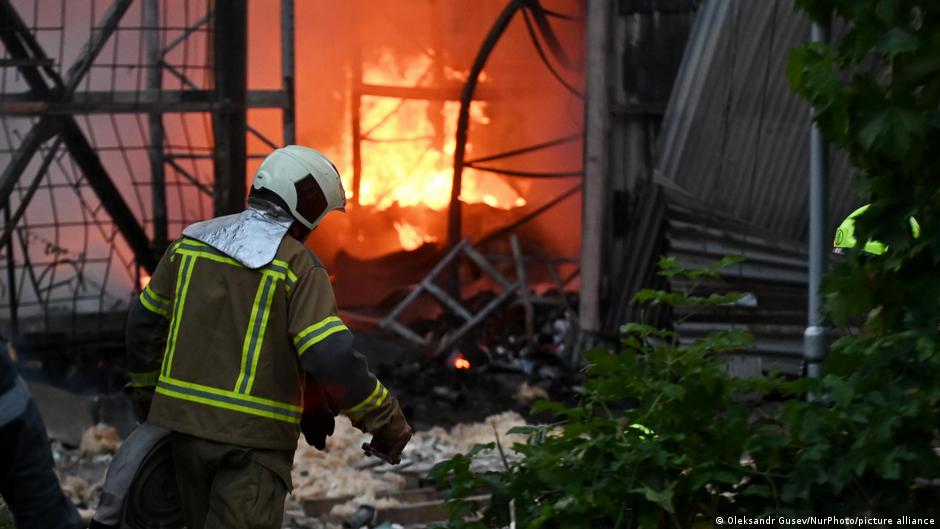
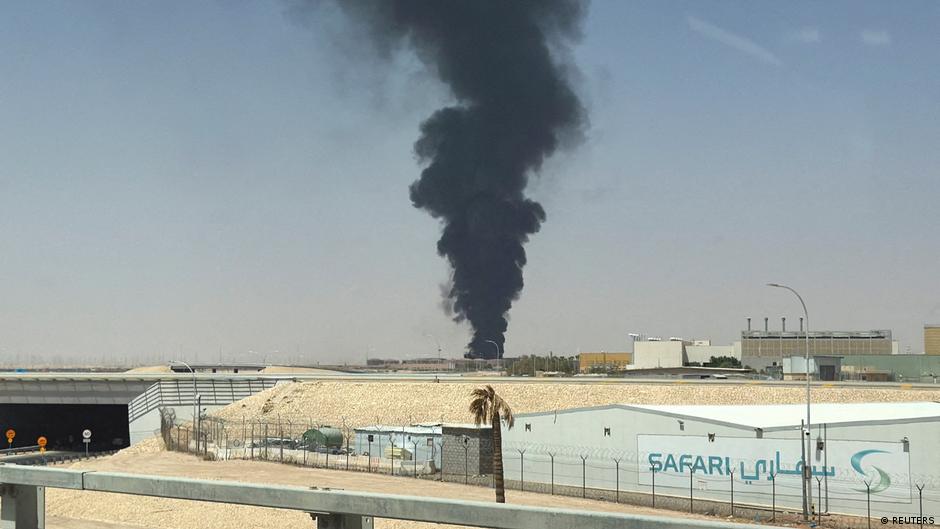
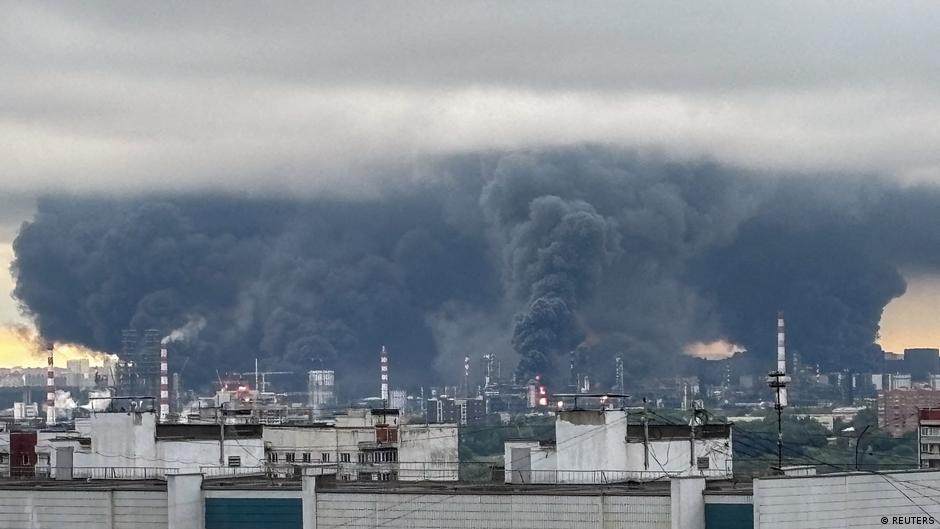
Russian drone strikes on Kyiv and several Ukrainian regions on Tuesday underscored how the war’s economic front remains tightly bound to logistics, fuel distribution and port capacity. Ukrainian officials said attacks hit fuel stations and warehouse premises in the capital, while the Odessa region reported damage to civilian, logistics, port and transport infrastructure.
Kyiv Mayor Vitali Klitschko said on the morning of Tuesday, September 15, that Russian unmanned aerial vehicles struck fuel stations in the city’s Darnytskyi and Holosiivskyi districts. Seven people were injured, he said, and all were taken to hospitals. Two were in serious condition. Klitschko later added that one of those hospitalized had died.
The Kyiv City Military Administration also reported a Russian strike on warehouse premises in the Obolonskyi district in the north of the capital. An air alert was declared in Kyiv and the surrounding region with a yellow level of danger.
The pattern of targets reported by Ukrainian authorities points to the continuing pressure on the physical networks that keep an economy operating during wartime: fuel retail points, storage sites, ports and transport links. Such infrastructure is not only relevant to military supply. It also determines the resilience of urban commerce, the movement of food and industrial goods, and the capacity of households and firms to maintain daily activity under repeated attack.
Logistics as an economic battlefield
In the Odessa region, Russian forces carried out what local authorities described as a massive attack on civilian infrastructure. Oleh Kiper, head of the Odessa Regional Military Administration, said residential homes, logistics facilities, port and transport infrastructure had come under fire. He reported damage to roofs, facades and windows of private houses, as well as dozens of garages and cars.
“Residential homes, logistics facilities, port and transport infrastructure came under attack,” Kiper wrote on Telegram, according to the regional authorities.
For Ukraine, Odessa’s port and transport systems have long had significance beyond the immediate geography of the Black Sea coast. They are linked to export capacity, import flows, internal distribution and the broader question of how a country at war can preserve revenue-generating trade. Even when individual reports do not quantify economic losses, attacks on logistics and port infrastructure can impose costs through repairs, rerouting, delays, higher insurance and increased uncertainty for businesses that depend on predictable transport corridors.
The same logic applies to the Kyiv strikes. Fuel stations serve consumers, emergency services, delivery fleets and businesses. Warehouses function as buffers in supply chains, allowing goods to be stored, sorted and dispatched. Damage to such nodes can ripple outward even when the direct physical footprint is limited. In wartime economies, redundancy becomes a strategic asset, and the loss or temporary disruption of storage and distribution points can force operators to rely on more expensive or less efficient alternatives.
Ukrainian authorities also reported an attack in the Zaporizhzhia region, where drones launched by Russia hit an infrastructure facility. Regional officials said emergency services were extinguishing a fire at the site. One person was killed and one other was wounded, according to the regional administration.
A large drone assault and its costs
The Ukrainian Air Force said Russia attacked Ukraine using 200 strike drones, including Shahed-type UAVs, Gerbera drones and Parody-type decoy drones. According to preliminary data, Ukrainian air-defense units shot down or suppressed 187 Russian drones. The Air Force said strikes by aerial attack assets were recorded at seven locations, while debris from downed drones fell in three places.
The figures suggest a familiar wartime calculation. Drone attacks impose costs even when the majority of incoming systems are intercepted or suppressed. Air-defense operations require equipment, personnel and ammunition; cities and regions must activate alert systems; emergency services must respond to fires, debris and damage; and businesses face disruption from warnings, closures and repairs. In economic terms, the burden extends beyond destroyed property to the recurring expense of operating under threat.
Russia’s Defense Ministry, which is in the fifth year of its full-scale war against Ukraine, claimed that strikes were carried out against “logistics centers and ports of Ukraine, as well as sea vessels used in the interests of the Armed Forces of Ukraine.” Ukrainian officials, by contrast, reported damage to civilian infrastructure, residential homes, logistics facilities, port and transport infrastructure, as well as fuel stations and warehouse premises.
The competing descriptions reflect a wider structural feature of the conflict: infrastructure that sustains civilian life can also sit near, or overlap with, routes and systems relevant to military logistics. That ambiguity does not diminish the civilian consequences reported by local authorities. It does, however, help explain why energy, transport and storage assets have become persistent points of pressure in a war that is fought not only over territory but over economic endurance.
Historically, wars of attrition have often turned on the ability of states to maintain transport networks, fuel access and productive capacity under sustained attack. In Ukraine, the repeated targeting of infrastructure places that question in an urban and regional context. Each strike may be localized, but the cumulative effect is to test the adaptability of municipalities, regional administrations, private operators and national air defenses.
Tuesday’s attacks therefore carry significance beyond the immediate casualty count and damage reports. They point to the continued vulnerability of Ukraine’s economic arteries: the depots, roads, ports, warehouses and fuel points that connect households, exporters, public services and defense needs. As long as these systems remain targets, the economic cost of the war will be measured not only in destroyed assets, but in the price of maintaining ordinary activity under extraordinary pressure.