Tashkent Market Profits Surge in 2025 with Askiya Leading Growth
Tashkent's farmers markets and auto markets saw significant profit increases in 2025, reflecting broader economic trends and structural shifts in local trade.
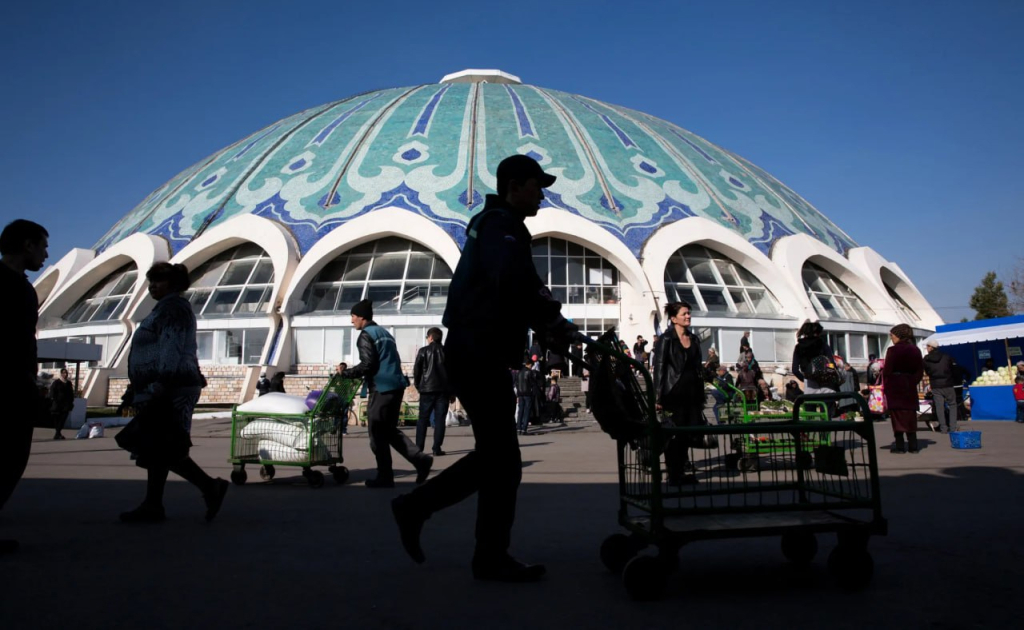
In 2025, the financial performance of Tashkent’s markets, particularly farmers markets, demonstrated notable growth, signaling underlying economic dynamics within the capital's trade sectors. Most markets recorded substantial profit increases compared to the previous year, with some exceptions illustrating varying local economic pressures.
Askiya Market Emerges as the Most Profitable
The Askiya farmers market led the profit surge in 2025, achieving an impressive net income of 7.95 billion Uzbek soums. This marks a dramatic leap from its 2024 profit, which stood at a mere 4.1 million soums. The scale of this increase highlights strong demand growth and potentially effective management or favorable market conditions driving this expansion.
“The profit jump at Askiya market is emblematic of a broader recovery and modernization in Tashkent’s agricultural trade hubs.”
Following Askiya, the Mirobod farmers market secured the second-highest profit, with earnings of 6.2 billion soums, reflecting a year-on-year increase of 1.8 billion soums. This steady growth suggests a consolidation of market share and improved operational efficiencies.
The Farhod market and Chorsu market ranked third and fourth with profits of 3.7 billion and 3.1 billion soums respectively, indicating healthy returns but at a more moderate growth pace relative to the leaders.
In contrast, the Yunusobod farmers market maintained a stable financial position, with profits edging up by just 50 million soums to reach 2.6 billion soums. This stability could indicate mature market conditions or saturation in its catchment area.
Notably, the Qo'yliq farmers market experienced a significant contraction, with profits falling by 1.6 billion soums to 557.3 million soums. This decline may reflect competitive pressures, shifts in consumer preferences, or operational challenges unique to this market.
Auto Market Growth Highlights Diversified Economic Activity
Beyond agricultural markets, the Sergeli automobile market displayed exceptional growth, reporting net profits of 18.85 billion soums in 2025. Its performance underscores the increasing importance of the automotive trade within Tashkent's urban economy and suggests robust demand in this sector.
The pronounced profitability differences across various markets reveal structural economic shifts, including consumer behavior changes, supply chain adaptations, and possibly governmental policy impacts on market operations.
Historically, market profitability in urban centers such as Tashkent has been sensitive to macroeconomic factors and local policy frameworks. The 2025 results may indicate a broader trend of modernization and efficiency improvements in informal and semi-formal economic sectors that are critical to Uzbekistan’s overall economic resilience.
As these markets evolve, stakeholders must consider the implications for labor, urban planning, and supply chains. Sustained profitability growth could catalyze further investments, while downturns like those seen in Qo'yliq suggest a need for targeted interventions to address market-specific issues.
Based on reporting by Deutsche Welle.