Pentagon Curbs Canada Defense Ties as Economic Frictions Deepen
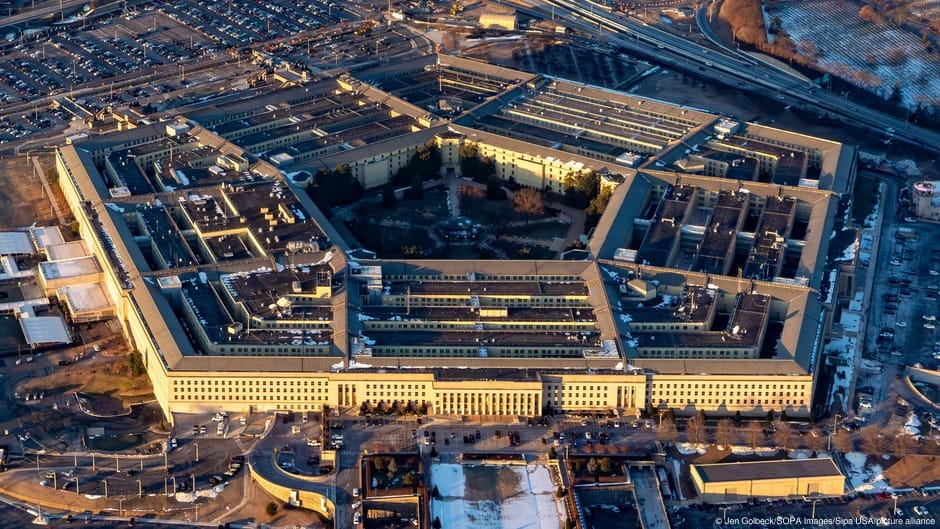
New Pentagon limits spare NATO, NORAD and intelligence ties but deepen uncertainty as US-Canada trade and procurement disputes spread into defense policy.

New Pentagon limits spare NATO, NORAD and intelligence ties but deepen uncertainty as US-Canada trade and procurement disputes spread into defense policy.

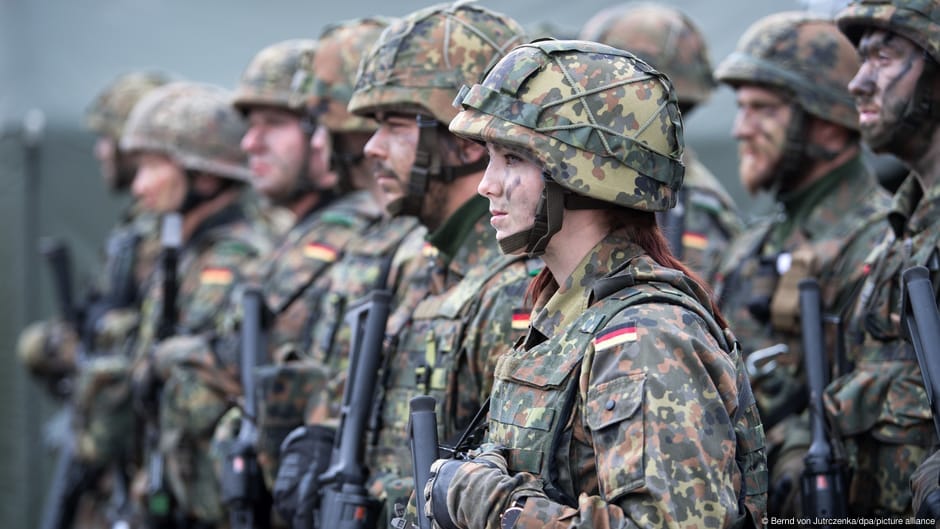
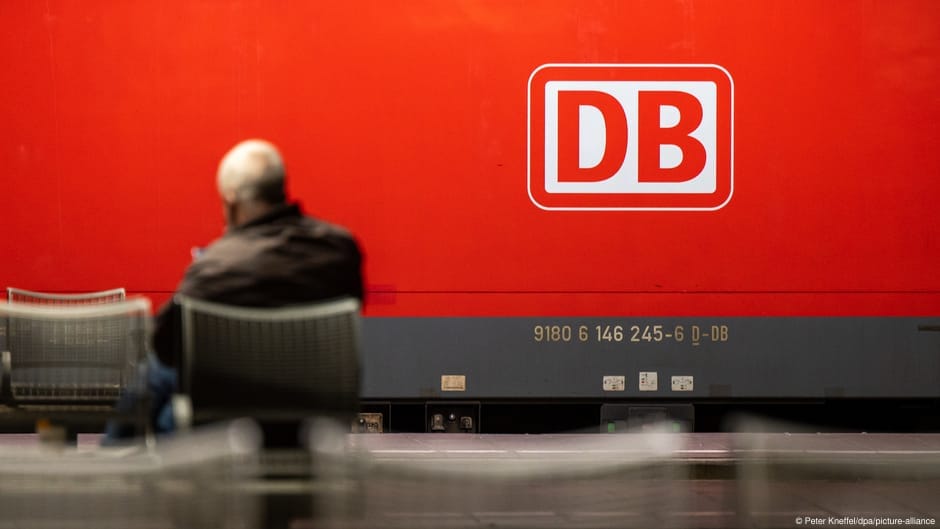
Germany’s decision to move tanks to Lithuania by rail highlights the strategic and economic importance of Europe’s transport infrastructure.

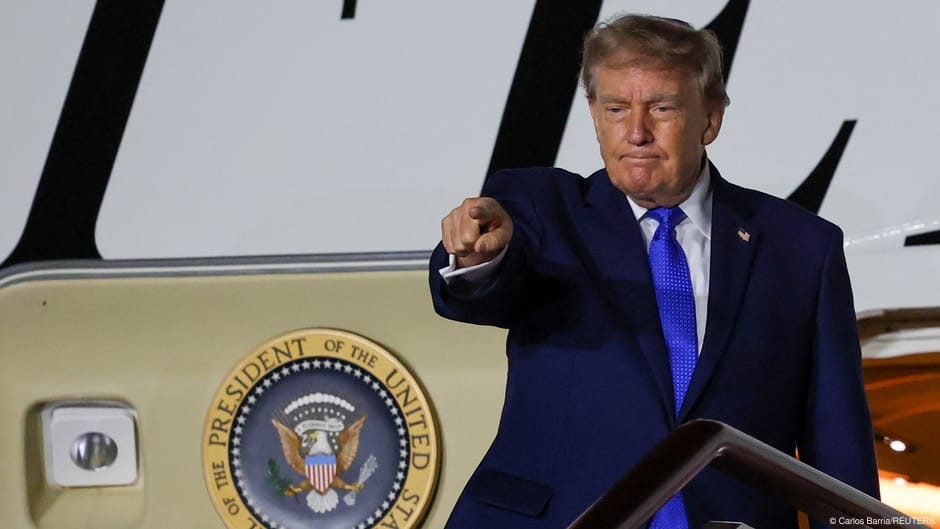
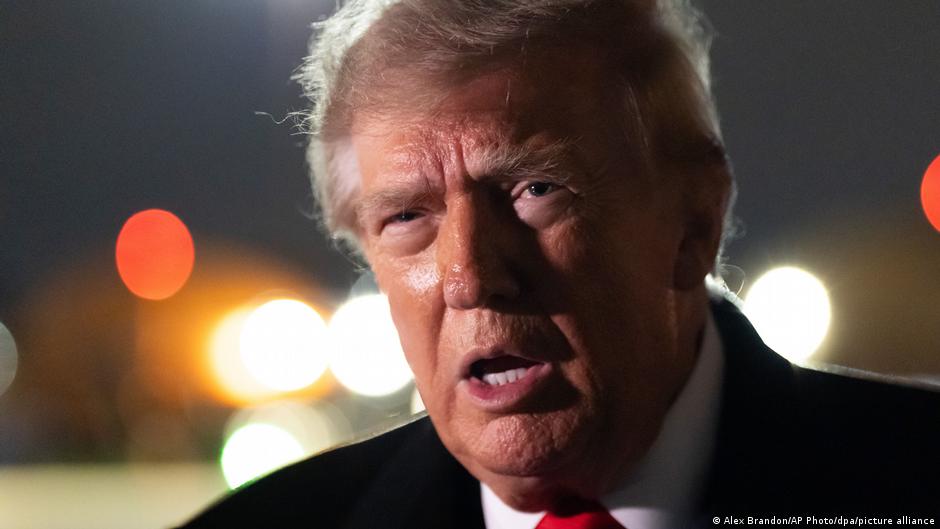
Trump endorsed Kyiv’s right to participate in decisions on the war, even as a US-China-Russia peace declaration omitted Ukraine.

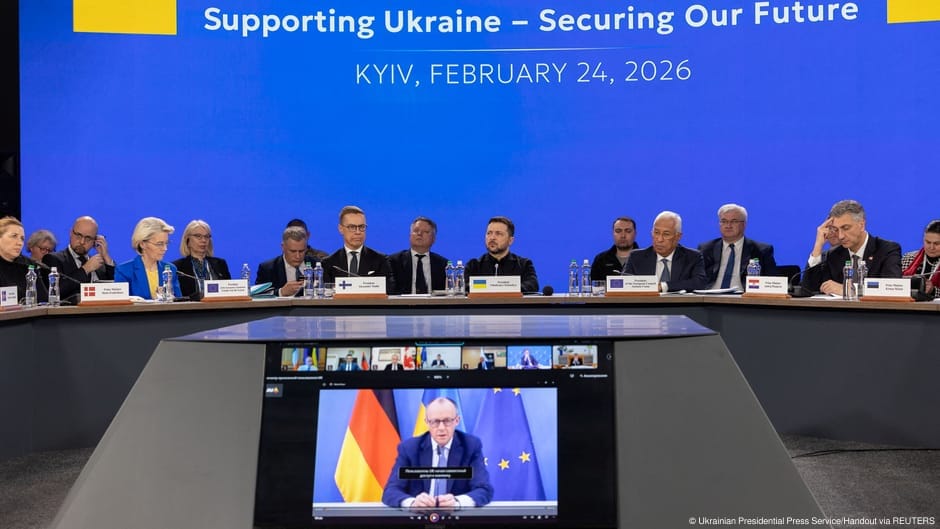
Berlin talks will connect military aid and security guarantees for Ukraine with Europe’s long-term fiscal, industrial and geopolitical stability.

The EU has excluded Russia-based organizations and residents from Erasmus+, deepening the long-term divide in education, skills and research networks.

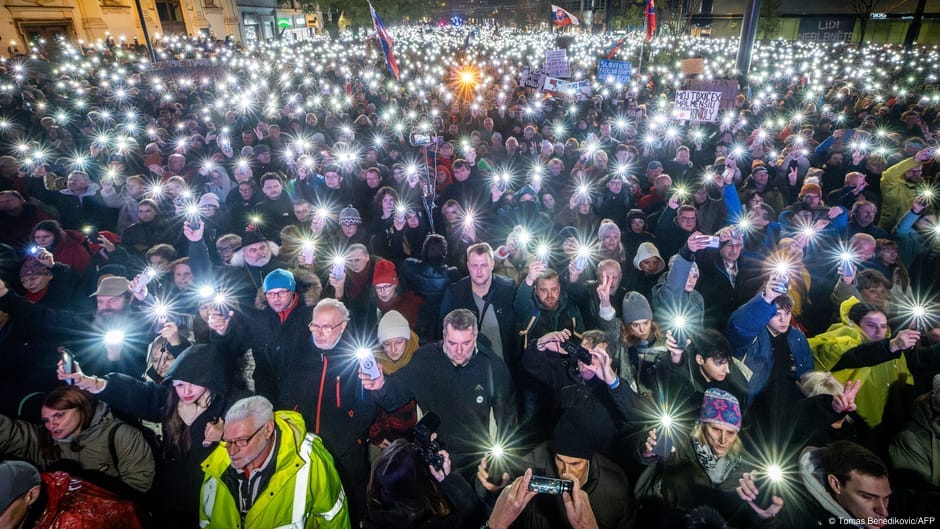
Mass protests against Robert Fico’s government reveal growing concern that political and institutional uncertainty could weaken Slovakia’s economic model.

Nearly €400 million passed through DB Cargo Russija since 2022, raising questions about transit revenue, state infrastructure and EU sanctions.

Most Germans view Russia as a threat, but an almost even split over Russian energy supplies exposes a persistent conflict between security and economic concerns.

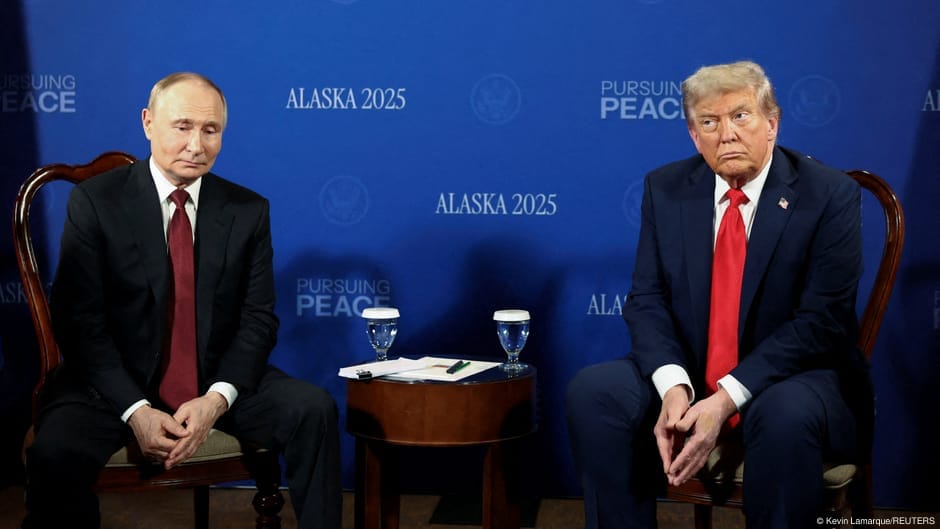
Trump, Putin and Xi are expected to open three-way nuclear arms talks at APEC, while Ukraine remains outside the planned Shenzhen agenda.

A nationwide FAA ground stop showed how aging aviation technology can transform a routine upgrade into a costly risk for the wider US economy.

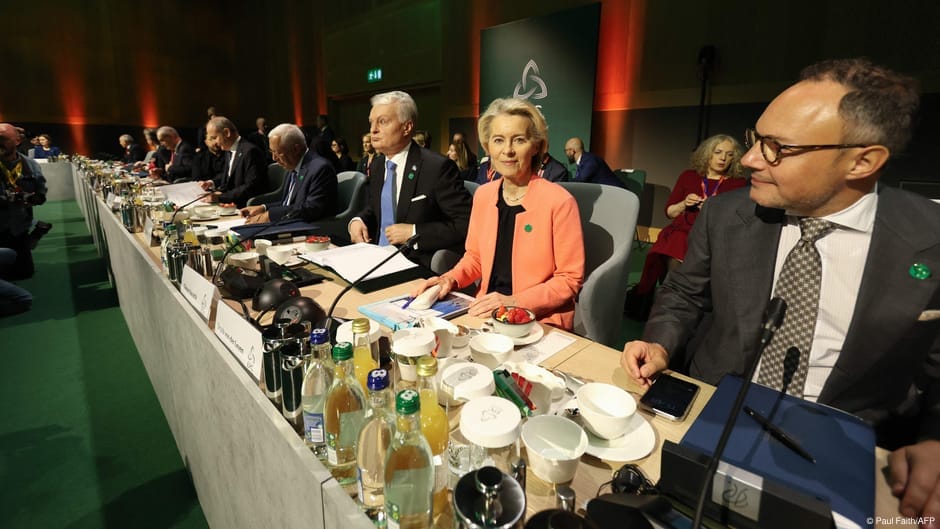
Nearly 40 European states have adopted a security charter that broadens cooperation and could reshape defense spending, fiscal priorities and transatlantic burden-sharing.

Moscow and Kyiv will include European partners in the next peace talks as mediators also prepare a potentially record prisoner exchange.

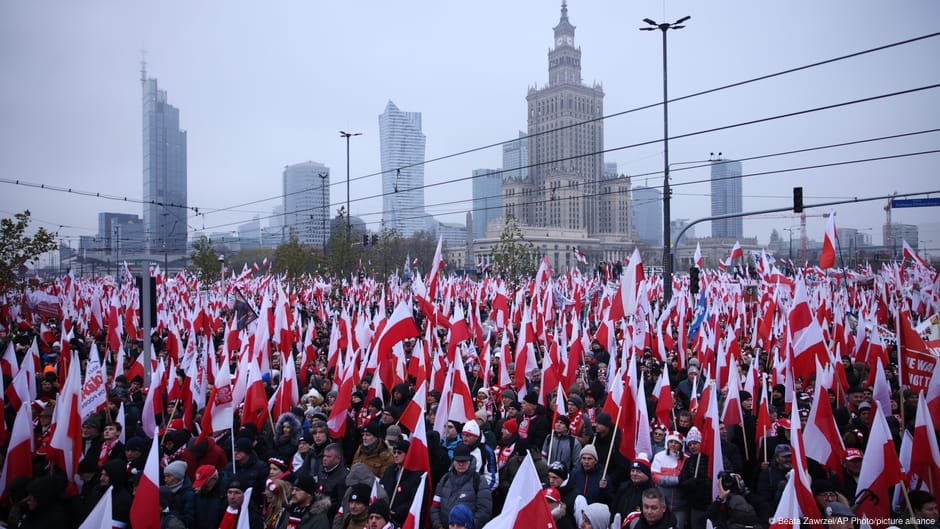
A 250,000-strong Warsaw march highlighted how nationalism and conflict over Poland’s Constitutional Tribunal could shape institutional and economic confidence.

Spain’s first general strike in 14 years brought mass protests over housing costs, as a shortage estimated at 750,000 homes deepens economic and political pressures.

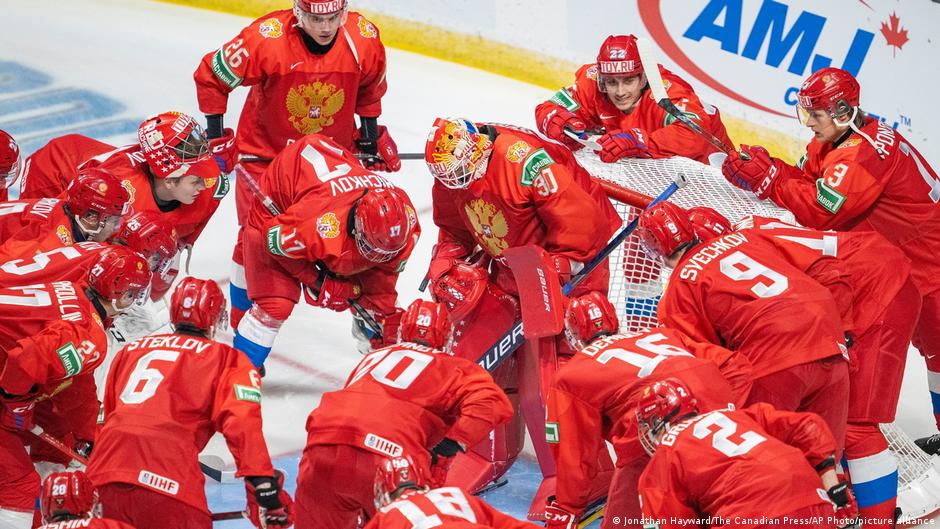
Canada will deny entry to Russian and Belarusian participants at the 2027 World Juniors, highlighting the limits of sports arbitration amid geopolitical sanctions.

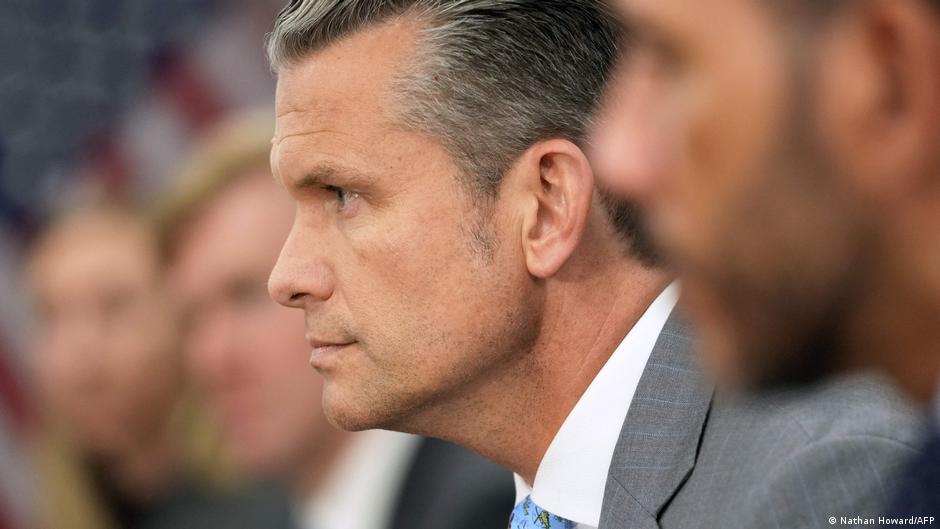
Thomas Massie’s impeachment resolution against Pete Hegseth turns the Iran war into a wider test of congressional authority, military spending and geopolitical risk.

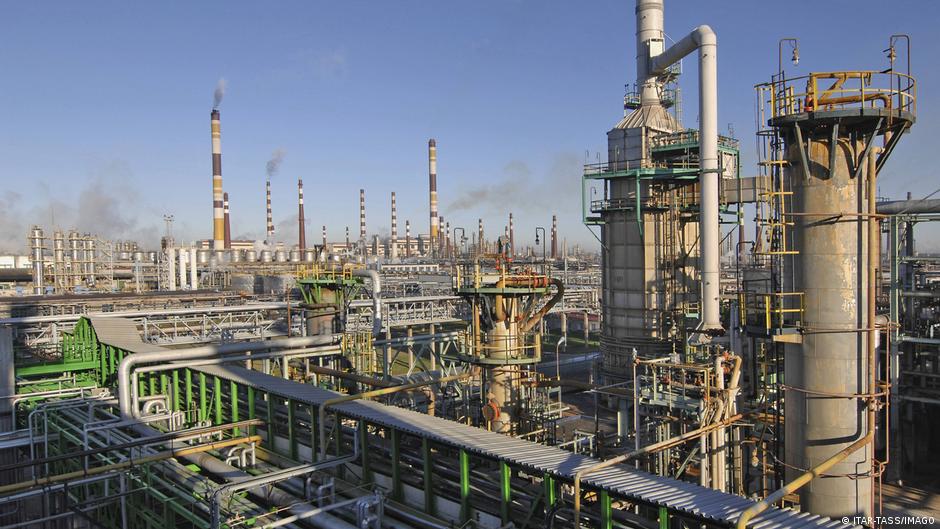
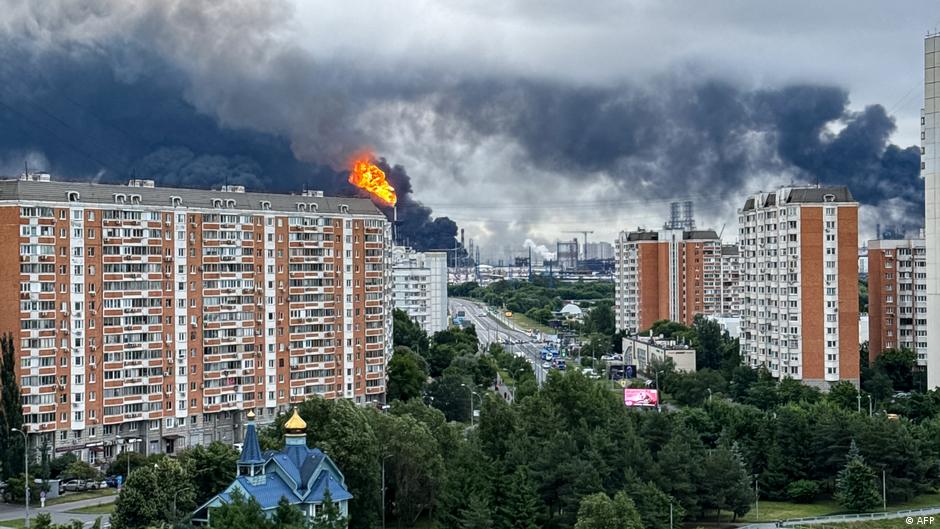
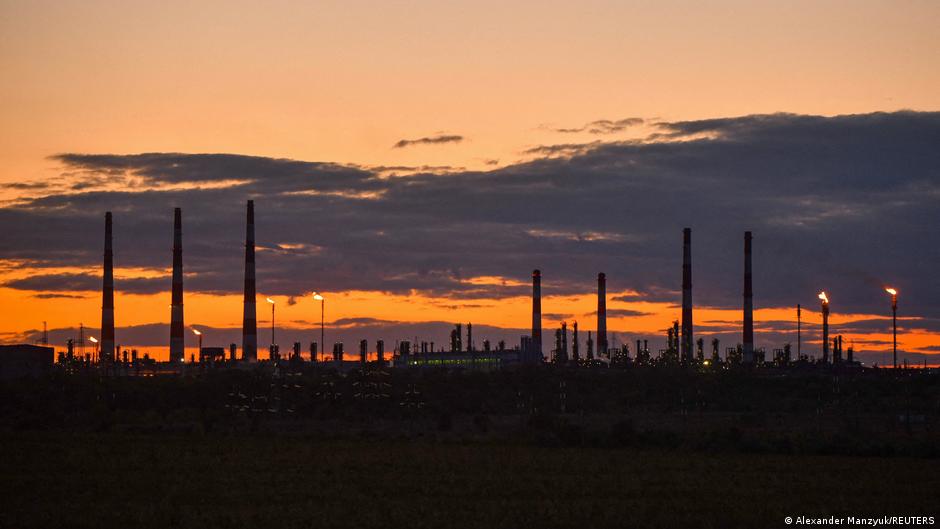
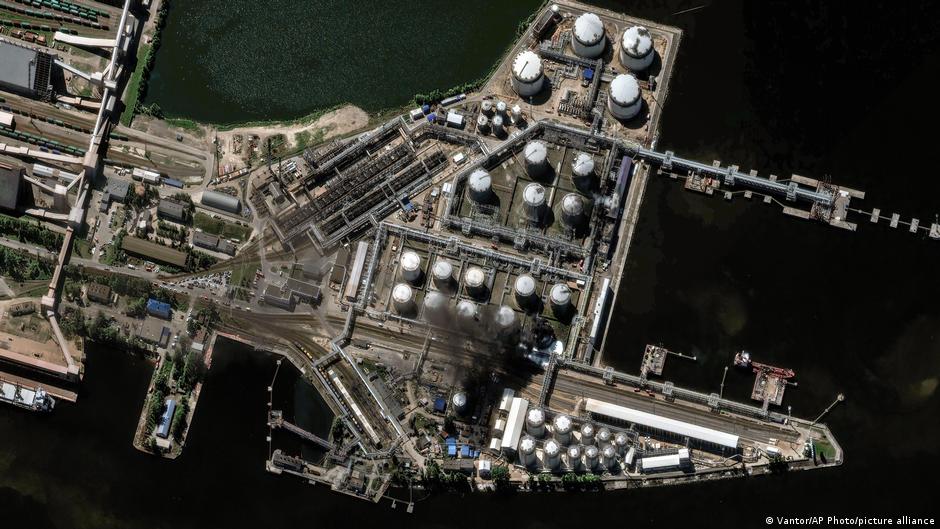
A drone strike on the Kirishi refinery exposes the economic risks surrounding a plant responsible for about 7% of Russia’s oil processing.

Gadi Eisenkot has 28 days to build a coalition, with Arab parties holding the balance amid political fragmentation and economic uncertainty.

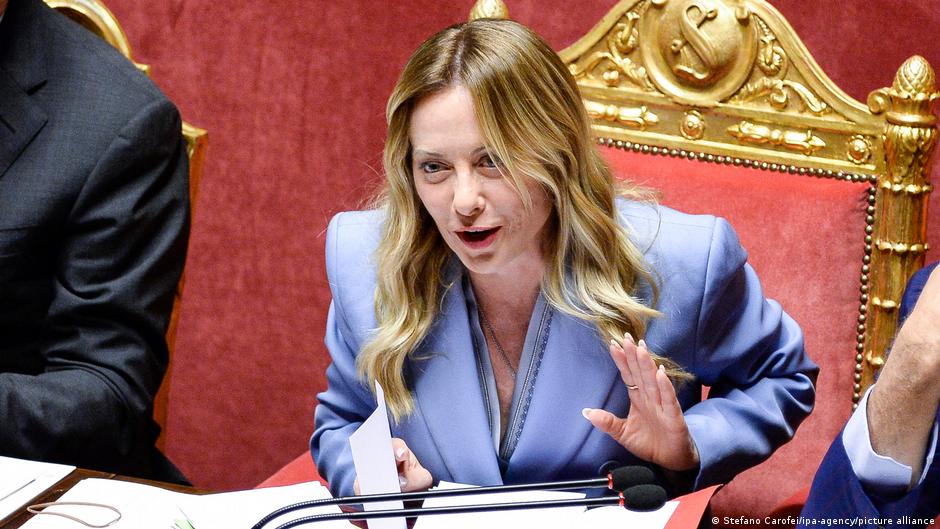
Meloni says the EU must choose an authorized voice for Ukraine peace talks or risk weakening Europe’s diplomatic leverage and economic interests.

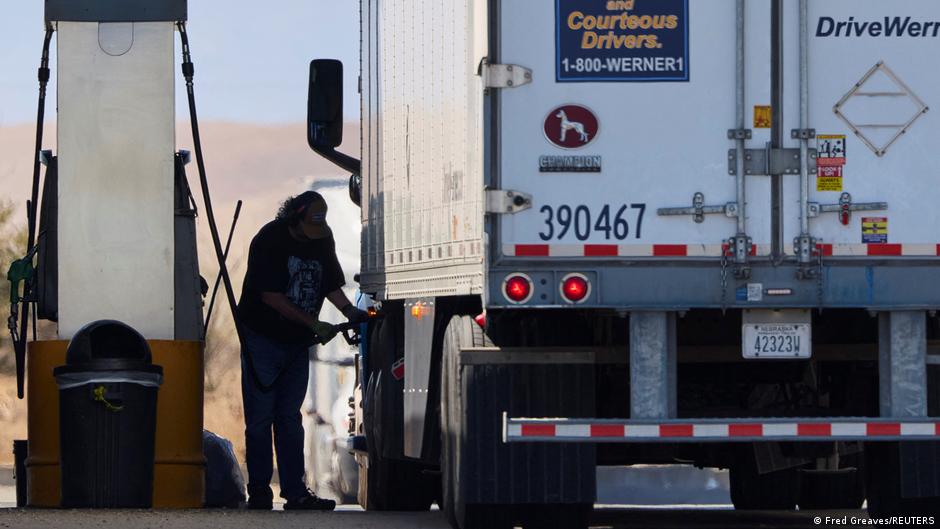
Two Russian fuel tankers have abandoned US-bound routes as sanctions and buyer caution undermine Trump’s effort to reduce soaring diesel prices.

Kazakhstan detained 10 people in Atyrau over an alleged extremist group and closed three underground educational centres for minors.

France’s technical talks with the Taliban reveal the fiscal, legal and diplomatic trade-offs behind Europe’s push to accelerate Afghan deportations.

A federal judge rejected the Trump administration’s attempt to halt certification of Alaska’s pivotal Senate election over alleged voter confusion.

False emergency alerts in Ukraine and Russia reveal the financial and institutional costs of securing trusted public-warning infrastructure.

A US proposal to restore Russian gas transit through Ukraine could support an energy truce but challenge Europe’s planned withdrawal from Russian supplies.

Trump disputed the FBI’s North Korea attribution as Binance reimbursed 90% of a reported $6.3 billion crypto theft, exposing liquidity and security risks.

Kaja Kallas said Russia showed no readiness for Ukraine peace talks at the G20 meeting, reinforcing expectations of prolonged economic and diplomatic strain.

Ukraine’s reported refinery-strike pause shows how US election concerns, fuel prices and Kyiv’s reliance on American technology are reshaping wartime strategy.

Britain and the Netherlands are combining urgent winter defense aid with credit guarantees, energy repairs and multiyear reconstruction funding for Ukraine.

Washington is reviewing sanctions relief for Russia's RDIF as Moscow seeks to involve the fund in diesel supplies to the United States.

Bulgaria’s presidential runoff will pair Iliyana Yotova against Andrey Gyurov after a first round marked by 22.2% turnout and growing debate over Ukraine.

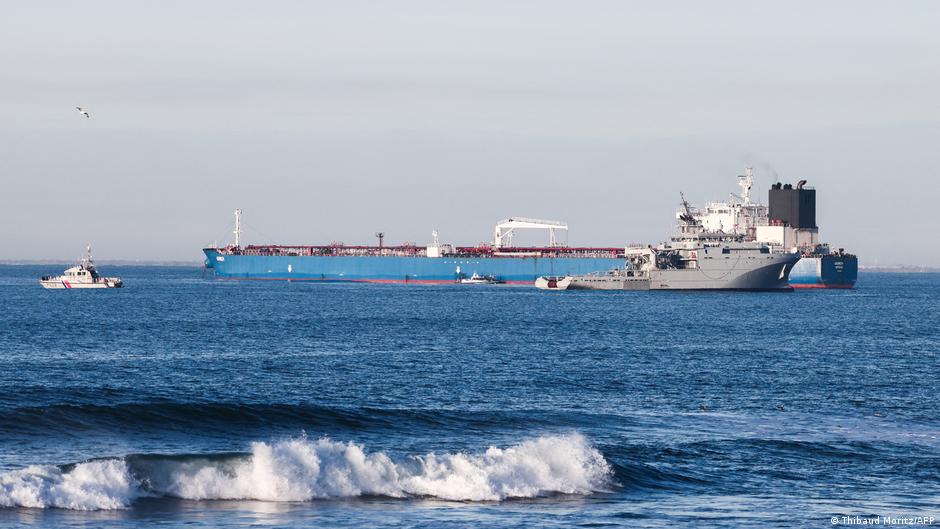
MYRA’s Atlantic distress call highlights the rising operational and economic risks surrounding sanctions-evasion oil shipping.

Audi’s planned $4 billion Georgia factory shows how US tariffs are redirecting automotive investment, jobs and production away from import-based supply chains.

A possible November negotiating round could test whether US, Ukrainian and Russian delegations can move from technical diplomacy toward a leaders’ summit.

Washington will remove 50% duties from selected Canadian industrial goods while imposing tariffs on new consumer-product categories from October 30.

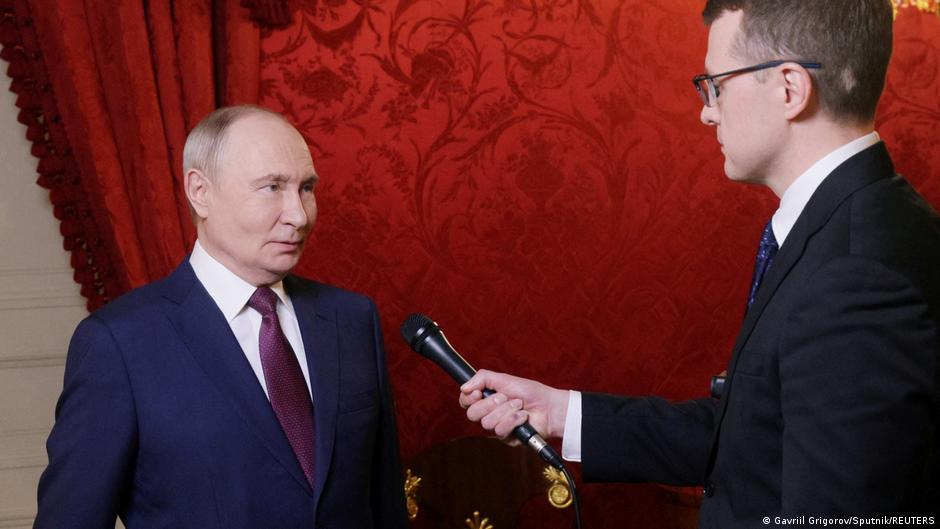
Putin backed renewed US-mediated talks with Kyiv but rejected freezing the war along the current front, leaving territorial demands as the central obstacle.

Trump has delayed sweeping tariffs on Russia and its energy partners, using the sanctions threat to support Ukraine talks and discourage Moscow from assisting Iran.

A reported US peace proposal would restore Russian pipeline gas to Europe, challenging the EU’s 2027 phaseout and reopening the debate over cost and dependency.

The attack disrupted energy, digital, power and transport infrastructure, exposing the economic risks created by concentrated urban networks.

Five drone incursions in one day highlight the mounting security, fiscal and investment risks Moldova faces as Russia’s war against Ukraine spills across borders.

ECB approval gives UniCredit a route to control Commerzbank, testing Europe’s banking integration against German concerns over jobs and business lending.

A bipartisan group of U.S. senators says Trump’s Russian diesel deal would aid Moscow while offering little relief to American fuel consumers.

The EU is preparing new funding for Ukrainian drones and missiles as Brussels links wartime defense needs with long-term financing and reforms.

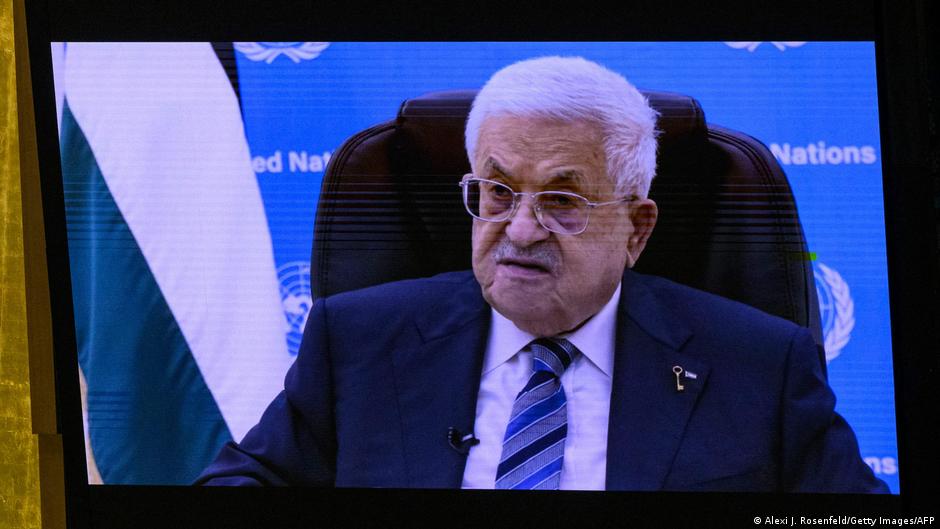
Palestinian elections have been delayed until September 2027, extending political uncertainty around Gaza’s governance and reconstruction.

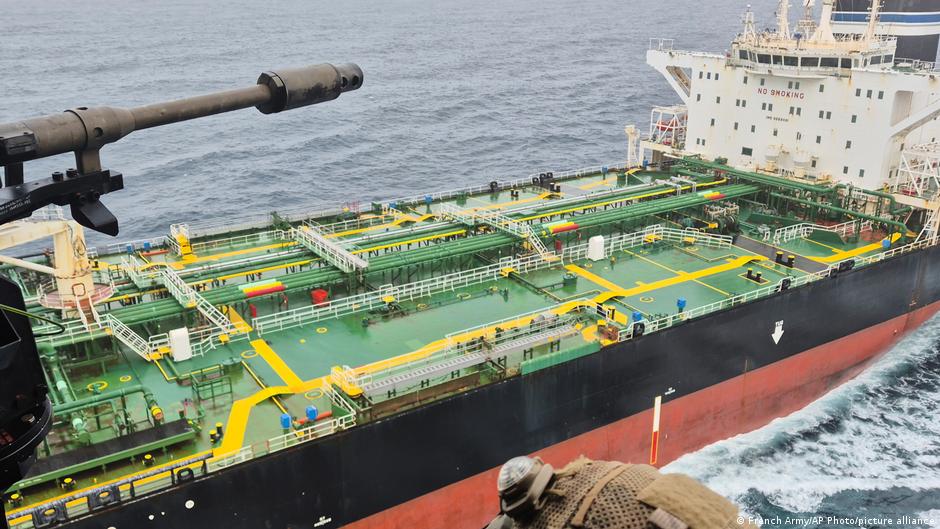
A U.S. strike disabled a Panama-flagged cargo ship near Iran, deepening Gulf trade risks as tanker attacks and fuel prices add economic pressure.

A bipartisan House bill would seek to ban Russian oil purchases after Trump announced an agreement on Russian diesel supplies.

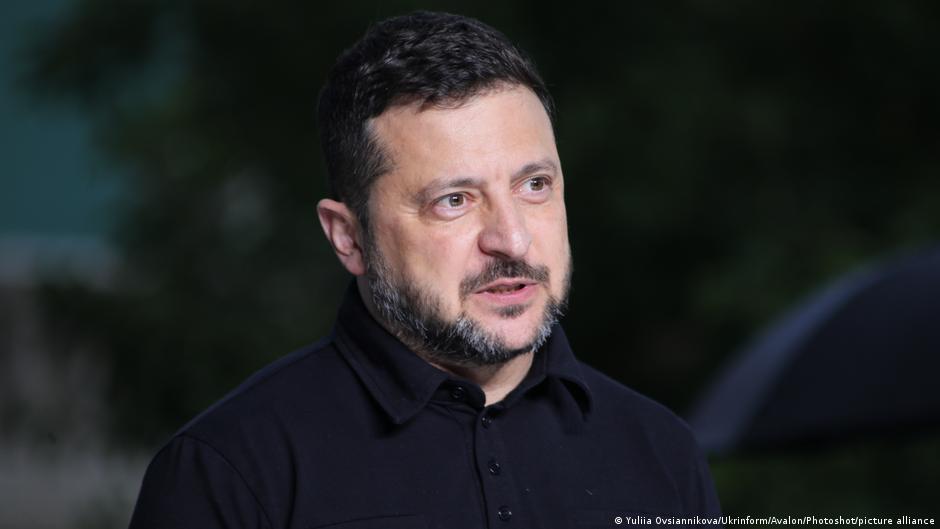
Zelensky warned that a U.S.-Russia diesel deal could strengthen Moscow’s war economy unless tied to clear de-escalation commitments.

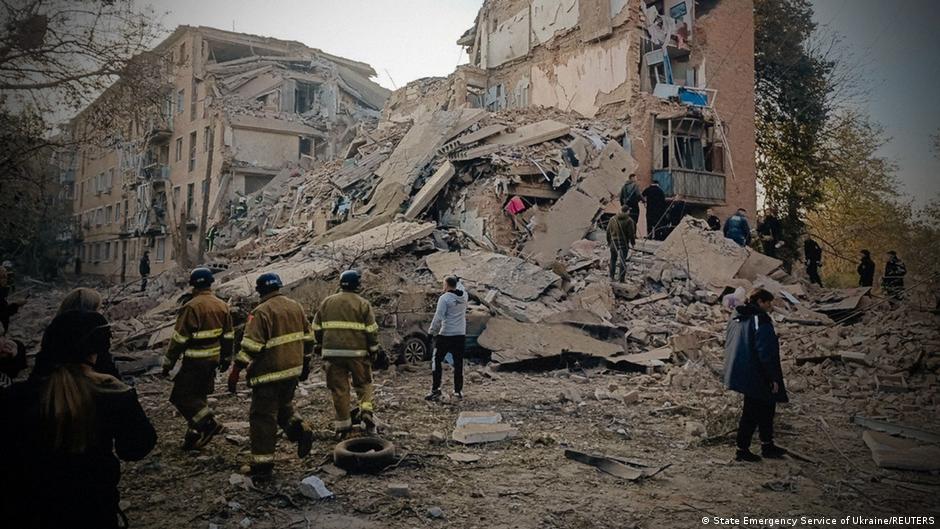
Ukraine said 28 people were killed in a Russian missile and drone barrage, while Zelensky linked the attack to sanctions pressure and oil revenue.

A tanker fire near Sochi exposes the mounting economic risks around Black Sea shipping, Russian oil exports and shadow-fleet logistics.

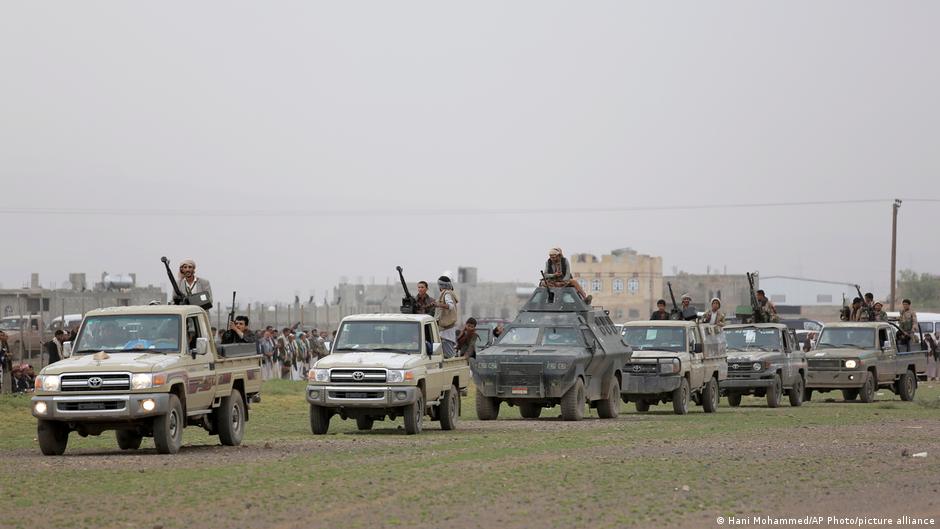
Yemen’s government says it is advancing near Mocha, while Houthis claim gains and strikes inside Saudi Arabia, raising risks for trade and energy.