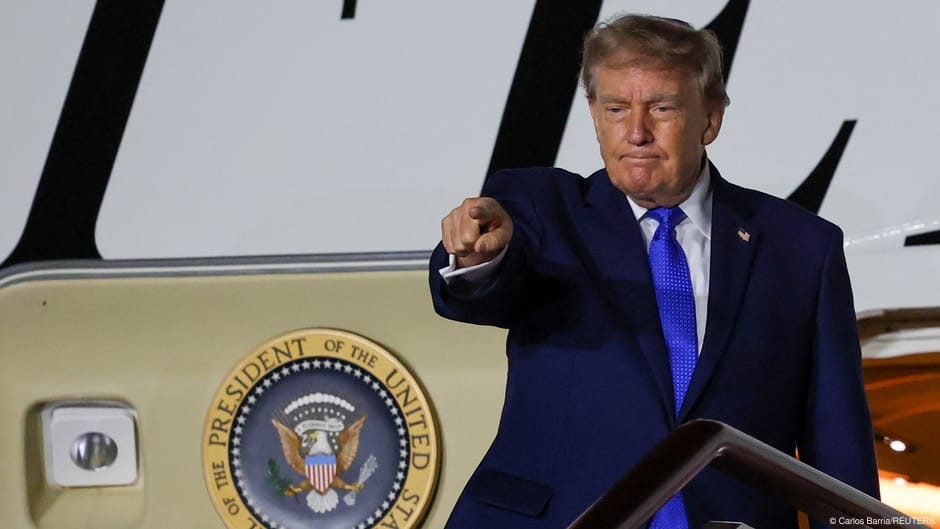
Trump Challenges FBI Claim North Korea Stole $6.3 Billion From Binance
The dispute over attribution exposes the economic risks created by concentrated crypto platforms, thin token liquidity and cross-border laundering.
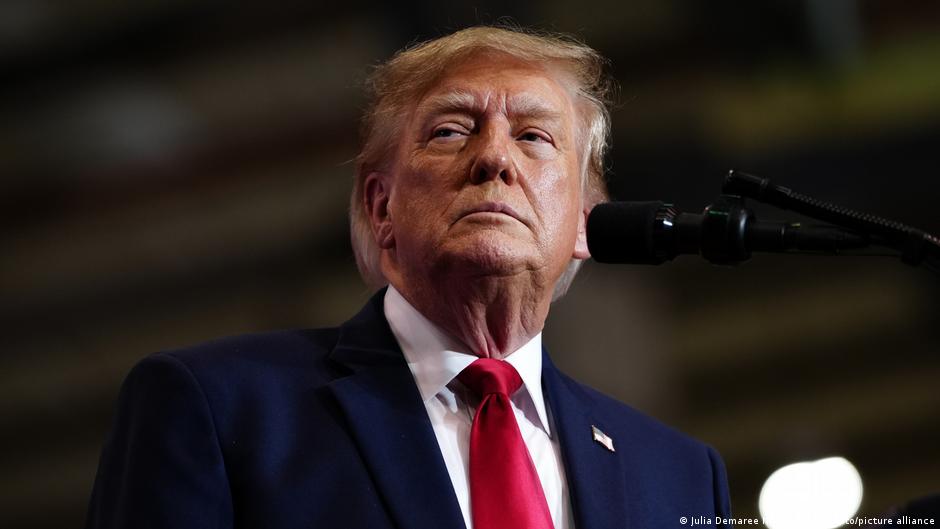
US President Donald Trump has questioned the Federal Bureau of Investigation’s conclusion that North Korean hackers were responsible for an attack on Binance, the world’s largest cryptocurrency exchange, and the theft of about $6.3 billion—more than €5.6 billion—from its customers.
The FBI said on Saturday, October 31, that North Korea was behind the October 29 theft, which it described as the largest cryptocurrency heist to date. The agency attributed the attack to TraderTraitor, a group of North Korean hackers whose members typically convert stolen funds into Ethereum and then launder the assets, including through instant cryptocurrency exchange services.
Trump, however, said the attribution had not been settled. Speaking to reporters at his Mar-a-Lago estate in Florida on November 1, the president emphasized that the administration was still examining the evidence.
“We are looking into it now. We don’t know whether it is connected to North Korea, but if it is, we will discuss the matter with North Korea,” Trump said.
The disagreement matters beyond the immediate question of responsibility. Attribution in a cross-border cyberattack can shape diplomatic relations, sanctions policy and the treatment of cryptocurrency intermediaries. Trump’s caution leaves open whether the incident will be handled primarily as a criminal investigation, a financial-security crisis or a state-linked confrontation.
A theft large enough to test the crypto economy
The reported $6.3 billion loss is significant even in a market accustomed to sharp price movements and repeated security failures. Binance said in 2024 that it managed more than $160 billion in assets, while various estimates put its global registered user base above 300 million. On those figures, the theft represents a material shock to a systemically important crypto platform, even though it does not threaten the entirety of the exchange’s reported asset base.
The episode illustrates a structural contradiction in digital-asset markets. Cryptocurrencies were designed to allow value to move without conventional banking intermediaries, yet a large share of trading and custody has become concentrated in major exchanges. That concentration can improve liquidity and simplify access, but it also creates large pools of assets that attract sophisticated attackers. When a leading platform is compromised, losses can spread across users, token markets and payment channels far beyond the original breach.
The FBI urged companies involved in cryptoasset transactions to block transfers from wallets linked to TraderTraitor. Law enforcement published a list of the relevant wallets in its press release. Such measures show how public blockchains can aid investigators by providing a visible transaction history, but they also reveal the limits of transparency. Funds can still be shifted among assets and services, while instant exchanges may accelerate the process before compliance systems respond.
Compensation highlights a divide in market liquidity
Binance said on October 31 that it had reimbursed customers for 90% of the funds stolen in the attack. According to the company, losses involving BTC, ETH, USDT, BNB, SOL, USDC, XRP, USD1, RLUSD and ZEC were fully covered.
The remaining 10% consists of tokens outside the ten largest assets involved. Binance said those tokens have lower liquidity, meaning that acquiring enough of them to compensate customers completely will take longer. This distinction is economically important: the cost of recovery depends not only on the nominal value stolen but also on whether replacement assets can be purchased without sharply moving their market prices.
Large tokens generally benefit from deeper markets, broader participation and more trading venues. Smaller assets can have thinner order books, making substantial purchases slower and potentially more expensive. Binance’s reimbursement process therefore exposes a hierarchy within the crypto economy. Assets may appear equally transferable on a blockchain, but they are not equally liquid when a platform must replace billions of dollars in customer holdings.
The compensation also shifts the immediate burden from customers to the exchange. That may limit panic and reduce the risk of withdrawals driven by fears of uncompensated losses. At the same time, absorbing a theft of this scale can affect reserves, operational spending and future investment in security. The longer-term consequences will depend on how the remaining claims are settled and whether the incident changes customer confidence.
Political uncertainty complicates financial enforcement
The FBI’s attribution and Trump’s public skepticism create uncertainty for companies expected to act on government warnings. Exchanges, wallet providers and instant-conversion services must decide how quickly to block addresses when the law-enforcement assessment is publicly questioned by the president. Delayed action may allow stolen assets to move, while overly broad restrictions could affect transactions before responsibility has been conclusively established.
If the North Korean connection is confirmed, the attack would raise the prospect of discussion between Washington and Pyongyang, as Trump indicated. If it is not confirmed, the case would still remain a major test of Binance’s capacity to reimburse users and of the crypto industry’s ability to coordinate against laundering.
The central economic issue is therefore larger than a dispute over attribution. A $6.3 billion theft from a platform with hundreds of millions of registered users demonstrates how cybersecurity, liquidity and geopolitics have become intertwined in global crypto markets. Binance’s rapid reimbursement of the largest tokens may contain the immediate damage, but the unresolved 10%, the laundering risks and the disagreement in Washington leave the broader structural vulnerabilities intact.