Trump Meets Xi Jinping in Beijing Amid Strategic Talks on Iran and Trade
Donald Trump and Xi Jinping held a significant meeting in Beijing focusing on Iran, Taiwan, and trade relations with lasting economic implications.
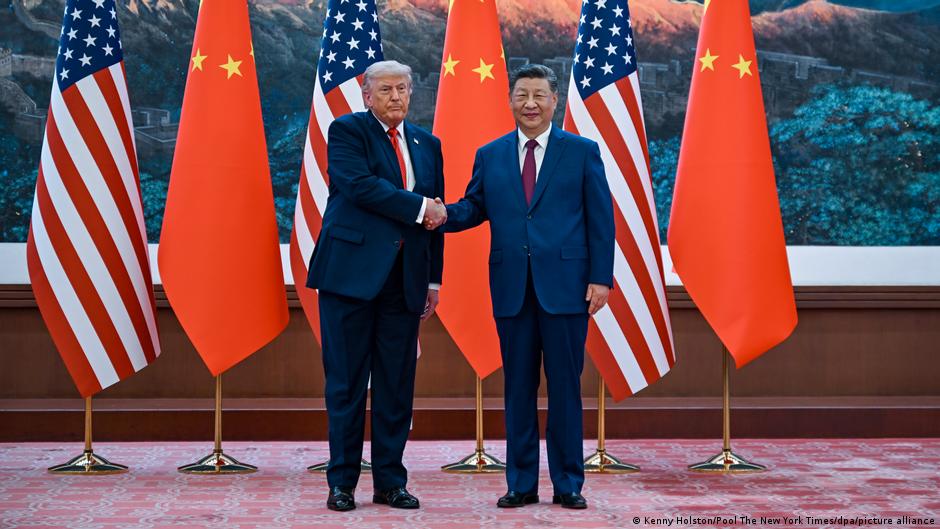
On May 14, 2024, Chinese President Xi Jinping hosted U.S. President Donald Trump in Beijing with full state honors, underscoring the geopolitical importance of the meeting. This encounter between two of the world's leading powers took place in the Great Hall of the People on Tiananmen Square, symbolizing not only the ceremonial but also the strategic weight of their dialogue.
Context and Key Discussions
President Trump expressed optimism about the future of Sino-American relations, calling it a "fantastic common future," while Xi highlighted the global crossroads at which the world currently stands. Xi emphasized the need for the two nations to act as partners rather than rivals, asserting that such collaboration would benefit not only China and the United States but also the broader international community.
"Both nations must be partners, not competitors, as this benefits not just our countries but the entire world," Xi Jinping stated during the meeting.
The visit included high-profile figures from both political and business spheres. Alongside Trump were key officials such as Secretary of State Marco Rubio, Treasury Secretary Scott Bessent, and Defense Secretary Pete Hegseth. On the corporate side, Apple CEO Tim Cook and Tesla CEO Elon Musk attended, signaling the economic stakes involved.
One of the central topics anticipated in the discussions was the ongoing conflict involving the United States, Israel, and Iran. Washington is reportedly seeking Beijing’s assistance in lifting the Iranian blockade of the Strait of Hormuz, a critical maritime chokepoint through which a significant portion of the world’s oil supply transits. U.S. Secretary of State Rubio highlighted China’s vested interest in clearing this blockade, noting that Chinese vessels are among those trapped.
China’s export-driven economy is particularly vulnerable to disruptions caused by the global energy crisis, which dampens demand for Chinese goods worldwide. Restoring free passage through the Strait of Hormuz would thus serve both strategic and economic interests for Beijing.
Trade Relations and Taiwan: Ongoing Challenges
Aside from Middle East security concerns, the U.S. and China leaders were expected to focus on the long-standing tensions surrounding Taiwan as well as bilateral trade relations. The two countries had previously negotiated in October 2023 in South Korea to "remove barriers" affecting China’s rare earth metal exports and to reduce tariffs imposed by Washington linked to the fentanyl crisis. This meeting aimed to build upon those agreements and further ease trade frictions.
Trump’s visit, which extended over two days, was his first to China since his initial term as president, when he last visited Beijing in 2017. The timing of the visit amid rising global tensions underscores the complex economic and strategic interdependencies between the world’s largest economies.
Historically, Sino-American relations have oscillated between competition and cooperation, with trade, technology, and security forming the persistent fault lines. This meeting represents an attempt to recalibrate the relationship in a way that addresses emergent global challenges while preserving economic ties critical to both nations’ growth.
Looking ahead, the outcomes of this summit could have profound implications not only for regional stability in East Asia and the Middle East but also for the global economic landscape. The interplay between strategic diplomacy and economic interests illustrated here reflects the broader structural shifts underway in international relations.