Trump Rejects NATO Assistance in Strait of Hormuz Amid Regional Security Efforts
US President Donald Trump declines NATO's offer to aid in Strait of Hormuz, calling the alliance ineffective while Europe plans a multinational maritime security mission.
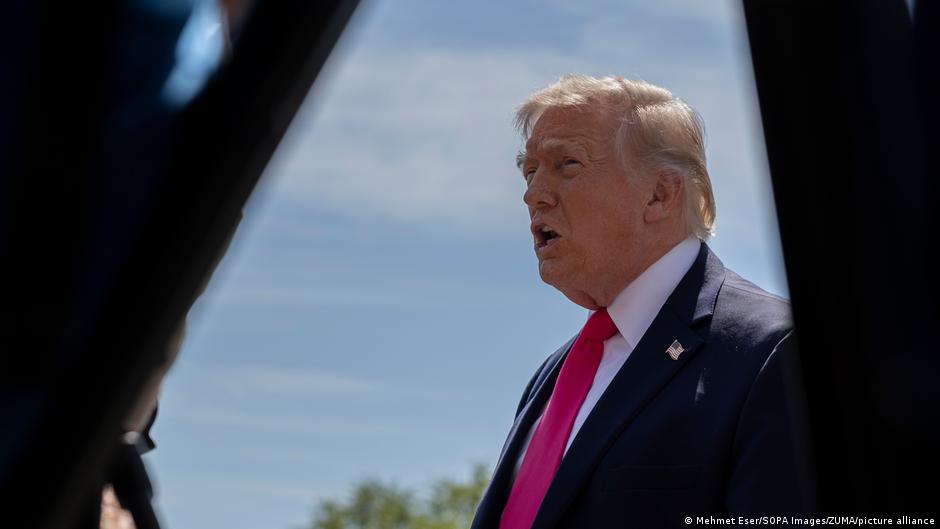
US President Donald Trump has publicly refused an offer of assistance from NATO concerning the strategic Strait of Hormuz, a critical chokepoint for global oil shipments. Trump characterized NATO as a "paper tiger" and instructed the alliance to "stay away," signaling a unilateral American approach to regional maritime security.
Geopolitical Context and Multinational Responses
Following heightened tensions in the Strait of Hormuz, a recent flashpoint due to threats against commercial shipping and regional conflicts, President Trump wrote on his social media platform that the situation had "settled down," and that NATO's offer to help was unnecessary unless the alliance simply intended "to load their ships with oil." His comments underscore a skepticism toward multilateral military cooperation within NATO, reflecting a broader American retrenchment from alliance-based security commitments.
In contrast, European powers have moved to coordinate a multinational mission to ensure freedom of navigation in the Strait. French President Emmanuel Macron and UK Labour leader Keir Starmer jointly announced plans for a mission to be led by France and the United Kingdom. This operation, they emphasized, would be exclusively peaceful and defensive, focusing on the safety of commercial shipping and support for demining activities.
"This mission will be purely peaceful and defensive, aimed at ensuring the security of commercial shipping and aiding demining efforts," stated Keir Starmer during a press conference at the Élysée Palace.
More than a dozen countries have reportedly offered support for this initiative, signaling growing European commitment to maritime security independent of US leadership. German Chancellor Friedrich Merz also expressed readiness to contribute forces, contingent on the cessation of broader Middle Eastern hostilities and establishment of a solid legal mandate, such as a United Nations Security Council resolution. He further stressed the desirability of US participation for legitimacy and effectiveness.
Strategic Implications and Historical Parallels
The Strait of Hormuz remains one of the world’s most vital maritime corridors, with roughly 20% of global petroleum passing through it. Disruptions here have historically led to spikes in oil prices and global economic uncertainty. The reluctance of the US under Trump to engage NATO allies in protecting this corridor contrasts with previous periods, such as during the 1980s Tanker War phase of the Iran-Iraq conflict, when multilateral naval escorts were used to safeguard shipping.
Trump’s dismissal of NATO's role can be interpreted as part of a broader trend toward unilateralism and transactional diplomacy that has redefined US foreign policy. This stance complicates collective security efforts and may encourage European powers to develop more autonomous defense capabilities, particularly in maritime security domains.
Meanwhile, diplomatic efforts continue parallel to military posturing. Amid the ongoing regional instability, Trump and Iran’s Foreign Minister Abbas Araghchi jointly announced the reopening of the Strait of Hormuz to commercial vessels during a ceasefire in Lebanon. However, the US maintains a blockade on Iranian ports until a formal agreement is reached with Tehran, reflecting the continuing complexity of sanctions and diplomatic engagement.
The recent Israeli-Lebanese ceasefire declared by Trump, intended to last ten days from April 17, was quickly challenged by accusations of violations from both sides. This ongoing volatility highlights the fragile nature of regional security and the difficulties in achieving stable peace.
Economic and Structural Consequences
Disruptions in the Strait of Hormuz pose significant risks to global energy markets. Any prolonged insecurity could lead to spikes in oil prices, affecting inflation and economic growth worldwide. The US refusal to engage NATO in a collective response may increase uncertainty, pushing Europe to invest in independent security frameworks. This shift could have long-term implications for NATO cohesion and the global economic order reliant on predictable energy supplies.
Furthermore, the evolving security architecture around the Strait of Hormuz may prompt shifts in shipping routes, insurance premiums, and regional investments, reshaping economic flows in the Middle East and beyond.
In summary, Trump's rejection of NATO assistance in the Strait of Hormuz amid escalating regional tensions reflects broader geopolitical realignments. European powers are stepping forward to fill the collaborative security vacuum, while economic stakes remain high in this vital maritime corridor.