US Deploys Additional 5,000 Troops to Poland Amid Strategic Military Rebalancing in Europe
Following Pentagon’s initial troop deployment halt, the US commits to reinforcing Poland as part of broader transatlantic force restructuring.
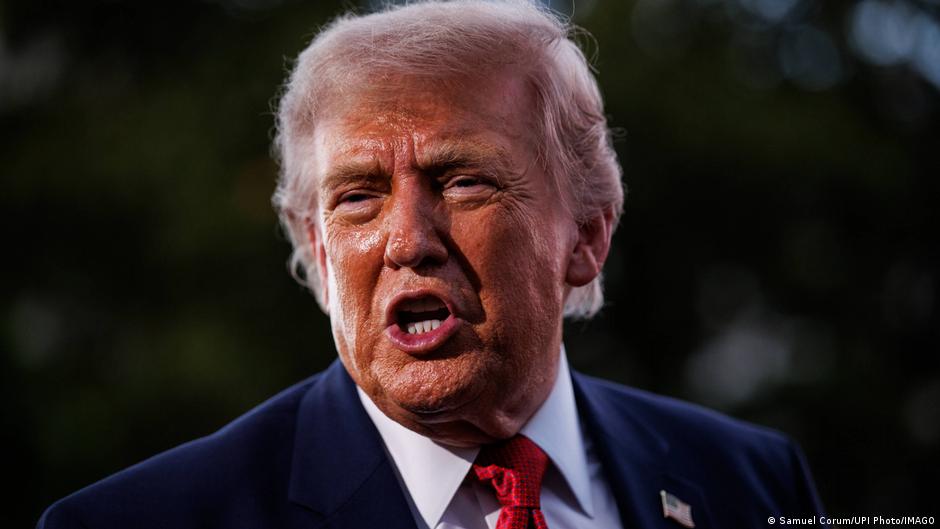
In a notable shift reflecting ongoing strategic recalibrations, US President Donald Trump announced the deployment of an additional 5,000 troops to Poland, countering earlier Pentagon decisions to halt a planned deployment of 4,000 soldiers. This move underscores the complex interplay between US military strategy and geopolitical alliances in Europe amid rising tensions and evolving security challenges.
Background and Strategic Context
On May 22, President Trump declared on his social media platform that the United States would dispatch 5,000 additional troops to Poland, citing strong personal rapport with the newly elected Polish President Karol Nawrocki, whom he had publicly supported. However, it remains unclear whether this contingent represents a new force or corresponds to the previously planned 2nd Armored Brigade Combat Team of the 1st Cavalry Division, initially scheduled for deployment but unexpectedly canceled on May 13.
The Pentagon’s earlier decision to suspend the deployment took many military officials by surprise. Reports from The Wall Street Journal and Defence News linked the cancellation to Trump’s broader objective of reducing US military presence in Europe, a policy that reportedly caught some within the military establishment off guard.
"Polish military officials were reportedly 'furious' to learn about the deployment cancellation through media rather than direct communication from their commanders," a source familiar with the situation revealed.
This development follows Washington’s broader troop realignment across Europe, including the withdrawal of 5,000 soldiers from Germany after criticism from German Chancellor Friedrich Merz regarding US and Israeli policies in the Middle East.
Implications for US-European Defense Posture
As of mid-May, Poland was bracing for a potential reduction in US troop numbers. Statements from Polish military officials acknowledged awareness of the issue, though the Polish Defense Ministry dismissed concerns about any troop reductions. Minister Władysław Koziniak-Kamysz declared that the US troop presence in Poland would not diminish and emphasized ongoing efforts to increase American military personnel.
Military data from mid-May indicated approximately 7,400 US soldiers stationed in Poland, part of a larger contingent of around 100,000 American military personnel in Europe, with roughly 65,000 permanently based and others on rotational deployments. The Pentagon announced on May 19 plans to withdraw one of four combat brigade groups from Europe, aiming to reduce US troop levels to 2021 figures.
General Lieutenant Alexus Grinkevich, NATO’s Supreme Allied Commander Europe, reassured that the US troop drawdown would not hinder NATO’s European defense enhancement initiatives. He highlighted that in the long term, an increase in European military capabilities could allow US forces to pivot toward other global regions.
Congressional oversight also constrains troop reductions. The 2026 National Defense Authorization Act mandates that US active forces in Europe cannot fall below 76,000 personnel for more than 45 days without formal reports justifying such a move to Congress by the Pentagon and European Command leadership.
Structural Economic and Security Consequences
The fluctuating US troop presence in Europe carries substantive structural implications for the regional economy and defense infrastructure. US military bases generate significant economic activity through local employment, procurement, and allied service contracts. Changes in troop levels risk destabilizing local economies, particularly in host communities dependent on military spending.
Moreover, the strategic realignment signals a shift in transatlantic defense priorities, with potential ramifications for European defense industries and NATO cohesion. Poland’s insistence on maintaining and expanding US troop presence reflects broader anxieties about regional security amid Russia’s assertiveness and evolving NATO dynamics.
This balancing act between reducing US military footprints and sustaining European defense capabilities also echoes historical patterns observed during previous US force realignments post-Cold War. The current trajectory may herald a new phase of burden-sharing within NATO, compelling European allies to augment their military readiness amid shifting US commitments.