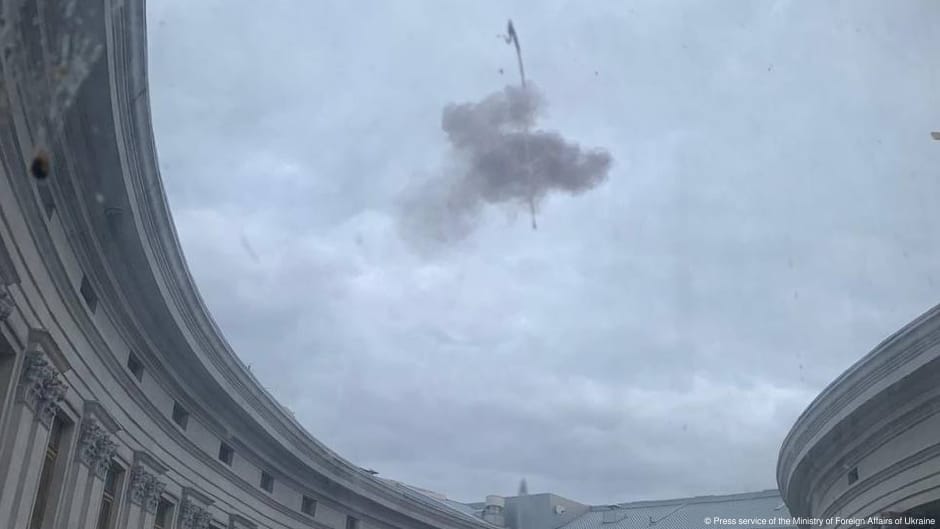
Kyiv Bridge Strikes Deepen Risks to Ukraine’s Urban Economy
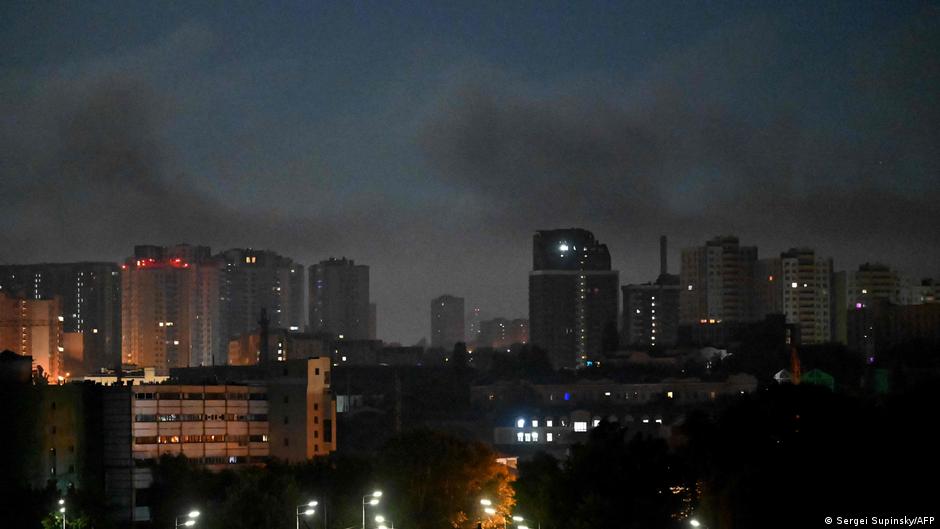
Damage to Kyiv’s bridges and infrastructure is disrupting transport and adding to the long-term economic cost of keeping the capital operational.

Damage to Kyiv’s bridges and infrastructure is disrupting transport and adding to the long-term economic cost of keeping the capital operational.

Slovenia has halted student and most work-visa applications in Russia, narrowing education, labor and family-mobility channels despite a previously low refusal rate.

The Pentagon may withdraw about 5,000 troops from Europe, far fewer than expected, as allied defense spending and wider US logistical needs reshape its calculations.

Spain’s first general strike in 14 years brought mass protests over housing costs, as a shortage estimated at 750,000 homes deepens economic and political pressures.

At least 350 Russian conscripts have been confirmed killed, exposing uncertainties over contract conversion and the war’s long-term labour costs.

The death of Kharkiv educator Alexandra Kazarovitskaya in Crimean detention underscores the wider costs of repression for families, property and human capital.

Germany plans an extra €100 million for Ukrainian generators, energy storage, infrastructure repairs and winter preparation at 2,000 schools and kindergartens.

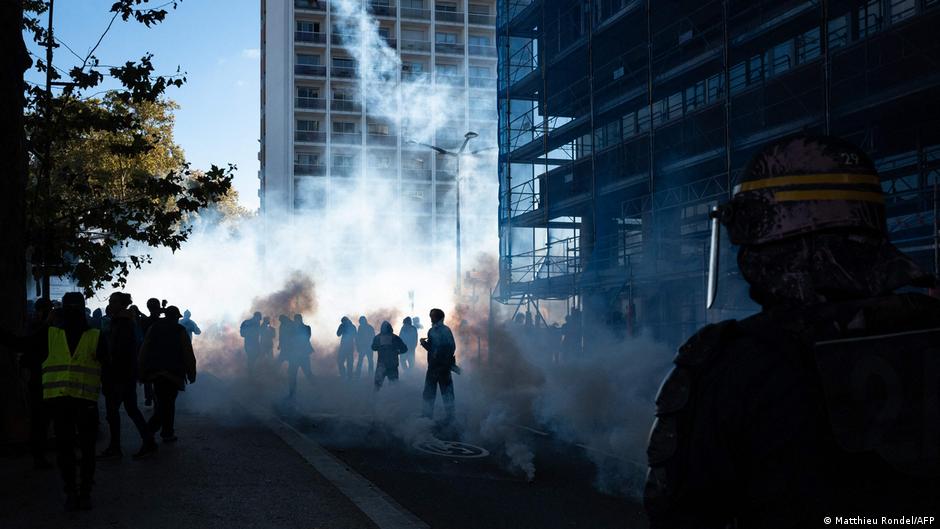
France’s protest turnout fell to 320,000, but anger over living costs, education and future opportunities signals deeper structural strains.

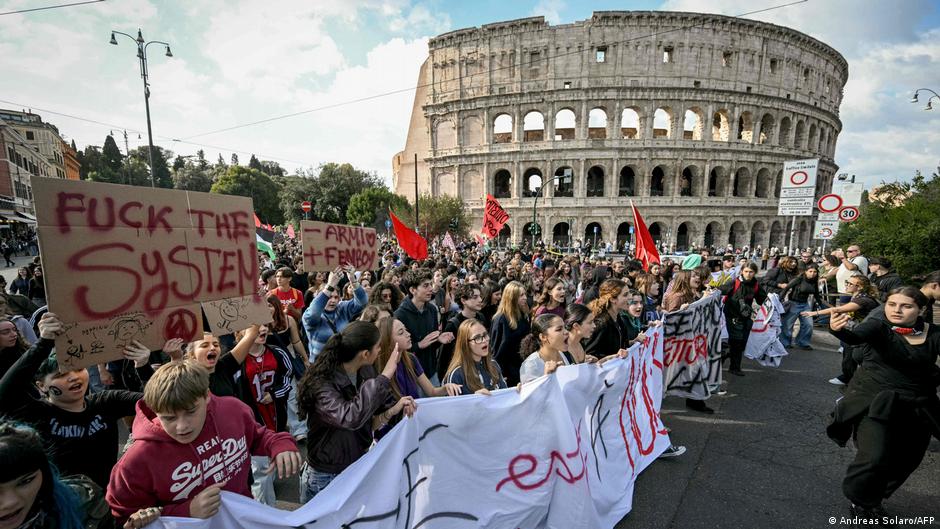
Italy’s mass protests over rents, fuel and defence spending highlight a widening European struggle over household costs and scarce public resources.

Audi’s planned $4 billion Georgia factory shows how US tariffs are redirecting automotive investment, jobs and production away from import-based supply chains.

ECB approval gives UniCredit a route to control Commerzbank, testing Europe’s banking integration against German concerns over jobs and business lending.

EU states agreed to open internal market and competitiveness accession clusters for Ukraine and Moldova, deepening reform and economic integration talks.

Germany’s long-term welfare rolls have reignited debate over Bürgergeld, work requirements and the structural barriers keeping people out of work.

Two Latvian citizens were detained after breaching RAF Molesworth, prompting scrutiny of security risks around NATO and US-linked facilities in Britain.

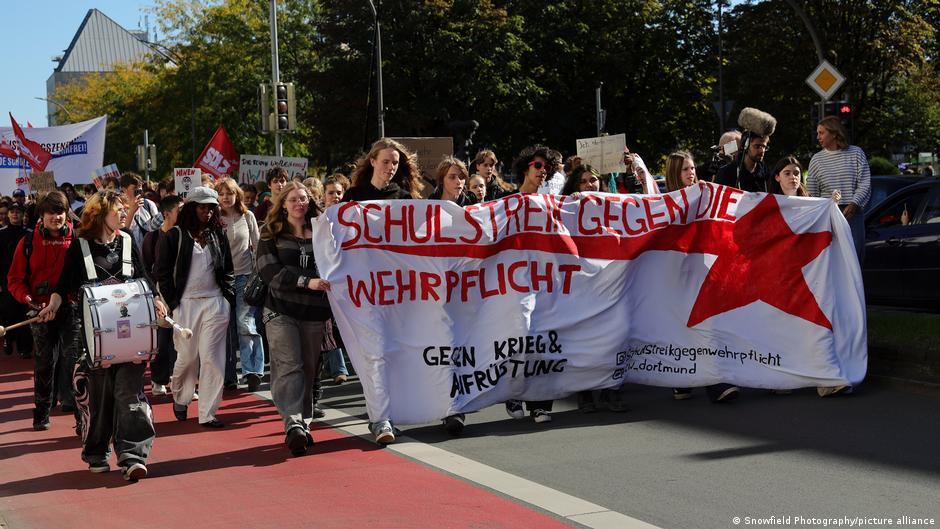
Germany recorded more than 12,000 military service refusal declarations in eight months as recruitment reform reshapes the Bundeswehr debate.

Dutch police detained a 24-year-old Amsterdam cybersecurity worker in a ShinyHunters probe tied to claimed FBI data theft.

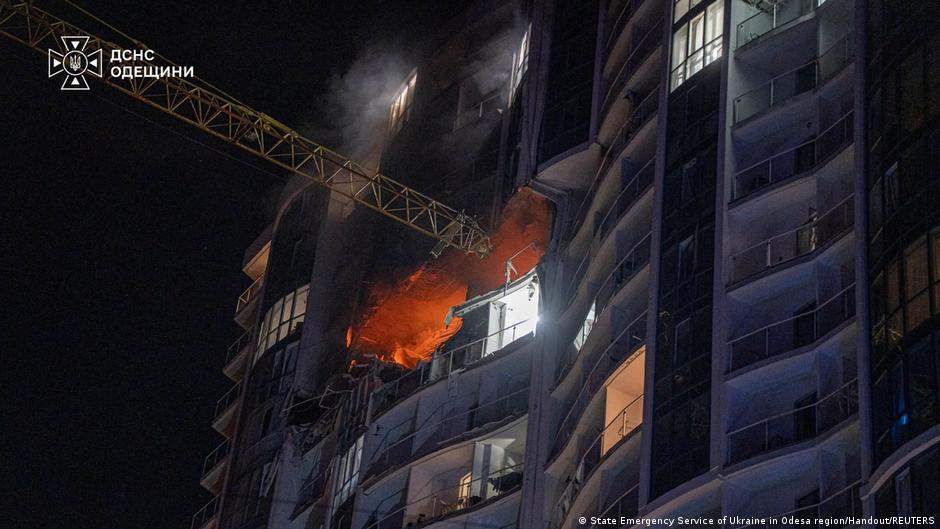
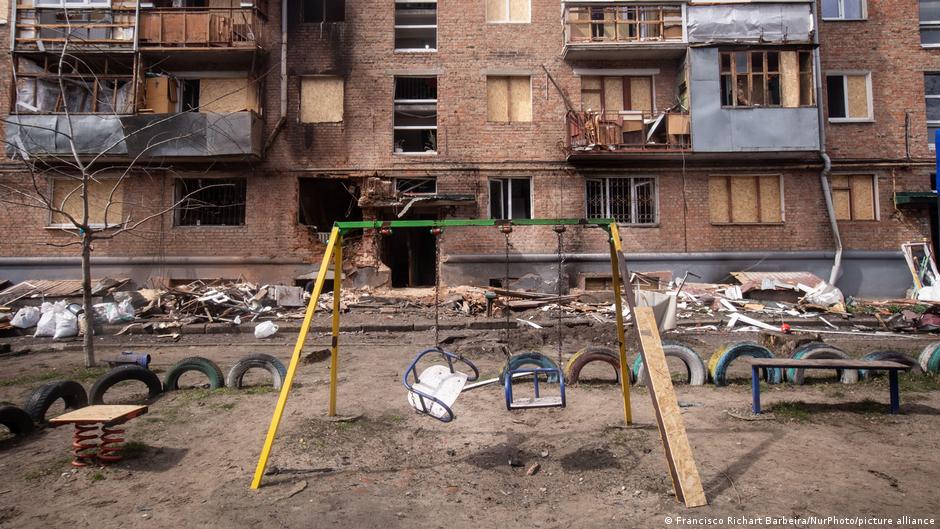
Russian drone strikes killed at least three civilians in Zaporizhzhia and hit port infrastructure in Odesa, deepening Ukraine’s wartime economic strain.

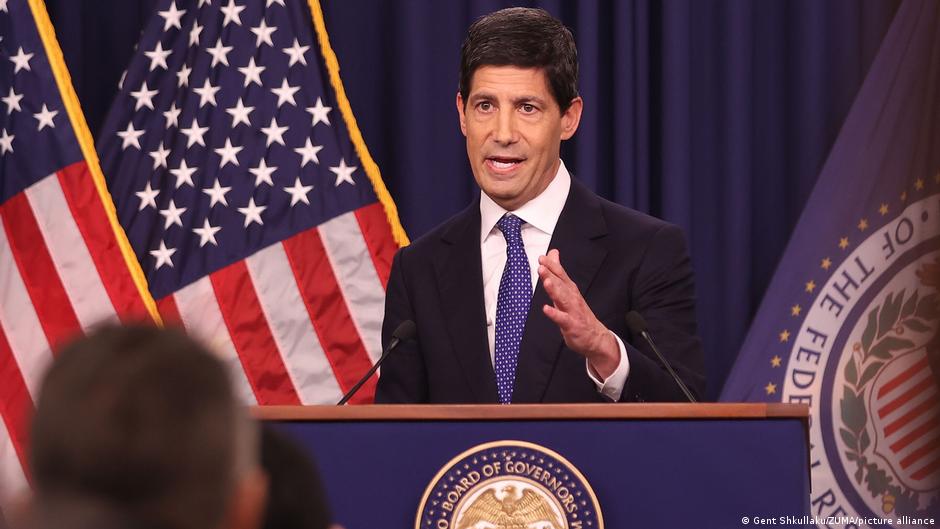
The Fed lifted rates to 3.75-4 percent, citing persistent inflation and reviving tensions between price stability, credit costs and politics.

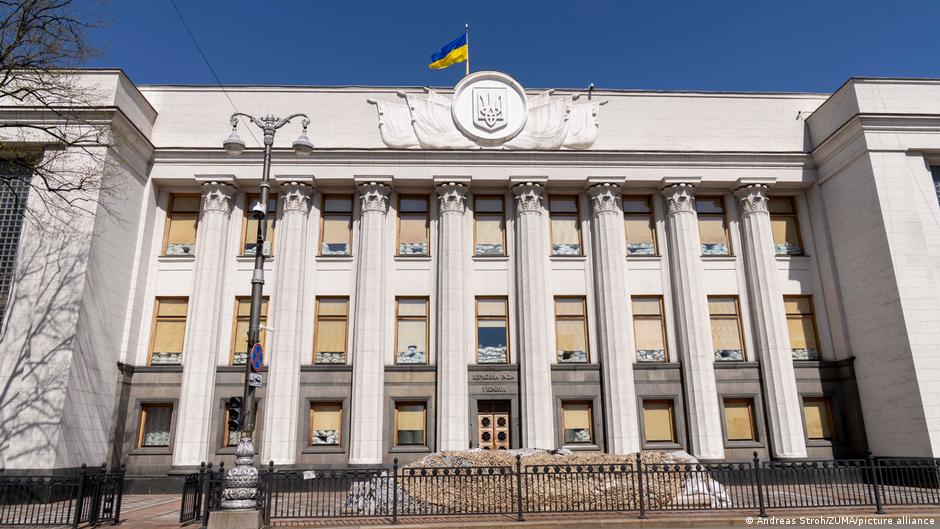
Zelensky says Ukraine’s parliament must pass difficult bills tied to billions in Western aid as defense costs and war damage widen the budget gap.

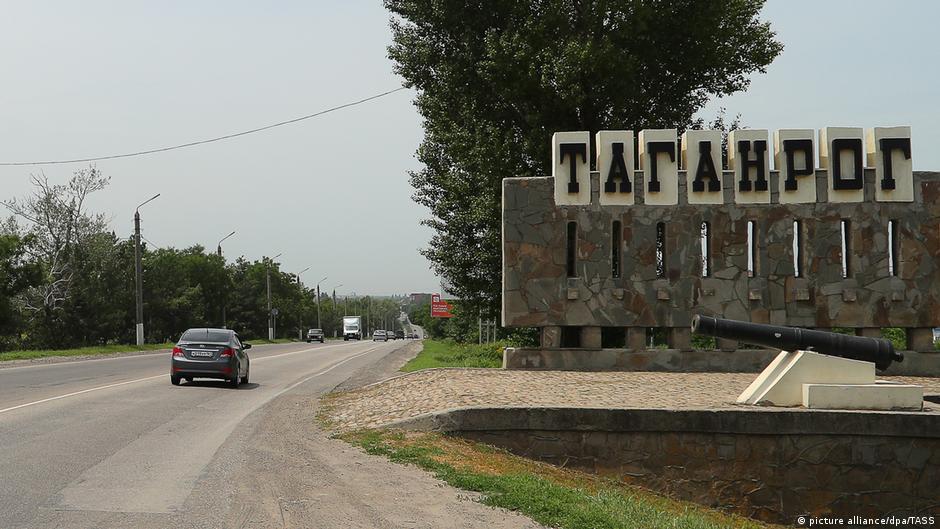
Strikes on Syzran and Taganrog exposed mounting pressure on Russia’s refining, logistics and industrial networks amid talk of an energy ceasefire.

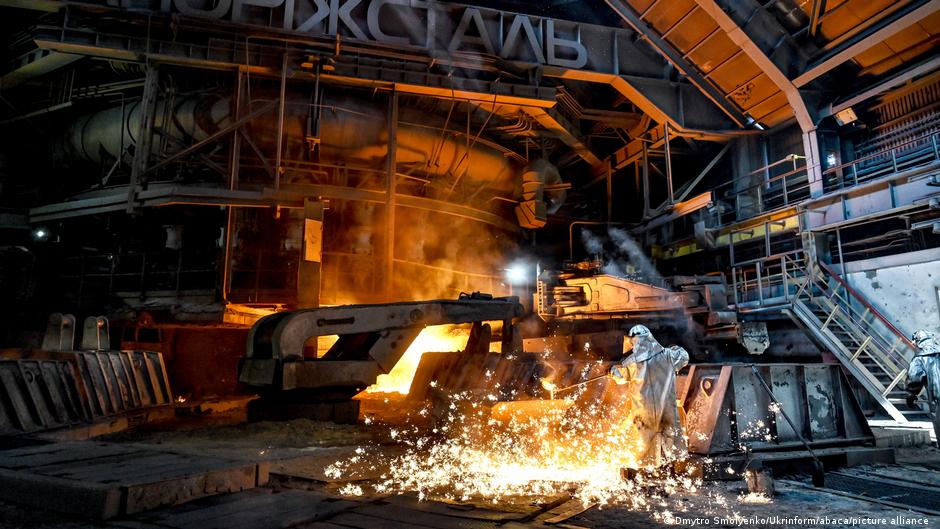
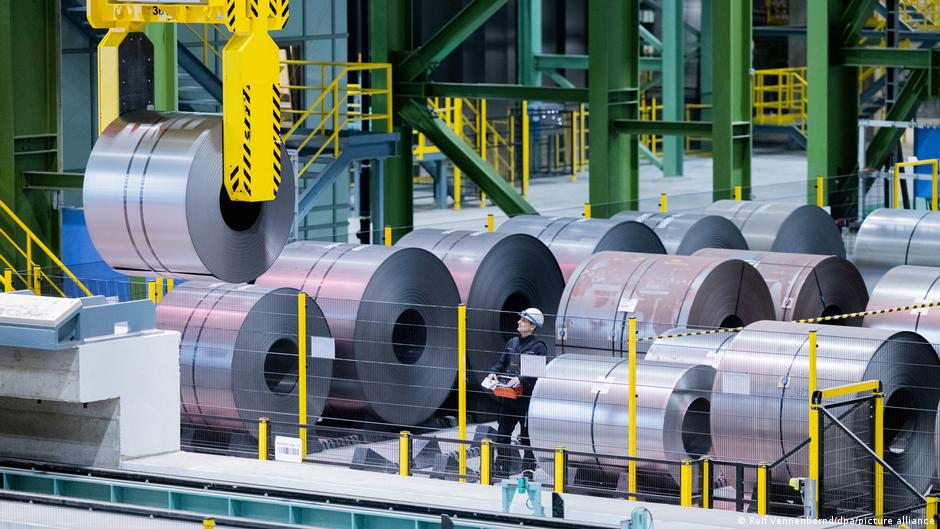
Critical damage at Zaporizhstal threatens Ukrainian steel output, regional employment and tax revenues after repeated Russian missile strikes.

Lukashenko says Belarus will inspect all armed forces up to mobilization level, a move with military, administrative and economic implications.

Zelensky expects late-September talks with a US delegation on grain exports, energy security and the economic pressures shaping diplomacy.

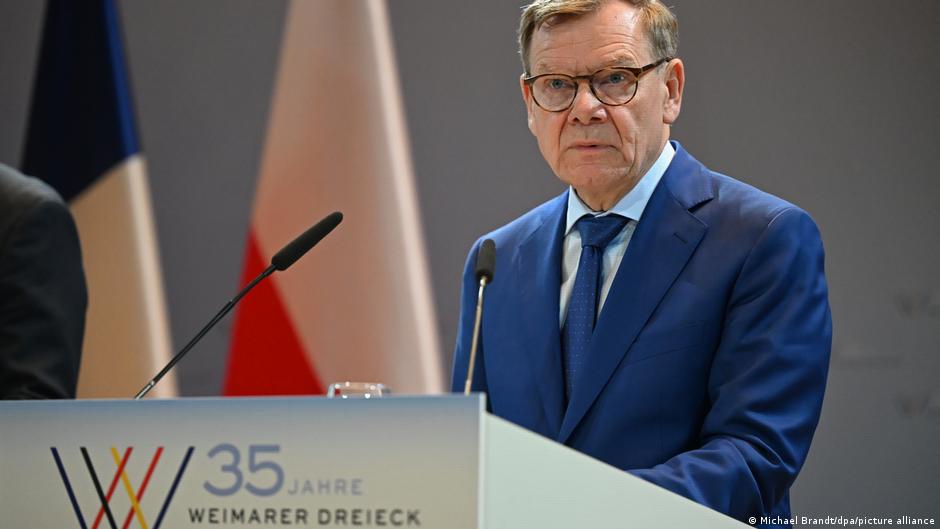
Germany’s foreign minister says Ukraine aid should also benefit German defense firms, linking support for Kyiv to industrial policy and taxpayer accountability.

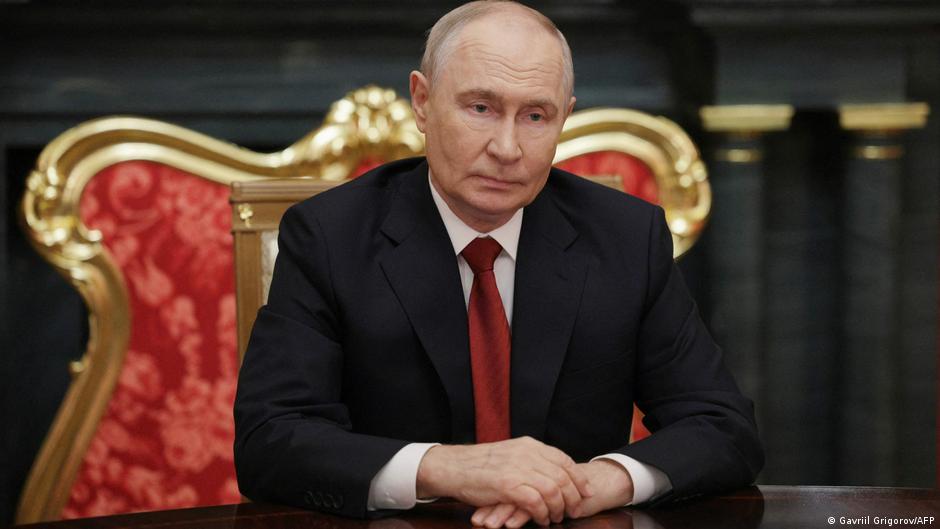
Putin’s support for using medically unfit volunteers in drone defense highlights Russia’s search for manpower while denying new mobilization.

In 2025, foreign workers in Germany earned 23.6% less than German counterparts, reflecting persistent structural wage disparities linked to sector, education, and qualification gaps.

Russia has eased vehicle operation restrictions, enabling individuals with limb loss to drive buses and trucks, reflecting evolving labor policies amid veteran reintegration challenges.

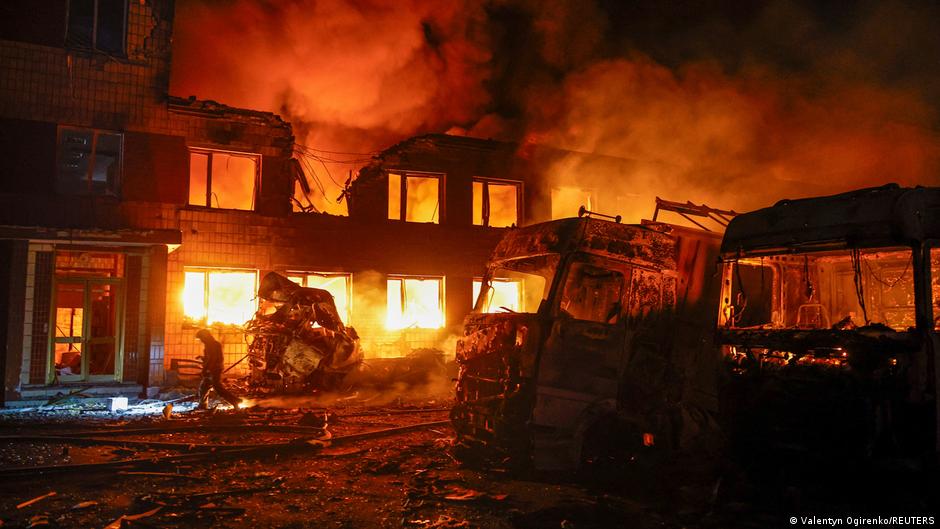
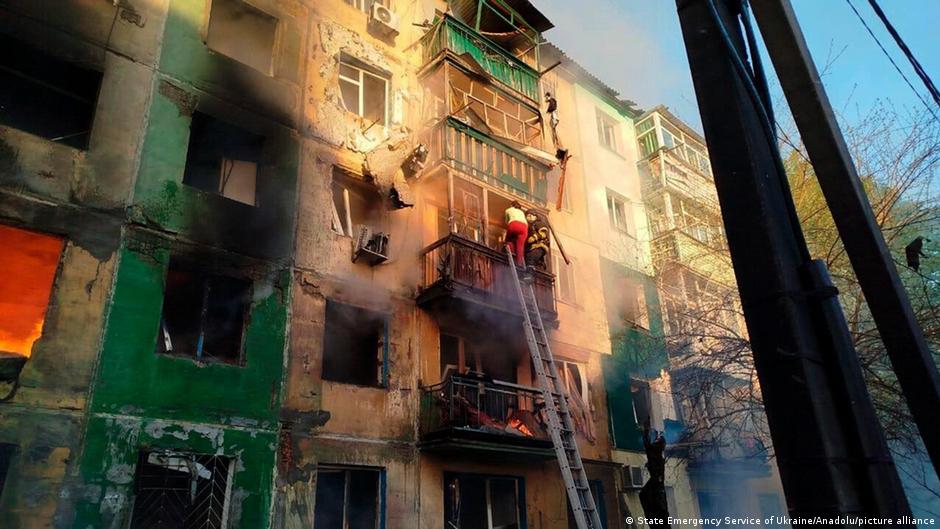
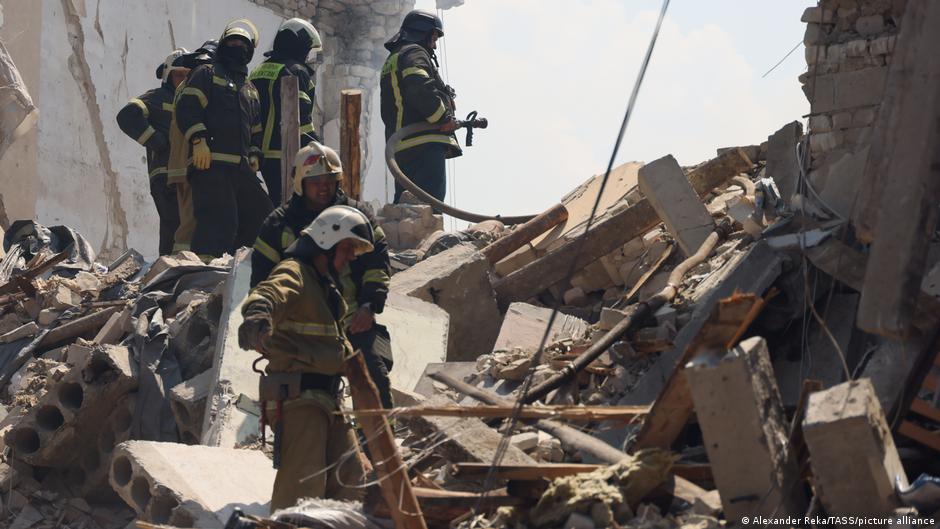
Russian ballistic missile strikes on Kyiv caused nine deaths and over twenty injuries, damaging residential and industrial infrastructure and worsening the city's economic and social challenges.

Uzbekistan introduces a subsidy covering up to 50% of costs for building modern swimming pools, promoting tourism, sports infrastructure, and job creation until 2028.

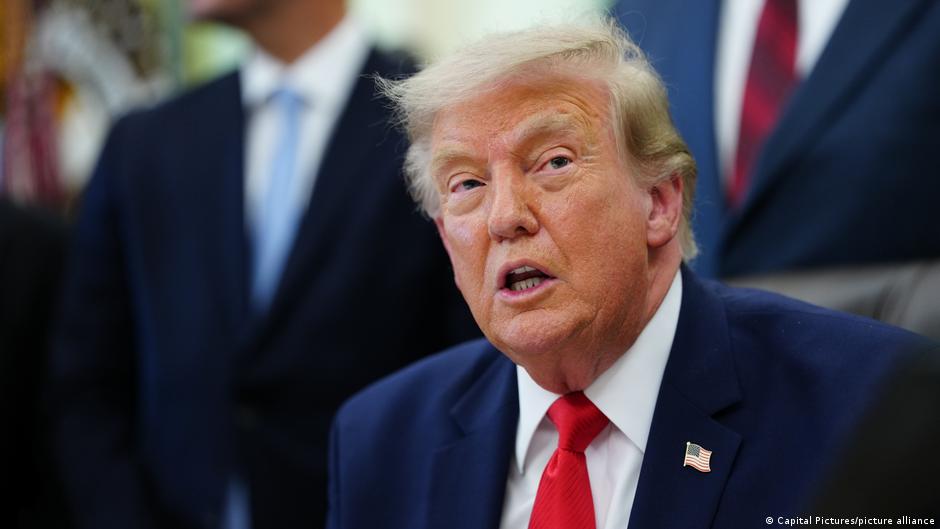
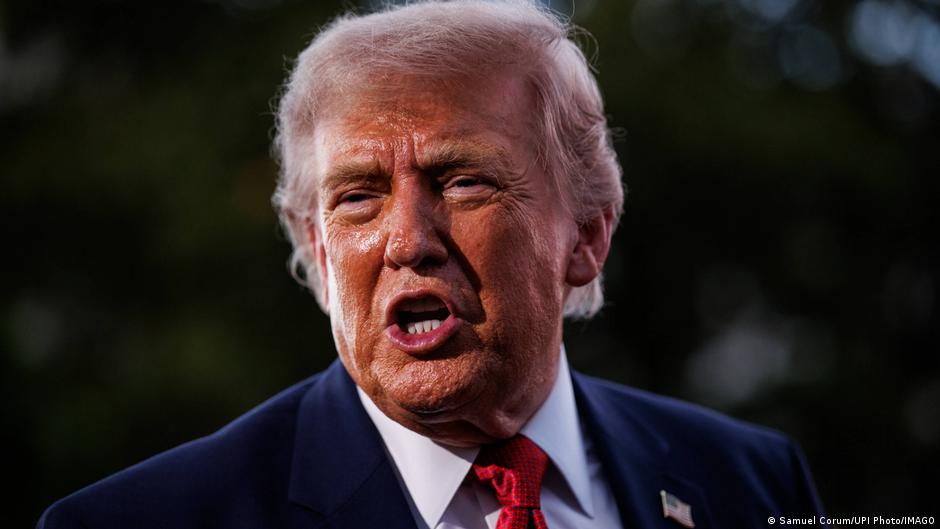
US President Donald Trump declared a historic agreement with Hamas for full disarmament, marking a crucial step toward peace and political restructuring in Gaza after years of violent conflict.

Russian air strikes on Zaporizhzhia and Sumy caused multiple civilian deaths and extensive damage, highlighting severe economic and infrastructural consequences in Ukraine.

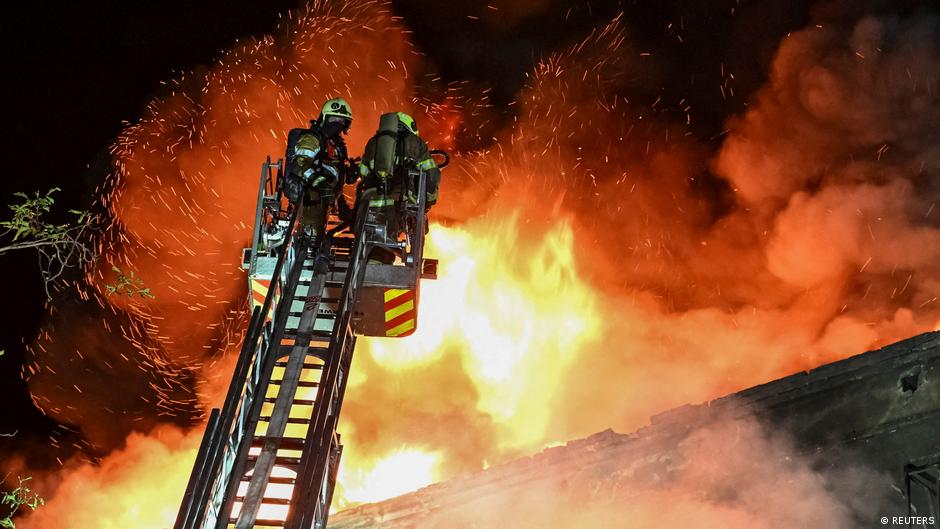
A large-scale Russian missile strike on Kyiv caused fires, structural damage, and casualties, revealing significant economic and urban vulnerabilities in wartime conditions.

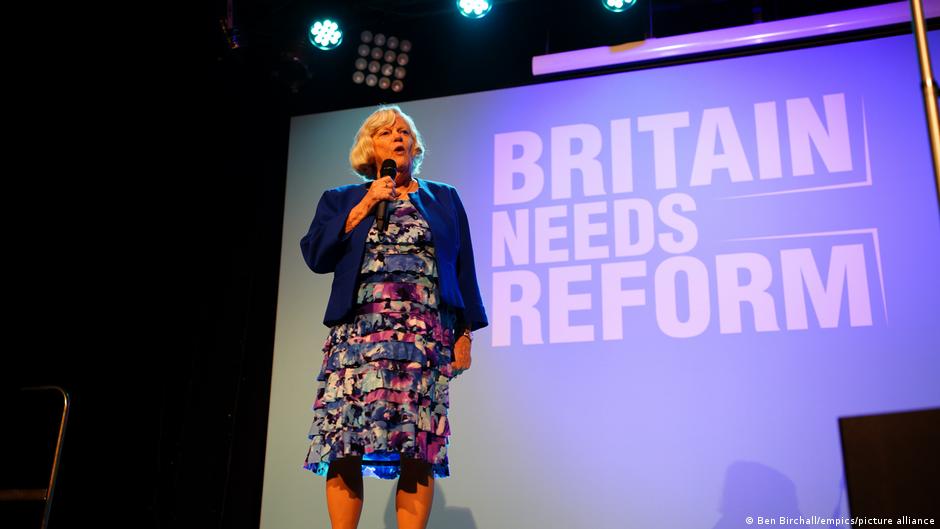
Anne Widdecombe, former Conservative MP and Reform UK spokesperson, was murdered in Devon, raising urgent questions about political security and polarization in the UK.

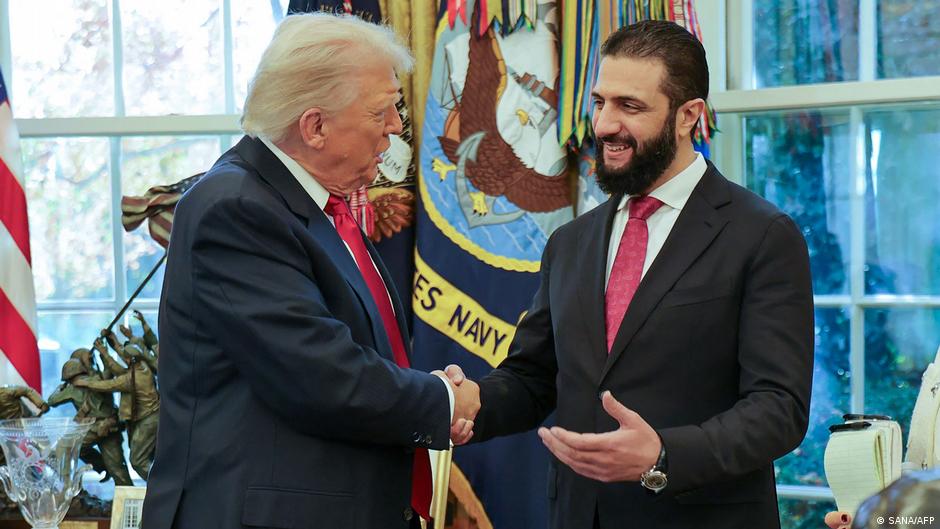
The US plans to remove Syria from its terrorism sponsor list, enabling investments and economic reintegration after years of sanctions and military disengagement.

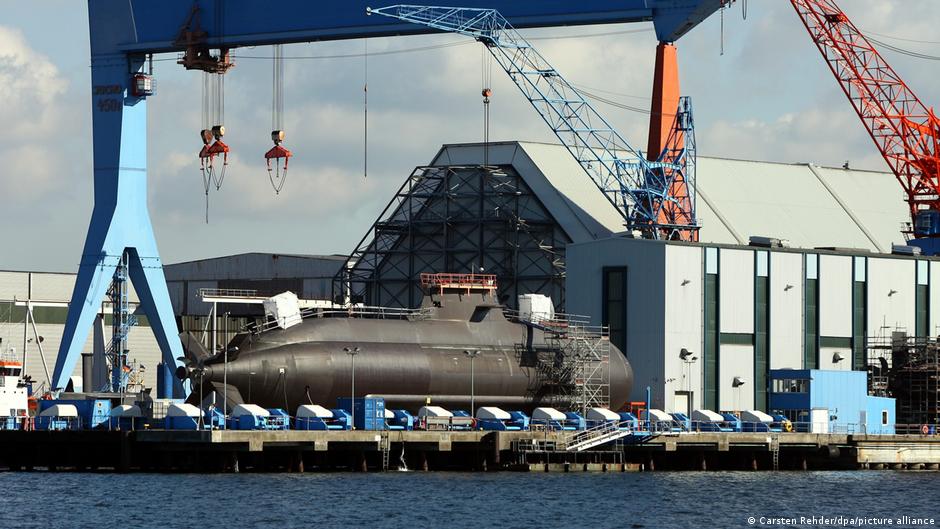
Canada’s selection of German TKMS submarines strengthens NATO’s Arctic defense and marks a major industrial and strategic partnership for Europe and North America.

Gazprom and Russia's Defense Ministry have launched mobile fire groups to protect gas infrastructure, blending civilian employment with reservist military duties amid rising security concerns.

A study shows 40% of Germans doubt their ability to work until retirement, highlighting the impact of physical and psychological job demands on workforce sustainability.

Russian air and drone strikes on Sumy and Zaporizhzhia killed six civilians and injured dozens, highlighting the deepening humanitarian and economic crisis in eastern Ukraine.

The EU tightens steel import regulations, cutting duty-free quotas by 47% and imposing a 50% tariff on excess imports to protect domestic industry from cheap steel flooding.

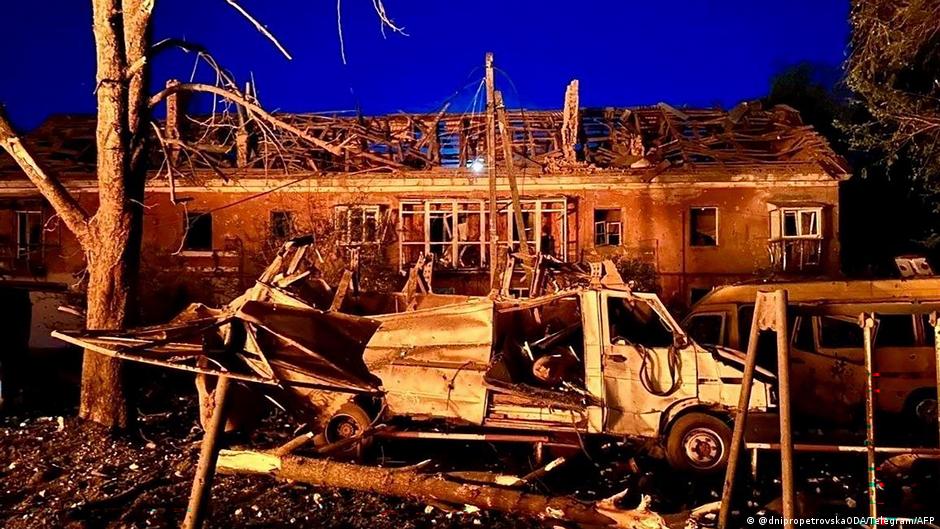
Russian drone strikes on Ukraine's Dnipropetrovsk region injured 12 civilians and damaged residential and industrial infrastructure, intensifying economic and humanitarian challenges.

A U.S. federal judge invalidated the Trump-era $100,000 H-1B visa fee as an unlawful tax, highlighting limits on executive power and implications for high-skilled immigration.

Russia’s June 2 missile strikes on Ukrainian cities caused multiple civilian casualties and intensified economic disruption, marking a significant conflict escalation.

Investigations reveal Western tutors teach English and German to Putin’s presumed children, exposing elite educational choices amid Russia’s geopolitical and economic complexities.

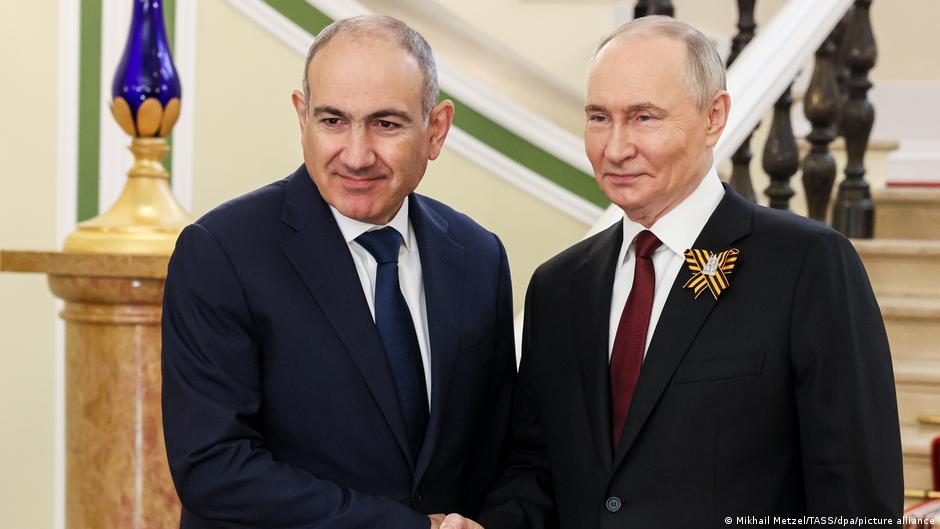
Russia threatens to suspend duty-free gas supplies to Armenia due to its EU integration efforts, signaling major economic and geopolitical ramifications for the region.

The strike on Starobilsk's pedagogical university dormitory has killed 21 and injured 63, highlighting the severe civilian impact and long-term economic consequences in conflict zones.

Hungary reinstates a ban on Ukrainian agricultural imports to protect domestic farmers and reverses its withdrawal from the International Criminal Court, highlighting economic and political recalibrations.

The US commits to sending 5,000 additional troops to Poland, reversing earlier Pentagon decisions and signaling a complex strategic realignment in Europe with broad economic and security implications.

Western nations criticized Israel for degrading detained activists from the pro-Palestinian Sumud flotilla, escalating diplomatic tensions over Gaza blockade enforcement.

The UK plans to boost defense spending by £18 billion amid political unrest, raising questions about economic sustainability and strategic priorities.

US considers relocating 5,000 troops from Germany to Poland amid strategic and political shifts, impacting NATO dynamics and regional security architecture.