Zelensky Discusses Enhanced Air Defense Cooperation with German Intelligence Leadership
Ukrainian President and German officials explore accelerated air defense agreements and drone production amid ongoing conflict
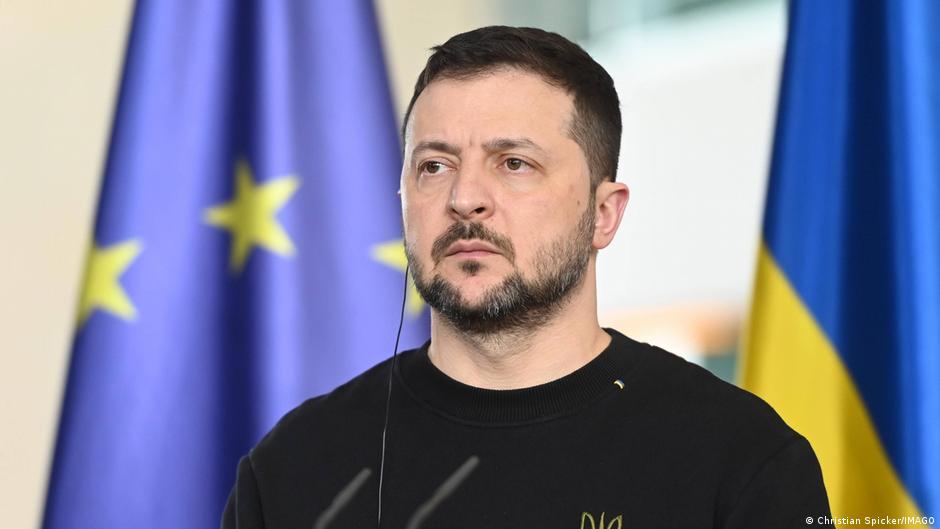
On May 14, 2024, Ukrainian President Volodymyr Zelensky held crucial talks in Kyiv with Thorsten Frei, head of the German Federal Chancellery’s office, and Martin Jäger, director of Germany’s Federal Intelligence Service (BND). The discussion focused on accelerating air defense cooperation to counter aerial attacks targeting Ukraine in the context of the ongoing war.
Strengthening Air Defense Amid Escalating Attacks
The meeting followed a devastating missile and drone strike on Kyiv the previous night, which resulted in at least 21 fatalities and about 50 injuries. President Zelensky emphasized the importance of fast-tracking agreements with Germany on air defense systems to protect Ukrainian civilians from such attacks, describing Germany’s past support as critical and expressing hope for continued leadership.
"Germany has repeatedly helped strengthen our air defenses, and we expect appropriate leadership now," Zelensky stated, highlighting the urgency of the current security environment.
Discussions also included a "drone deal" proposed by Kyiv, aiming to enhance Ukraine’s capabilities by collaborating with Germany on the joint production of medium- and long-range unmanned aerial vehicles (UAVs). This reflects an evolving strategic partnership in defense technology, emphasizing Ukraine's capacity to sustain and escalate its defensive and offensive operations.
Historic and Structural Economic Implications
Since mid-April, Germany and Ukraine have deepened defense cooperation, encompassing not only joint drone manufacturing but also significant financial investments—amounting to several hundred million euros—into Ukraine’s long-range strike capabilities. This collaboration signals a structural shift in Ukraine’s defense economy, moving from reliance on external arms supplies toward indigenous production supported by foreign investment and technology transfer.
On May 11, German Defense Minister Boris Pistorius reaffirmed the goal to produce drones with an operational range up to 1,500 kilometers, greatly expanding Ukraine's strategic reach. Moreover, Germany’s decision to join the Ukrainian innovation platform Brave1, which integrates military personnel and defense technology developers, marks a notable step in embedding advanced technologies such as artificial intelligence into defense systems.
Historically, such cooperative defense industrial bases have been pivotal in wartime economies, fostering innovation while ensuring supply chain security. For Ukraine, this partnership with Germany could help mitigate war-induced economic disruption by stimulating high-tech industrial growth and workforce engagement.
Broader Economic and Geopolitical Context
The ongoing conflict places immense pressure on Ukraine’s economic structures, particularly its defense sector, which must rapidly adapt to technologically sophisticated warfare. Germany’s involvement represents not only military aid but also a strategic investment in Ukraine’s economic resilience and sovereign defense capacity.
This cooperation also reflects shifting European security dynamics, where economic and technological integration in defense is becoming a cornerstone of collective security. The infusion of German capital and expertise facilitates Ukraine’s transition toward a more self-sufficient defense industry, potentially reducing long-term dependency on external suppliers and aligning its economy closer with European technological standards.
In sum, the Zelensky-Frei-Jäger meeting exemplifies a growing trend of leveraging economic tools and industrial cooperation as essential components of modern defense strategies. This approach could set precedents for other conflict zones where economic resilience and technological integration are critical to national security.