Airlines Cut Flights Amid Rising Fuel Costs Driven by Middle East Conflict
Global airline capacity expected to shrink by 3% in May as soaring jet fuel prices force carriers to reduce operations.
The ongoing conflict involving Iran has triggered a sharp rise in jet fuel prices, compelling major airlines worldwide to cancel flights and reduce schedules. Analysts forecast a 3% decline in global airline capacity in May 2026, a significant reversal from previously anticipated growth of 4-6%.
Fuel Supply Disruptions and Economic Implications
The International Air Transport Association (IATA) warns that Europe’s jet fuel reserves will last only about six weeks amid supply disruptions caused by the US and Israeli military actions against Iran and the resulting blockade of the strategic Strait of Hormuz, a vital oil transit chokepoint. This has directly impacted the aviation industry's fuel supply, driving prices upward and pressuring margins.
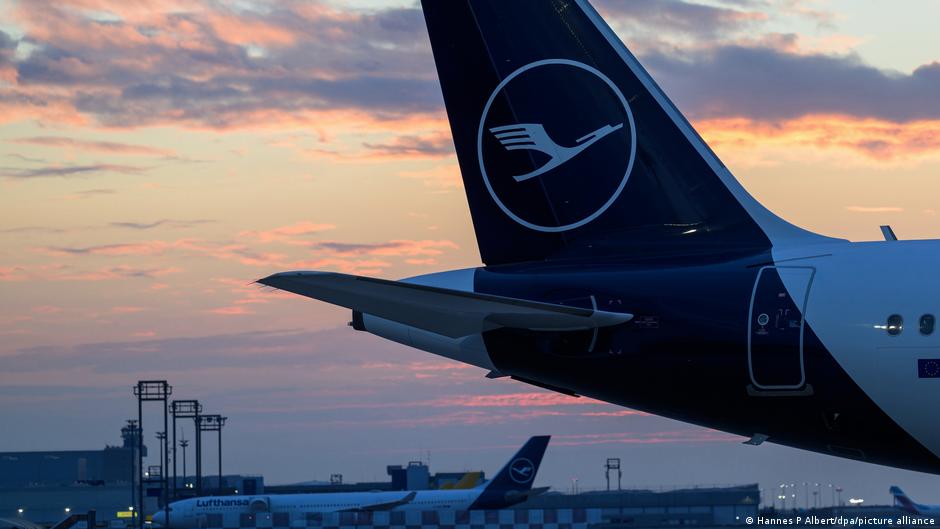
Major carriers including the Dutch airline KLM have announced substantial cutbacks, with KLM canceling approximately 80 return flights from Amsterdam's Schiphol Airport in May. Similarly, United Airlines and Lufthansa have trimmed routes citing cost and profitability concerns.
"The shortage of jet fuel will initially force temporary suspension of less profitable short-haul routes and accelerate retirement of older, fuel-inefficient aircraft," warned Germany’s Federal Association of the Aviation Industry (BDL).
The BDL called for immediate and coordinated measures at the European Union level to mitigate these disruptions. It emphasized that curtailed air connectivity could inflict substantial harm on both the German and broader European economies, which rely heavily on efficient air transport for trade, tourism, and business travel.
Long-Term Structural Challenges
Even if hostilities in Iran were to cease soon, restoring damaged oil infrastructure and normalizing supply chains is expected to take months or even years. This prolonged uncertainty introduces structural challenges for the airline industry, which may face sustained elevated fuel costs and fluctuating capacity.
Historically, geopolitical conflicts affecting oil-producing regions have periodically disrupted aviation fuel supplies, leading to flight cancellations and airline financial strain. However, the current situation is exacerbated by the critical role of the Strait of Hormuz and the interconnectedness of global energy markets.
Airlines may need to accelerate fleet modernization to more fuel-efficient models and explore alternative fuel sources to enhance resilience. At the same time, coordinated policy responses at regional and international levels will be crucial to managing supply bottlenecks and sustaining economic activity dependent on air transport.
As the aviation sector grapples with these pressures, passengers can expect increased flight cancellations and rising ticket prices, reflecting the broader economic ripple effects of geopolitical instability in the Middle East.