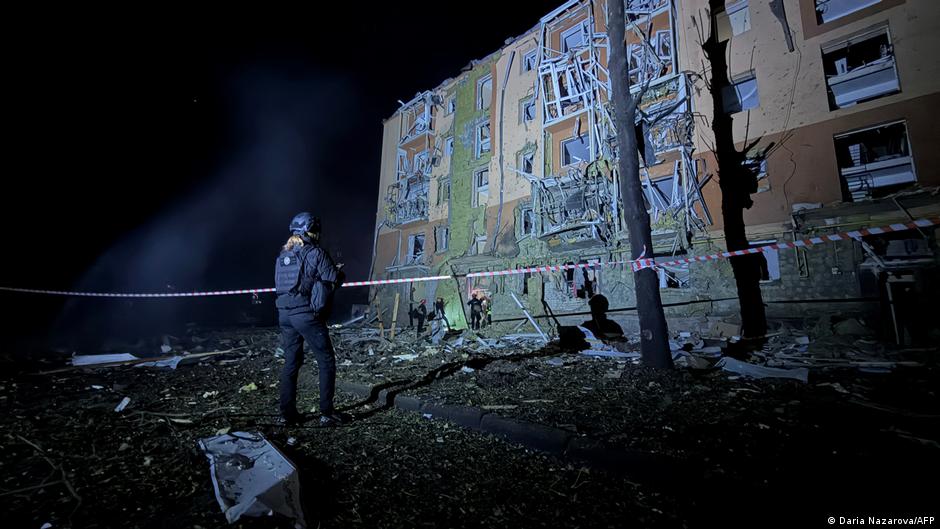
Russian Intimidation of German Defense Firms Signals Escalation in Hybrid Warfare Tactics
Russia's exposure of German defense companies supplying Ukraine reflects a strategic attempt to undermine support through psychological and hybrid threats.
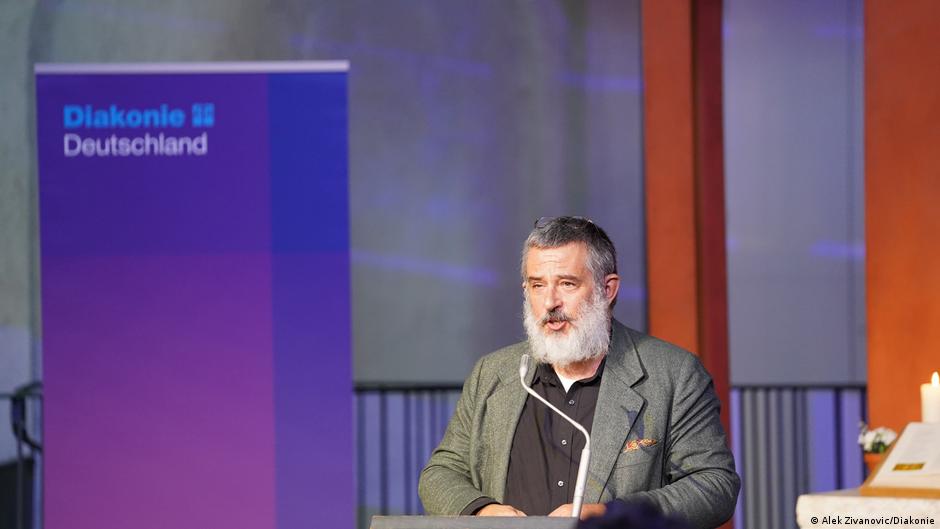
The recent disclosure by Russia of addresses of German defense companies involved in supplying arms to Ukraine marks a calculated move in the evolving landscape of hybrid warfare, experts warn. Stephan Kramer, head of the Thuringian State Office for the Protection of the Constitution, interprets this act as an effort by Moscow to intimidate the leadership of these companies and dampen Germany's support for Ukraine.
Psychological Warfare and Hybrid Threats
In an interview with Handelsblatt published on April 19, Kramer characterized Russia's publication of these addresses as part of a "psychological war" aimed at eroding public and corporate backing for Ukraine within Germany. This maneuver follows earlier Russian Ministry of Defense actions, which included releasing a list of foreign enterprises allegedly manufacturing components for Ukrainian drones. Dmitry Medvedev, Russia’s Deputy Chairman of the Security Council, explicitly labeled these firms as "potential targets" for retaliatory strikes.
"The case of Rheinmetall demonstrates that this is not a theoretical threat," Kramer noted, referencing the 2024 foiled assassination attempt on Rheinmetall CEO Armin Papperger.
Kramer emphasized that German companies involved in military supply chains are especially vulnerable to a spectrum of hybrid threats, encompassing cyber-attacks, espionage, direct sabotage, and threats to personal safety of company executives. Technology and logistics contractors integrated into the defense supply network also face elevated risks.
Historical Context and Structural Implications
The intimidation tactics employed by Russia resonate with Cold War-era strategies where psychological operations complemented kinetic actions to destabilize adversaries. However, modern hybrid warfare incorporates sophisticated cyber capabilities and leverages public information to pressure democracies reliant on private sector defense actors.
This strategy reflects Russia's recognition of Germany's pivotal role in supporting Ukraine materially and politically. By targeting defense manufacturers such as Rheinmetall—a key supplier of armored vehicles and munitions—the Kremlin seeks to exploit the vulnerabilities inherent in the interconnected global defense industry.
The attempted attack on Rheinmetall’s head underscores the gravity of the threat environment and raises questions about the adequacy of existing security frameworks protecting critical defense infrastructure and personnel.
Moreover, the psychological and operational pressure on defense firms may have longer-term economic and industrial consequences. German companies could face increased costs related to security enhancements, insurance, and potential disruptions in supply chains. This could affect not only military production but also the broader industrial base intertwined with defense technologies.
While Kramer asserts that a direct military strike on German companies is "unlikely"—as it would represent a profound escalation—the ongoing hybrid threats exemplify a new front in the geopolitical contest. Policymakers and industry leaders must navigate the complex balance between sustaining support for Ukraine and mitigating the risks posed by adversarial hybrid tactics.
In sum, Russia's recent actions illuminate the broader strategic contest playing out beyond conventional battlefields, highlighting the vulnerabilities of democratic states' defense ecosystems and the evolving methods of coercion in contemporary international relations.