Slovenia Narrows Visa Access for Russians, Restricting Study and Work
The policy sharply limits applications in Russia and may deepen barriers to education, employment and cross-border family ties.
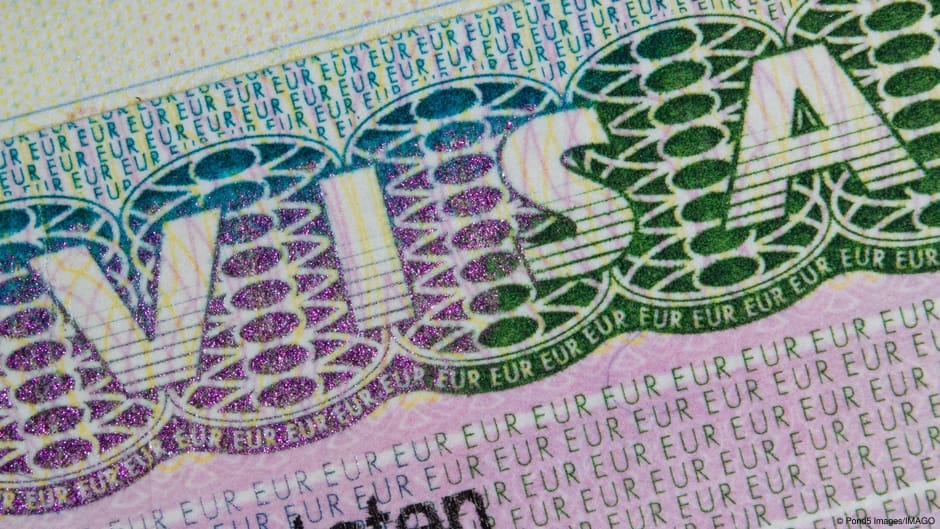
Slovenia’s visa center in Russia has stopped accepting applications for student visas and most categories of work visas, according to VFS Global, the international company that processes documents on behalf of the Slovenian Embassy. The change represents a significant narrowing of the permitted grounds for travel from Russia, with potential consequences extending beyond tourism to labor mobility, education and family connections.
VFS Global announced that the conditions for applying for a Slovenian visa had changed from November 16. The information was published on Tuesday, November 17. Under the revised rules, applications may now be submitted only for visits to family members who are citizens of the European Union, business travel and participation in conferences. Business and conference applications require prior coordination with the embassy.
Workers in international transport—including seafarers, truck drivers and pilots—remain eligible to apply. Slovenia will also continue accepting applications for long-term national D visas when the purpose is family reunification with an EU citizen.
Education and labor channels contract
The revised list excludes study visas, most employment visas, and visas for reunification with or visits to family members who are not EU citizens. These exclusions transform what might appear to be an administrative revision into a constraint on several forms of long-term economic and social mobility.
Student and internship routes often function as entry points into national labor markets, allowing universities and employers to attract young workers with specialized skills. Restricting those routes reduces the pool of potential students and trainees available to Slovenian institutions. For applicants in Russia, it also raises the cost of pursuing education abroad by limiting the number of accessible destinations and potentially requiring applications through other jurisdictions, where permitted.
The employment restrictions could have a similar effect on labor matching. International hiring depends not only on employer demand but also on predictable administrative channels. When most work-visa applications cannot be filed, companies lose access to prospective employees regardless of whether particular vacancies remain difficult to fill. The exemptions for transport workers indicate that Slovenia is preserving mobility in sectors directly connected to international supply chains, while closing broader pathways into its labor market.
The remaining exemptions prioritize EU family connections, selected business activity and occupations essential to cross-border transport.
The economic impact may be limited in absolute scale because Slovenia’s visa operation in Russia handles a relatively modest number of applications. Yet the structural significance is greater than the headline volume suggests. Visa systems shape expectations about where people can study, invest, work and maintain family relationships. Once those pathways become uncertain, applicants and institutions may redirect plans elsewhere, and those decisions can persist even if rules later change.
Rules and public guidance diverge
The VFS Global website still lists “study or internship” and “business/work” in its reference section defining purposes of travel. The latter also contains a subsection for entrepreneurs. That discrepancy between the newly announced conditions and the website’s broader guidance may create uncertainty for applicants assessing their eligibility and preparing documents.
The Ark, a project assisting anti-war Russians, was among the first to draw attention to the new rules. It said several Russian citizens seeking to visit relatives in Slovenia were refused visas in October. According to the project, one applicant was told that the Slovenian Embassy in Russia had introduced the ban. The embassy has not commented publicly on that claim.
The Ark also reported that the restrictions had been extended to Russian citizens living in Serbia. According to the project, the Slovenian Embassy in Belgrade cited an instruction from the Foreign Ministry in Ljubljana. If applied across consular jurisdictions, the policy would reduce the ability of Russian nationals to avoid the restrictions simply by residing or applying outside Russia.
A sharper break from recent approval patterns
Figures published by VisaRadar show that Slovenia’s mission in Russia received 1,607 applications for short-term Schengen visas in 2025 and rejected 71. The resulting refusal rate was 4.4%, substantially below the 14.6% average across all Schengen countries.
That comparison provides important context. Slovenia had not recently been among the Schengen states with the highest rejection rate for applications lodged in Russia. The latest change therefore operates less through a higher probability of refusal within existing categories than through the removal of categories from the application process itself.
This distinction matters economically. A high refusal rate discourages applicants by increasing risk, but an eligibility restriction prevents many applications from entering the system at all. As a result, future statistics could show fewer refusals without indicating easier access: the number and composition of applications would have changed before decisions were made.
The measures also divide family mobility according to citizenship status. Visits and reunification involving EU citizens remain possible under specified routes, while connections to relatives who are not EU citizens are excluded. For households spread across Russia, Serbia and Slovenia, the resulting barriers may increase travel costs, lengthen separations and complicate decisions about employment, residence and care responsibilities.
In the longer term, the restrictions may reinforce a broader fragmentation of European mobility for Russian citizens. Their immediate administrative effect is clear: fewer legal pathways to Slovenia for study, employment and family visits. Their wider consequence will depend on how long the rules remain in force, whether public guidance is aligned with the new conditions and whether other application channels remain available.