EU Bars Russia-Based Students and Groups From Erasmus+ Through 2027
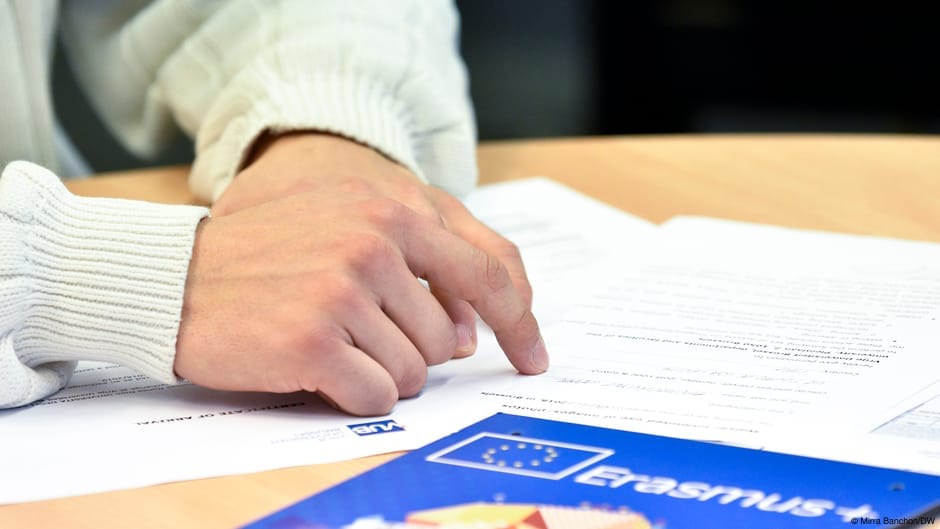
The EU has excluded Russia-based organizations and residents from Erasmus+, deepening the long-term divide in education, skills and research networks.

The EU has excluded Russia-based organizations and residents from Erasmus+, deepening the long-term divide in education, skills and research networks.

Slovenia has halted student and most work-visa applications in Russia, narrowing education, labor and family-mobility channels despite a previously low refusal rate.

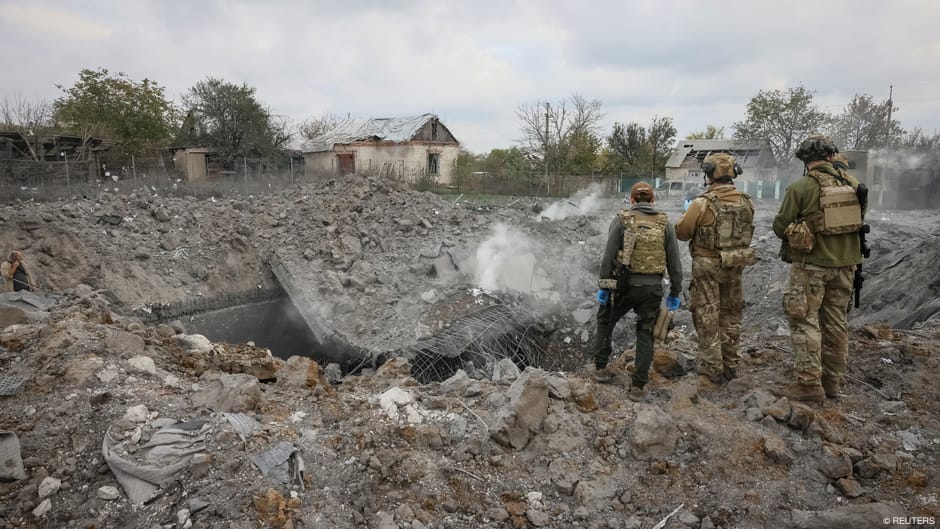
The confirmed death toll from the Kamyševakha aid-center strike reached 72, exposing the compounding economic costs of attacks on civilian infrastructure.

At least 350 Russian conscripts have been confirmed killed, exposing uncertainties over contract conversion and the war’s long-term labour costs.

The death of Kharkiv educator Alexandra Kazarovitskaya in Crimean detention underscores the wider costs of repression for families, property and human capital.

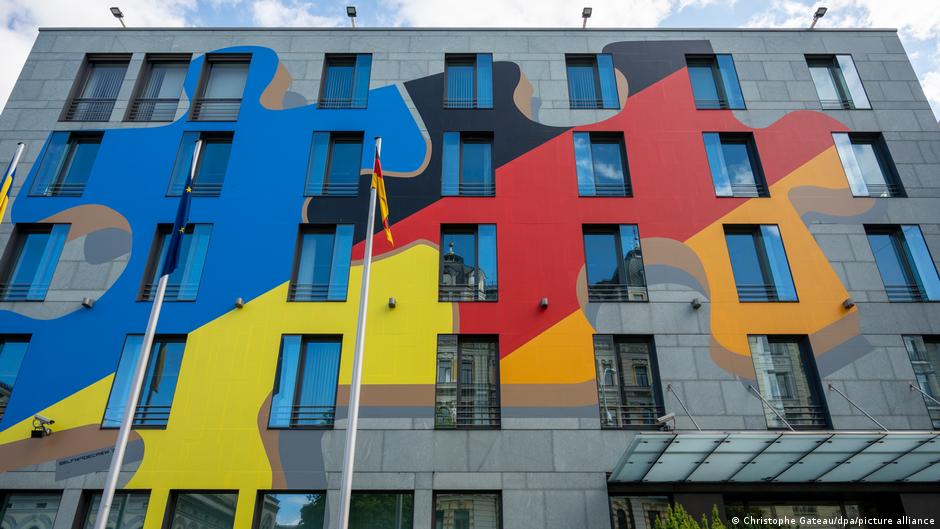
Germany plans an extra €100 million for Ukrainian generators, energy storage, infrastructure repairs and winter preparation at 2,000 schools and kindergartens.

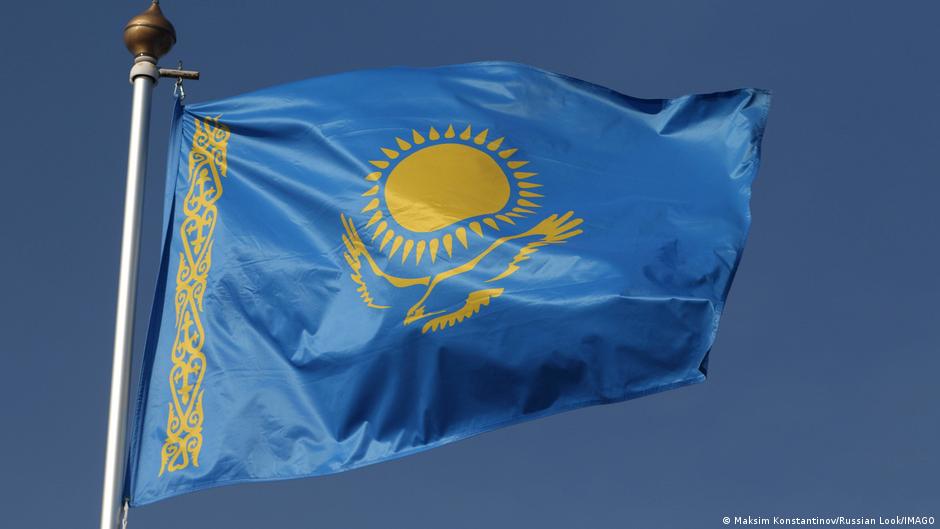
Kazakhstan detained 10 people in Atyrau over an alleged extremist group and closed three underground educational centres for minors.

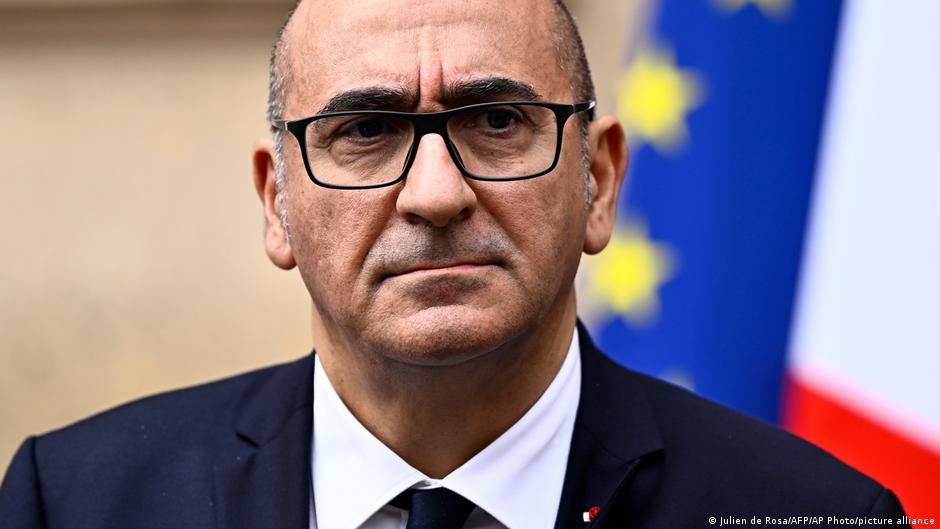
France’s technical talks with the Taliban reveal the fiscal, legal and diplomatic trade-offs behind Europe’s push to accelerate Afghan deportations.

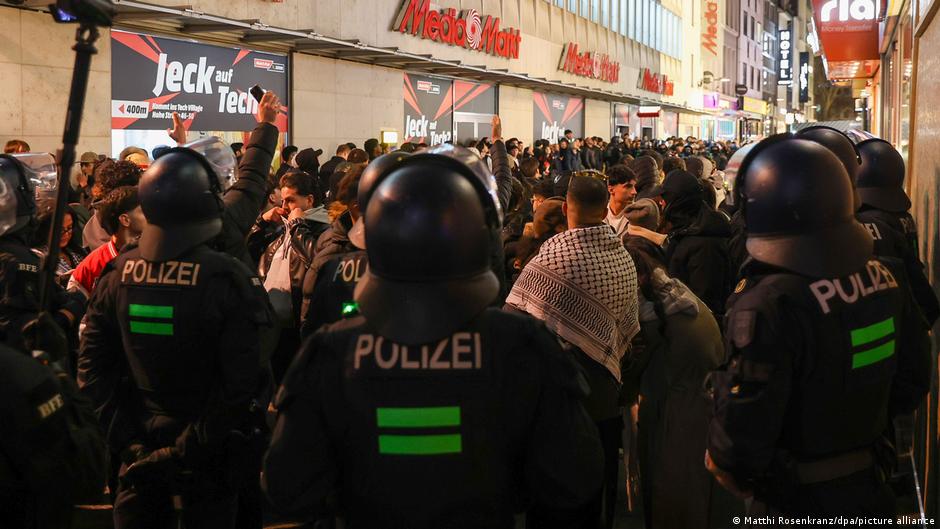
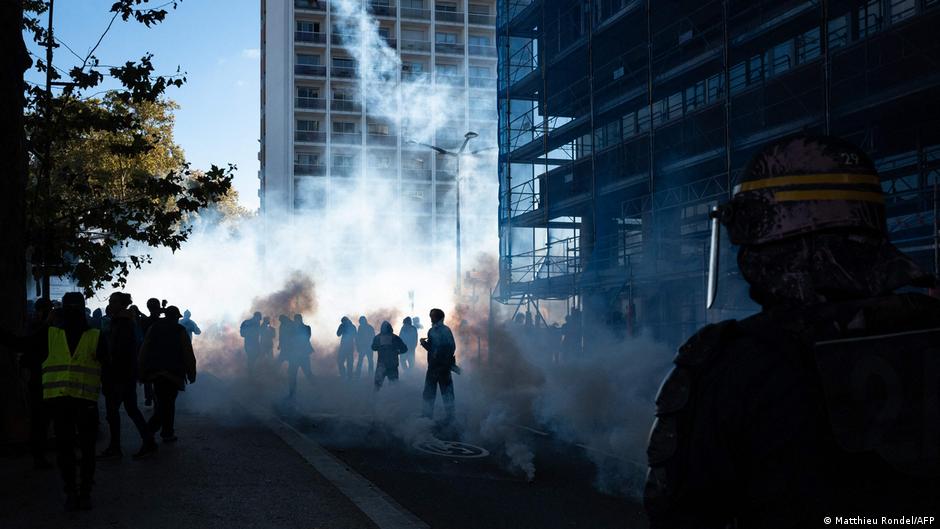
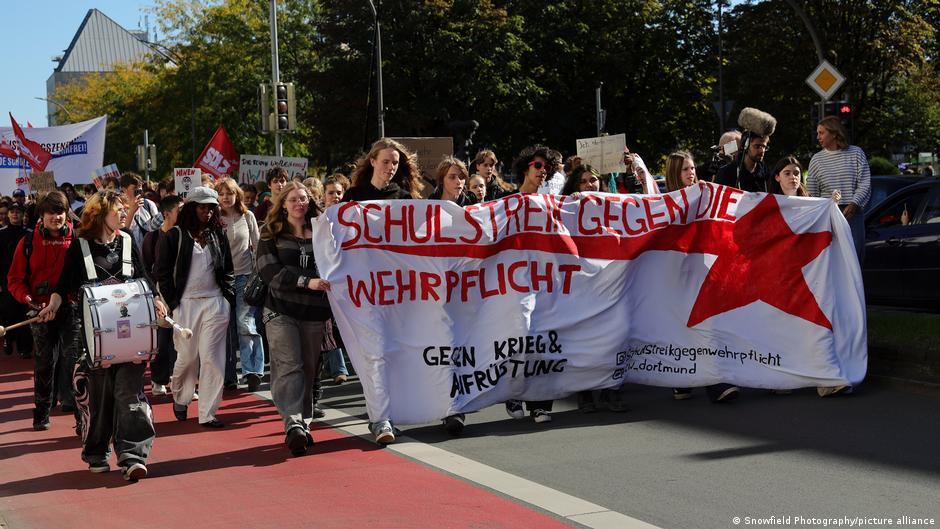
Youth protests across Germany turned violent, exposing deeper disputes over living costs, social spending, climate policy and the distribution of public resources.

France’s protest turnout fell to 320,000, but anger over living costs, education and future opportunities signals deeper structural strains.

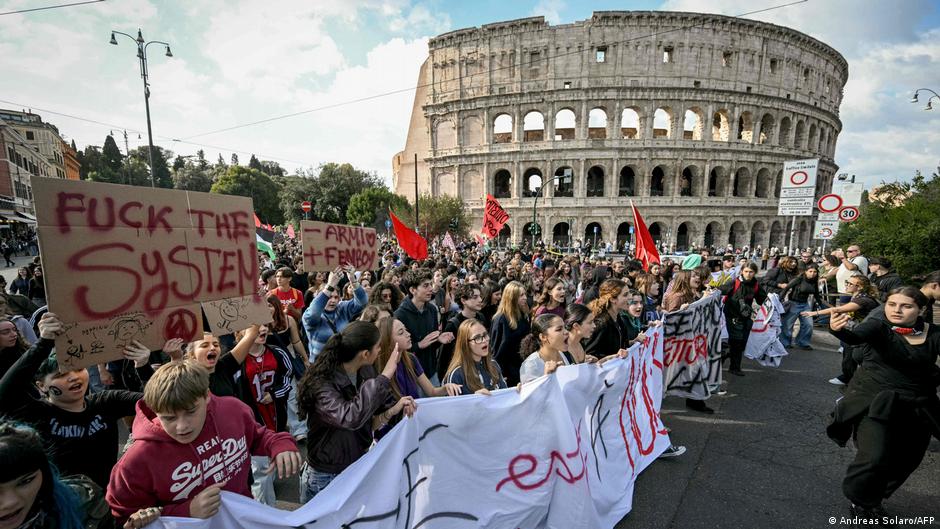
Italy’s mass protests over rents, fuel and defence spending highlight a widening European struggle over household costs and scarce public resources.

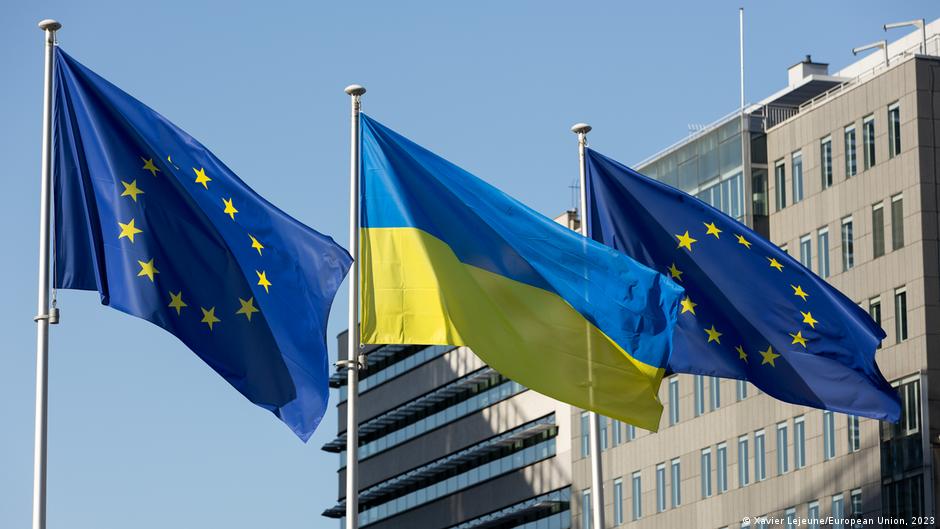
EU states agreed to open internal market and competitiveness accession clusters for Ukraine and Moldova, deepening reform and economic integration talks.

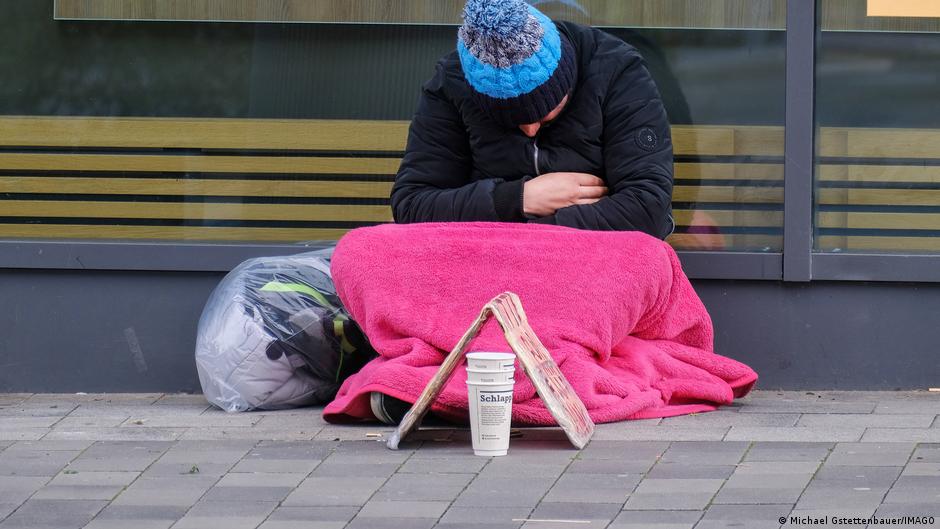
Germany’s long-term welfare rolls have reignited debate over Bürgergeld, work requirements and the structural barriers keeping people out of work.

Germany recorded more than 12,000 military service refusal declarations in eight months as recruitment reform reshapes the Bundeswehr debate.

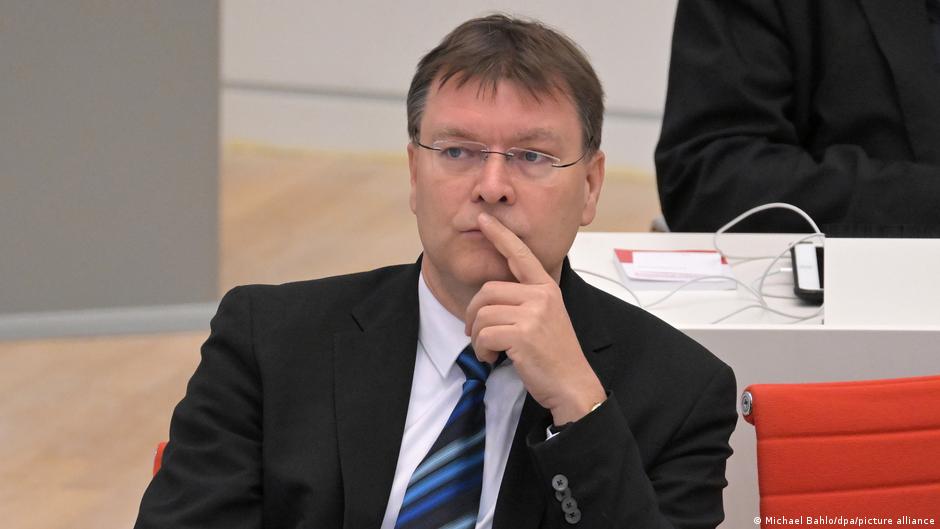
BSW lawmaker Sven Hornauf plans delegations to Belarus and Russia to revive twin-town links suspended after the war in Ukraine.

Western governments are preparing contingency plans to move embassies from Kyiv as Russian strikes intensify against Ukraine’s cities and energy system.

Maria Kolesnikova urges the EU to use diplomacy and sanctions relief to free Belarusian political prisoners and reduce Russia’s influence.

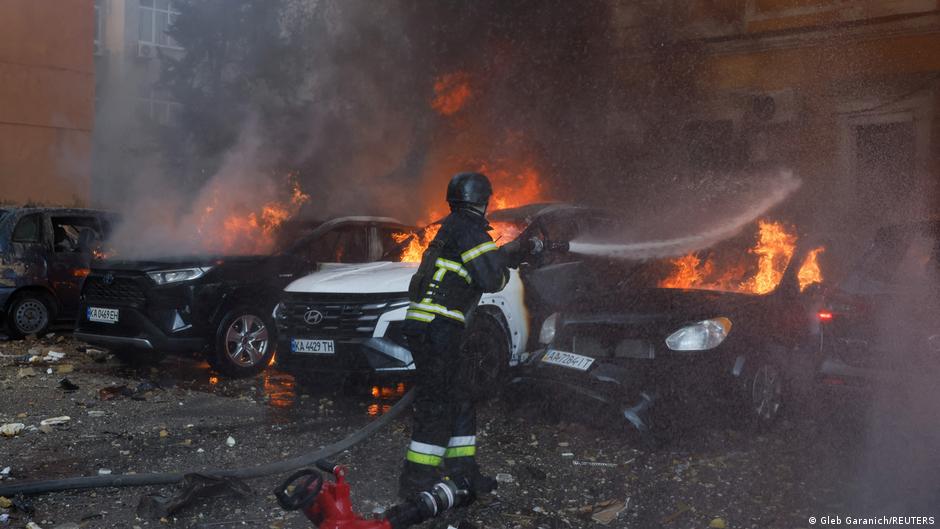
Russian attacks damaged sites in Kyiv, Odesa, Sumy and Kyiv region, while Ukrenergo announced power curbs after strikes on energy facilities.

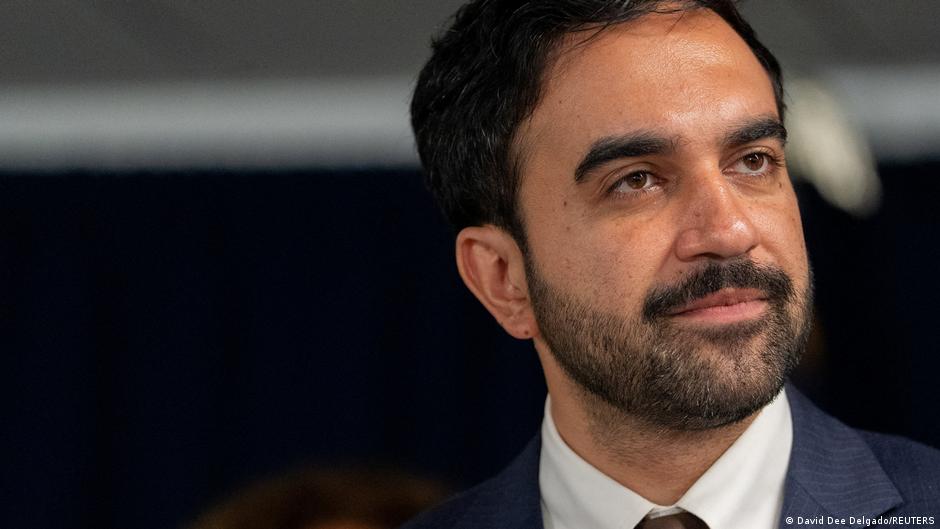
New York Mayor Zohran Mamdani raised hate-crime funding to $29 million in a broad plan targeting antisemitism and Jewish institutional security.

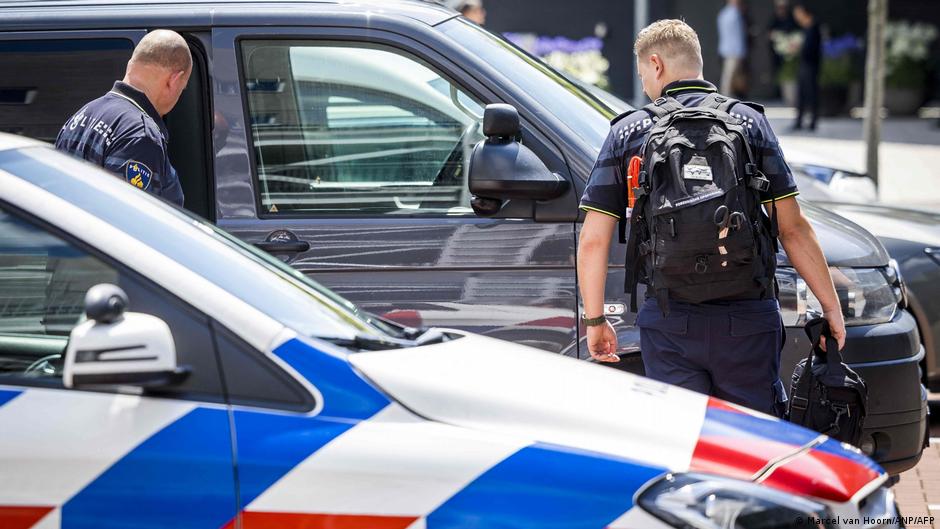
Dutch police detained a 24-year-old Amsterdam cybersecurity worker in a ShinyHunters probe tied to claimed FBI data theft.

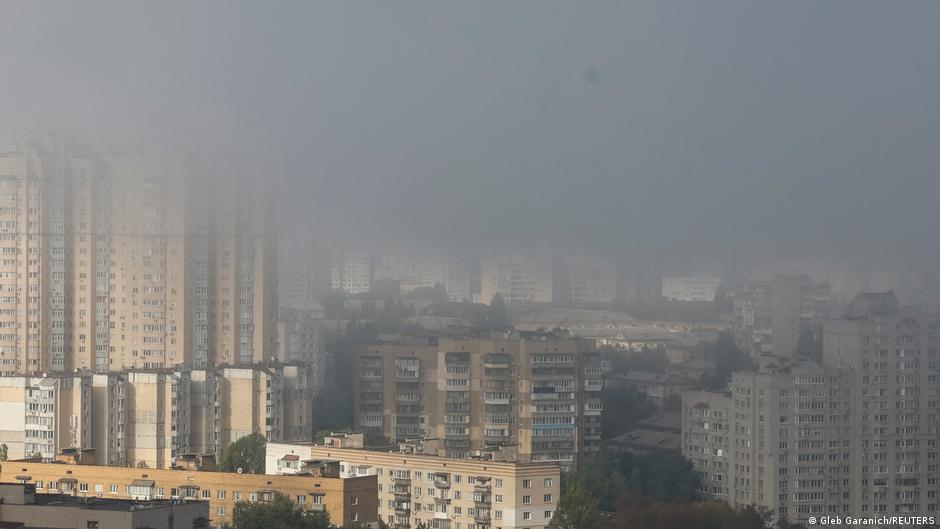
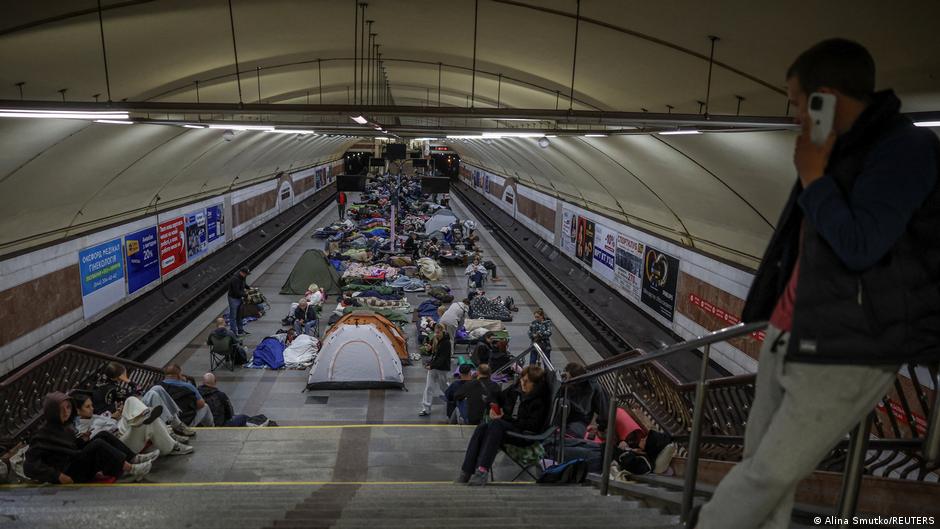
Russia’s renewed strikes on Kyiv show how attacks on homes, science institutions and medical facilities deepen Ukraine’s wartime economic strain.

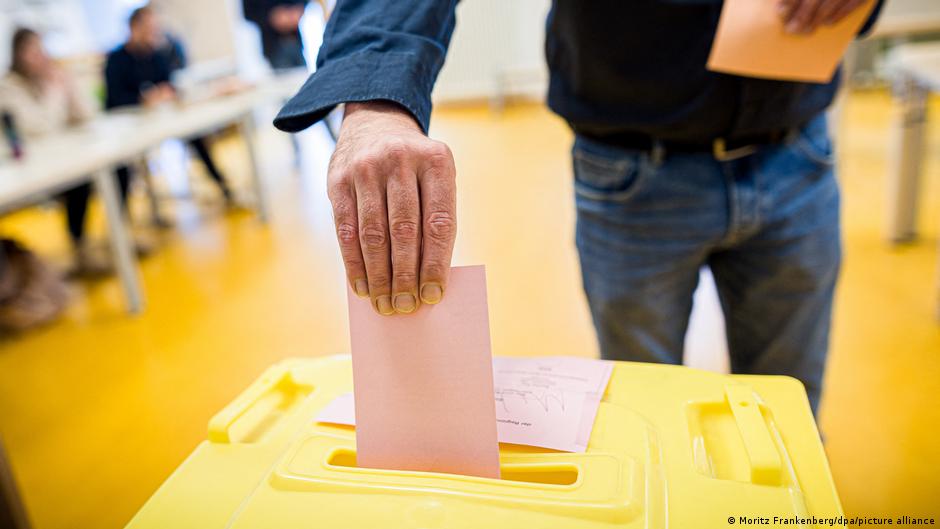
Lower Saxony’s runoffs strengthened Green urban leadership and showed the AfD’s difficulty converting first-round support into executive power.

Two people were killed in Kyiv as Russian strikes damaged civilian areas and renewed pressure on Ukraine’s energy and urban infrastructure.

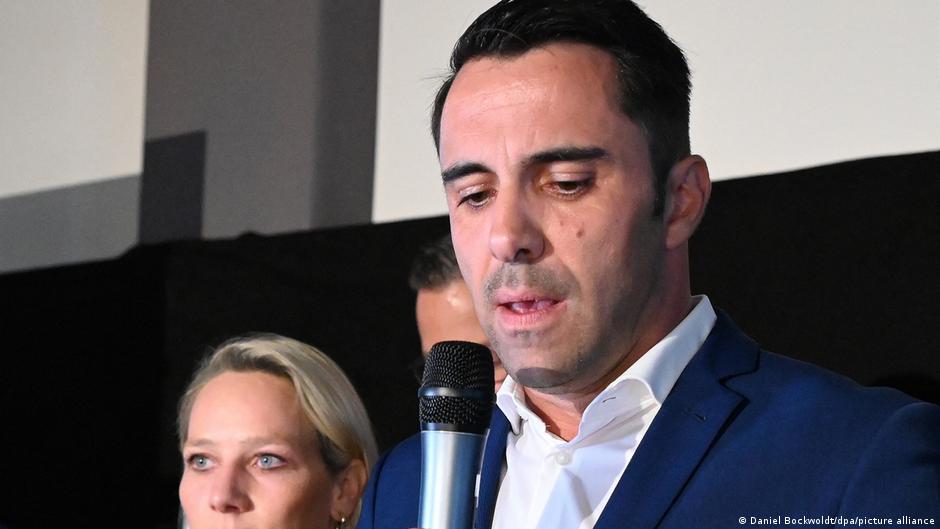
Daniel Peters resigned after the CDU won just 4.9% in Mecklenburg-Western Pomerania, missing a state parliament for the first time.

Russian attacks on Kyiv, Odesa and Sumy injured civilians including children, damaged buildings and added to Ukraine’s mounting urban war costs.

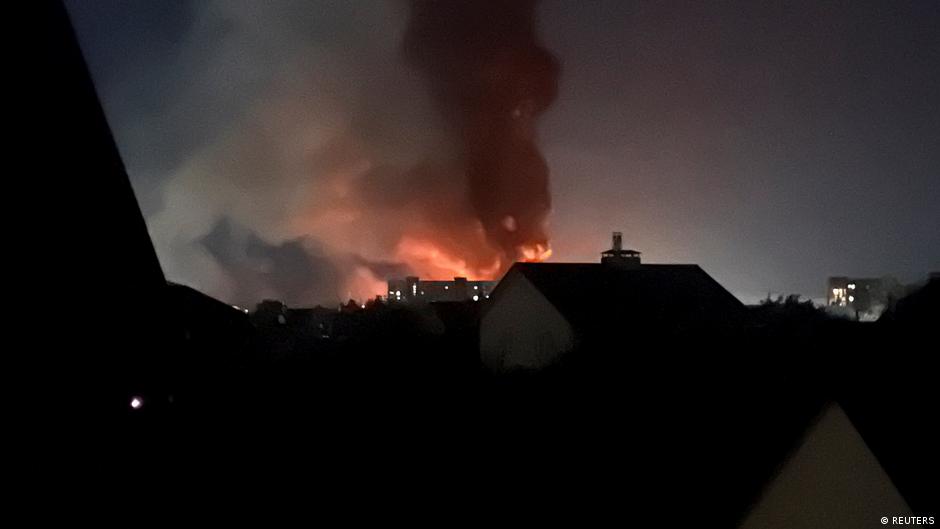
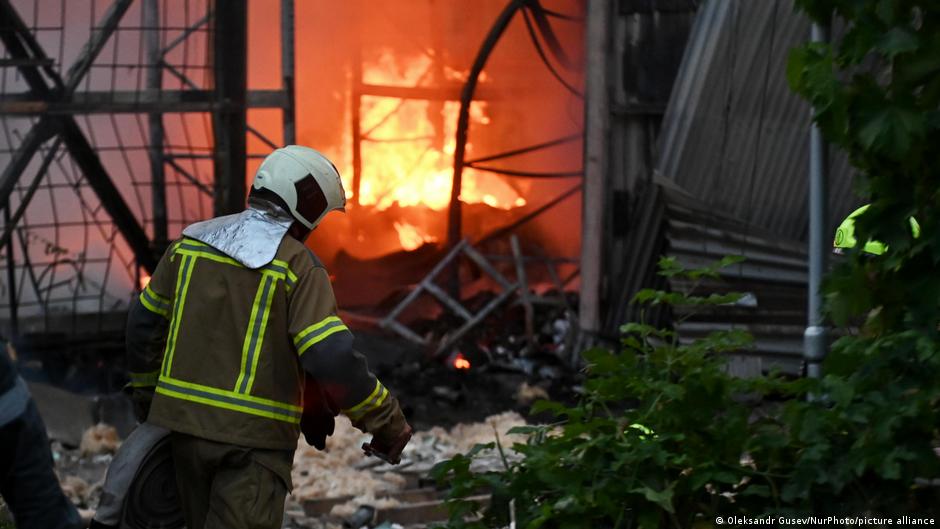
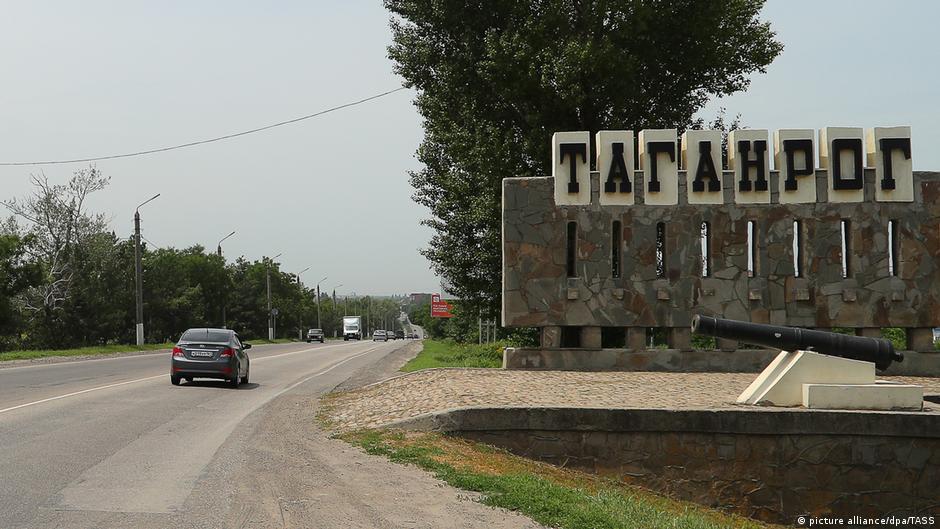
Strikes on Syzran and Taganrog exposed mounting pressure on Russia’s refining, logistics and industrial networks amid talk of an energy ceasefire.

Russian strikes hit Kyiv with drones and ballistic missiles, damaging homes, logistics assets and public sites as talk of three-way negotiations resurfaced.

AfD’s projected win in Saxony-Anhalt drew sharp reactions from Poland, France and the Czech Republic, exposing wider European economic and political strains.

AfD’s 43.8 percent win in Saxony-Anhalt leaves no clear governing majority and raises major questions over energy, sanctions and eastern Germany’s economy.

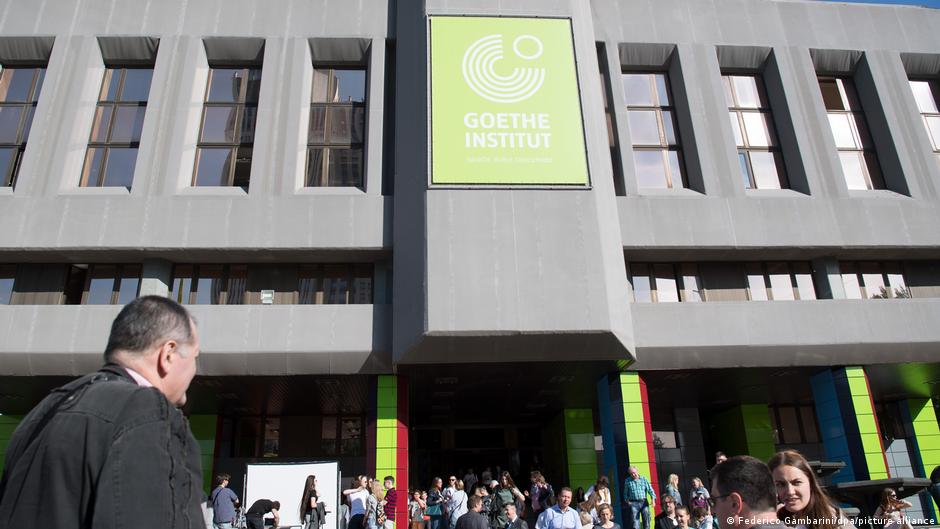
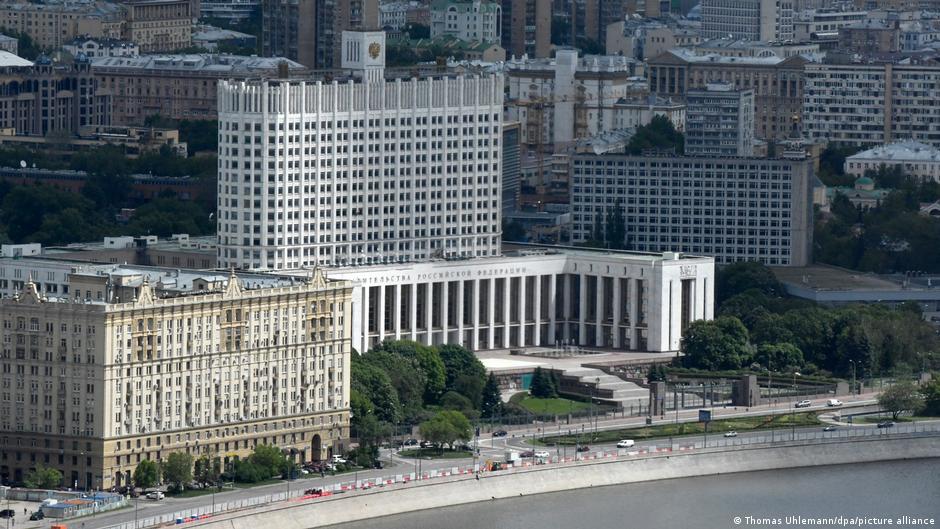
Russia says it will close Goethe-Institut branches after Berlin moved against the Russian House agreement amid a broader sanctions escalation.

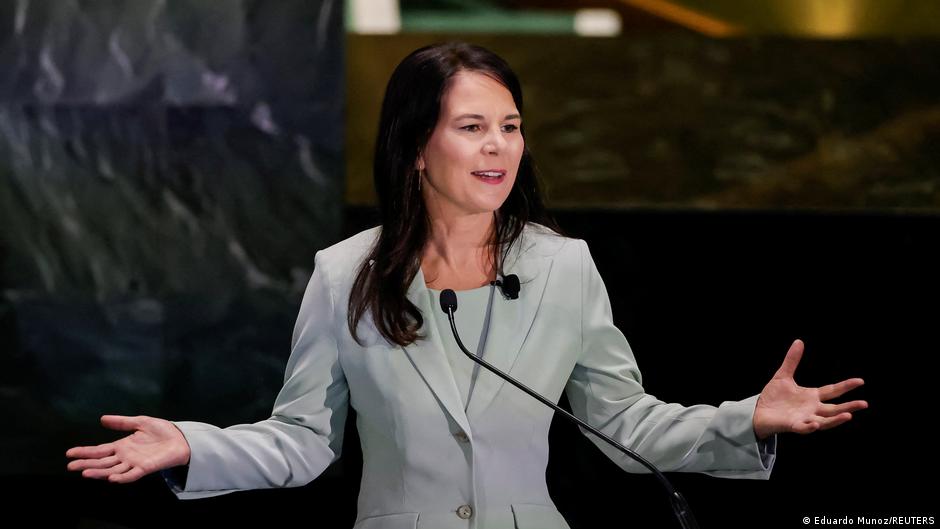
After concluding her UN General Assembly presidency, former German Foreign Minister Annalena Baerbock will join Columbia University as co-director of a global leadership master's program.

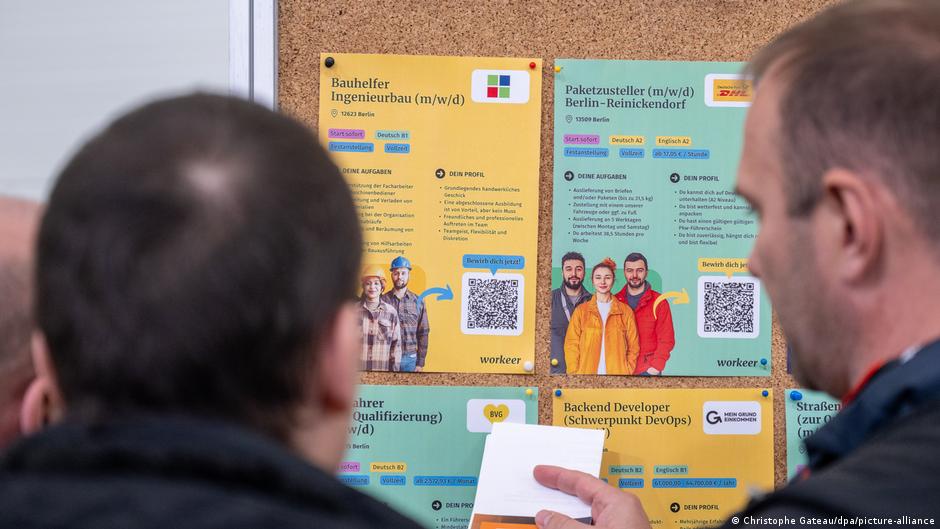
In 2025, foreign workers in Germany earned 23.6% less than German counterparts, reflecting persistent structural wage disparities linked to sector, education, and qualification gaps.

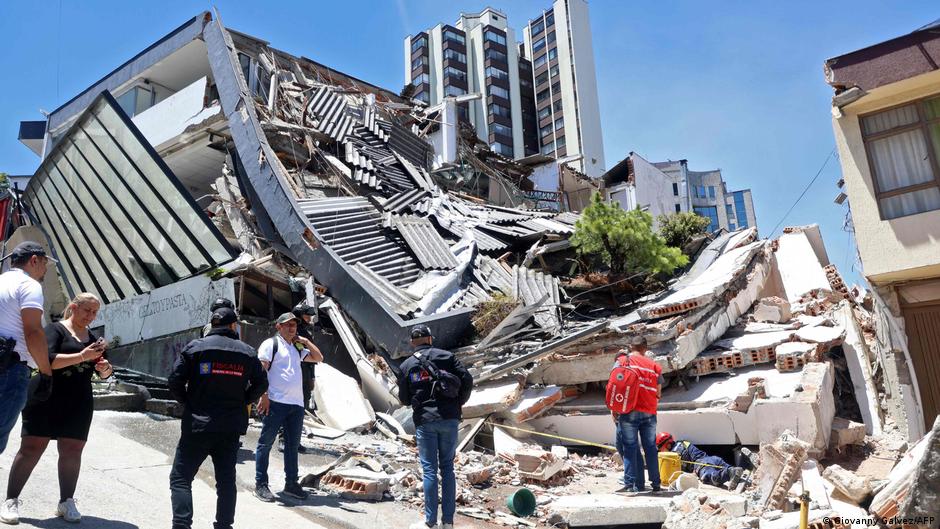
Colombia’s recent 7.4 magnitude earthquake has caused significant loss of life and widespread infrastructure damage, challenging the country’s economic stability and disaster preparedness.

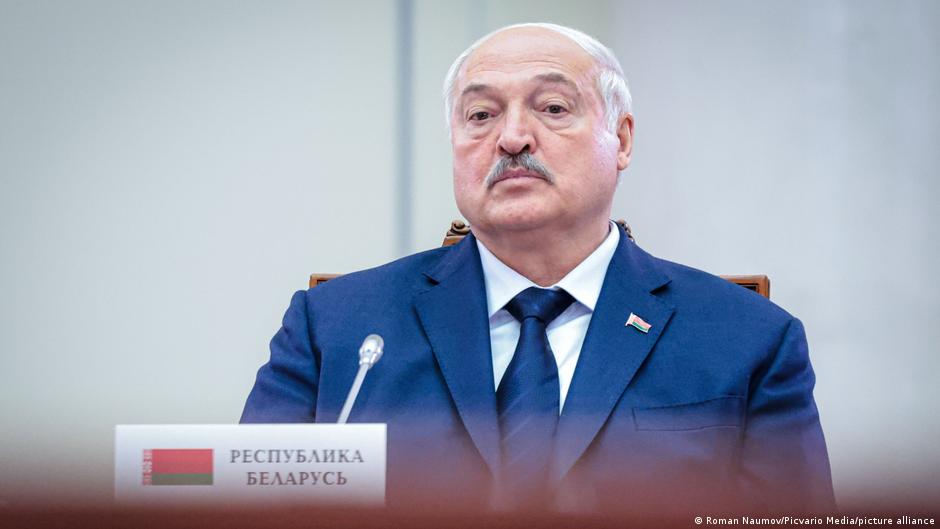
Belarus mandates military training for underperforming agricultural workers to enforce discipline and secure harvest productivity amid economic and geopolitical challenges.

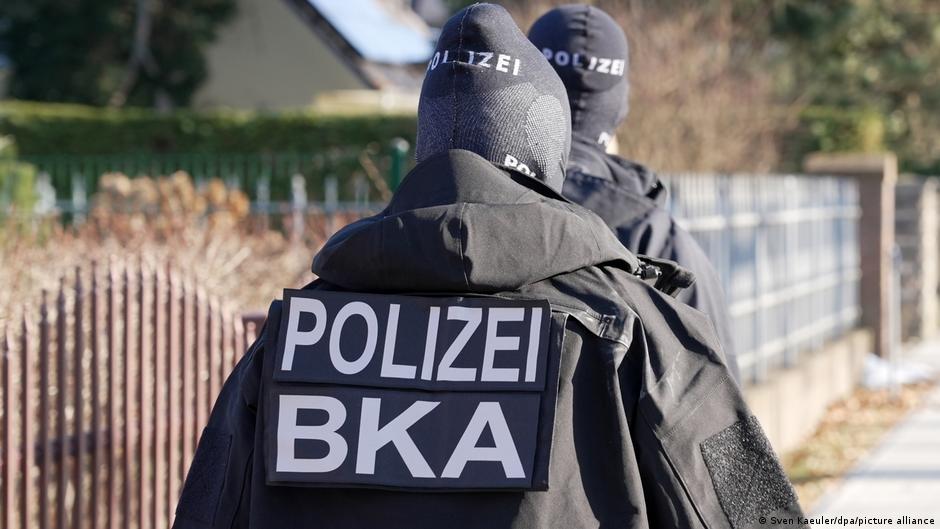
Germany’s Federal Criminal Police Office reports 410 Islamist threats amid rising radicalization consultations and debates on prevention strategies after a deadly Berlin attack.

Russian air strikes on Zaporizhzhia and Sumy caused multiple civilian deaths and extensive damage, highlighting severe economic and infrastructural consequences in Ukraine.

Russia proposes allowing individuals convicted of serious crimes to join the military under contract, reflecting recruitment challenges amid ongoing conflict and mobilization efforts.

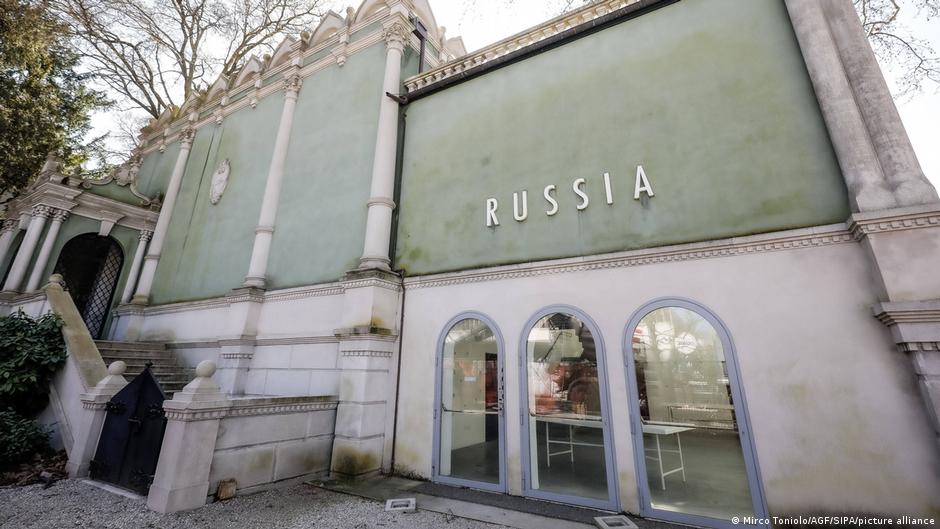
The EU recommends withdrawing €2 million funding from the Venice Biennale due to Russia’s participation, raising concerns about democratic values and sanction compliance amid geopolitical tensions.

A study shows 40% of Germans doubt their ability to work until retirement, highlighting the impact of physical and psychological job demands on workforce sustainability.

Russia’s July 2 attacks across multiple Ukrainian regions caused civilian deaths, injuries, and extensive damage to homes, schools, and critical infrastructure, deepening economic disruption.

Investigations reveal Western tutors teach English and German to Putin’s presumed children, exposing elite educational choices amid Russia’s geopolitical and economic complexities.

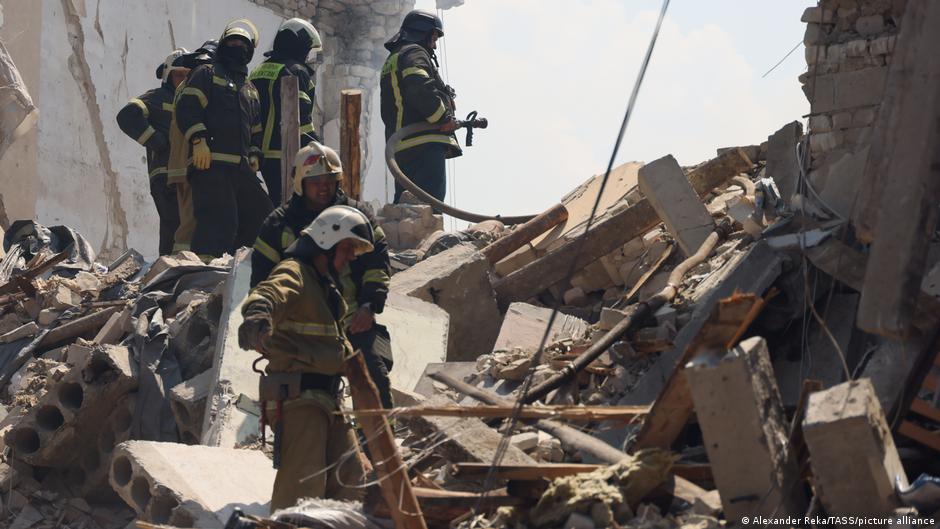
The strike on Starobilsk's pedagogical university dormitory has killed 21 and injured 63, highlighting the severe civilian impact and long-term economic consequences in conflict zones.

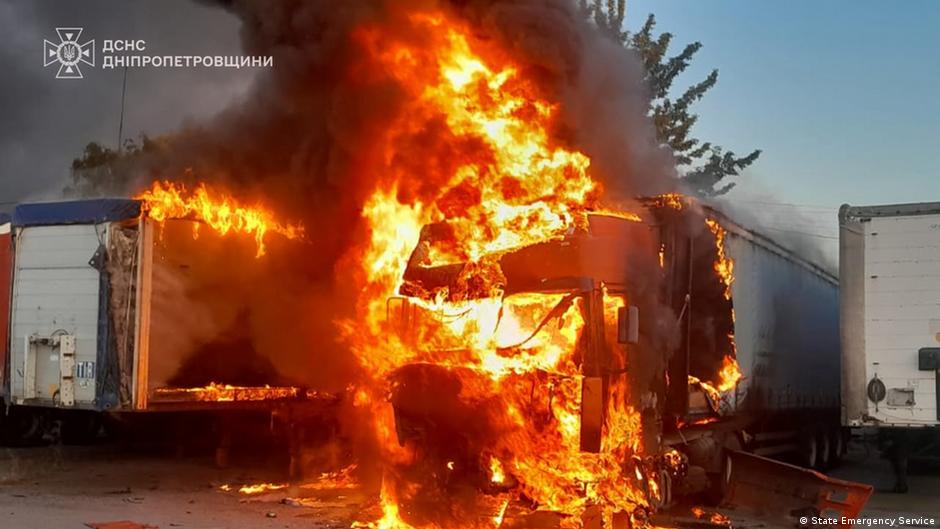
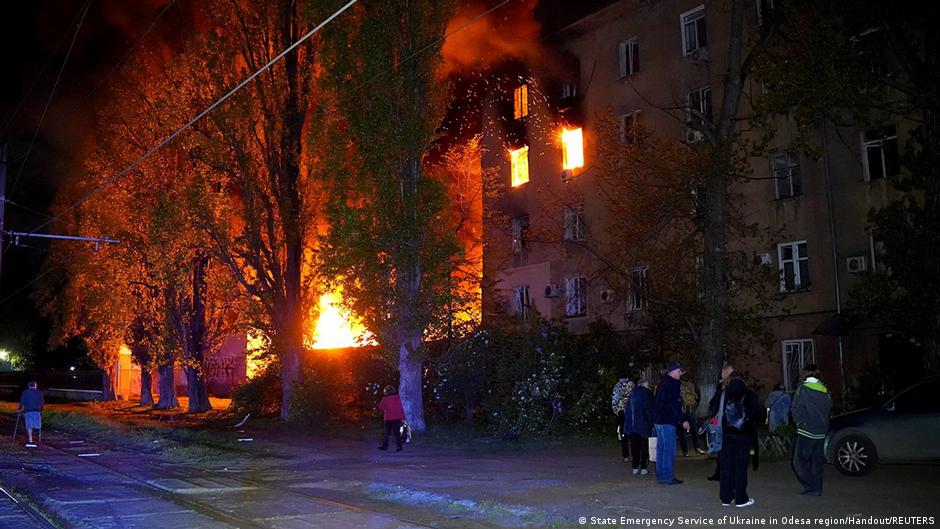
Russian drone and missile strikes have caused injuries and damaged civilian infrastructure in Odessa and Dnipro, raising concerns about the broader economic and social impact of ongoing conflict.

Germany attributes recent phishing attacks via Signal messenger targeting politicians and military personnel to Russia, raising concerns about cybersecurity and espionage.

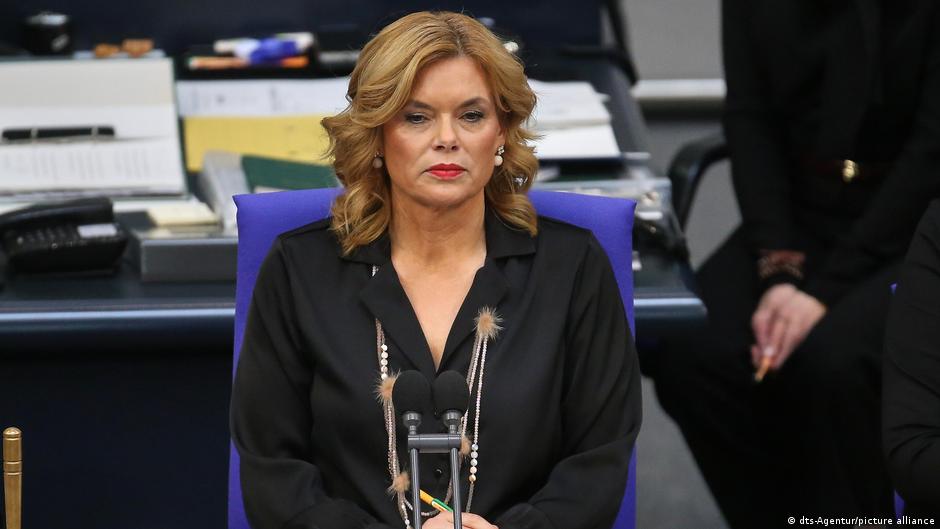
German Bundestag’s Julia Klöckner’s Signal account was hacked amid ongoing phishing attacks targeting political leaders, revealing systemic vulnerabilities in secure digital communications.

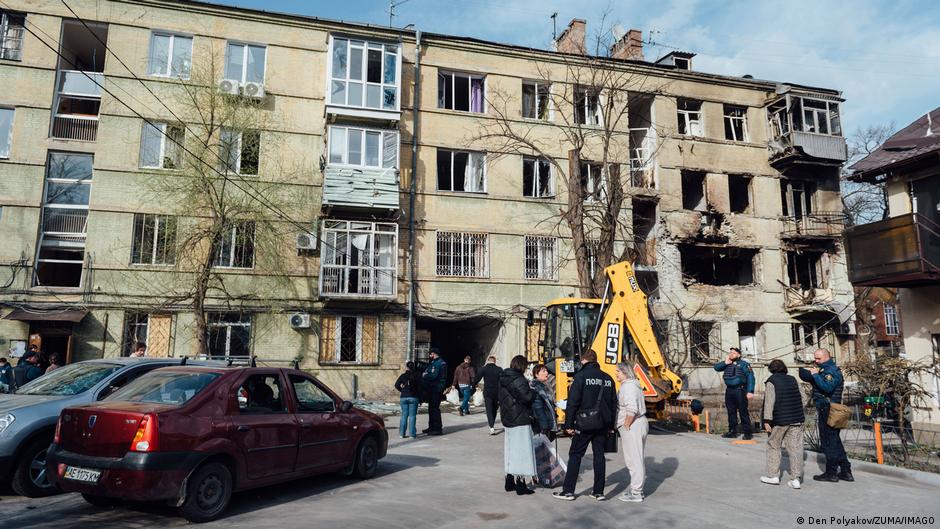
Drone strikes in Dnipro wounded seven civilians, including children, revealing growing humanitarian and economic challenges amid ongoing urban conflict.

Germany's Bundeswehr Military Museum in Koblenz restricts entry for Uzbek citizens and other Central Asian nationals under new security laws, impacting cultural and economic exchanges.