US Plans Significant Reduction in NATO Air and Naval Forces Amid Strategic Pivot
Washington will cut NATO combat aircraft by one-third and withdraw key naval assets, reshaping alliance military capabilities in Europe.
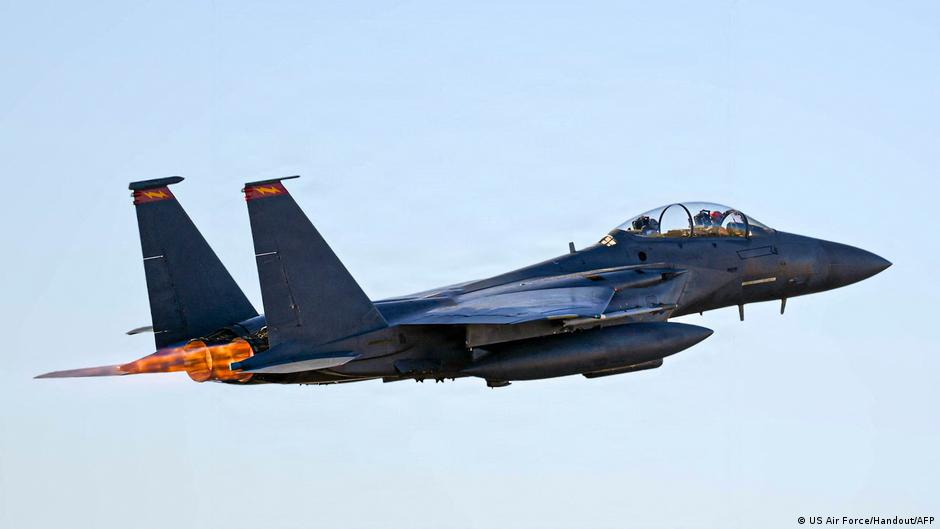
According to reports from The New York Times citing European officials, the United States intends to substantially reduce the number of combat aircraft and naval vessels it provides to NATO operations in Europe. The planned cuts will diminish NATO's capacity for long-range strikes and intelligence gathering, signaling a significant shift in alliance military dynamics.
Scope of Reductions and Strategic Implications
The U.S. aims to decrease its fleet of fighter jets, including F-16s and F-15Es, from approximately 150 to around 100. Additionally, the number of maritime reconnaissance aircraft will be cut from 26 to 15, and all eight aerial refueling tankers currently stationed in Europe are slated for withdrawal. Major naval assets, including a ballistic missile submarine, an aircraft carrier, and several warships, will also be redeployed away from European theaters.
These adjustments were communicated to European NATO partners in early June through a written document, parts of which were reviewed by journalists. Sources stress that the timeline for these redeployments is more accelerated than Europe had anticipated, suggesting an urgent reallocation driven by evolving U.S. strategic priorities.
"This decision will limit NATO's ability to conduct long-range strikes and surveillance," the report emphasizes.
The reductions reflect a broader U.S. strategic pivot toward the Indo-Pacific region, responding to emerging geopolitical challenges. A leaked confidential list reportedly presented to NATO outlines 11 major points that detail a significant drawdown of American military presence, particularly in air and naval domains.
Historical Context and Burden Sharing Challenges
Historically, the United States has shouldered about half of NATO's military capabilities under the alliance's burden-sharing framework. The planned drawdown marks a potential inflection point, raising questions about the ability and willingness of European allies to compensate for the reduced U.S. footprint.
At the forthcoming June Force Sourcing Conference, Washington expects proposals from European NATO members on how to fill gaps in key operational capabilities. This shift challenges traditional alliance dynamics, placing increased pressure on European countries to enhance their defense contributions.
Adding to these developments, the Pentagon announced plans to withdraw one of the four U.S. brigades deployed in Europe, reducing American troop levels to those seen in 2021. A typical combat brigade comprises 4,000 to 5,000 personnel, underscoring the scale of the reduction in boots on the ground.
Structural Economic and Security Consequences
The drawdown carries significant structural implications for European defense economies and regional security paradigms. Reduced U.S. military presence may force European nations to increase defense spending, accelerate domestic military-industrial development, and reconsider strategic partnerships.
Moreover, the reallocation of assets to the Pacific underscores the shifting geopolitical priorities of the United States, reflecting concerns over rising great power competition. This realignment could prompt NATO to reexamine its operational doctrine and resource allocation to maintain deterrence and defense capabilities amid evolving threats.
In sum, the U.S. reduction of air and naval forces in Europe constitutes more than a mere redeployment; it signals a transformative moment in transatlantic security cooperation with broad economic and strategic reverberations.