Ukraine Pauses Russian Refinery Strikes as US Election Risks Mount
Ukraine’s reported refinery-strike pause shows how US election concerns, fuel prices and Kyiv’s reliance on American technology are reshaping wartime strategy.

Ukraine’s reported refinery-strike pause shows how US election concerns, fuel prices and Kyiv’s reliance on American technology are reshaping wartime strategy.

Russia permits use of higher-sulfur Euro-3 fuels domestically until 2026 to alleviate refinery disruptions caused by ongoing conflict, with implications for energy security and environmental standards.

Russia’s aviation fuel imports from Belarus surged nearly fourfold in May 2026 amid domestic production declines and export restrictions, revealing structural energy sector strains.

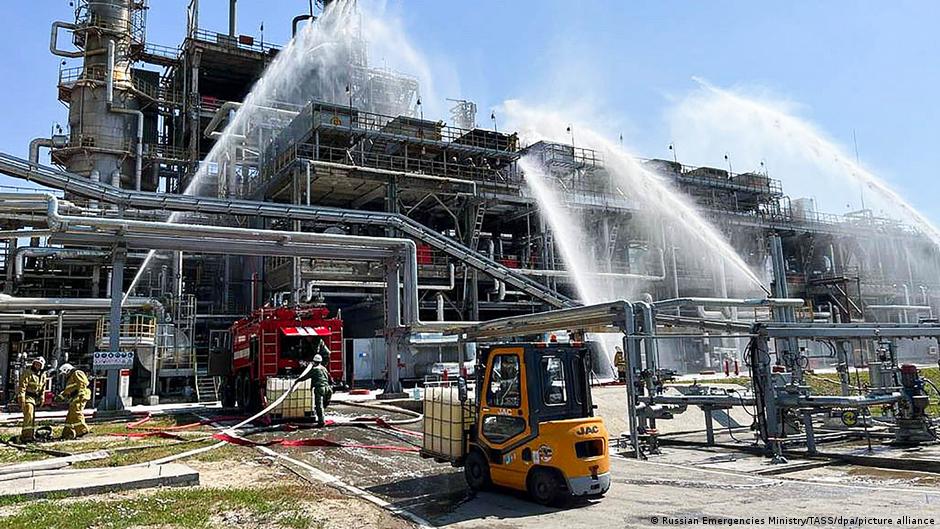
Drone attacks have ignited fires at oil storage and refining facilities in Russia's Rostov and Saratov regions, exposing vulnerabilities in critical energy infrastructure.

Russia plans temporary export limits on diesel and aviation kerosene to stabilize domestic fuel markets after drone attacks reduced refinery output.

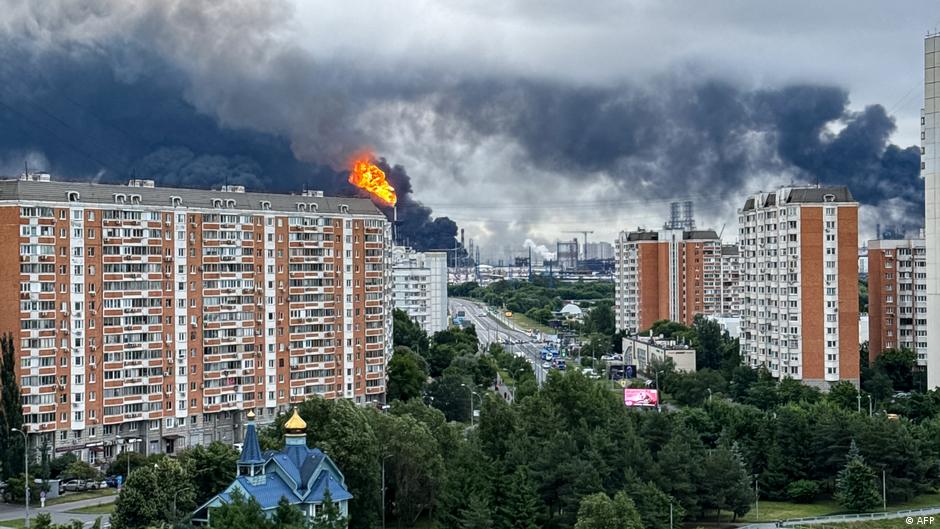
Ukraine's drone strikes have forced Russia's Nizhny Novgorod refinery to halve its processing capacity, disrupting a significant portion of the country’s fuel production.