Greens Hold Key Lower Saxony Cities as AfD Falls Short in Runoffs
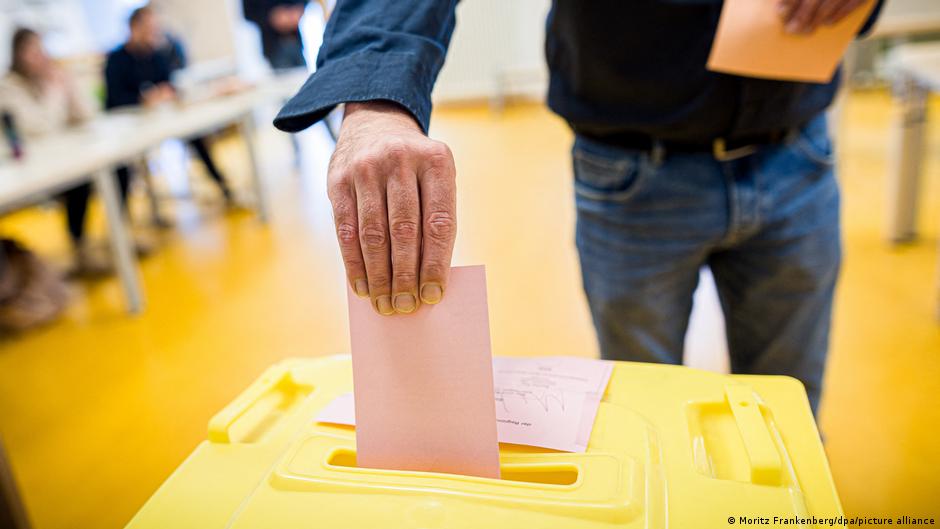
Lower Saxony’s runoffs strengthened Green urban leadership and showed the AfD’s difficulty converting first-round support into executive power.

Lower Saxony’s runoffs strengthened Green urban leadership and showed the AfD’s difficulty converting first-round support into executive power.

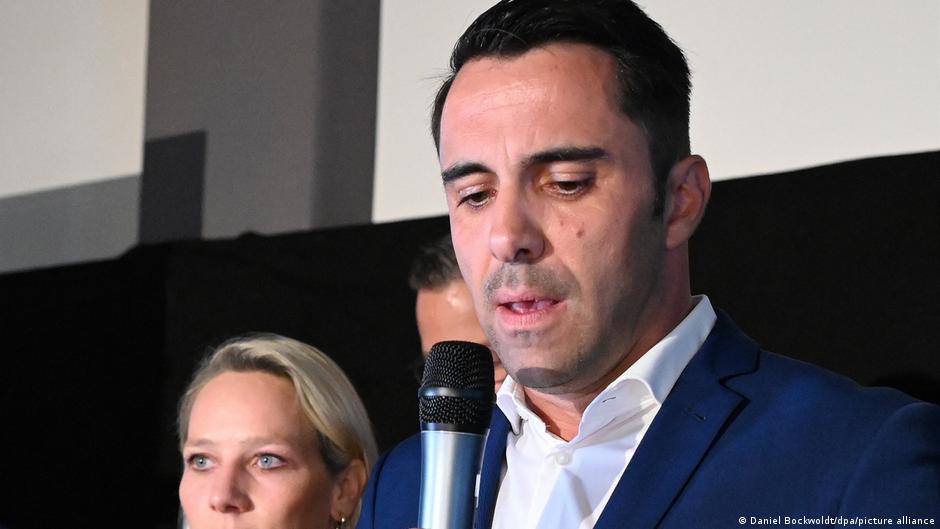
Daniel Peters resigned after the CDU won just 4.9% in Mecklenburg-Western Pomerania, missing a state parliament for the first time.

The Left Party’s Berlin victory puts housing expropriation, coalition arithmetic and fiscal risks at the center of the city’s next government.

AfD’s projected win in Saxony-Anhalt drew sharp reactions from Poland, France and the Czech Republic, exposing wider European economic and political strains.

AfD’s 43.8 percent win in Saxony-Anhalt leaves no clear governing majority and raises major questions over energy, sanctions and eastern Germany’s economy.

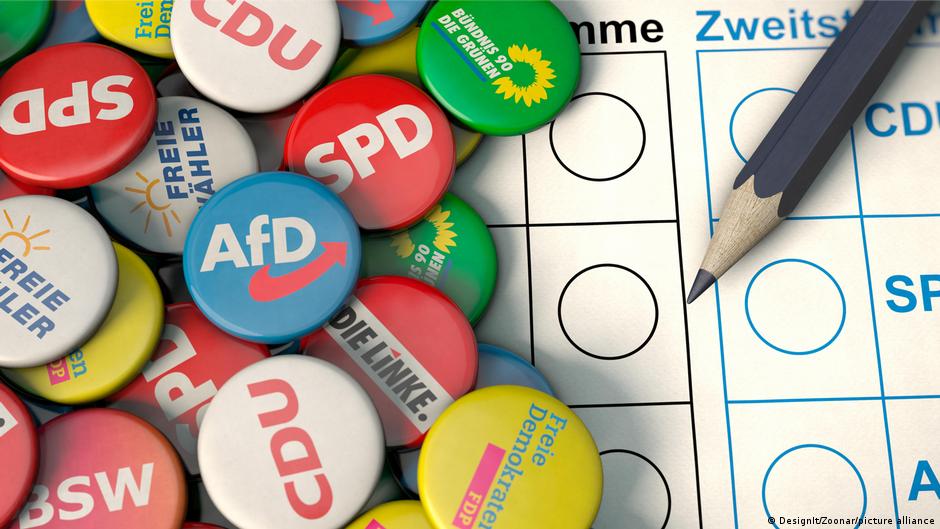
Germany’s CDU/CSU support falls to 20%, with far-right AfD leading polls ahead of key state elections, reflecting volatile voter behavior and shifting political allegiances.

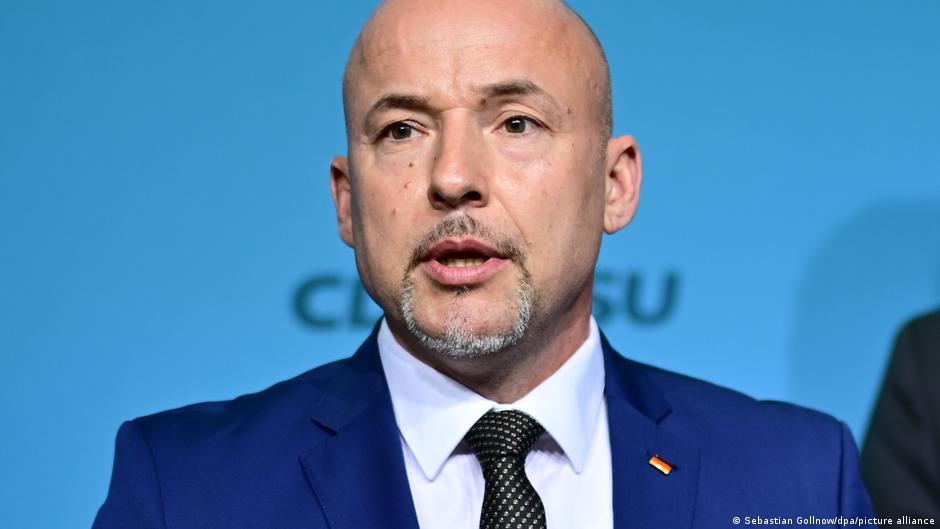
CSU leader Alexander Hoffmann urges Ukraine to transfer advanced drone technologies to Germany under an intergovernmental agreement, aiming to enhance Bundeswehr's defense capabilities.

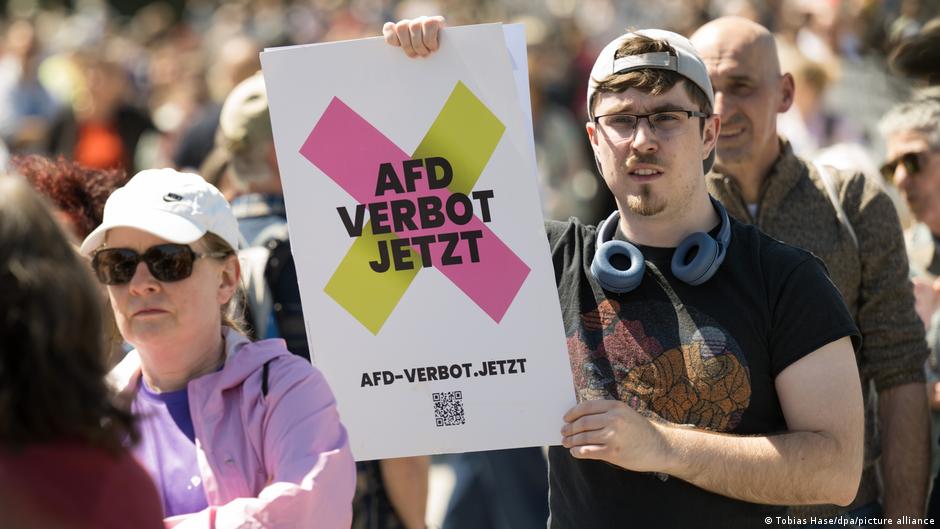
A recent Insa poll finds 45% of Germans oppose banning the far-right AfD, which leads CDU/CSU by 8%. The divided public opinion reflects broader questions about political isolation and democratic resilience in Germany.

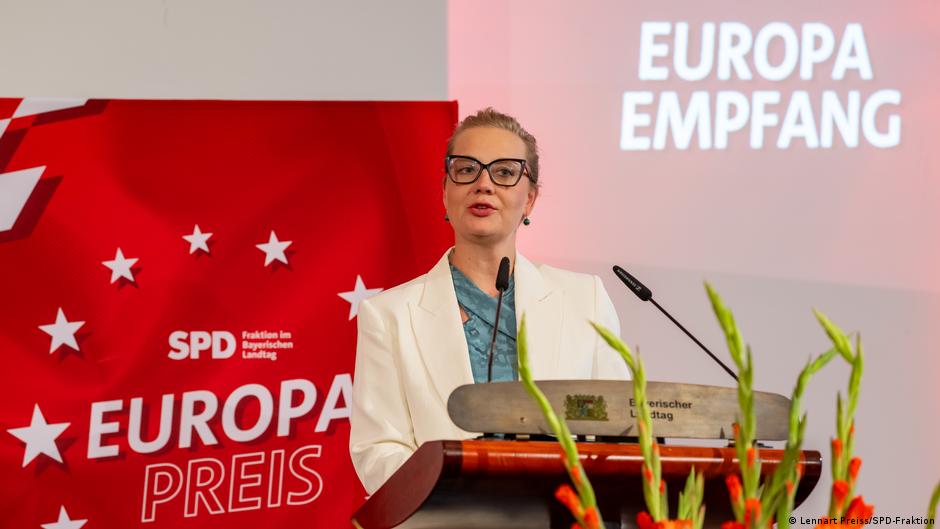
The Bavarian SPD faction awarded Julia Navalnaya the European Prize for her courageous resistance to Russia’s authoritarian regime and advocacy for human rights.

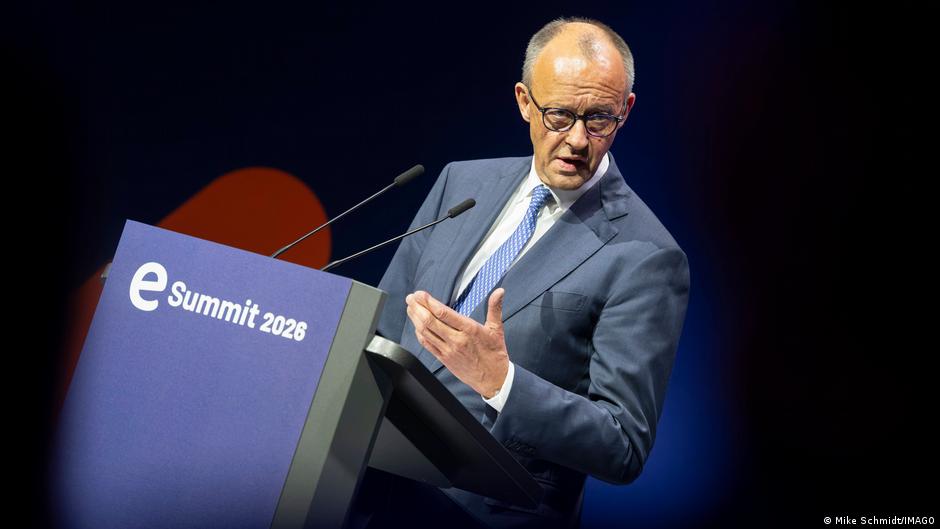
Sources close to Chancellor Friedrich Merz dismiss claims of his early replacement as unfounded, despite declining public support and media speculation amid Germany’s political challenges.