June 2026 Marks Deadliest Month for Ukrainian Civilians Since Russian Invasion
June 2026 was the deadliest month for Ukrainian civilians since the Russian invasion began, with UN data showing a rising trend in casualties and ongoing attacks in July.

June 2026 was the deadliest month for Ukrainian civilians since the Russian invasion began, with UN data showing a rising trend in casualties and ongoing attacks in July.

Ukrainian drone attacks have forced the Saratov refinery in Russia to shut down indefinitely, exacerbating fuel shortages that now affect millions amid structural refining challenges.

Iran buried former Supreme Leader Ali Khamenei in a closed ceremony amid regional tensions and uncertainty over his successor's public presence.

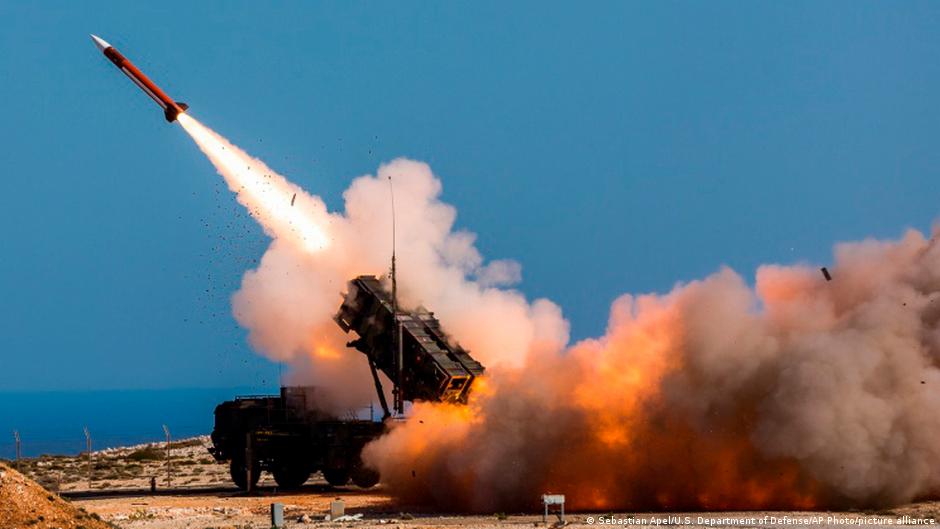
The US has launched new military strikes against Iran to prevent interference with shipping in the Strait of Hormuz, escalating tensions amid sanctions and regional retaliations.

Gasoline prices in annexed Crimea nearly doubled in early July amid Russia's ongoing fuel supply crisis and policy shifts, revealing deep structural challenges in its energy sector.

The US plans to remove Syria from its terrorism sponsor list, enabling investments and economic reintegration after years of sanctions and military disengagement.

Uzbek aluminium producer AKFA Aluminium is exploring its first international bond issuance, signaling a strategic push towards transparency and global market engagement.

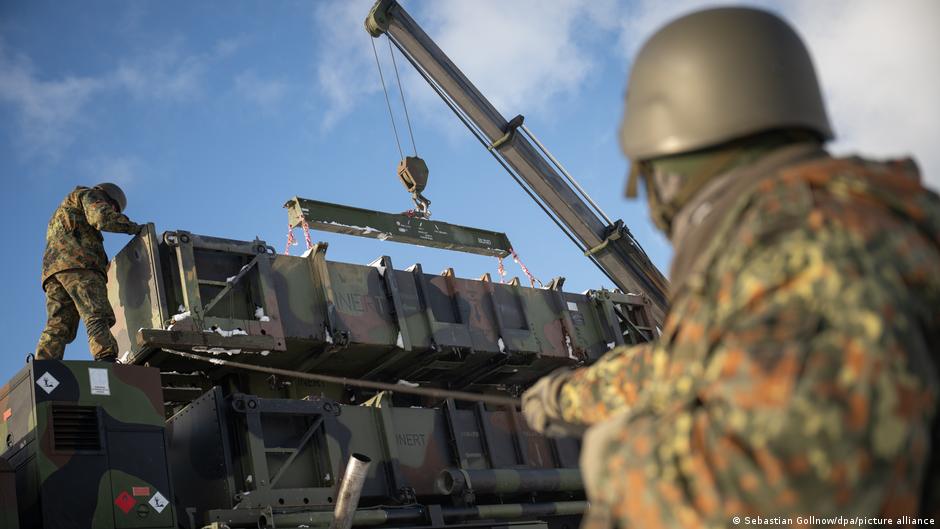
Germany plans a record 124.7 billion euro defense budget for 2026, marking a major increase in NATO Europe's military spending amid geopolitical pressures and alliance commitments.

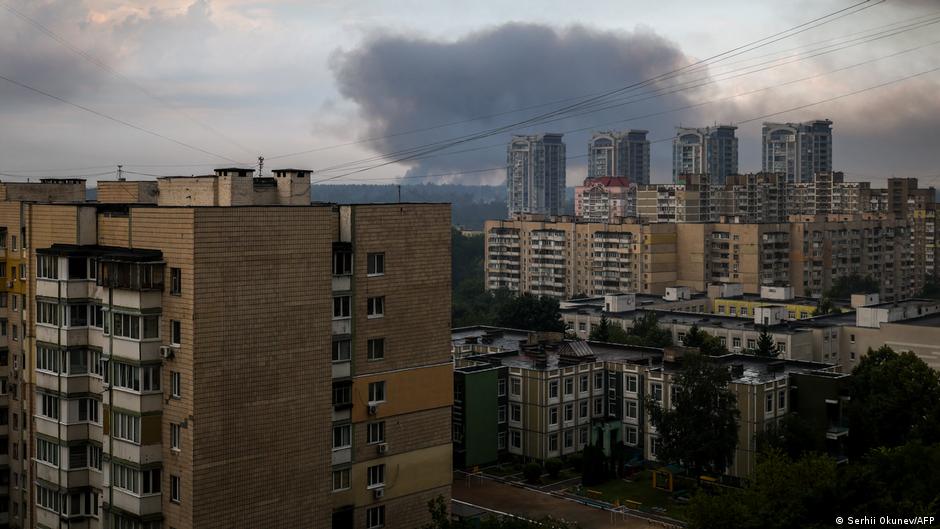
Russian missile and drone attacks on Kyiv and Kharkiv cause civilian injuries and infrastructure damage, worsening Ukraine's economic and urban stability.

US military strikes on Iran following attacks on commercial vessels heighten risks of conflict and disrupt critical energy trade routes through the Strait of Hormuz.

Cuba's nationwide blackout on July 6 highlights the deepening energy crisis driven by U.S. sanctions and stalled diplomatic negotiations.

Germany's 2027 budget plans increased spending and borrowing, focusing on defense amid Russia-related security concerns, raising debates over economic growth and fiscal sustainability.