Turkey Resumes Passage of Ships Through Straits Amid Black Sea Tensions
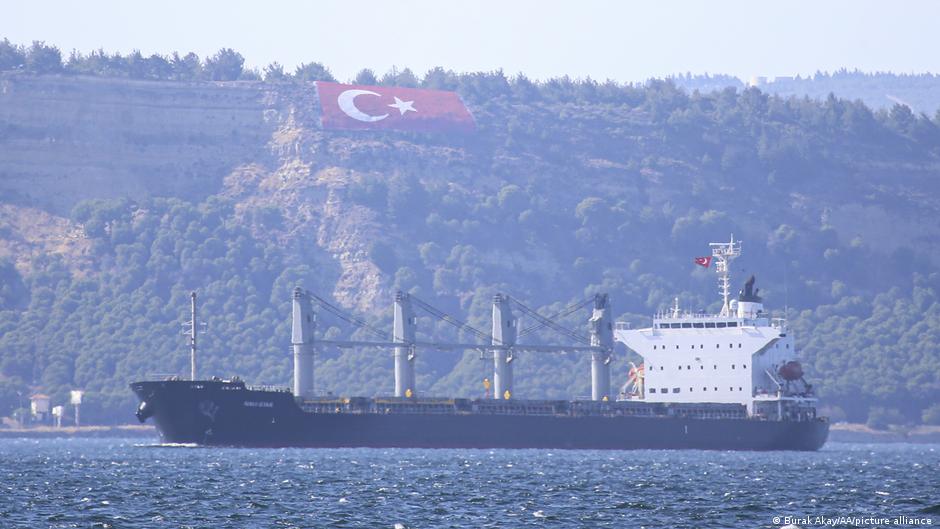
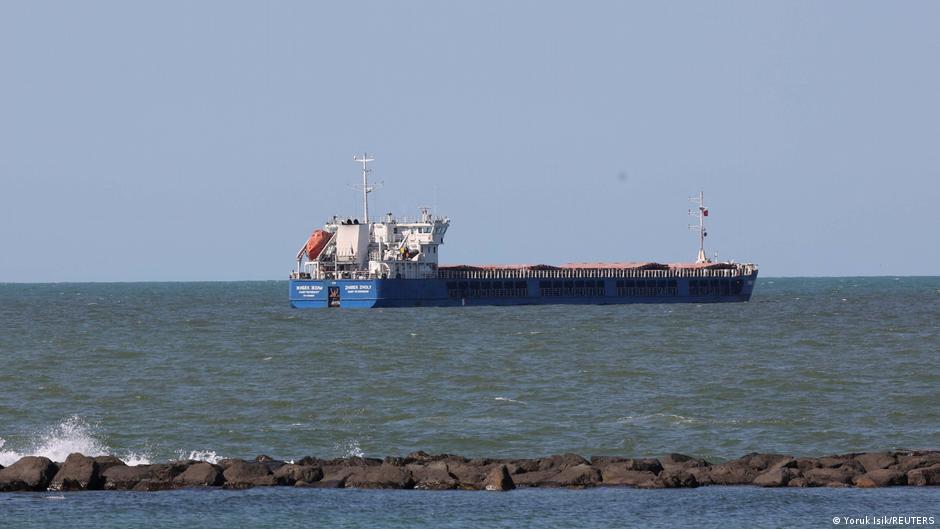
Turkey has reopened its straits to commercial ships after a temporary halt linked to security concerns amid escalating Russian-Ukrainian maritime conflicts.

Turkey has reopened its straits to commercial ships after a temporary halt linked to security concerns amid escalating Russian-Ukrainian maritime conflicts.

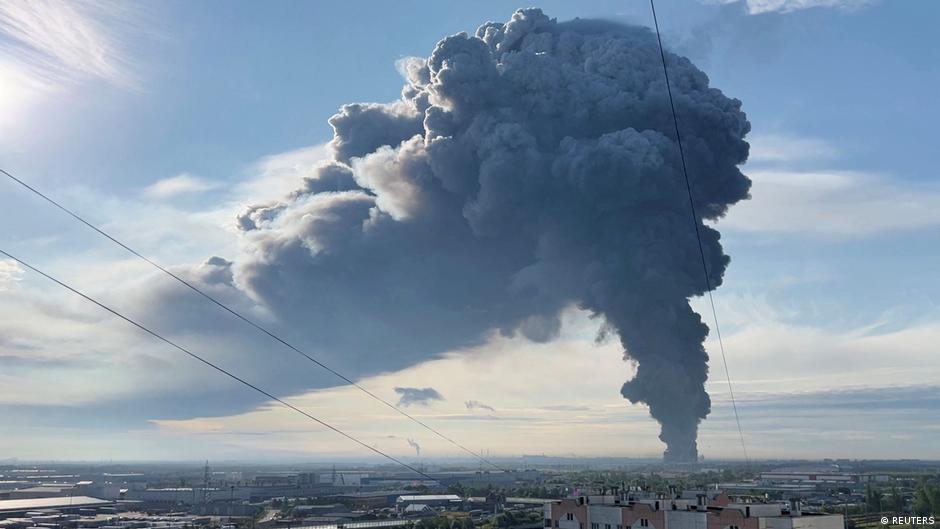
Ukraine’s Security Service reports a 40-day campaign targeting over 100 Russian strategic sites, severely impacting military and energy infrastructure to pressure Russia towards ending the conflict.

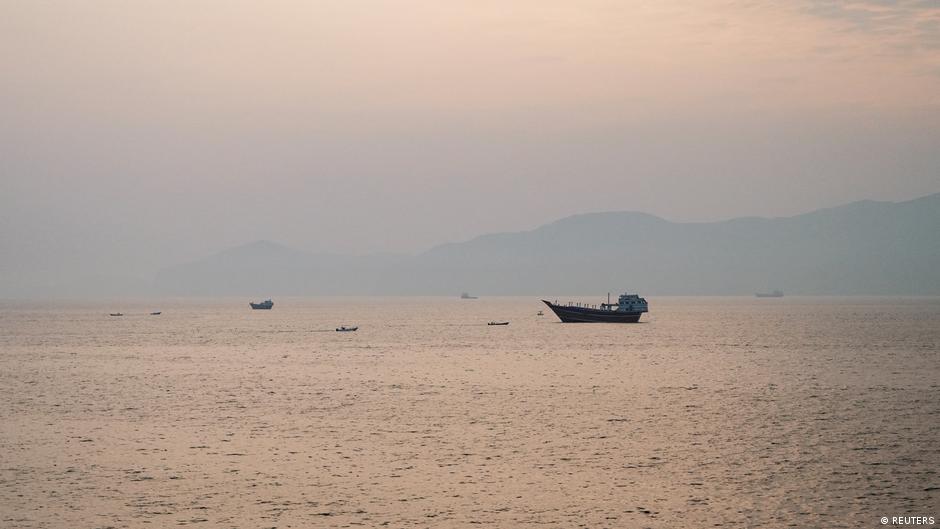
Iran's IRGC claims a tanker was mined in the Strait of Hormuz after unauthorized passage, signaling heightened risks to global oil transit through this strategic chokepoint.

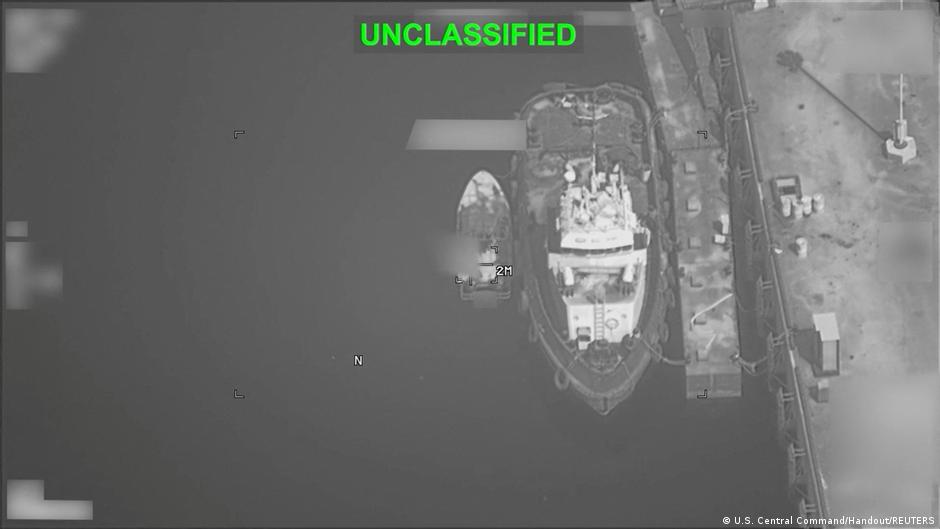
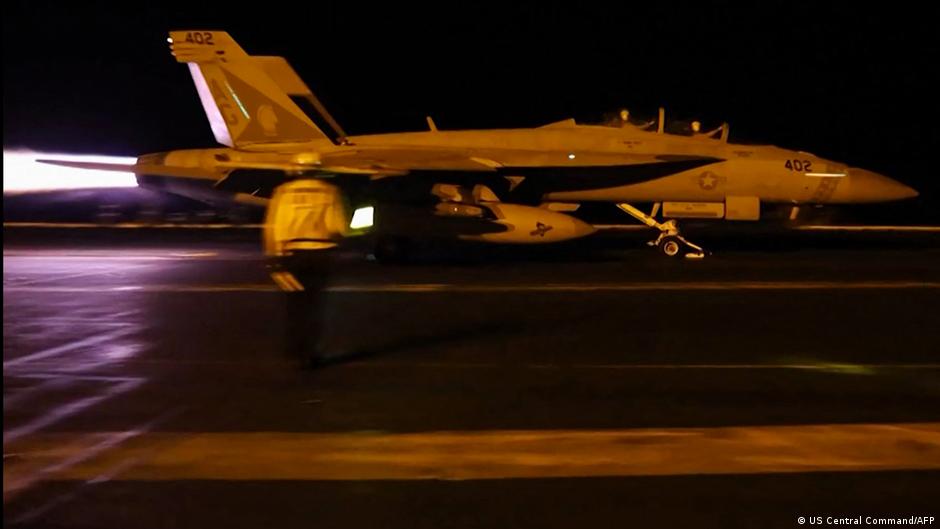
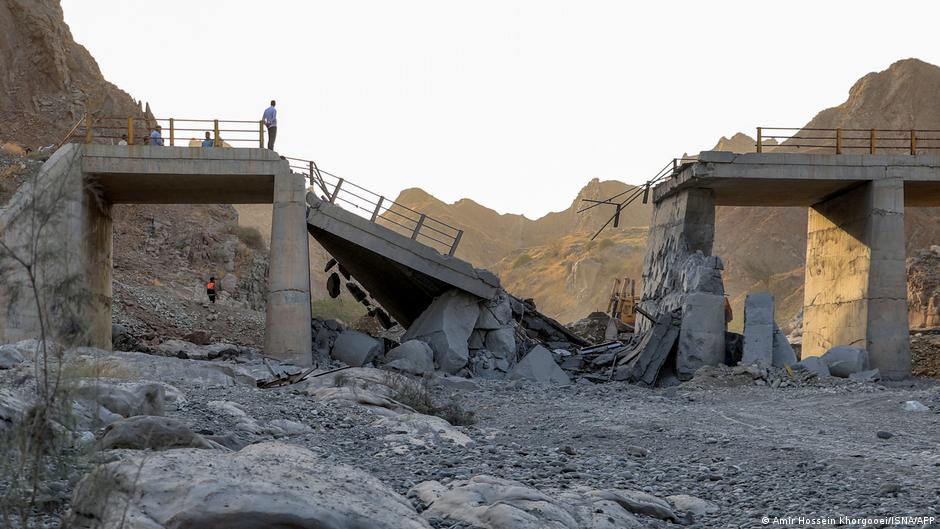
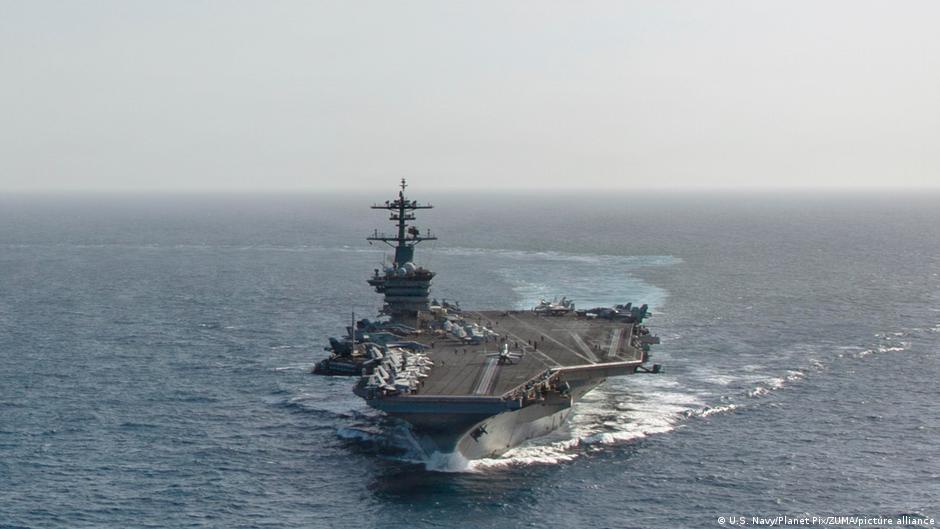
The US has launched ten consecutive days of attacks against Iran, targeting military infrastructure amid reciprocal strikes and disruptions in the strategic Strait of Hormuz.

US forces have launched nine consecutive nights of strikes against Iran, prompting Iranian retaliation and impacting shipping through the strategic Strait of Hormuz, with broader implications for global energy markets.

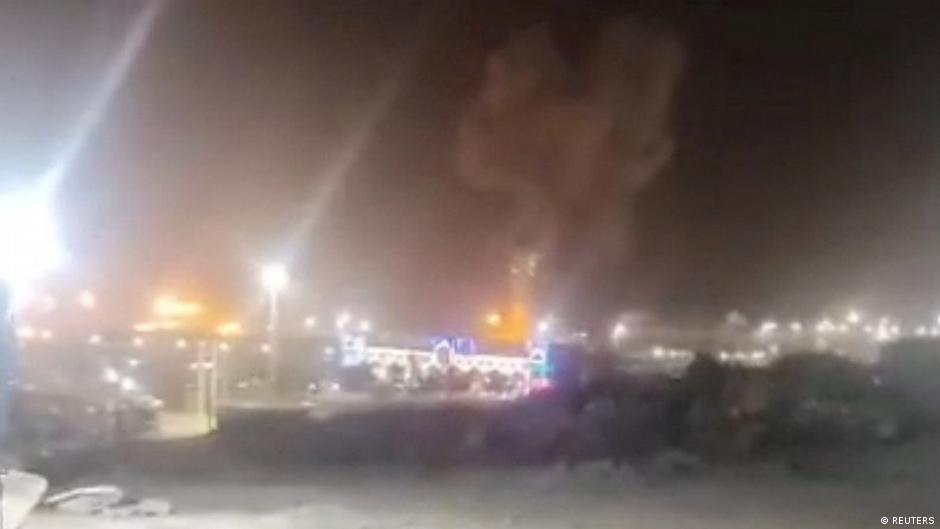
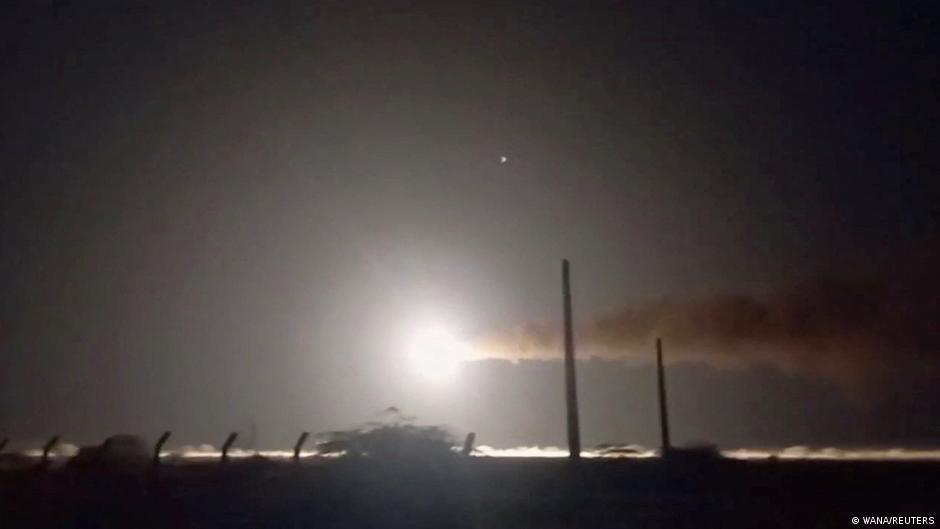
The US launched airstrikes on Iranian military and infrastructure sites, prompting retaliatory attacks on US bases in Bahrain and Kuwait, escalating tensions with significant economic ramifications.

Russia halts vessel passage through the Azov-Don canal after Ukrainian drone strikes damage key ships, disrupting grain exports and causing wheat prices to surge.

The US military conducted defensive strikes on southern Iran to counter threats amid ongoing peace talks, highlighting fragile regional stability and potential economic repercussions.

US intelligence reveals Iran retains about 70% of its missile arsenal, challenging official claims of military degradation and raising strategic concerns over US munitions depletion.

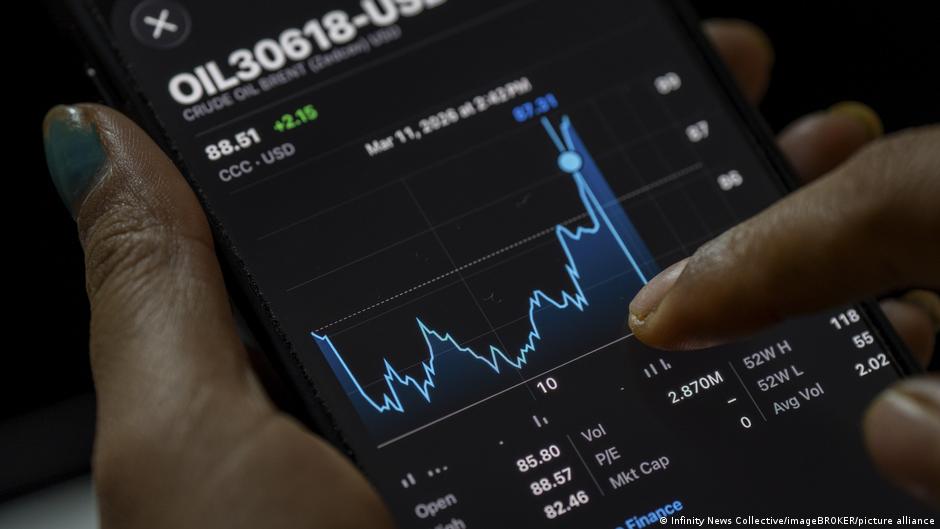
US-Iran tensions trigger a 7% rise in Brent oil prices amid threats of long-term blockade, exposing the economic vulnerabilities of global energy markets.