Bulgaria to Veto EU’s New Russia Sanctions Citing Economic Risks and Political Concerns
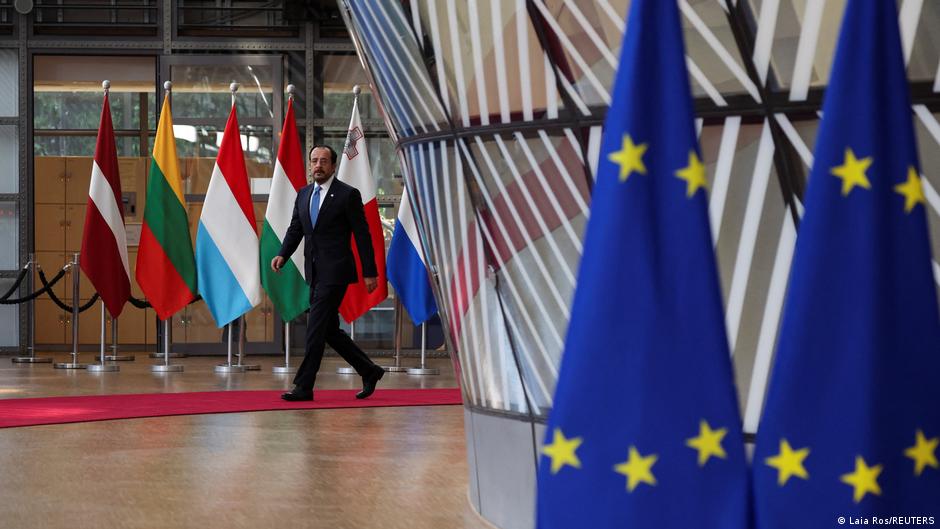
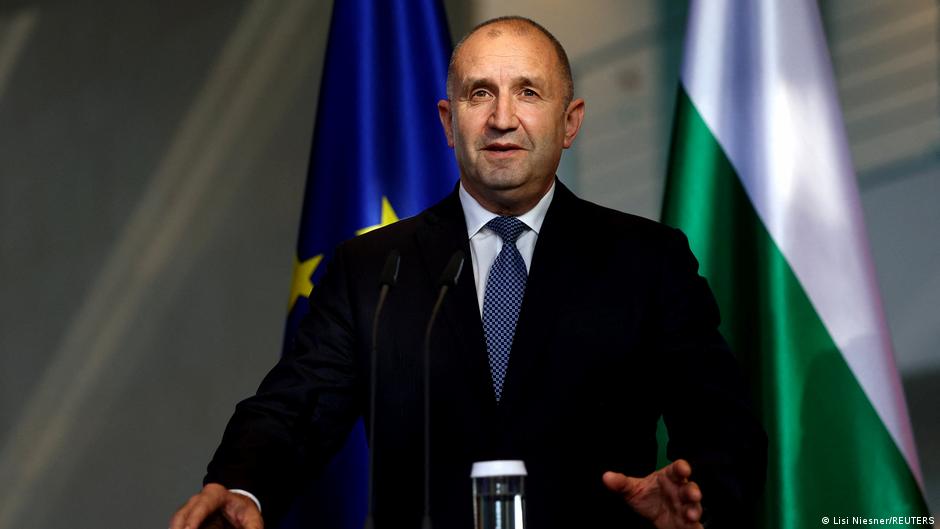
Bulgaria plans to veto the EU’s expanded sanctions on Russia, citing risks to its economy and opposing restrictions on the Russian Orthodox Patriarch.

Bulgaria plans to veto the EU’s expanded sanctions on Russia, citing risks to its economy and opposing restrictions on the Russian Orthodox Patriarch.

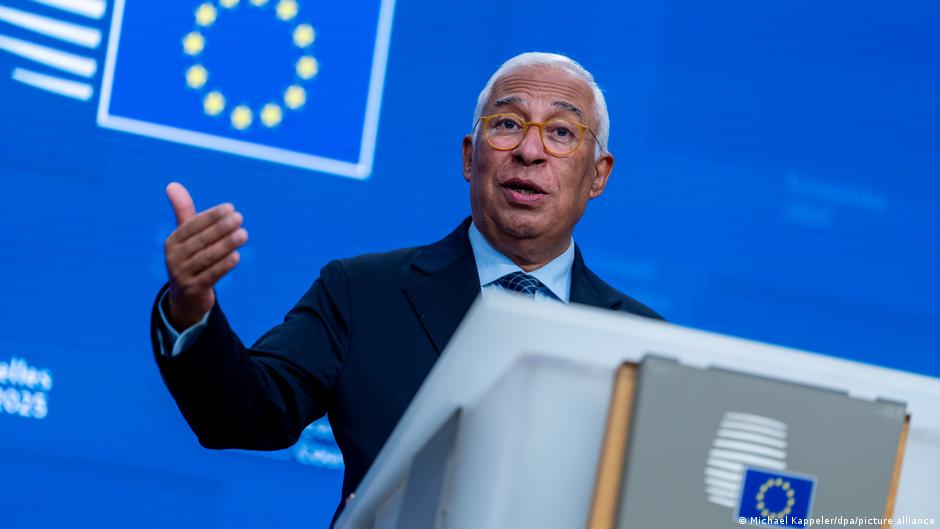
The EU agreed to extend sanctions on Russia for one year, reflecting political shifts and signaling deeper economic impacts amid ongoing conflict in Ukraine.

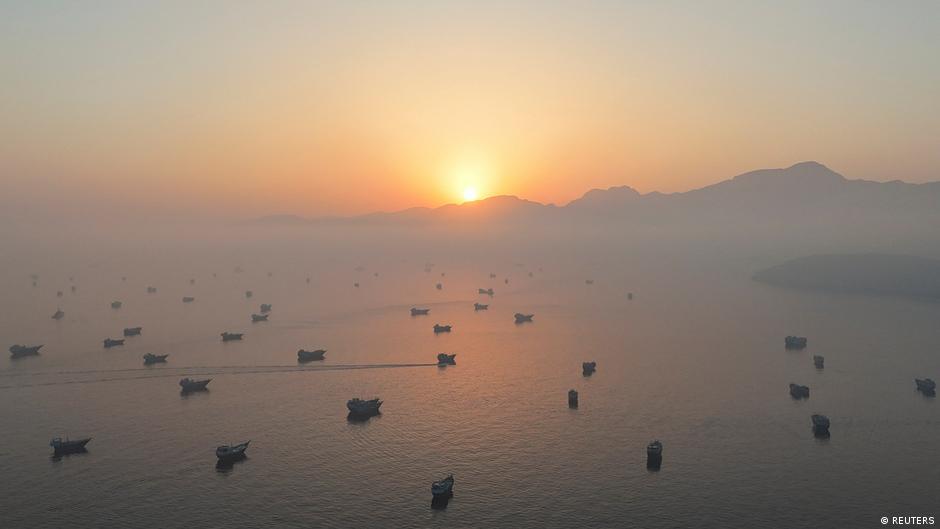
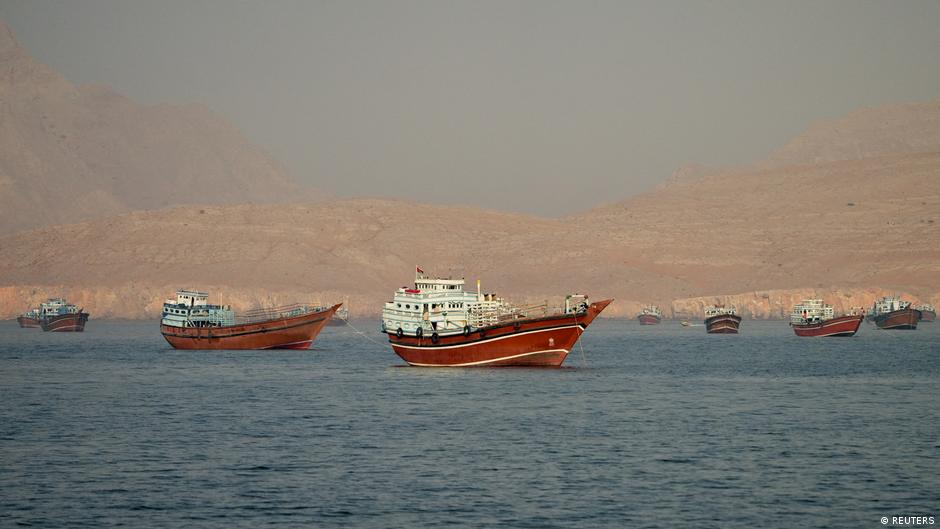
The US has lifted its naval blockade of the Strait of Hormuz, enabling renewed Iranian oil exports and opening a 60-day negotiation period aimed at a comprehensive peace agreement.

The EU has begun discreet talks with the Kremlin to prepare for potential peace negotiations on the Ukraine conflict, amid growing military and economic pressures on Russia.

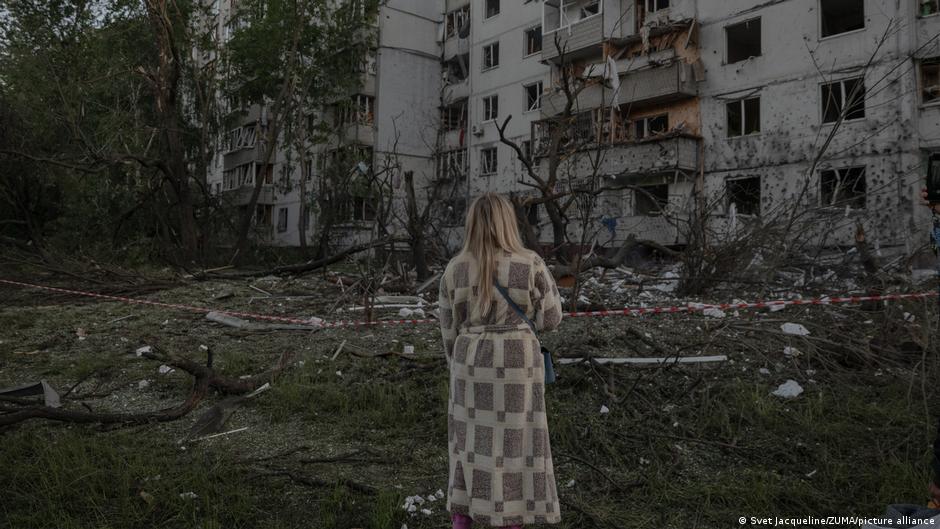
Russia launched ballistic missile strikes on Kyiv and other Ukrainian cities shortly after the G7 pledged increased support to Ukraine, highlighting ongoing conflict risks and economic disruptions.

Pakistan announces immediate reopening of the Strait of Hormuz following a US-Iran peace memorandum, signaling a potential shift in regional stability and global energy markets.

G7 leaders commit to new sanctions targeting Russia's energy sector and pledge increased military aid to Ukraine amid evolving conflict dynamics and strategic economic pressures.

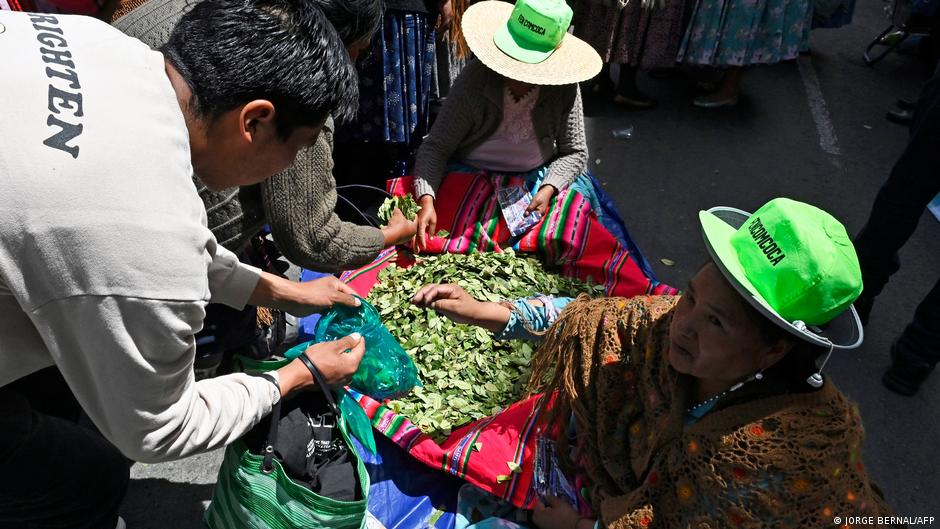
Bolivia and the United States have signed their first drug control cooperation agreement in 18 years, marking a tentative renewal of collaboration amid Bolivia’s status as a leading cocaine producer.

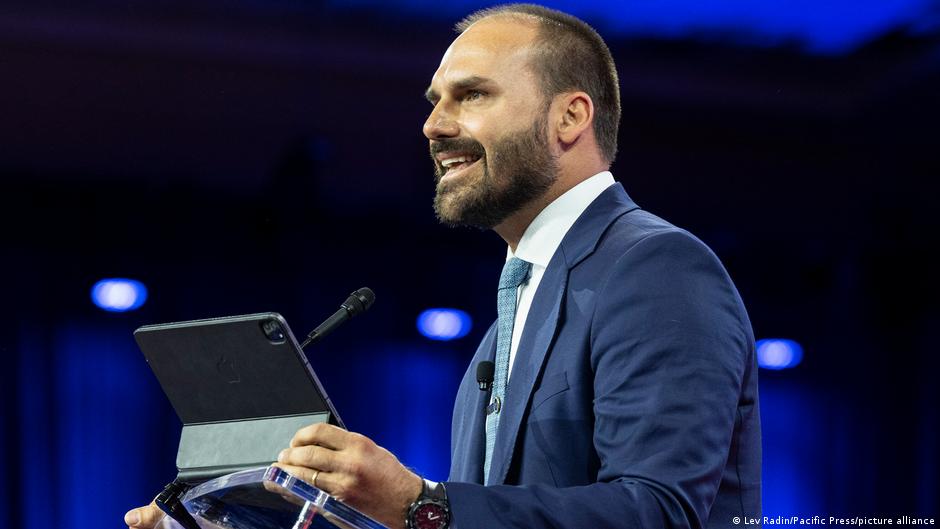
Eduardo Bolsonaro, son of former president Jair Bolsonaro, was sentenced in absentia to over four years in prison for urging US sanctions against Brazil, raising concerns about political and economic stability.

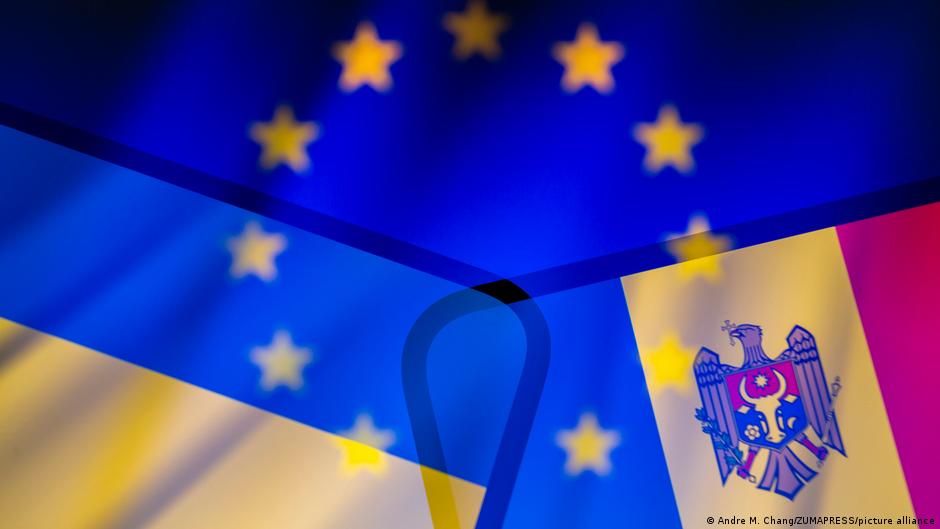
The EU has commenced formal accession talks with Ukraine and Moldova, initiating the first negotiation cluster that moves the process from preparation to substantive reform discussions.

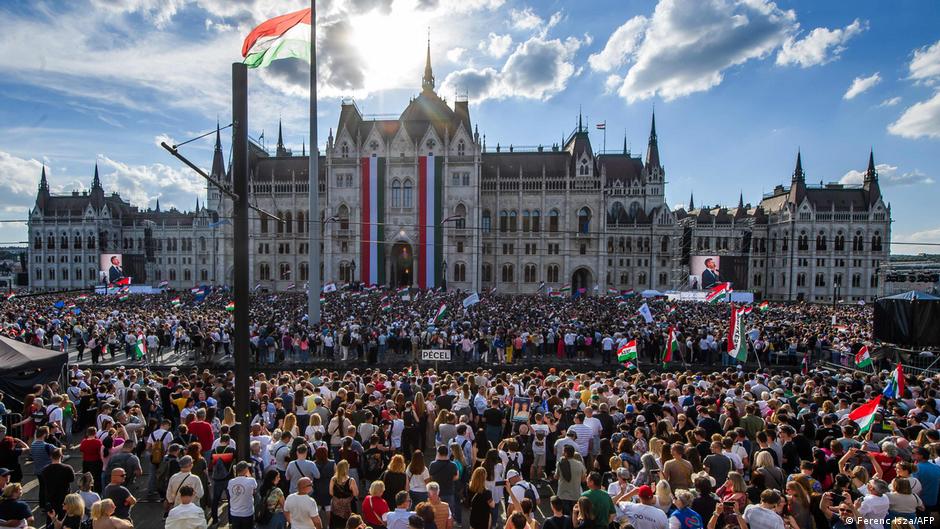
Hungary’s parliament limits prime ministerial terms to two four-year periods, barring Viktor Orbán from returning after five terms.

Germany's labor shortage is projected to increase by 4.3 million by 2036 due to retiring baby boomers and slowing population growth, challenging economic stability and social welfare.