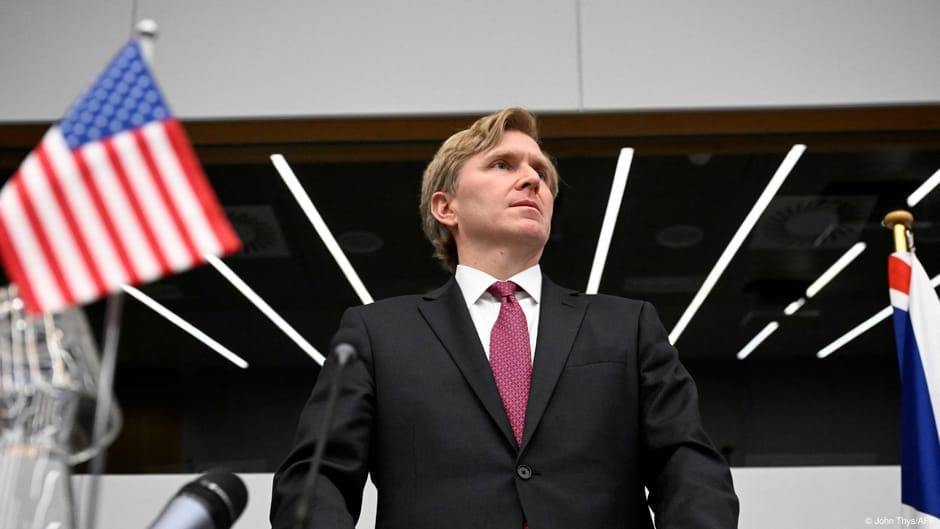
Pentagon Strategist Leaves NATO Talks After Rebuking Ukraine
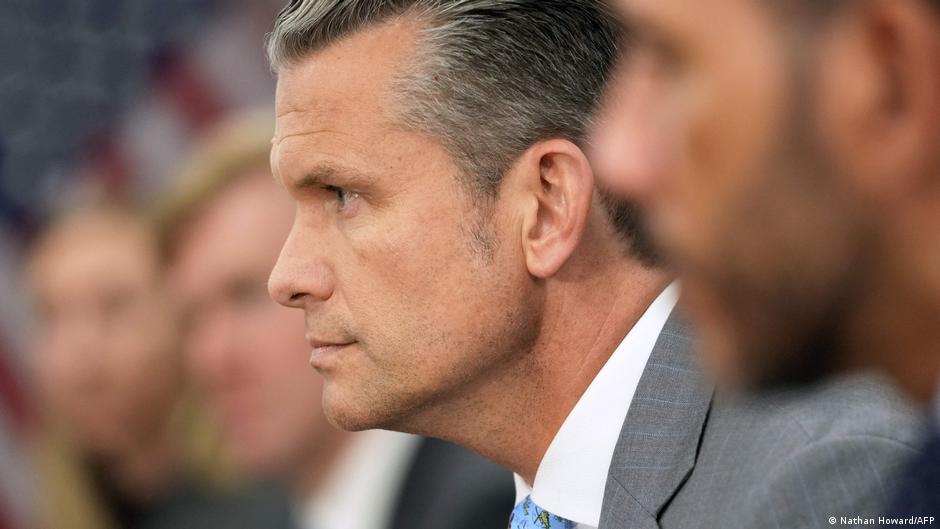
Elbridge Colby’s early exit from NATO talks exposed a growing US-European divide over Ukraine’s strikes inside Russia and the cost of sustaining the war.

Elbridge Colby’s early exit from NATO talks exposed a growing US-European divide over Ukraine’s strikes inside Russia and the cost of sustaining the war.

Kyiv and Moscow discussed exchanging up to 3,000 prisoners as Abu Dhabi talks turned to territory, energy, Black Sea security and de-escalation.

Thomas Massie’s impeachment resolution against Pete Hegseth turns the Iran war into a wider test of congressional authority, military spending and geopolitical risk.

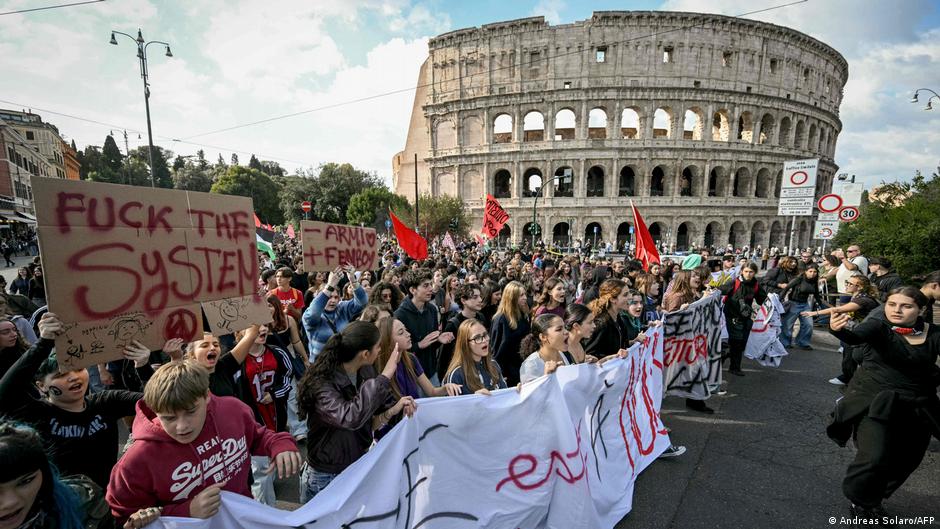
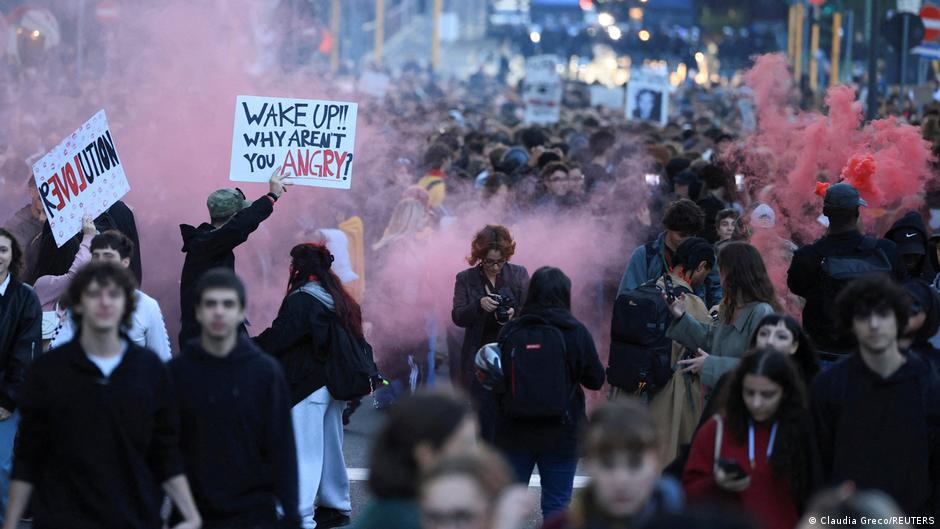
Italy’s mass protests over rents, fuel and defence spending highlight a widening European struggle over household costs and scarce public resources.

Protests across Italy link household price pressures with opposition to military spending and the Meloni government, raising economic and political risks.

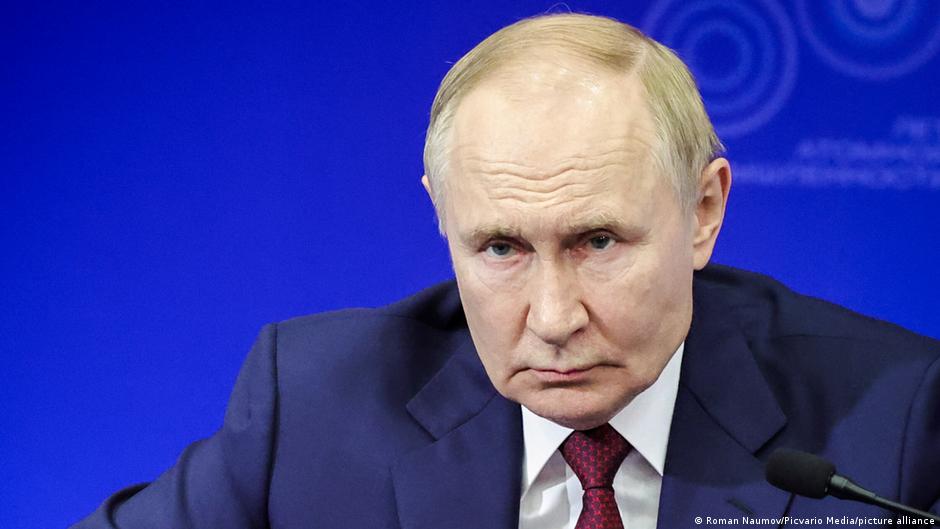
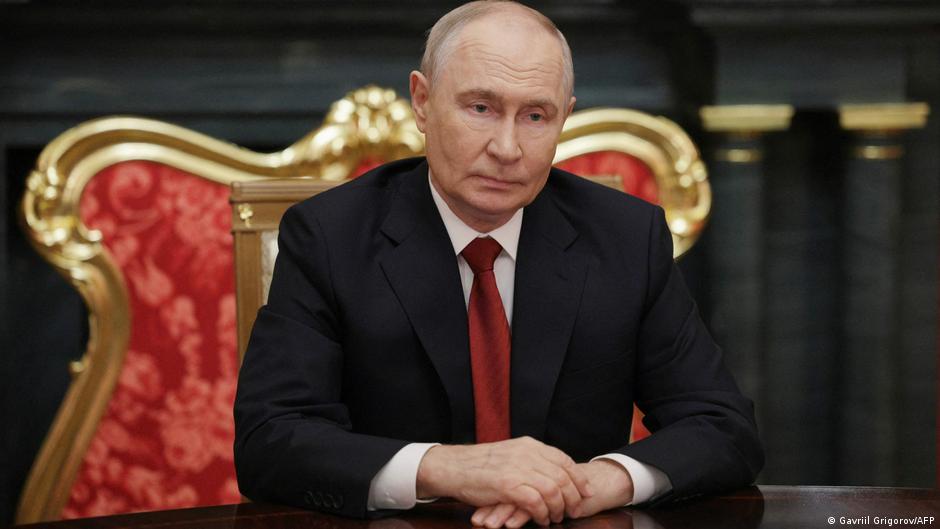
Putin’s Valdai speech sharpened nuclear rhetoric and war claims, adding to Europe’s long-term economic and security risk premium.

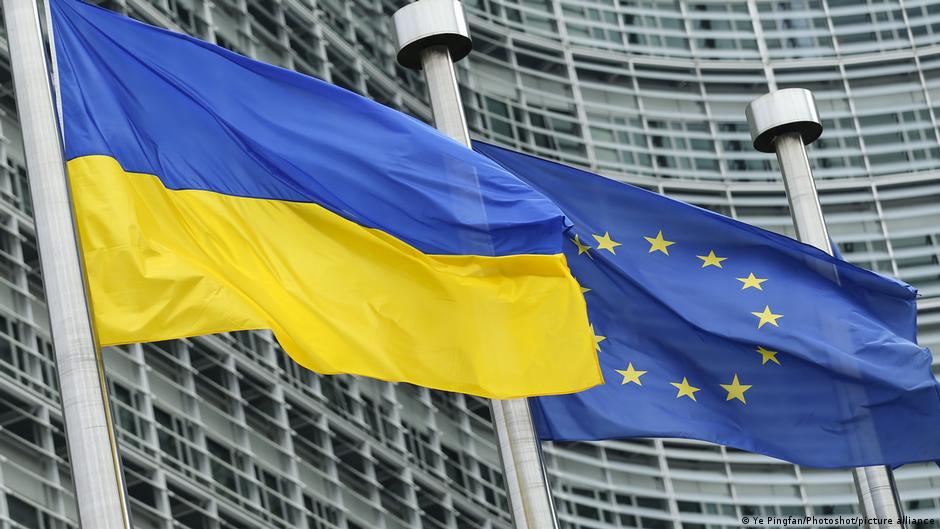
The EU declined to accelerate part of a €90 billion Ukraine loan, arguing that early disbursement would shift the war-financing gap into 2027.

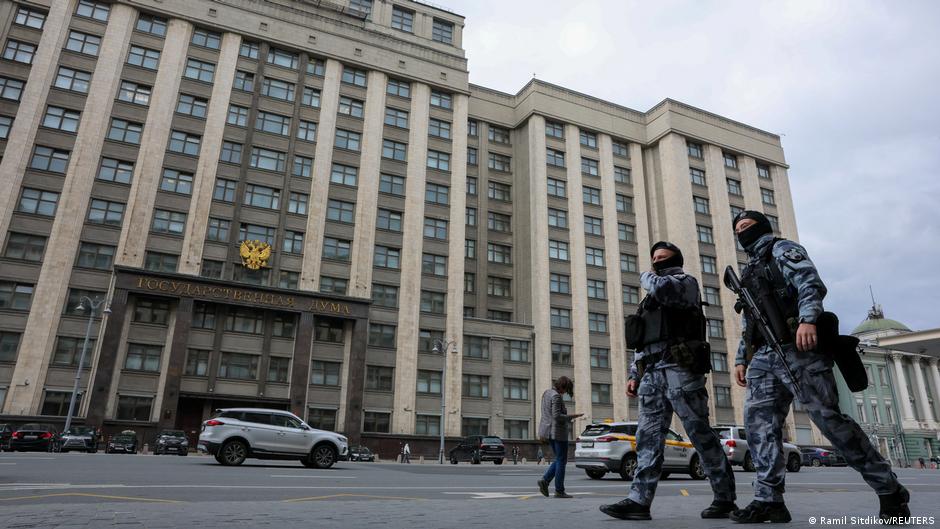
Russia began a three-day State Duma vote that includes occupied Ukrainian territories and excludes anti-war parties from the party-list race.

Putin’s support for using medically unfit volunteers in drone defense highlights Russia’s search for manpower while denying new mobilization.

Darline Graham Norton has been appointed to her late brother Lindsey Graham's Senate seat to protect the fragile Republican majority and continue his policy legacy until 2027.

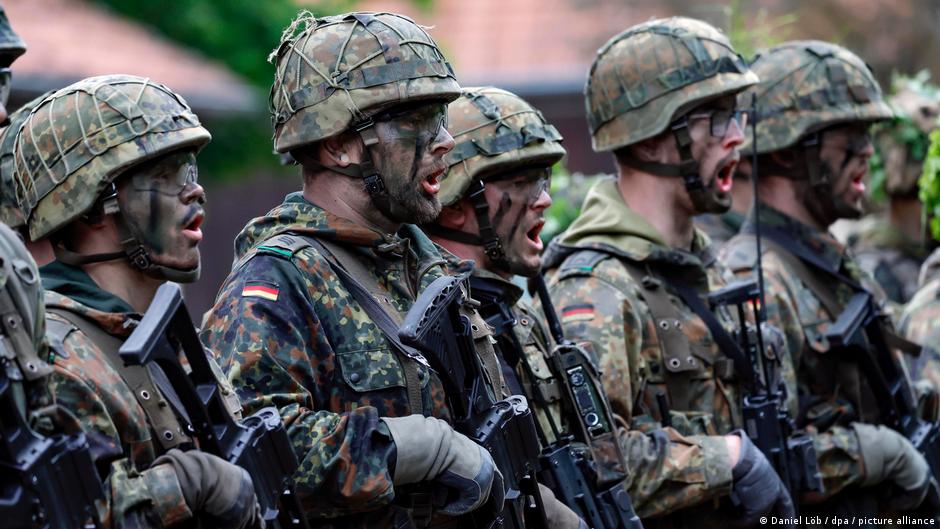
Germany plans a record 124.7 billion euro defense budget for 2026, marking a major increase in NATO Europe's military spending amid geopolitical pressures and alliance commitments.

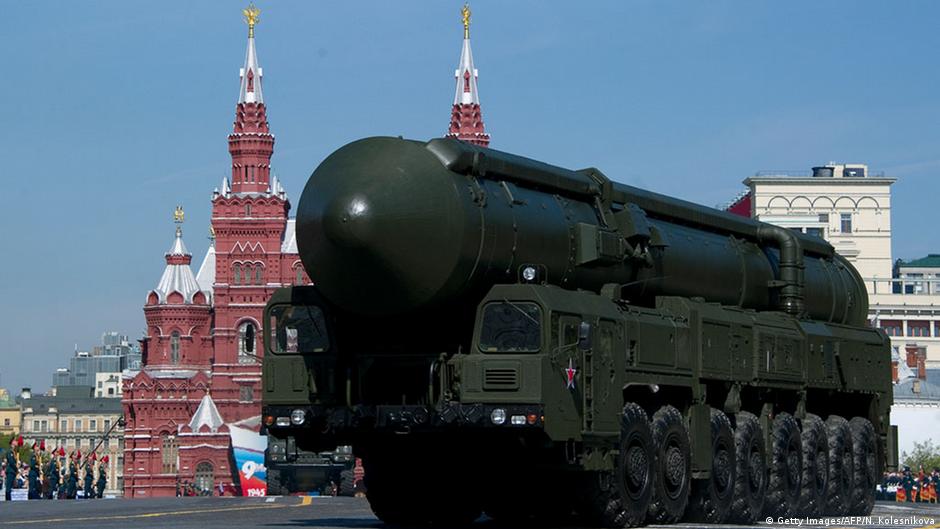
NATO intelligence reveals Russia’s secret project to deploy nuclear-capable ballistic missiles on the seabed, signaling a strategic shift in underwater nuclear deterrence.

The US commits to sending 5,000 additional troops to Poland, reversing earlier Pentagon decisions and signaling a complex strategic realignment in Europe with broad economic and security implications.

US considers relocating 5,000 troops from Germany to Poland amid strategic and political shifts, impacting NATO dynamics and regional security architecture.

US-Iran tensions trigger a 7% rise in Brent oil prices amid threats of long-term blockade, exposing the economic vulnerabilities of global energy markets.