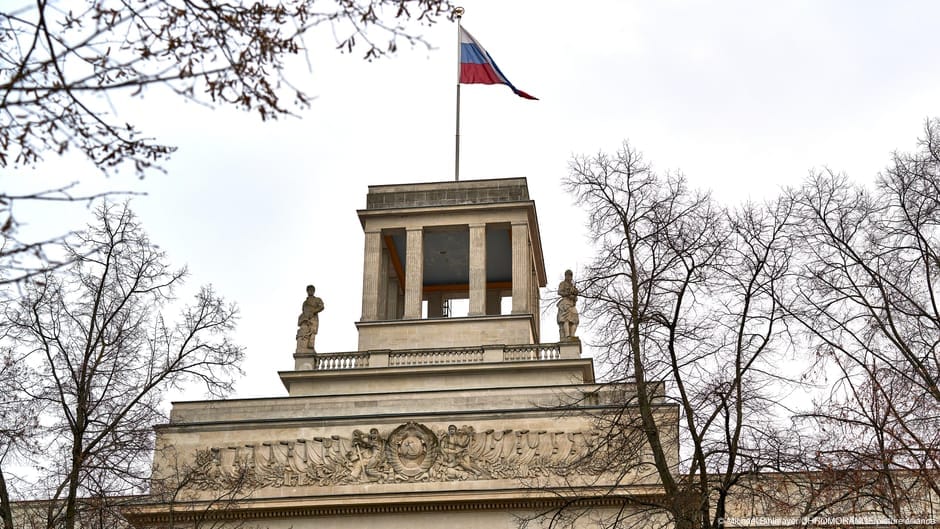
German Poll Reveals Russia Fears but Deep Divisions Over Energy Ties
Most Germans view Russia as a threat, but an almost even split over Russian energy supplies exposes a persistent conflict between security and economic concerns.

Most Germans view Russia as a threat, but an almost even split over Russian energy supplies exposes a persistent conflict between security and economic concerns.

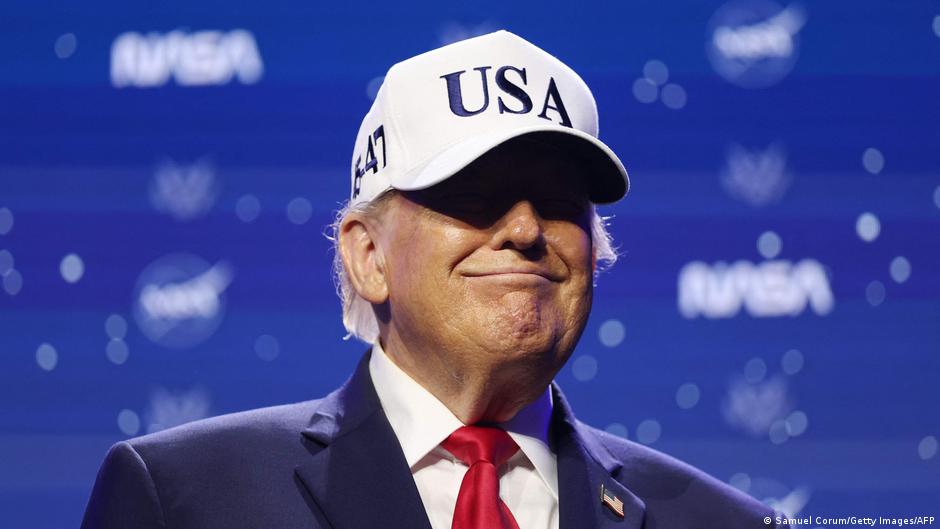
Trump accepted the Democratic midterm victory but ordered a probe of party members, setting up a confrontation with economic and institutional consequences.

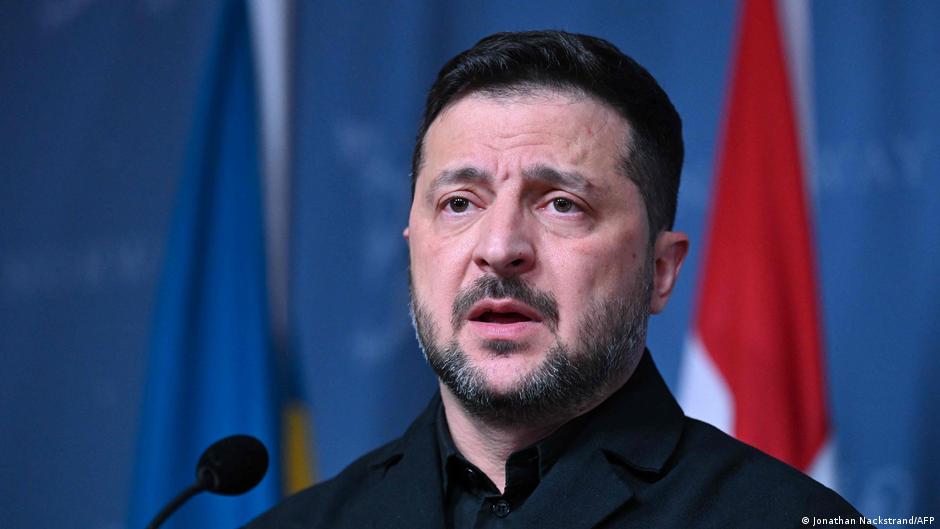
Zelensky expects Democratic control of Congress to expand US military and financial support for Ukraine and reinforce transatlantic coordination.

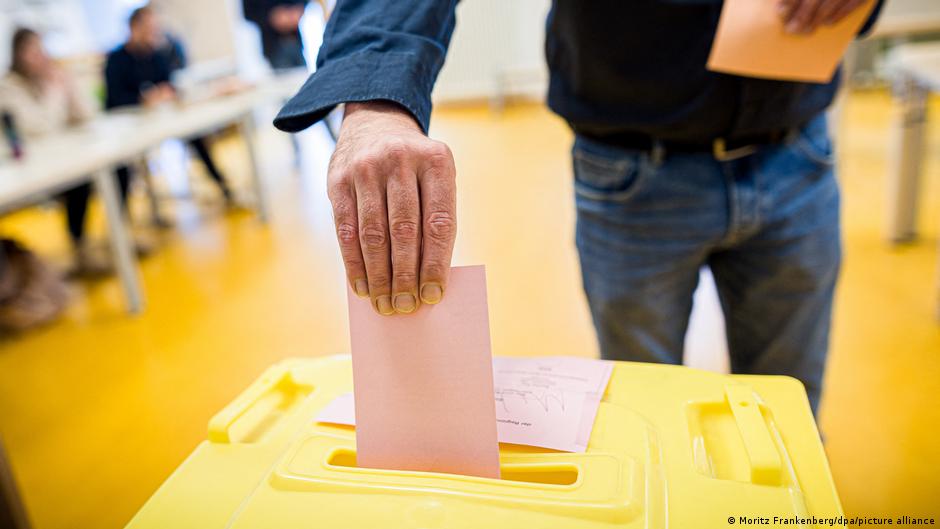
Lower Saxony’s runoffs strengthened Green urban leadership and showed the AfD’s difficulty converting first-round support into executive power.

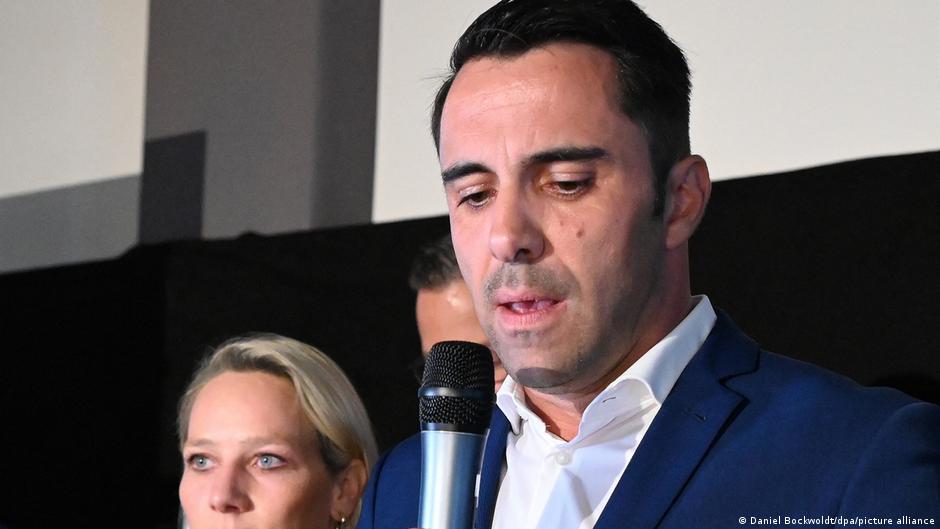
Daniel Peters resigned after the CDU won just 4.9% in Mecklenburg-Western Pomerania, missing a state parliament for the first time.

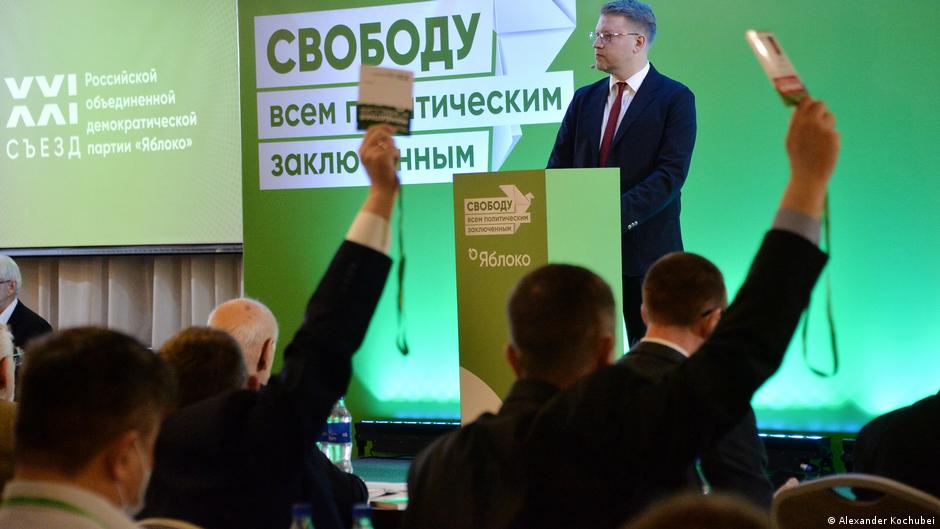
Yabloko’s projected Novgorod seat may preserve its ballot access for future State Duma races after federal exclusions and campaign restrictions.

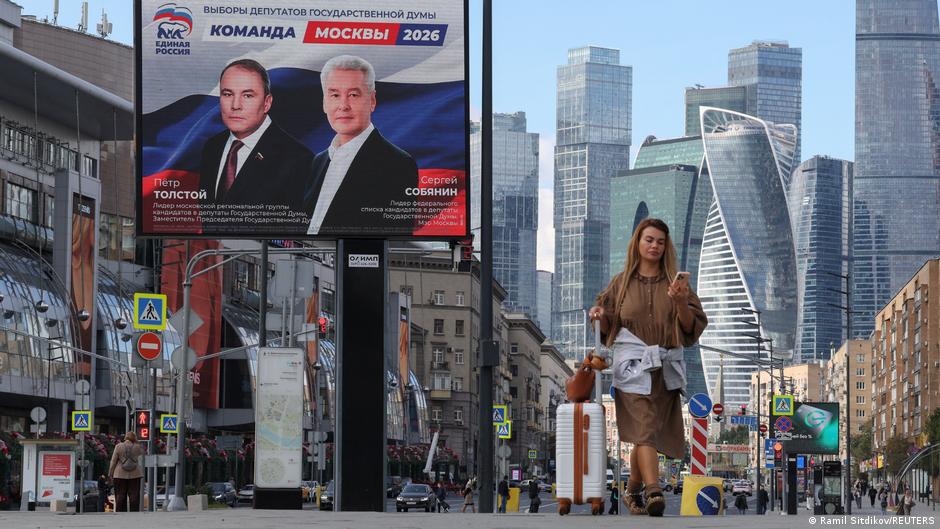
Partial results put United Russia on track for a State Duma constitutional majority, reinforcing Russia’s centralized wartime economic model.

AfD’s projected win in Saxony-Anhalt drew sharp reactions from Poland, France and the Czech Republic, exposing wider European economic and political strains.

AfD’s 43.8 percent win in Saxony-Anhalt leaves no clear governing majority and raises major questions over energy, sanctions and eastern Germany’s economy.

Germany’s CDU/CSU support falls to 20%, with far-right AfD leading polls ahead of key state elections, reflecting volatile voter behavior and shifting political allegiances.

Austria plans to extend mandatory military service to nine months, responding to evolving security threats including hybrid warfare and cyber risks.

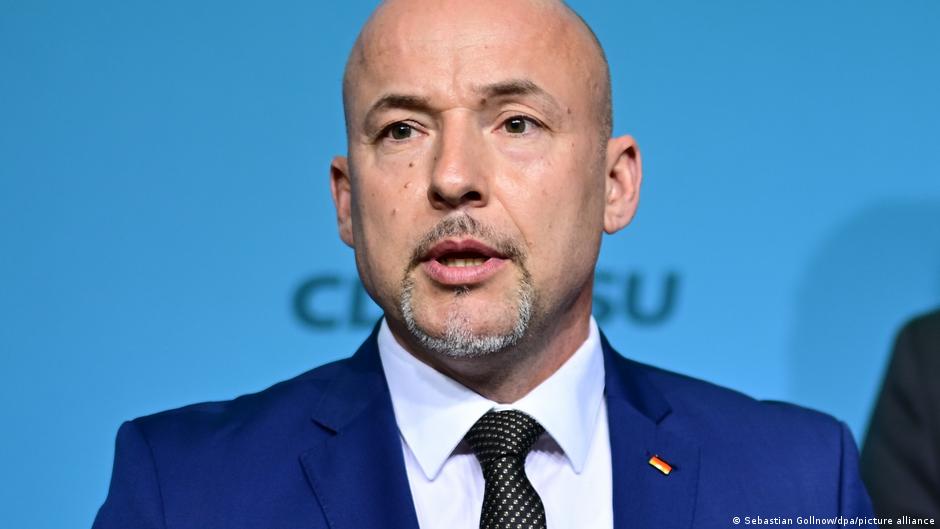
CSU leader Alexander Hoffmann urges Ukraine to transfer advanced drone technologies to Germany under an intergovernmental agreement, aiming to enhance Bundeswehr's defense capabilities.

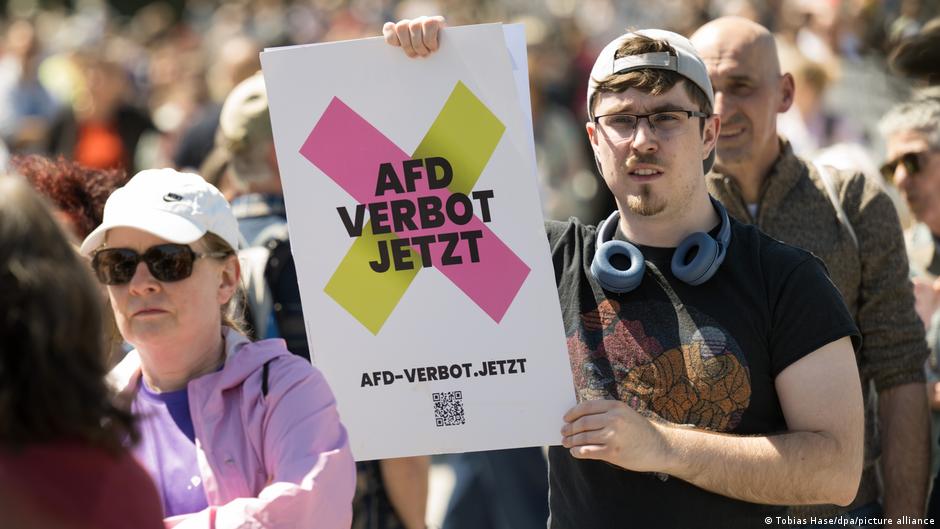
A recent Insa poll finds 45% of Germans oppose banning the far-right AfD, which leads CDU/CSU by 8%. The divided public opinion reflects broader questions about political isolation and democratic resilience in Germany.

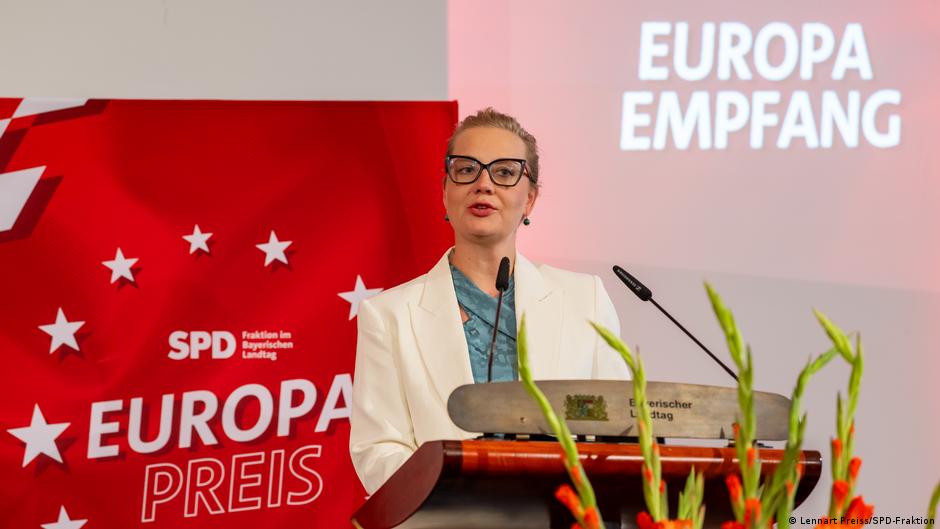
The Bavarian SPD faction awarded Julia Navalnaya the European Prize for her courageous resistance to Russia’s authoritarian regime and advocacy for human rights.

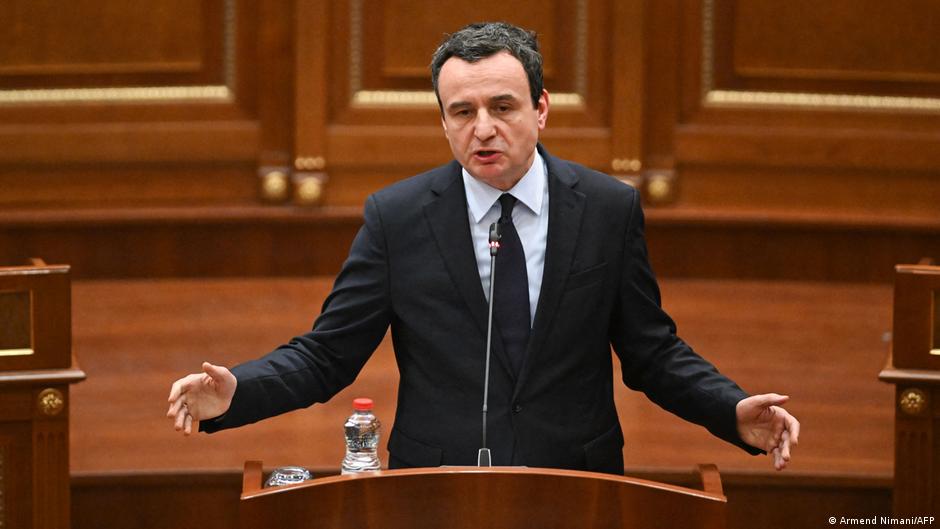
Kosovo’s Self-Determination party wins 43% in third election within 18 months, facing coalition challenges amid political instability and EU integration pressures.

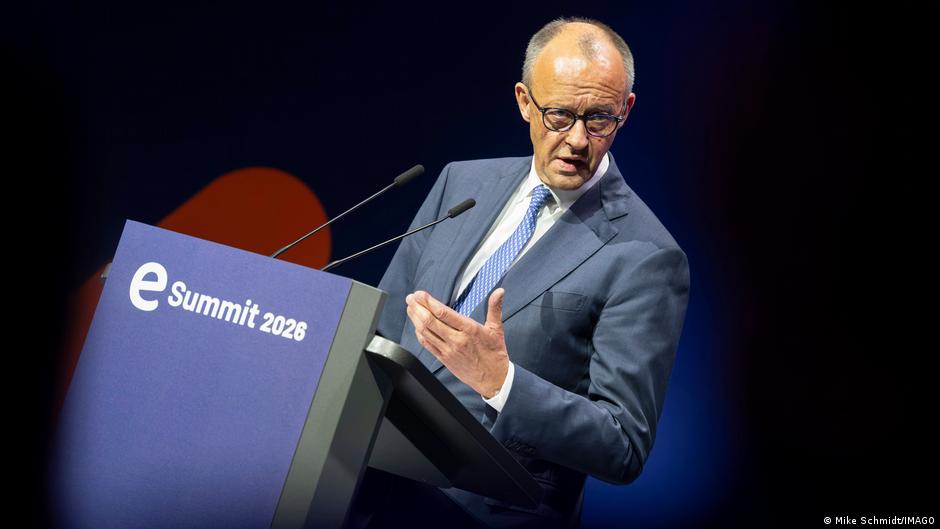
Sources close to Chancellor Friedrich Merz dismiss claims of his early replacement as unfounded, despite declining public support and media speculation amid Germany’s political challenges.

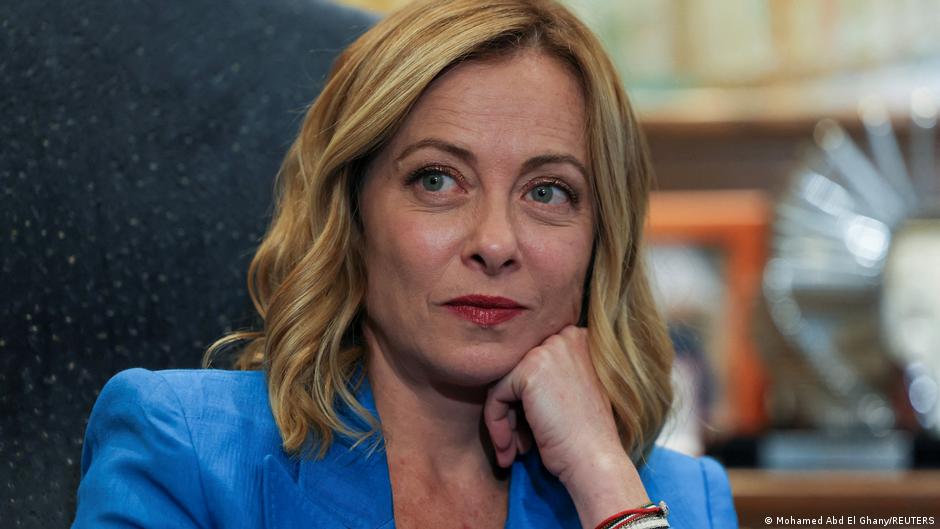
Italian PM Giorgia Meloni condemns Russian propaganda following insults by Vladimir Solovyov, highlighting Italy's sovereign foreign policy stance amid diplomatic tensions.