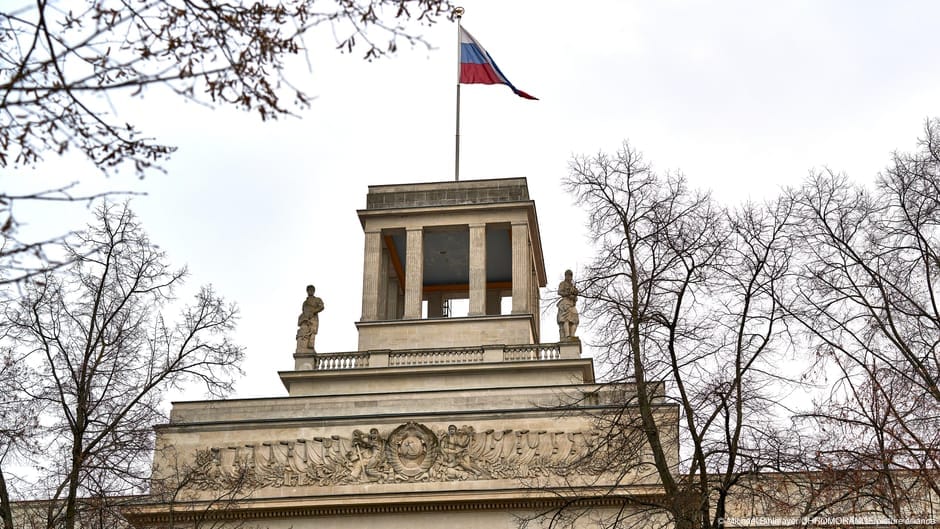
German Poll Reveals Russia Fears but Deep Divisions Over Energy Ties
Most Germans view Russia as a threat, but an almost even split over Russian energy supplies exposes a persistent conflict between security and economic concerns.

Most Germans view Russia as a threat, but an almost even split over Russian energy supplies exposes a persistent conflict between security and economic concerns.

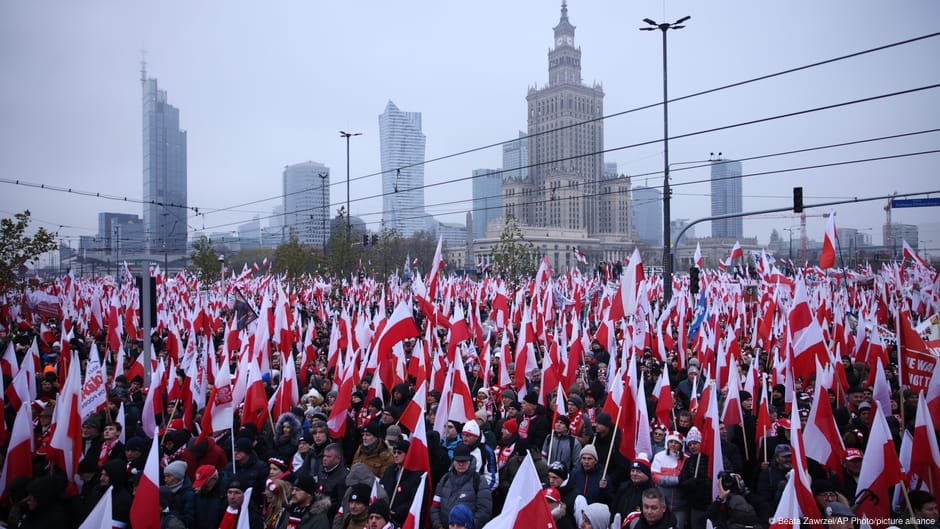
A 250,000-strong Warsaw march highlighted how nationalism and conflict over Poland’s Constitutional Tribunal could shape institutional and economic confidence.

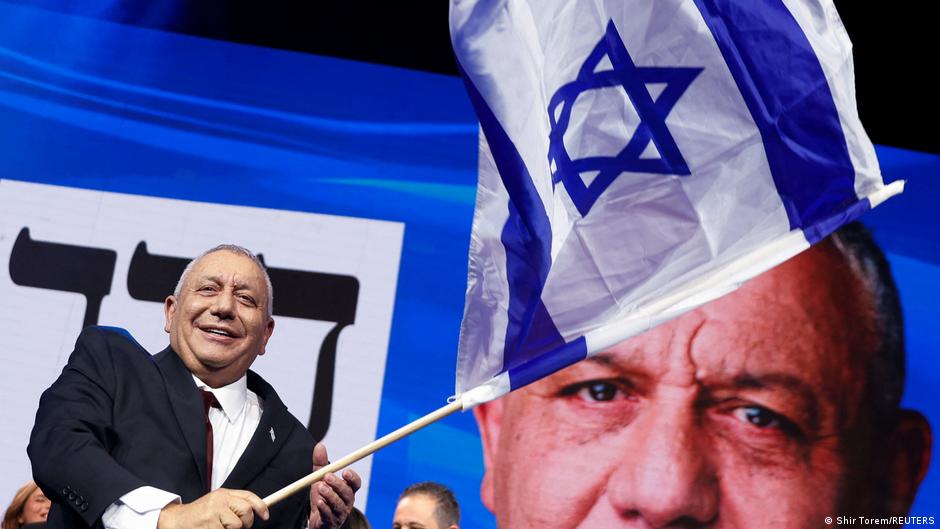
Gadi Eisenkot has 28 days to build a coalition, with Arab parties holding the balance amid political fragmentation and economic uncertainty.

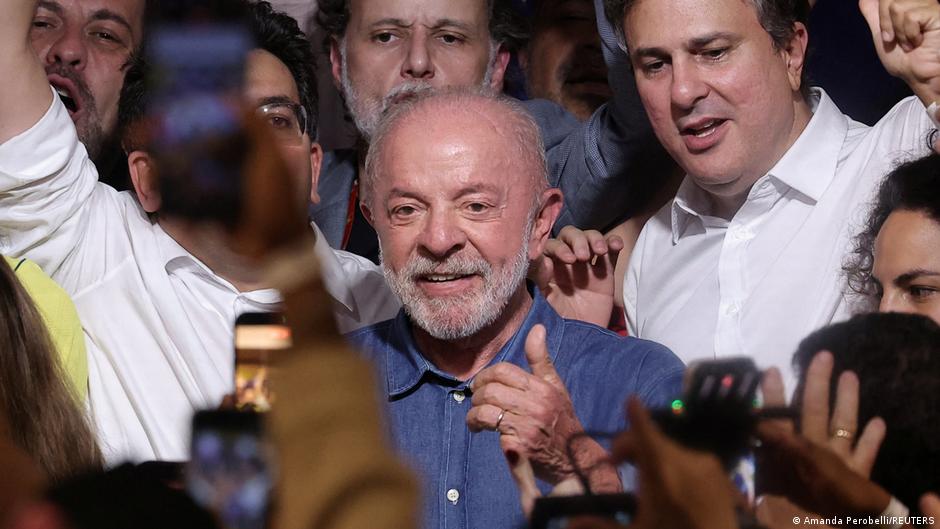
Lula won Brazil’s runoff with 51.8%, but Flávio Bolsonaro’s annulment demand raises fresh institutional and economic uncertainty.

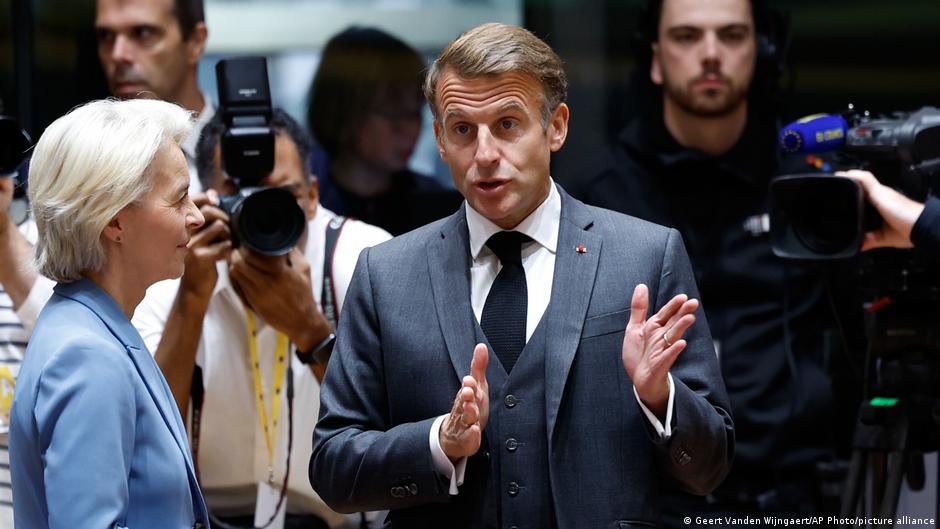
EU leaders remain divided over a nearly €2 trillion seven-year budget as fiscal restraint, proposed bloc-wide levies and election risks complicate a compromise.

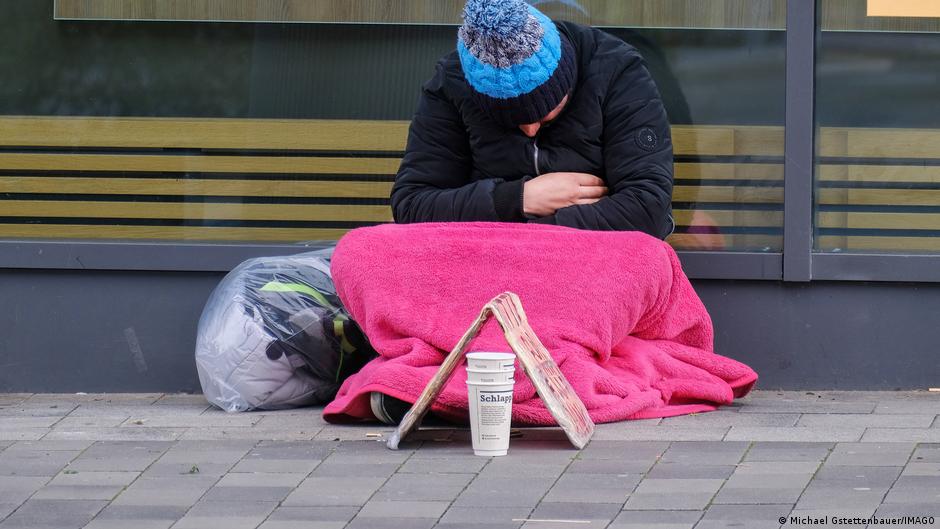
Germany’s long-term welfare rolls have reignited debate over Bürgergeld, work requirements and the structural barriers keeping people out of work.

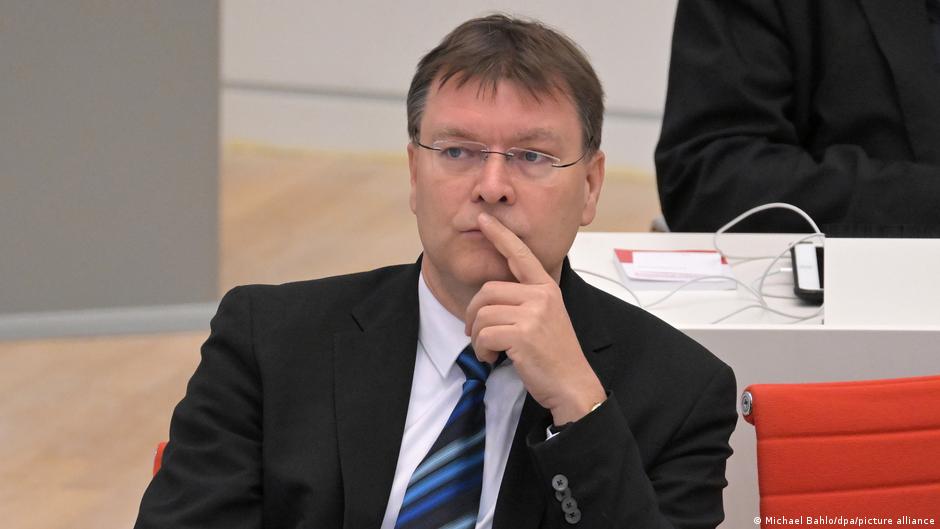
BSW lawmaker Sven Hornauf plans delegations to Belarus and Russia to revive twin-town links suspended after the war in Ukraine.

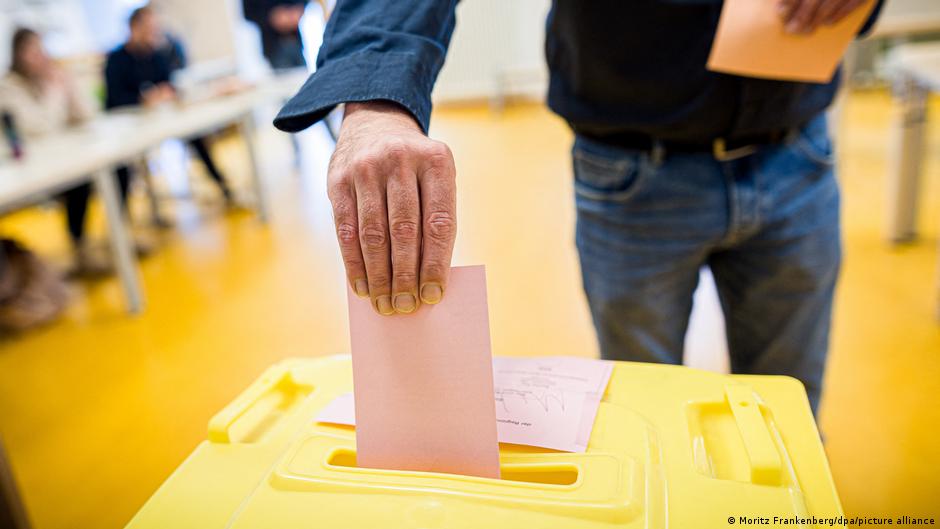
Lower Saxony’s runoffs strengthened Green urban leadership and showed the AfD’s difficulty converting first-round support into executive power.

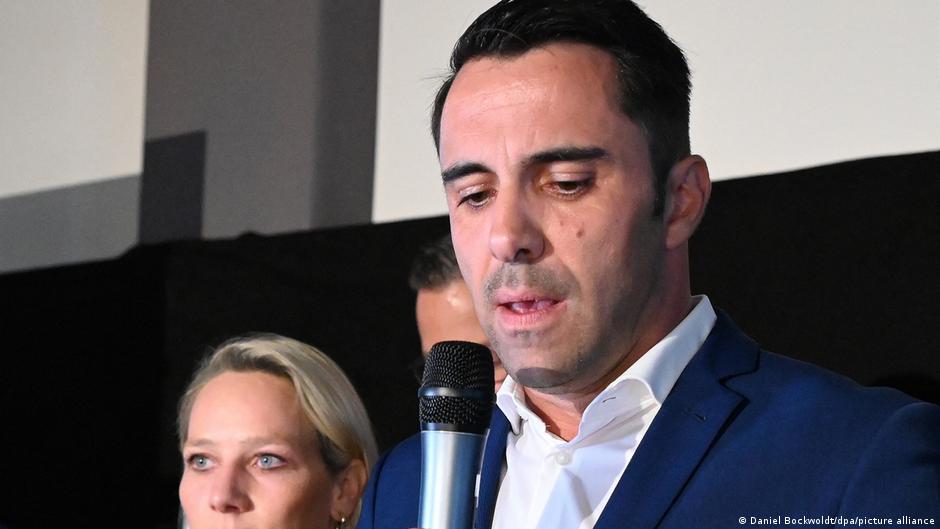
Daniel Peters resigned after the CDU won just 4.9% in Mecklenburg-Western Pomerania, missing a state parliament for the first time.

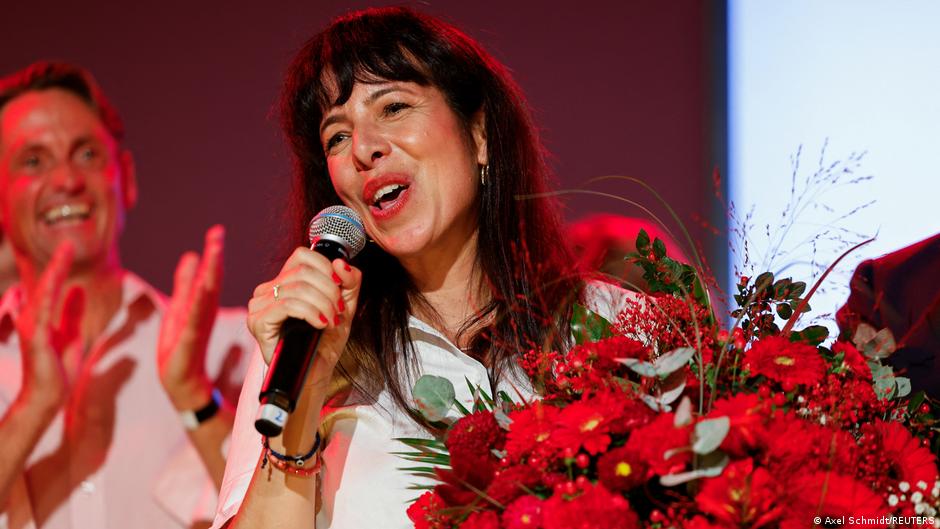
The Left Party’s Berlin victory puts housing expropriation, coalition arithmetic and fiscal risks at the center of the city’s next government.

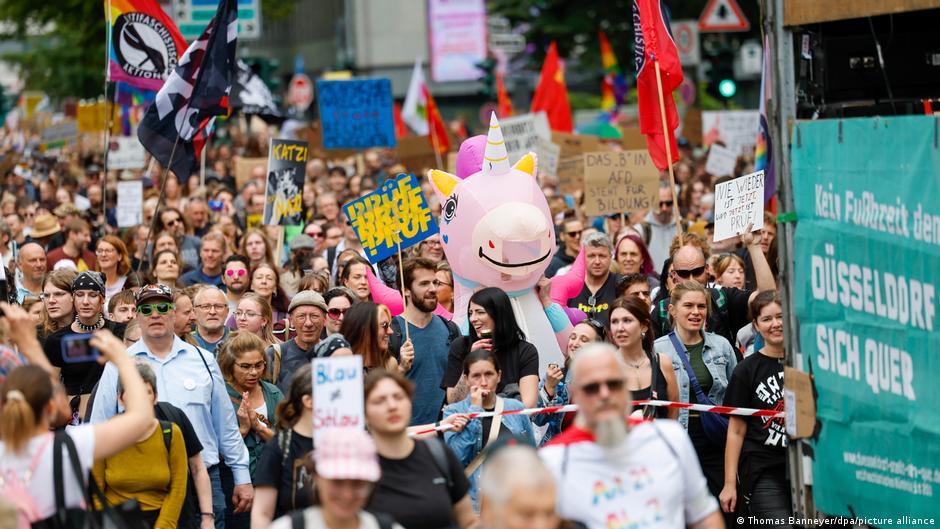
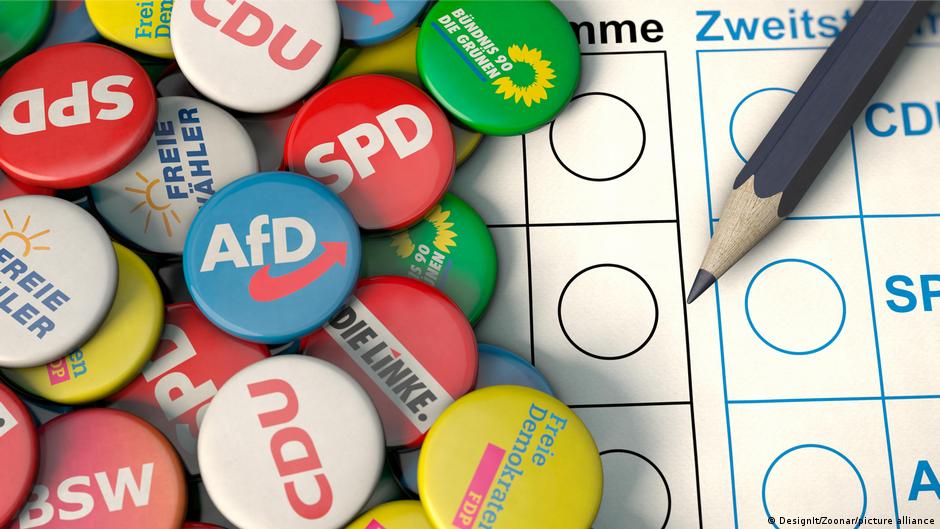
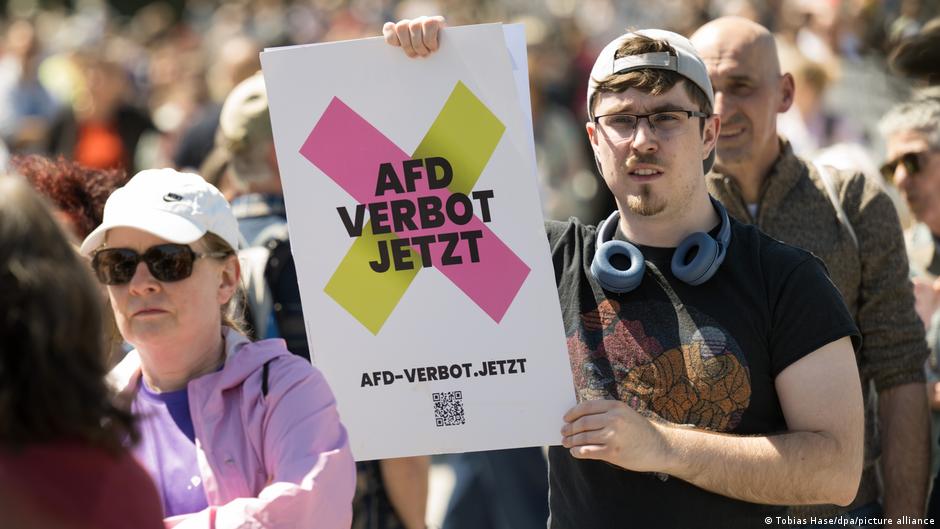
Mass protests across Germany against right-wing extremism show how the AfD debate is becoming an institutional and economic risk.

France warned CNews it could face criminal proceedings if former RT France chief Ksenia Fedorova returns to its programming by video link.

AfD’s projected win in Saxony-Anhalt drew sharp reactions from Poland, France and the Czech Republic, exposing wider European economic and political strains.

AfD’s 43.8 percent win in Saxony-Anhalt leaves no clear governing majority and raises major questions over energy, sanctions and eastern Germany’s economy.

Germany’s CDU/CSU support falls to 20%, with far-right AfD leading polls ahead of key state elections, reflecting volatile voter behavior and shifting political allegiances.

Russian-linked bot networks have intensified disinformation efforts targeting German regional elections, spreading fake media to sway voter opinions in eastern states.

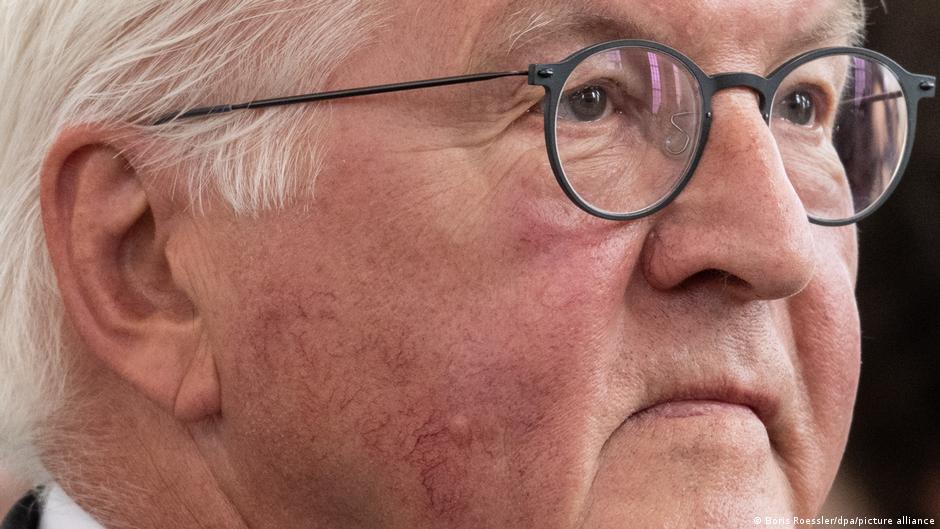
German President Steinmeier urges Europe to resist lawless great power tactics, emphasizing the need for international order, economic reform, and confronting rising far-right extremism.

A recent Insa poll finds 45% of Germans oppose banning the far-right AfD, which leads CDU/CSU by 8%. The divided public opinion reflects broader questions about political isolation and democratic resilience in Germany.

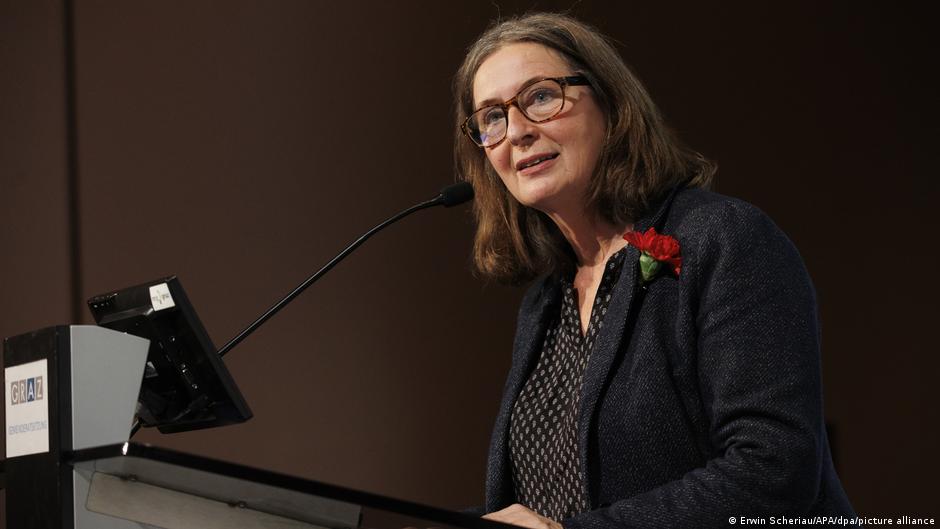
The Communist Party of Austria has secured a second consecutive victory in Graz’s municipal elections by focusing on housing policies and pragmatic governance amidst a shifting political landscape.

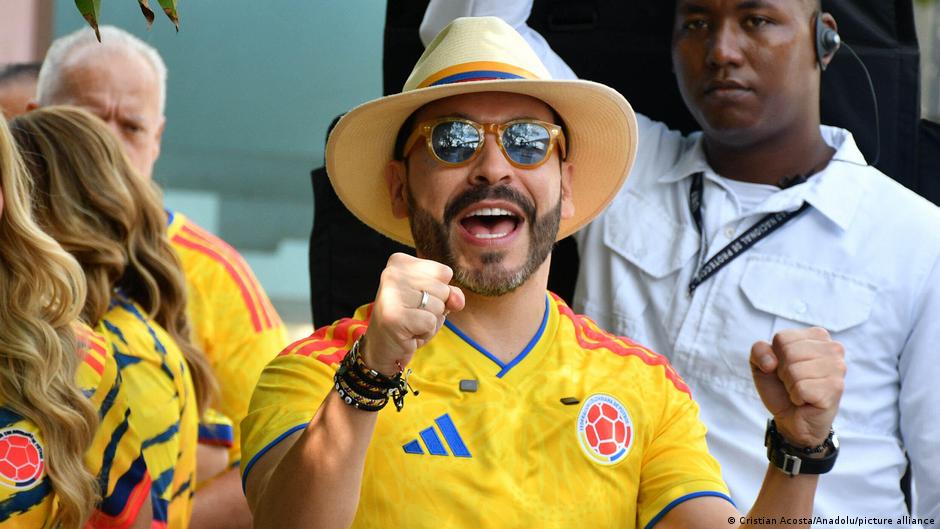
Far-right businessman Abelardo de la Espriella wins Colombia’s presidency, promising deregulation and militarized crime control, signaling a shift from leftist reforms under Gustavo Petro.

Former RT France head Ksenia Fedorova joins French right-wing channel CNews after EU bans Russia Today, highlighting media ownership and geopolitical influence.

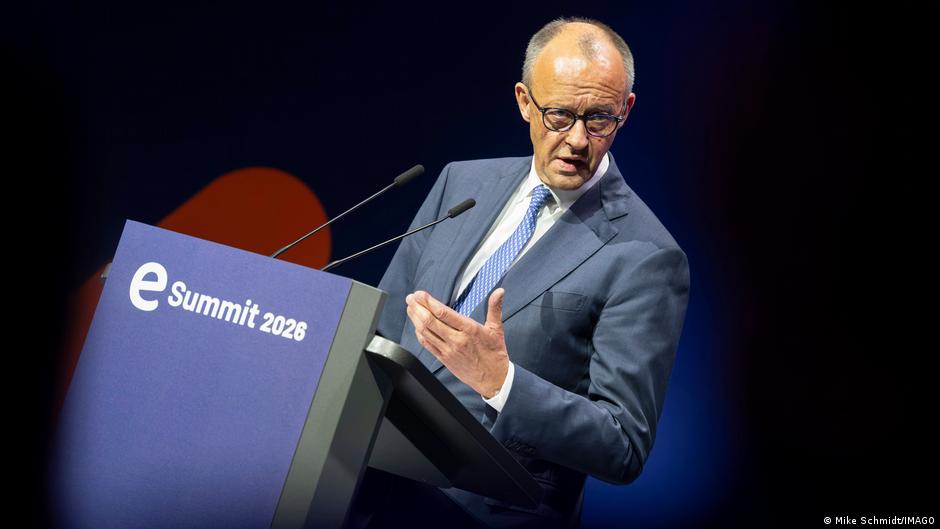
Sources close to Chancellor Friedrich Merz dismiss claims of his early replacement as unfounded, despite declining public support and media speculation amid Germany’s political challenges.

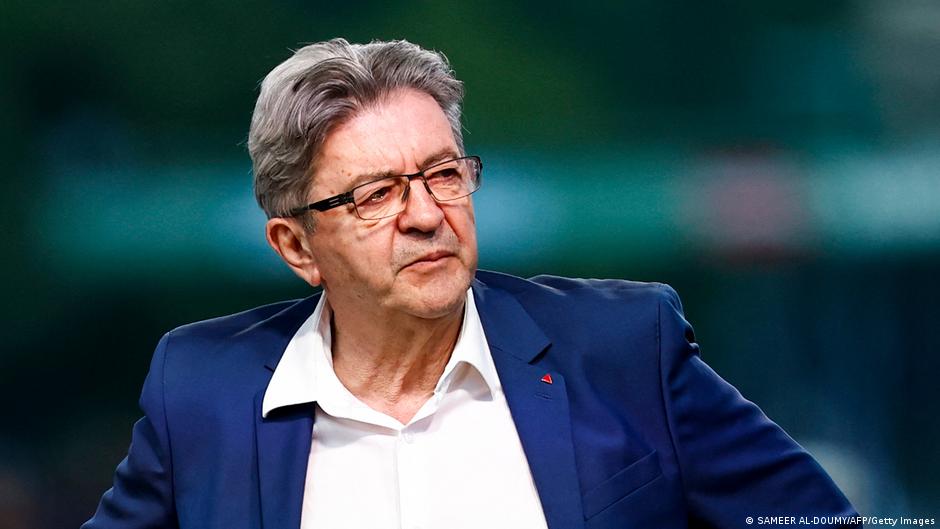
Jean-Luc Mélenchon confirms candidacy for France's 2027 presidential election, setting the stage for a far-left versus far-right contest amid pivotal economic and political shifts.