Starlink Fire in Poland Highlights Economic Risks to Critical Infrastructure
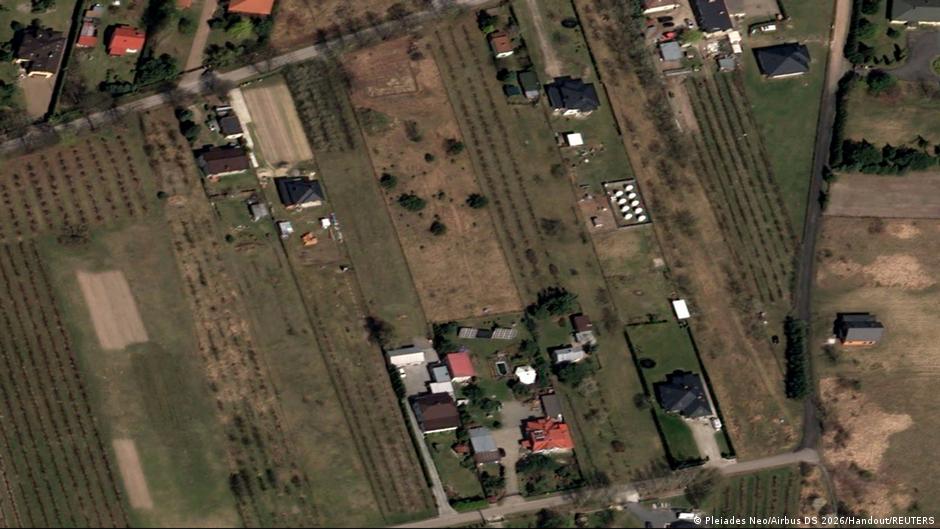
The suspected arson attack near Warsaw shows how limited physical sabotage can generate wider costs for infrastructure security, insurers and European governments.

The suspected arson attack near Warsaw shows how limited physical sabotage can generate wider costs for infrastructure security, insurers and European governments.

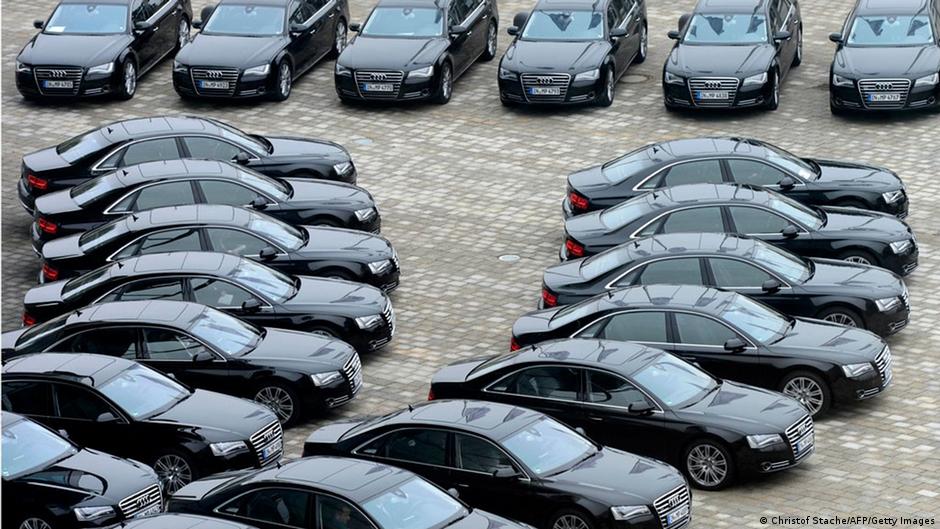
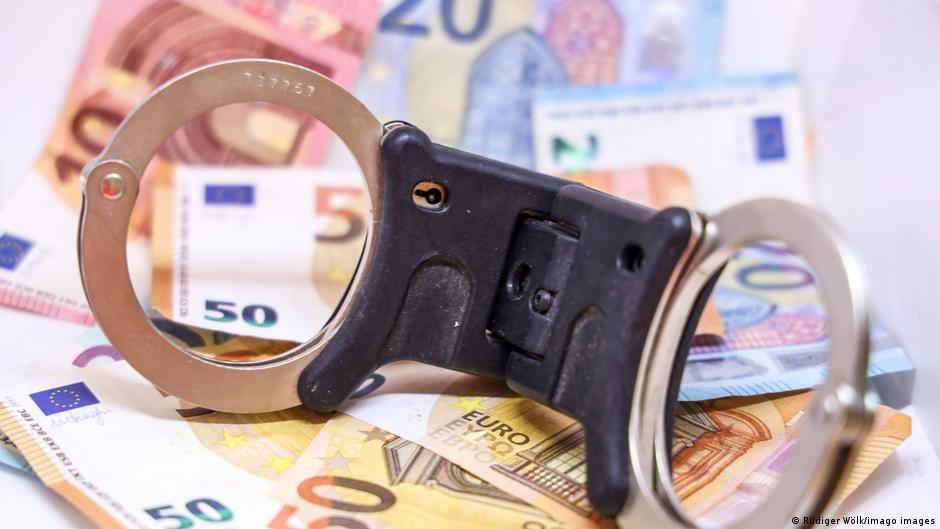
German and Austrian authorities searched two businessmen suspected of sending cars and trucks to Russia through third countries despite EU sanctions.

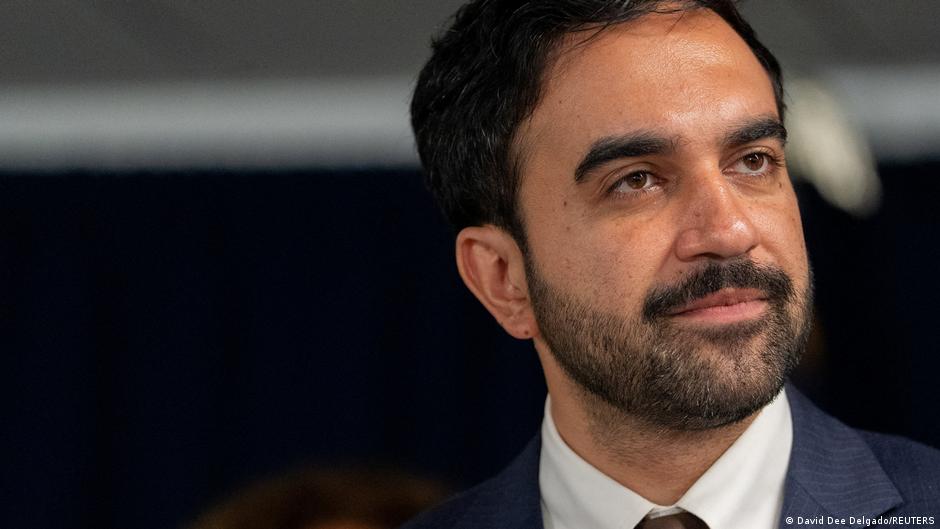
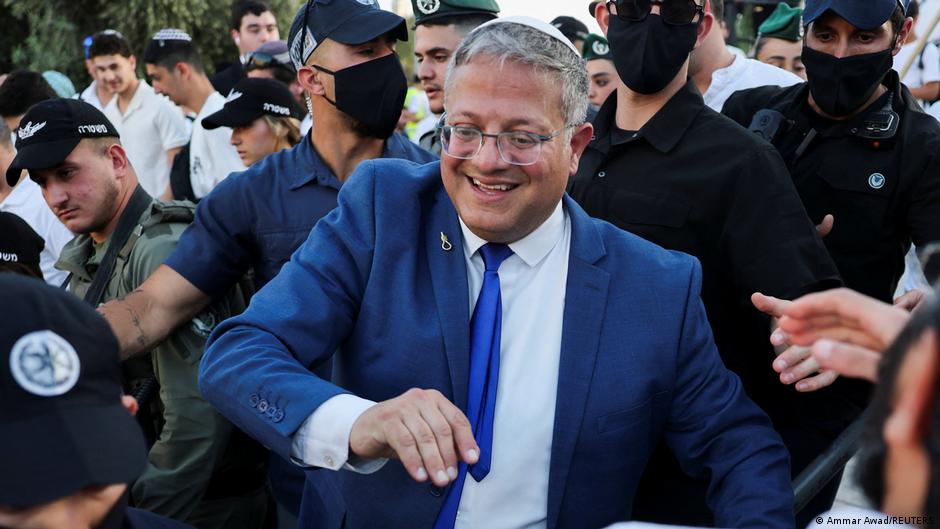
New York Mayor Zohran Mamdani raised hate-crime funding to $29 million in a broad plan targeting antisemitism and Jewish institutional security.

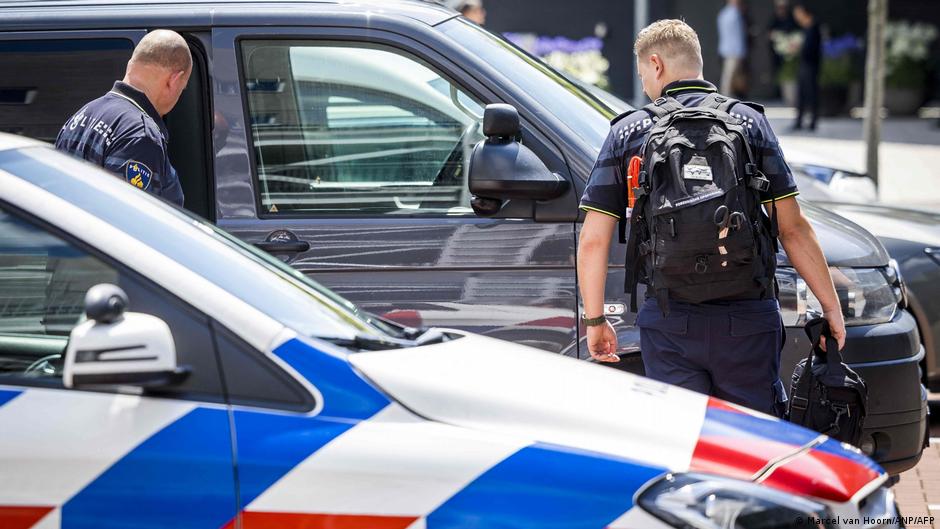
Dutch police detained a 24-year-old Amsterdam cybersecurity worker in a ShinyHunters probe tied to claimed FBI data theft.

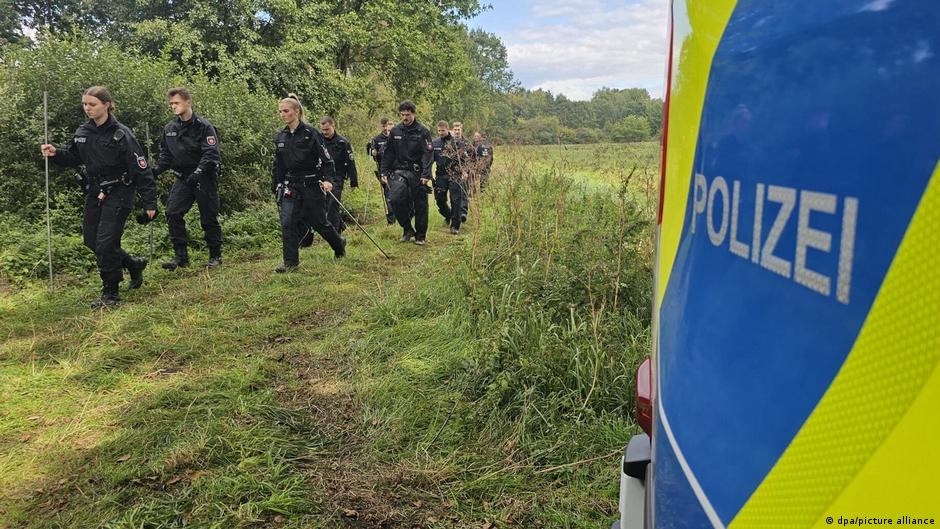
German investigators are probing whether a drone crash near the Wunstorf air base involved explosives and may be linked to Leipzig sabotage.
The discovery of 572 remains at Chemmani has revived Sri Lanka’s unresolved debate over wartime disappearances and accountability.

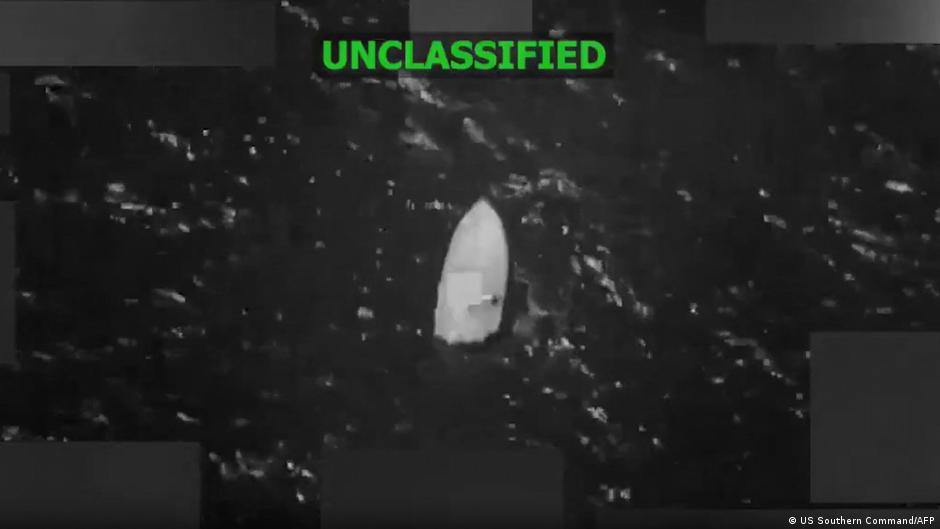
A new U.S. strike in the Caribbean killed four alleged drug traffickers, deepening legal concerns and economic risks around a yearlong campaign.

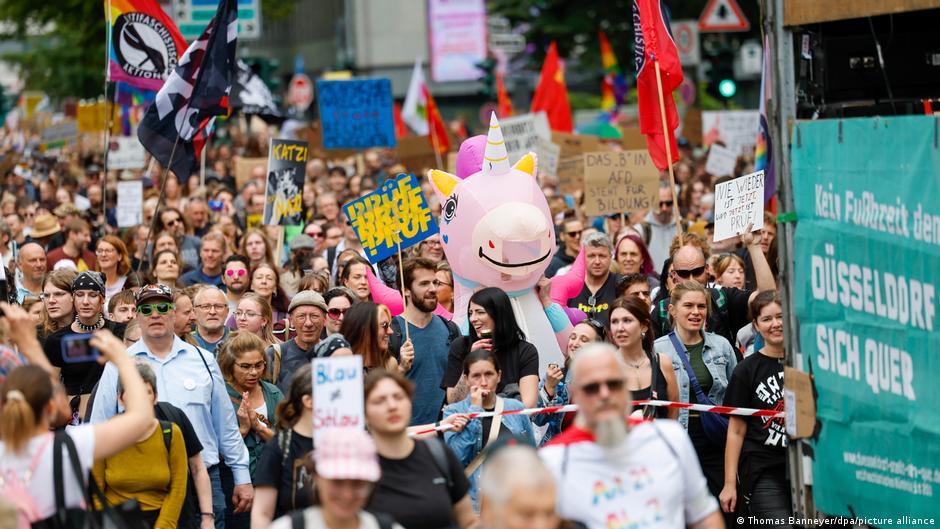
Mass protests across Germany against right-wing extremism show how the AfD debate is becoming an institutional and economic risk.

Georgia detained ex-defense minister Giorgi Baramidze in a treason and sabotage case tied to his comments on the Abkhazia war.

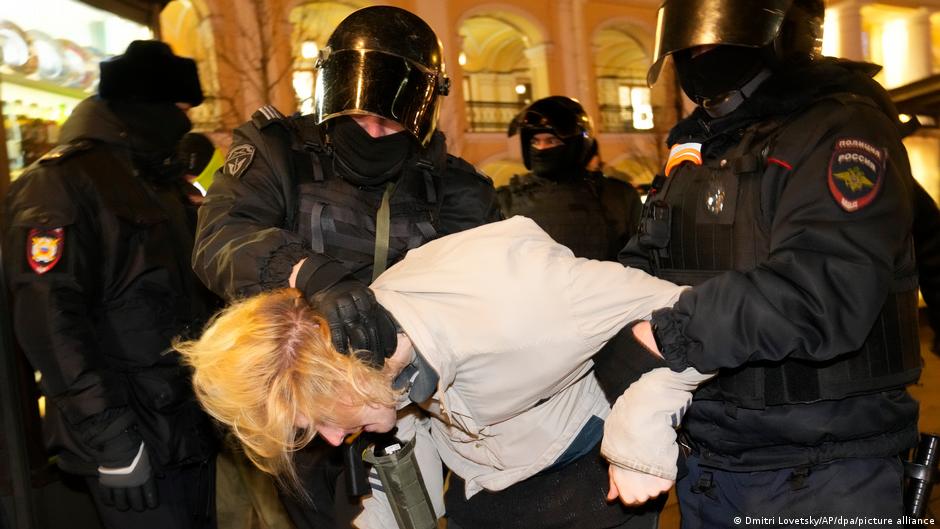
Russian security forces detained nearly 100 youths at a Vyborg-area music festival for pro-Ukraine songs and alleged regime change calls, signaling intensified cultural repression.

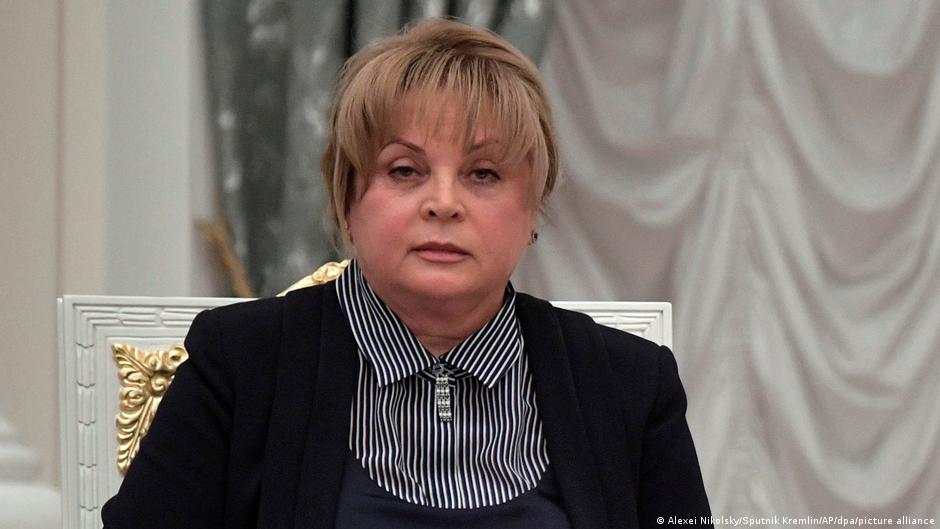
Russia's election head Ella Pamfilova advocates stripping voting rights from emigrants labeled as 'foreign agents,' highlighting tensions over diaspora engagement and electoral integrity.

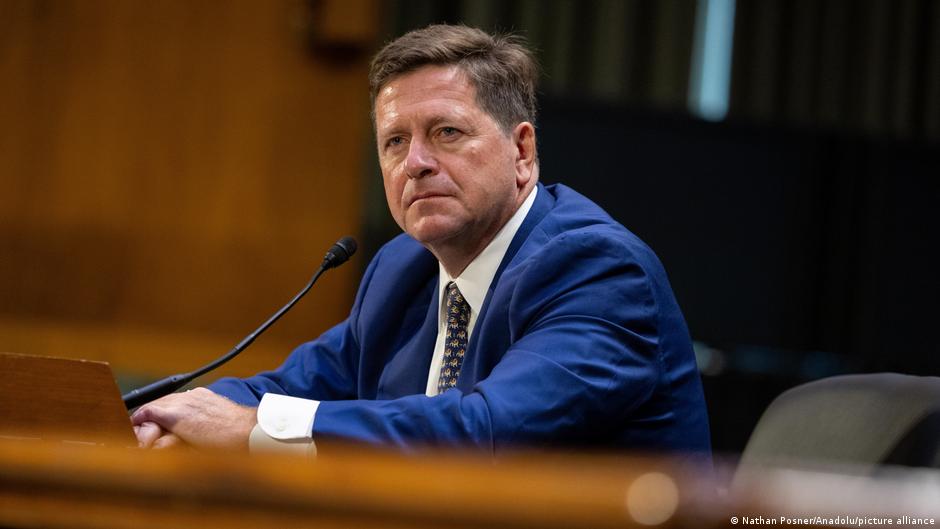
Jay Clayton was confirmed as U.S. Director of National Intelligence despite partisan opposition and no prior intelligence experience, highlighting political and structural challenges.

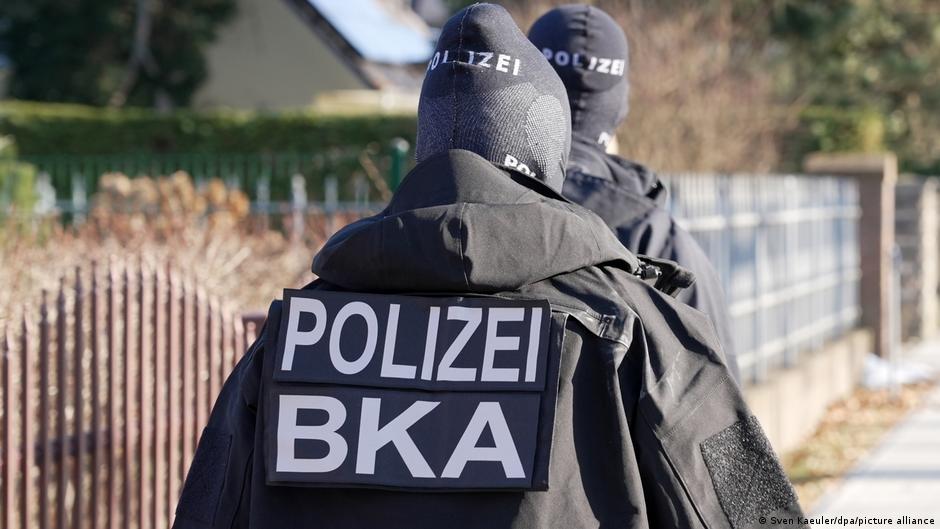
Germany’s Federal Criminal Police Office reports 410 Islamist threats amid rising radicalization consultations and debates on prevention strategies after a deadly Berlin attack.

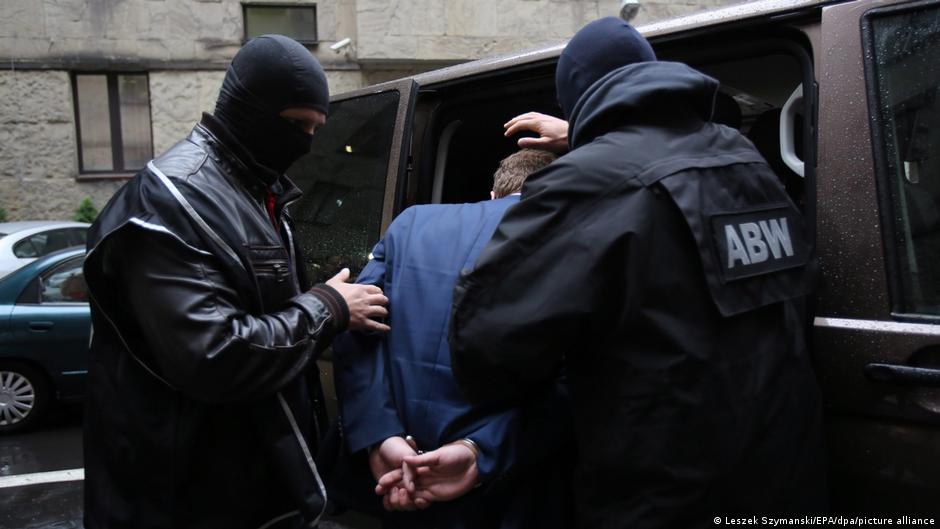
Poland expelled 11 foreign nationals accused of recruiting Ukrainian refugees for protests funded by Russia, highlighting ongoing Russian efforts to influence European political dynamics.

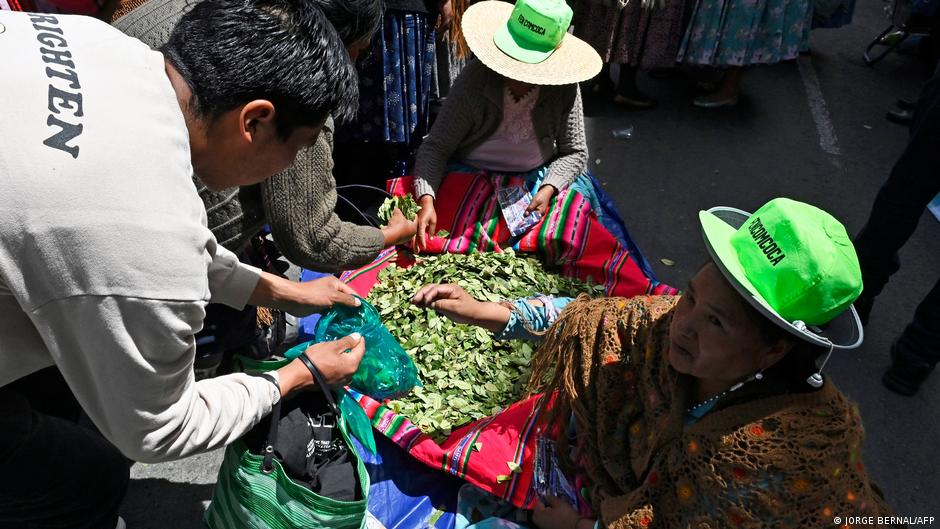
Bolivia and the United States have signed their first drug control cooperation agreement in 18 years, marking a tentative renewal of collaboration amid Bolivia’s status as a leading cocaine producer.

Georgia arrests Russian national Tatiana Kurashkevich over US-requested sanctions evasion charges, highlighting international cooperation against economic crimes.

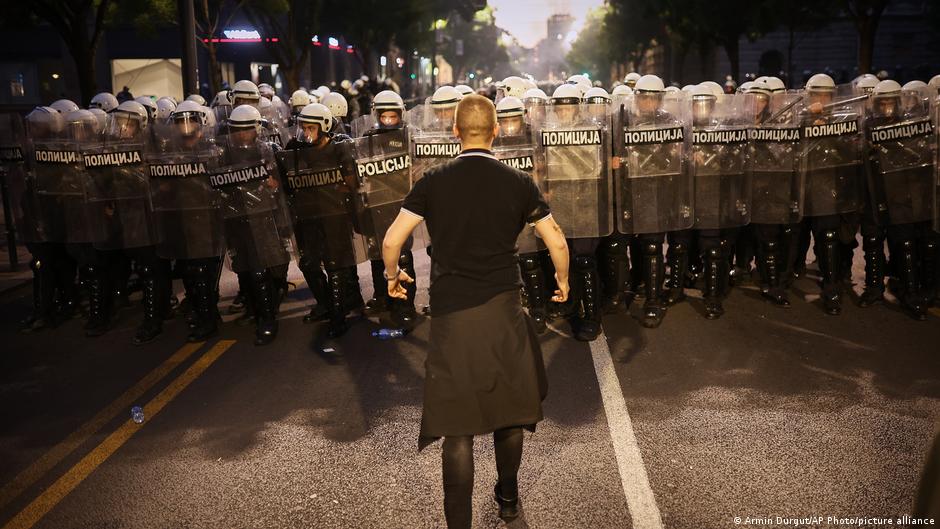
Violent protests in Belgrade expose Serbia's ongoing struggles with corruption, governance failures, and economic instability following a deadly infrastructure collapse.

Western nations criticized Israel for degrading detained activists from the pro-Palestinian Sumud flotilla, escalating diplomatic tensions over Gaza blockade enforcement.

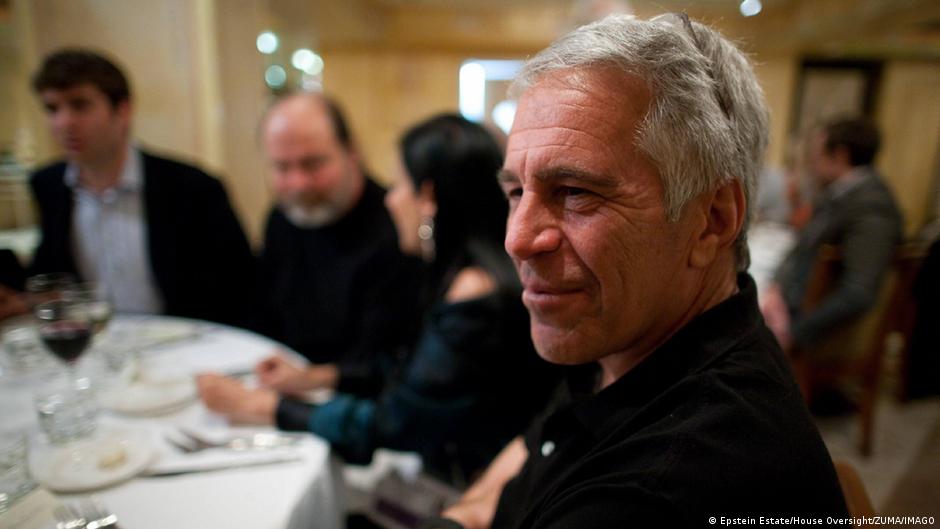
Paris prosecutors have received about 20 claims from alleged Jeffrey Epstein victims, aiming to identify French facilitators in the financier’s human trafficking network.

Former Polish Justice Minister Zbigniew Ziobro fled Hungary for the US amid extradition efforts by Poland and Hungary’s new government after Orbán’s era.