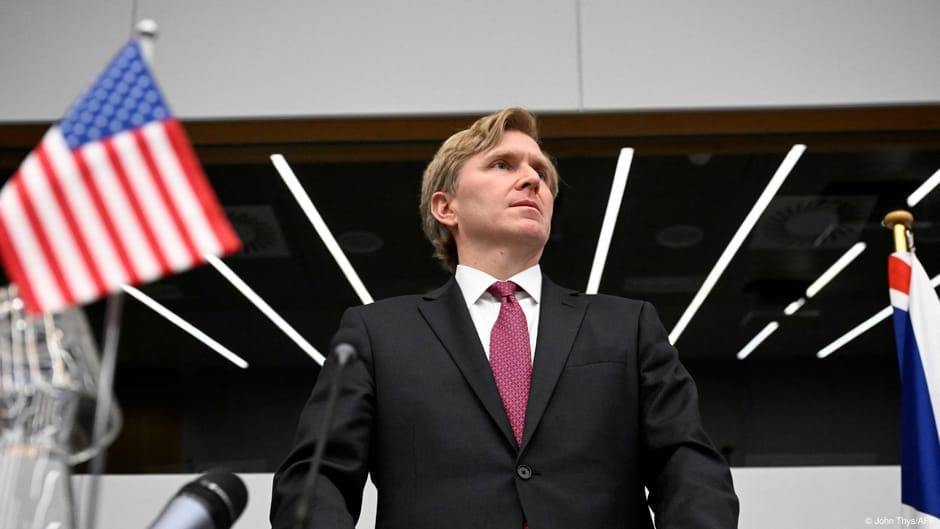
Pentagon Strategist Leaves NATO Talks After Rebuking Ukraine
Elbridge Colby’s early exit from NATO talks exposed a growing US-European divide over Ukraine’s strikes inside Russia and the cost of sustaining the war.

Elbridge Colby’s early exit from NATO talks exposed a growing US-European divide over Ukraine’s strikes inside Russia and the cost of sustaining the war.

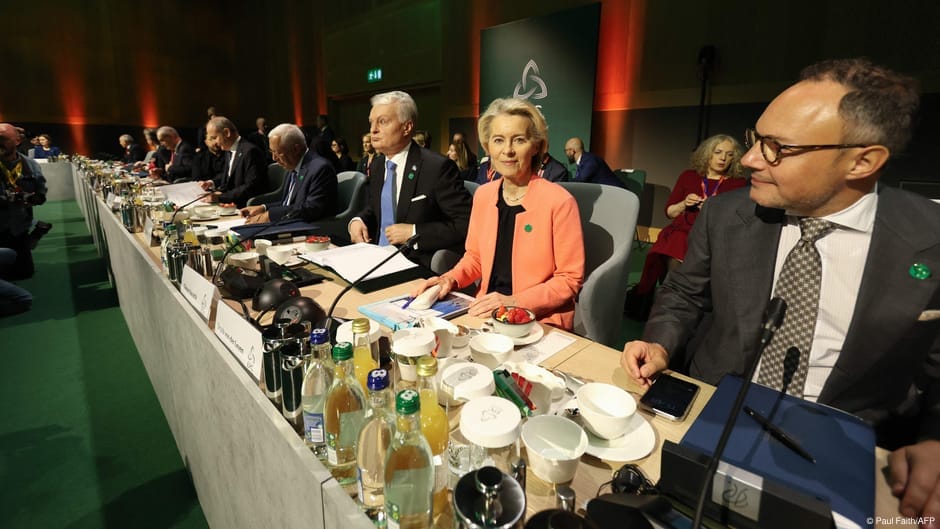
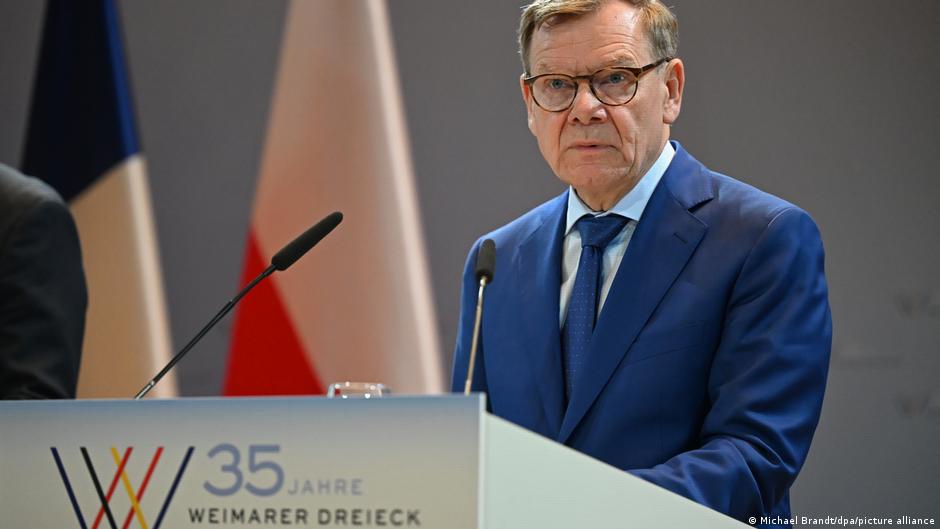
Nearly 40 European states have adopted a security charter that broadens cooperation and could reshape defense spending, fiscal priorities and transatlantic burden-sharing.

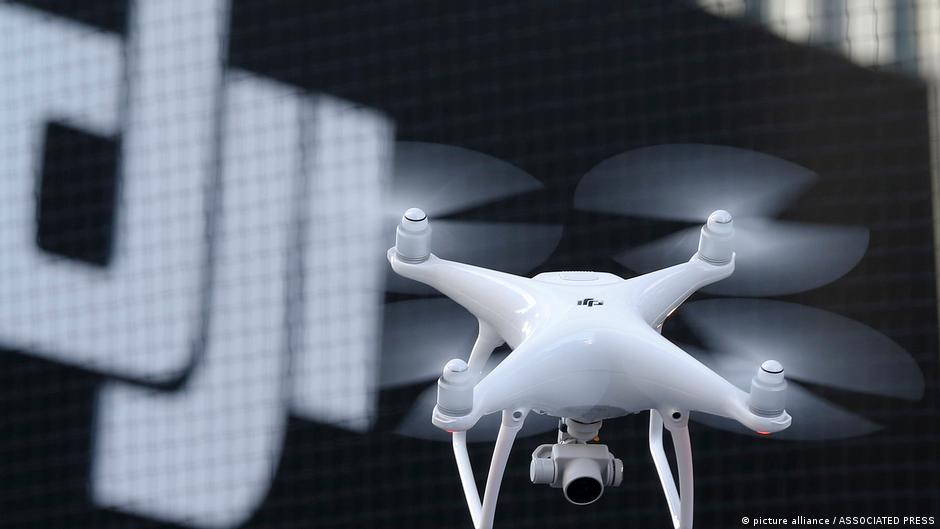
Germany’s military is excluding Chinese drones and cars from defence sites as connected technology turns supply-chain dependence into a security and economic risk.

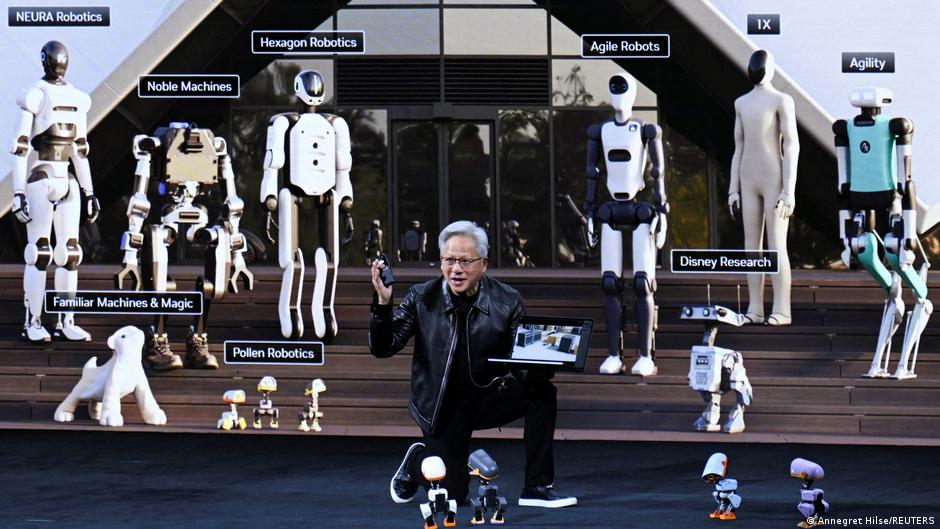
Nvidia’s investigation of CEO Jensen Huang places corporate governance at the center of the US-China contest over AI chips and strategic technology.

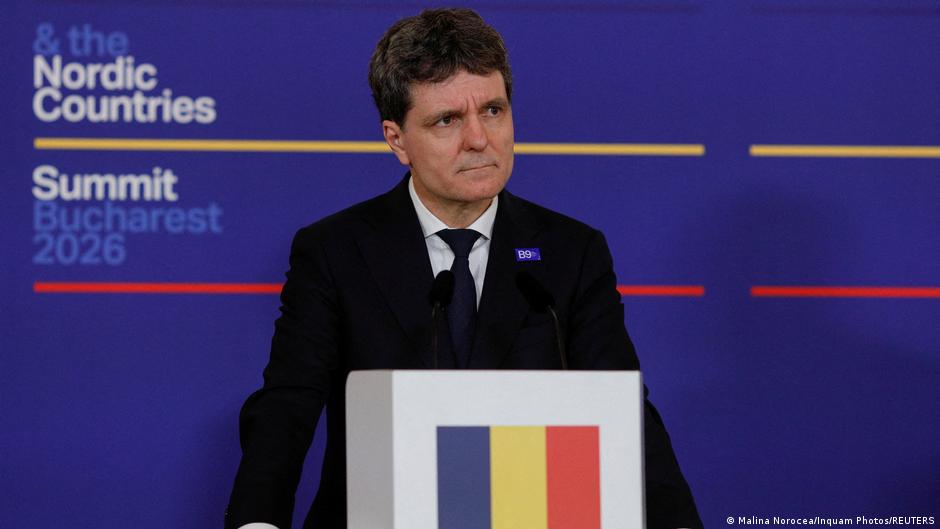
Romania says a Russian-coordinated network targeted an arms factory, underscoring the economic and security risks facing Europe’s defense supply chains.

Audi’s planned $4 billion Georgia factory shows how US tariffs are redirecting automotive investment, jobs and production away from import-based supply chains.

EU states agreed to open internal market and competitiveness accession clusters for Ukraine and Moldova, deepening reform and economic integration talks.

A bipartisan House bill would seek to ban Russian oil purchases after Trump announced an agreement on Russian diesel supplies.

MEPs backed a €115 million Agile programme to speed support for European SMEs developing disruptive defence technologies.

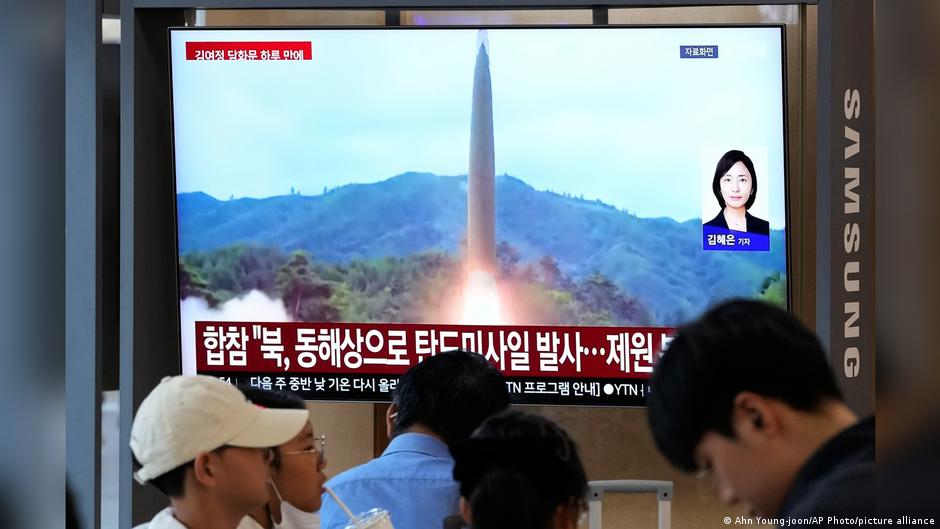
North Korea’s reported missile launch adds economic risk to renewed peninsula tensions after Seoul accused Pyongyang of an armistice violation.

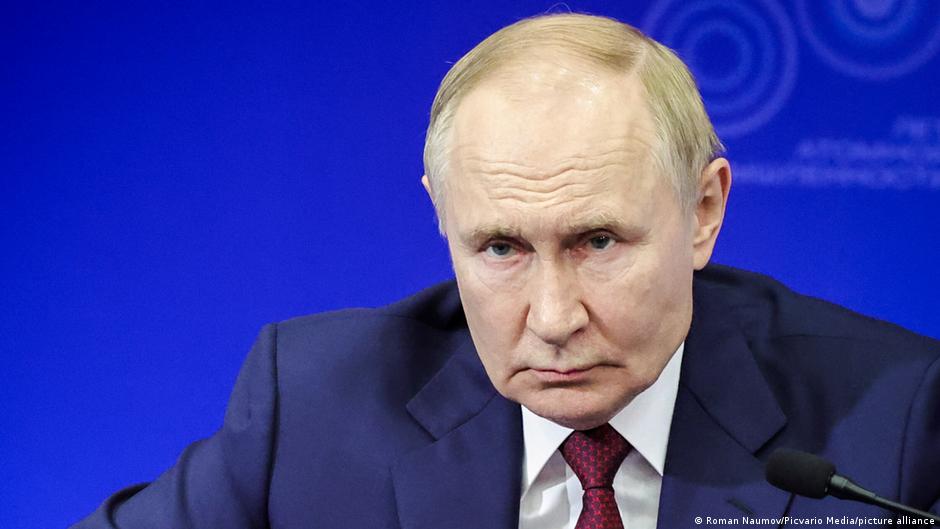
Putin’s Valdai speech sharpened nuclear rhetoric and war claims, adding to Europe’s long-term economic and security risk premium.

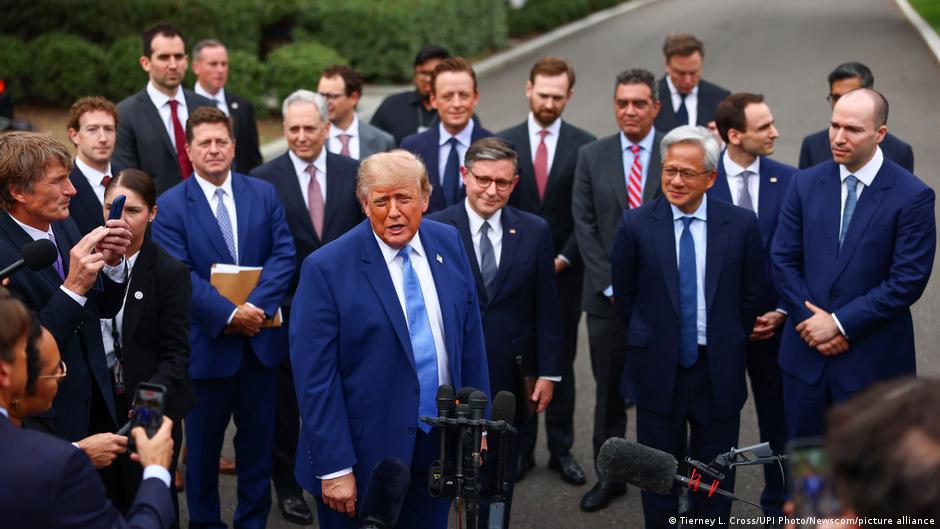
Trump’s AI pact relies on voluntary company oversight, raising questions about safety, competition and America’s race with China.

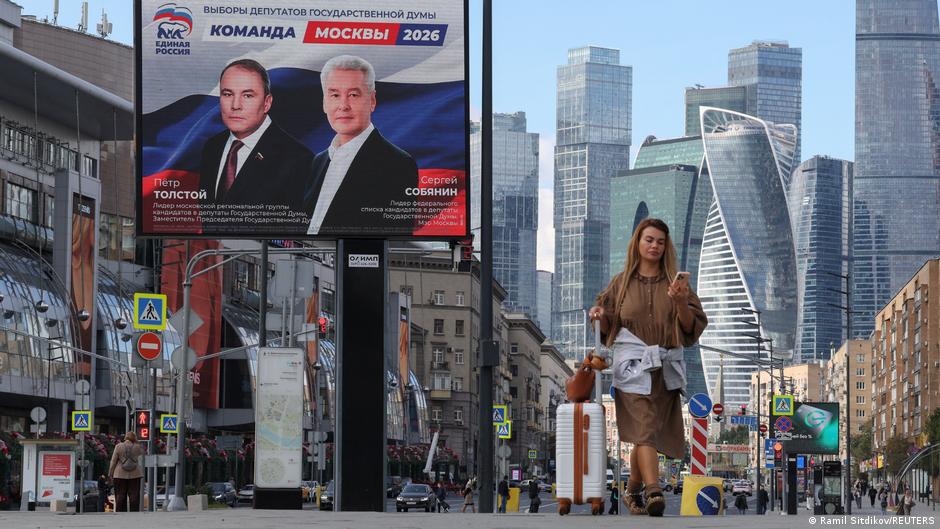
Partial results put United Russia on track for a State Duma constitutional majority, reinforcing Russia’s centralized wartime economic model.

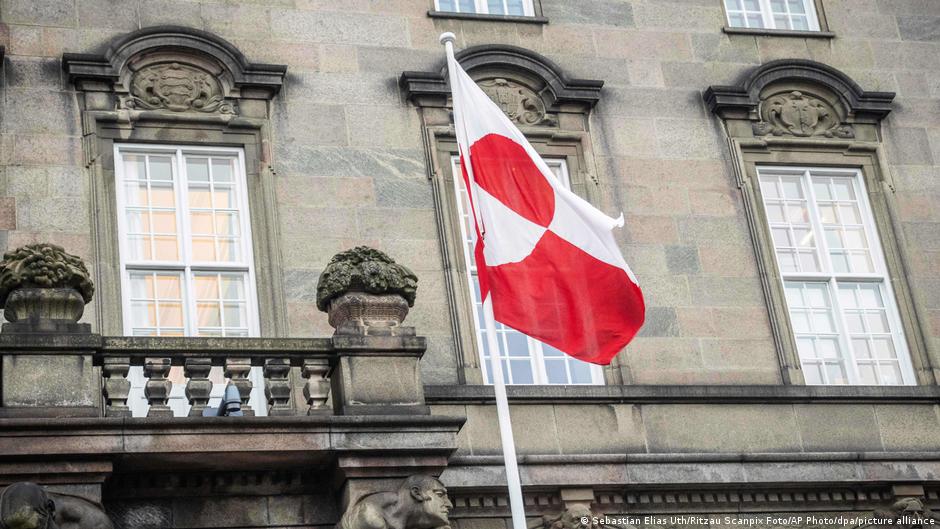
The Greenland arrangement could reshape Arctic security, investment screening and resource access while leaving key legal details unresolved.

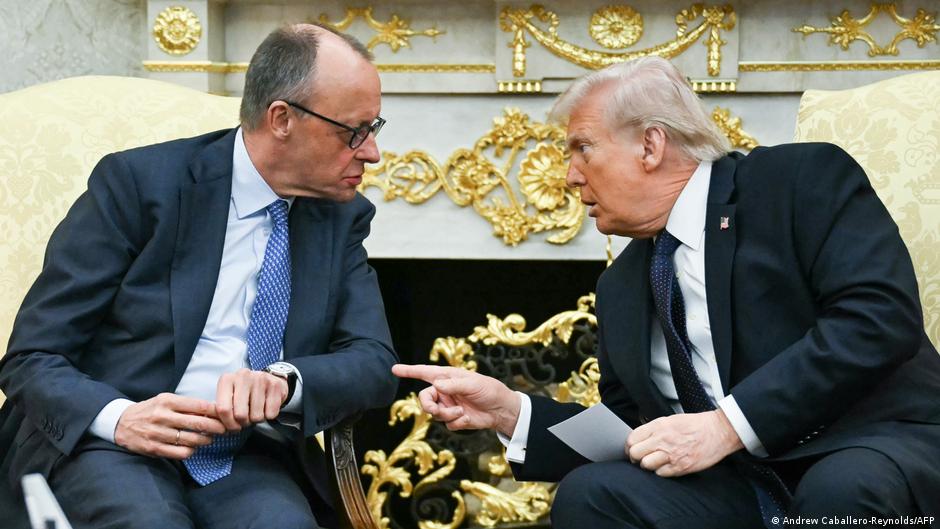
Merz says unconditional transatlantic friendship is over, framing U.S. tensions as a test of Germany’s security and economic model.

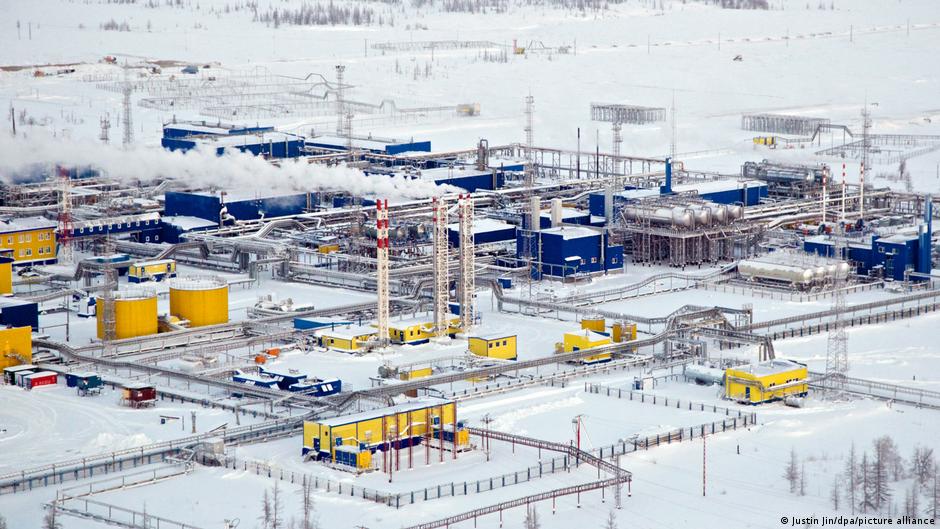
A first reported drone attack on Yamal-Nenets puts Russia’s Arctic gas infrastructure under new scrutiny as economic risks widen.

Germany’s foreign minister says Ukraine aid should also benefit German defense firms, linking support for Kyiv to industrial policy and taxpayer accountability.

AfD’s projected win in Saxony-Anhalt drew sharp reactions from Poland, France and the Czech Republic, exposing wider European economic and political strains.

AfD’s 43.8 percent win in Saxony-Anhalt leaves no clear governing majority and raises major questions over energy, sanctions and eastern Germany’s economy.

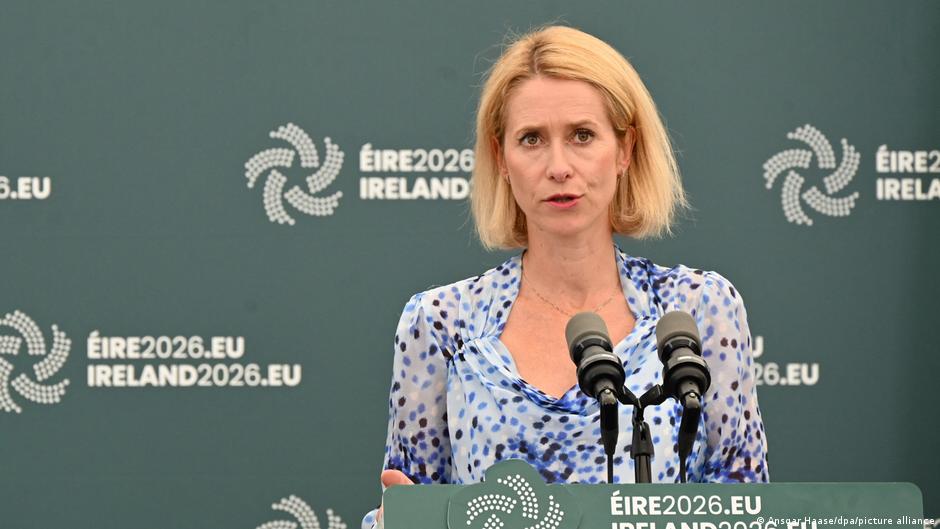
Kaja Kallas cancelled an EU defence expert group after German and Italian resistance, exposing deeper disputes over Europe’s defence economy.

Daniel Driscoll’s reported resignation after a clash with Pete Hegseth adds to Pentagon turnover and raises questions over procurement, readiness and policy continuity.

Uzbekistan auctions its 100% stake in the 'Fonon' jewelry plant amid ongoing financial difficulties, significant debts, and asset encumbrances challenging state industrial reforms.

The UK has transferred intellectual property rights of the Stone Cloak electronic warfare system to Ukraine, enabling Kyiv to produce it domestically at scale amid ongoing conflict.

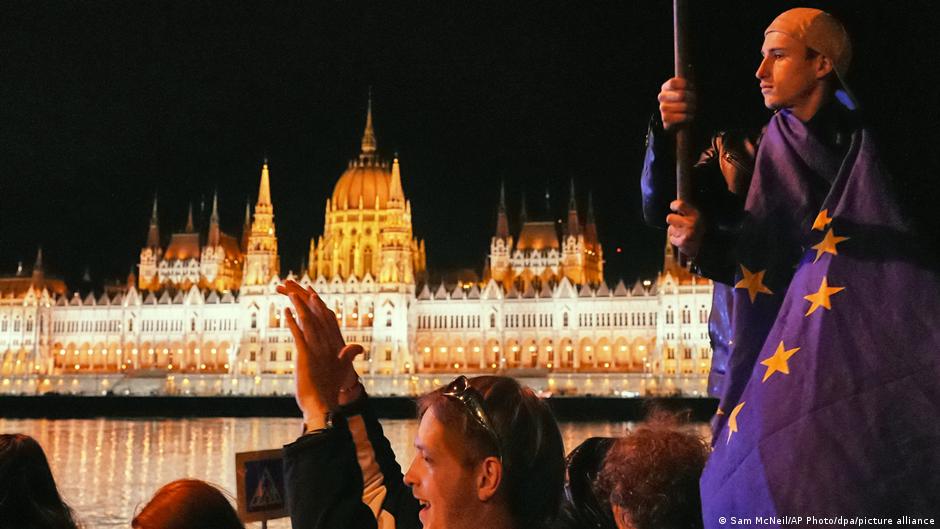
Hungary blocks Ukraine’s EU accession talks on key economic chapters, citing concerns over Western Balkans' accession timing and signaling challenges for Ukraine’s integration.

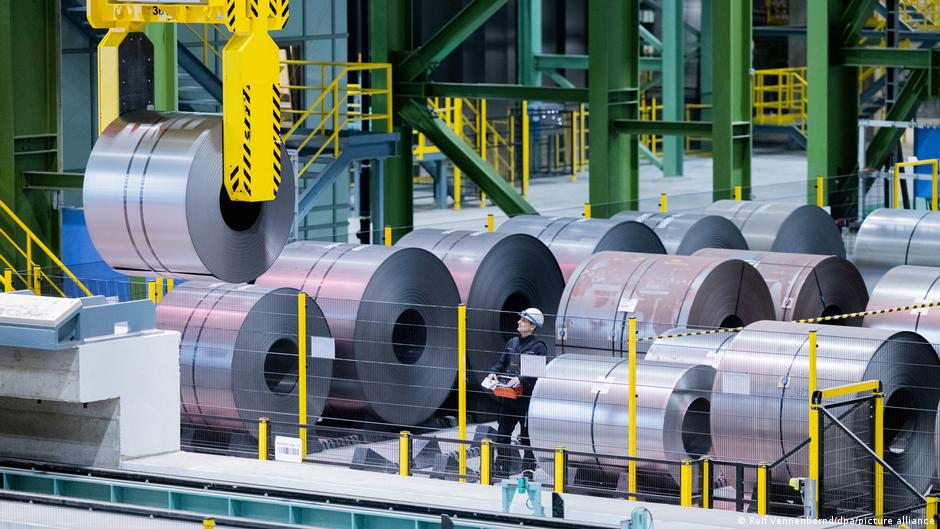
The EU tightens steel import regulations, cutting duty-free quotas by 47% and imposing a 50% tariff on excess imports to protect domestic industry from cheap steel flooding.

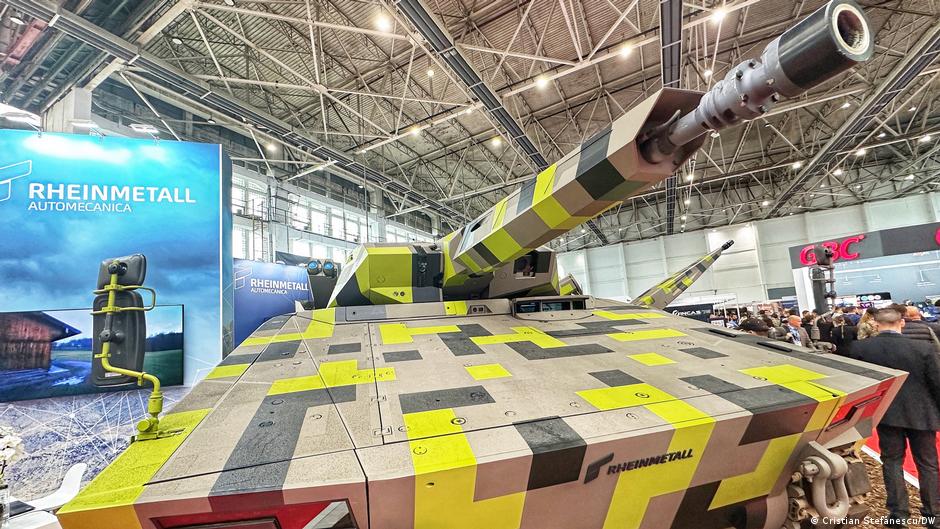
Rheinmetall secures a €5.7 billion arms contract with Romania, funded by the EU's Security Action for Europe program, signaling a strategic push for European defense autonomy.