US Gas Proposal Tests Europe’s Postwar Energy Strategy and Economic Resolve
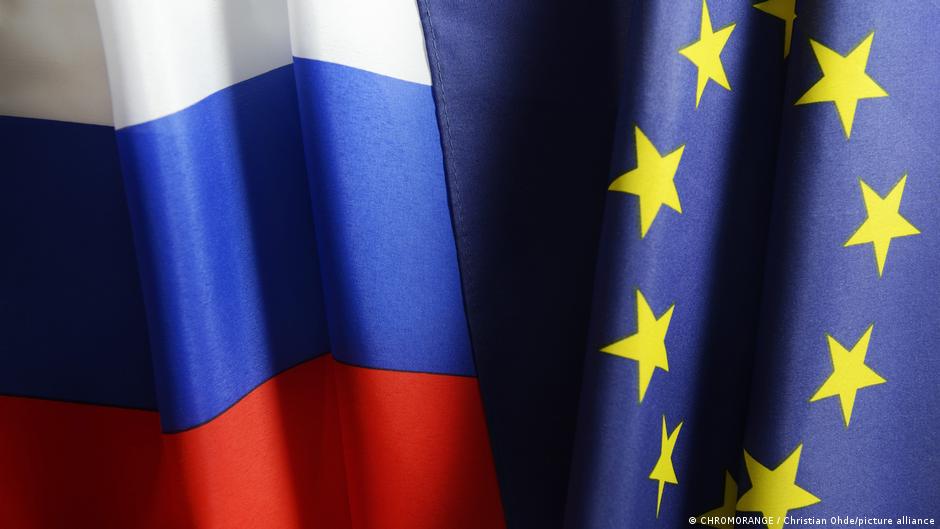
A reported US peace proposal would restore Russian pipeline gas to Europe, challenging the EU’s 2027 phaseout and reopening the debate over cost and dependency.

A reported US peace proposal would restore Russian pipeline gas to Europe, challenging the EU’s 2027 phaseout and reopening the debate over cost and dependency.

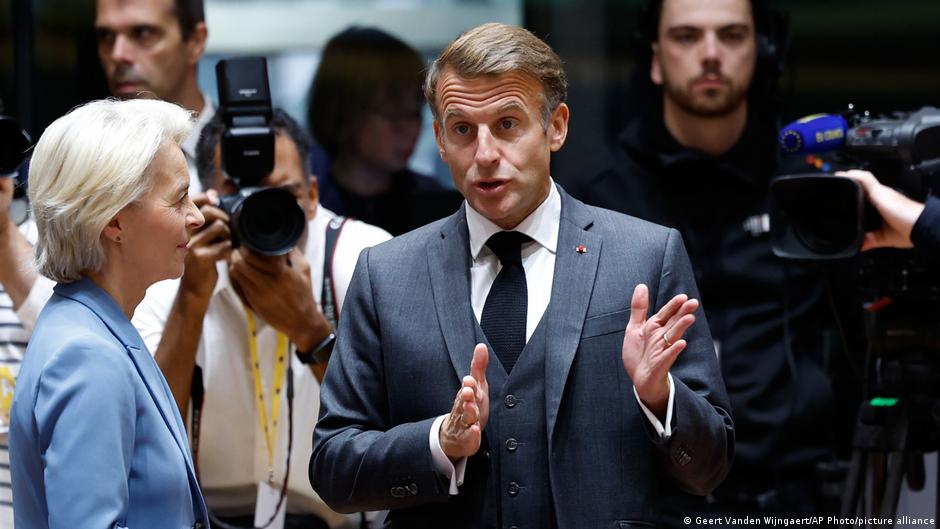
EU leaders remain divided over a nearly €2 trillion seven-year budget as fiscal restraint, proposed bloc-wide levies and election risks complicate a compromise.

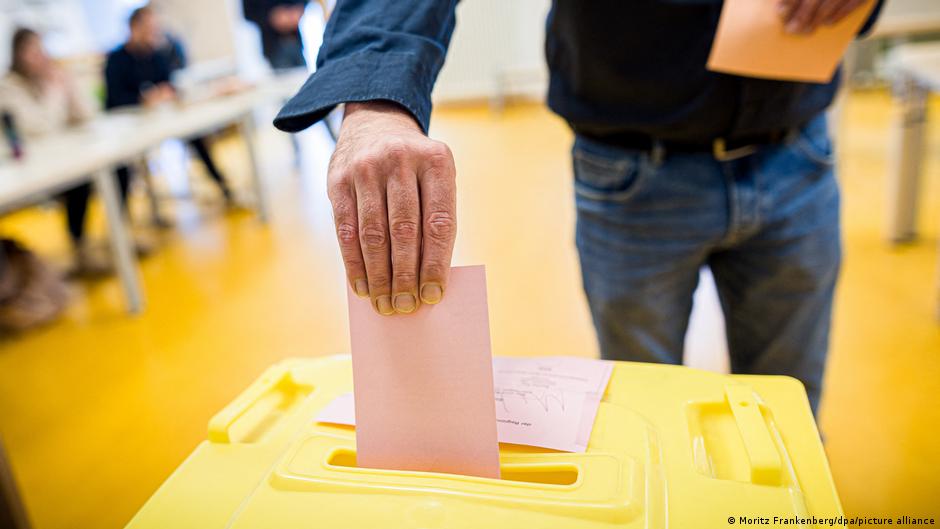
Lower Saxony’s runoffs strengthened Green urban leadership and showed the AfD’s difficulty converting first-round support into executive power.

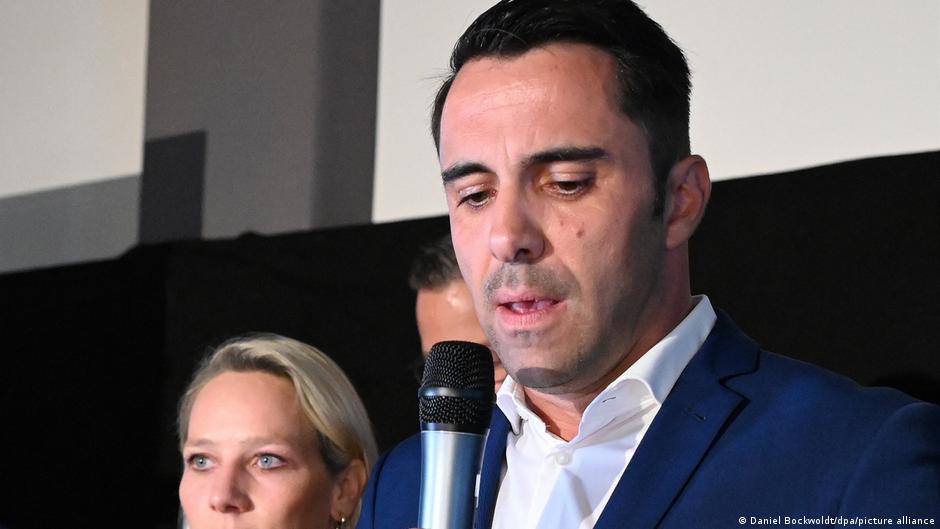
Daniel Peters resigned after the CDU won just 4.9% in Mecklenburg-Western Pomerania, missing a state parliament for the first time.

The Left Party’s Berlin victory puts housing expropriation, coalition arithmetic and fiscal risks at the center of the city’s next government.

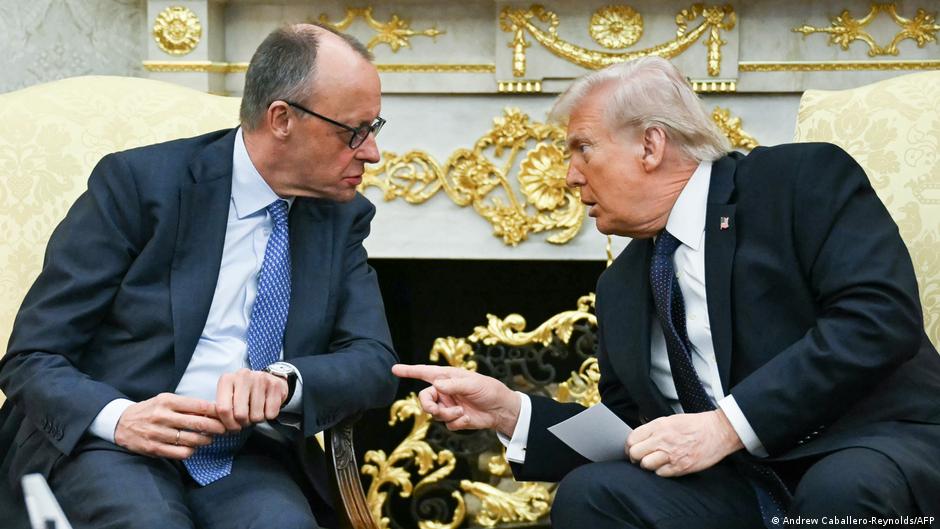
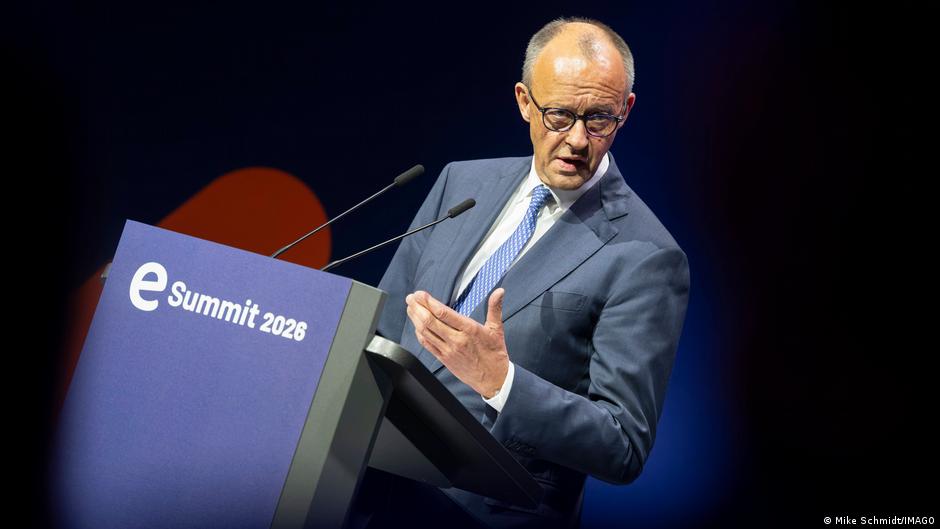
Merz says unconditional transatlantic friendship is over, framing U.S. tensions as a test of Germany’s security and economic model.

On Ukraine's Independence Day, the EU recommits to sustained support and sanctions on Russia, highlighting long-term integration and regional stability amid ongoing conflict.

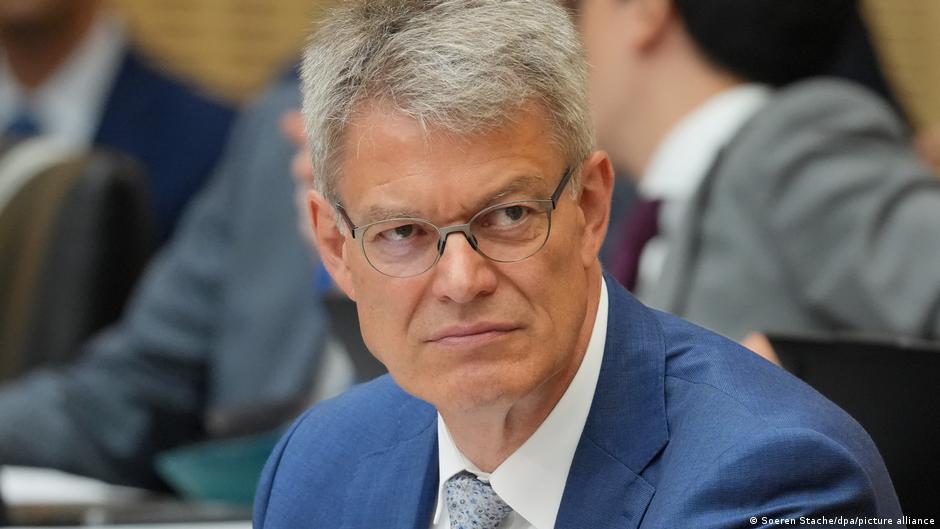
Germany's Transport Minister Patrick Schnieder resigns amid internal CDU tensions, with Steffen Bilger nominated as his successor during a period of significant policy challenges.

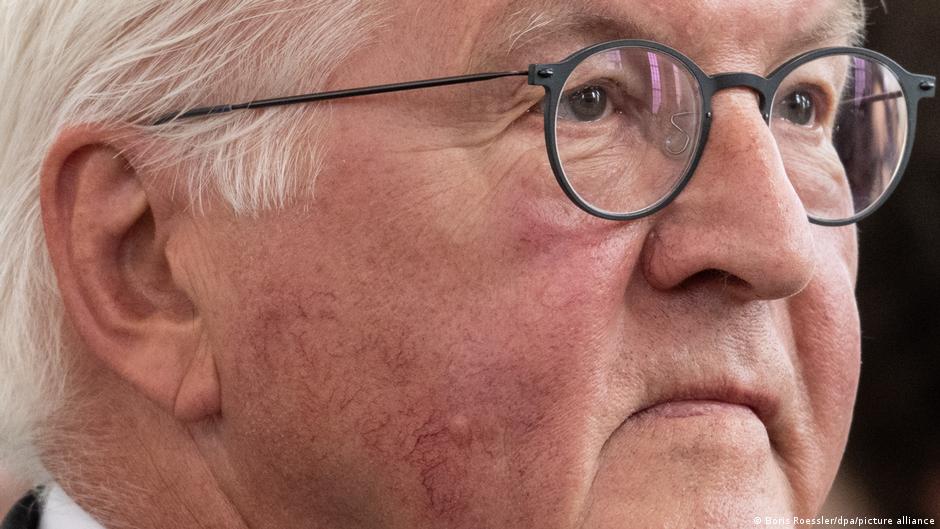
German President Steinmeier urges Europe to resist lawless great power tactics, emphasizing the need for international order, economic reform, and confronting rising far-right extremism.

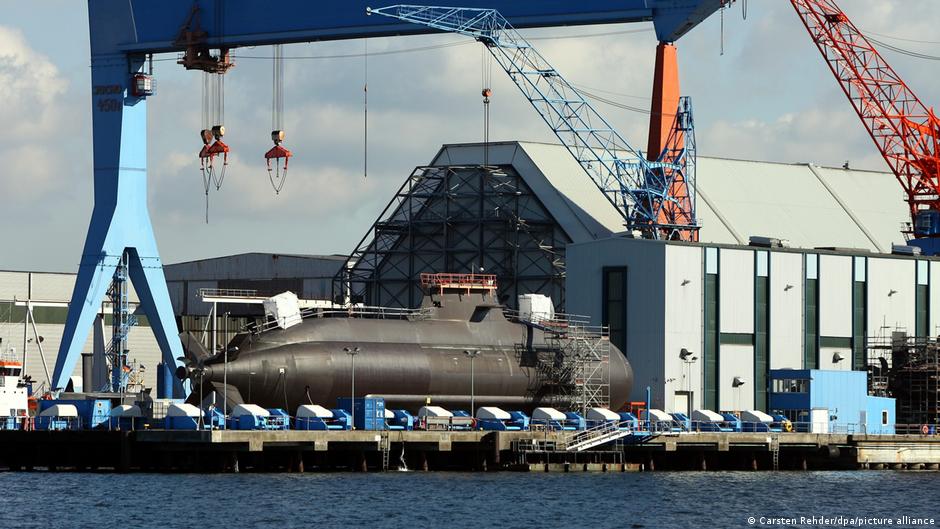
Canada’s selection of German TKMS submarines strengthens NATO’s Arctic defense and marks a major industrial and strategic partnership for Europe and North America.

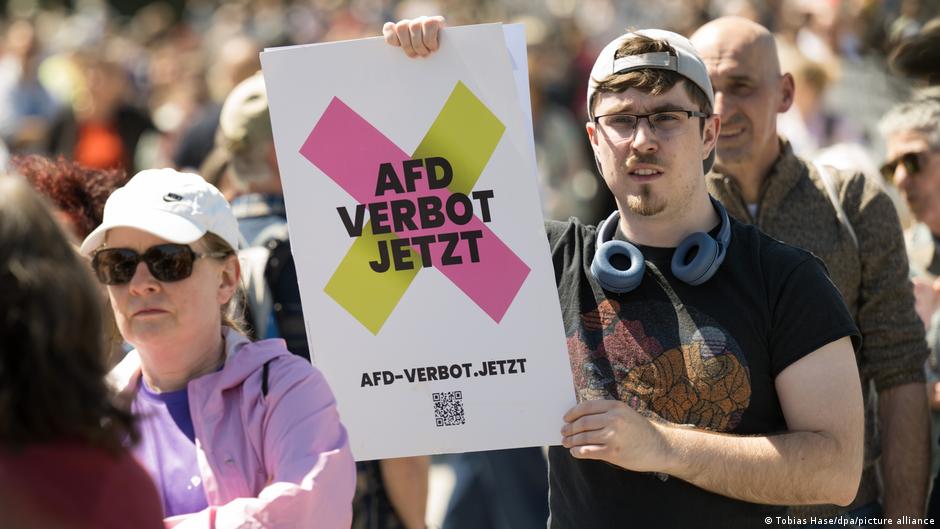
A recent Insa poll finds 45% of Germans oppose banning the far-right AfD, which leads CDU/CSU by 8%. The divided public opinion reflects broader questions about political isolation and democratic resilience in Germany.

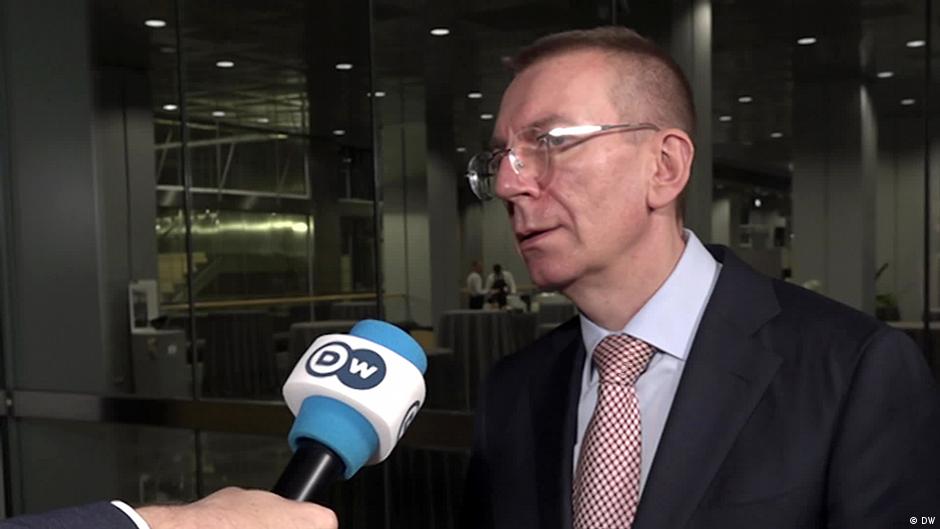
Latvian President Edgars Rinkēvičs warns NATO to prepare for potential escalation with Russia, highlighting the need for real military capability growth beyond budget increases.

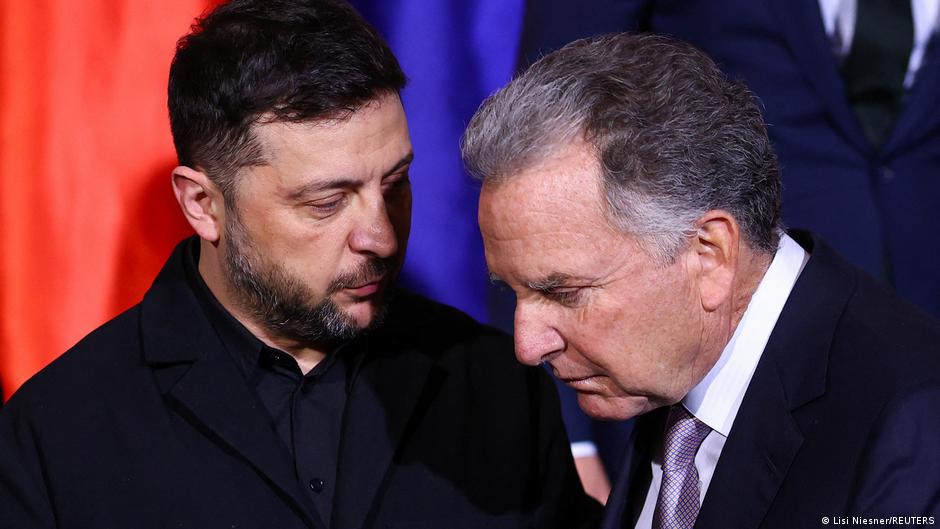
Ukrainian President Zelensky praises the active role of Trump’s special envoys in diplomacy aimed at ending the Russia-Ukraine war, amidst broader Western efforts to secure peace.

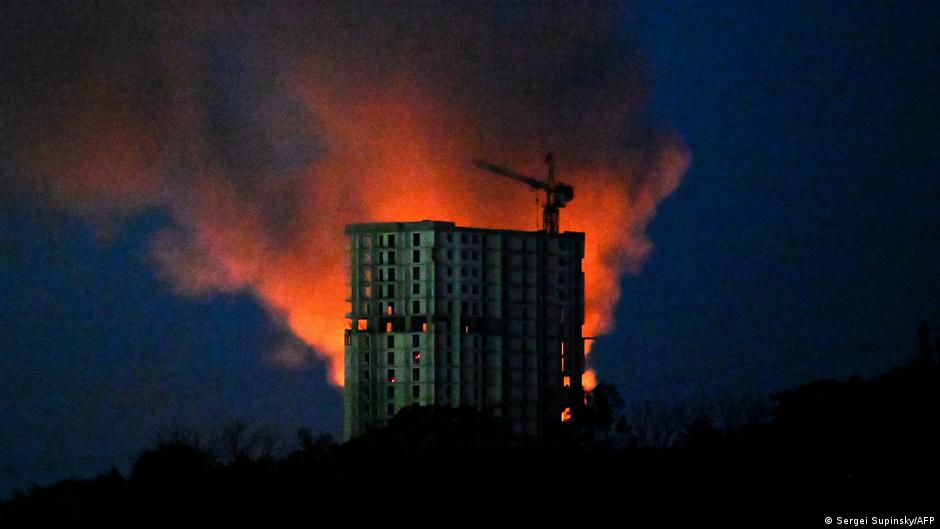
Nighttime drone alerts over Kyiv and targeted strikes on transport corridors reveal Russia’s strategic focus on disrupting Ukraine’s logistics amid ongoing conflict.

Sources close to Chancellor Friedrich Merz dismiss claims of his early replacement as unfounded, despite declining public support and media speculation amid Germany’s political challenges.

The EU has postponed appointing a special negotiator with Russia, emphasizing the need to first establish a clear strategy before engaging in talks to end the Ukraine war.

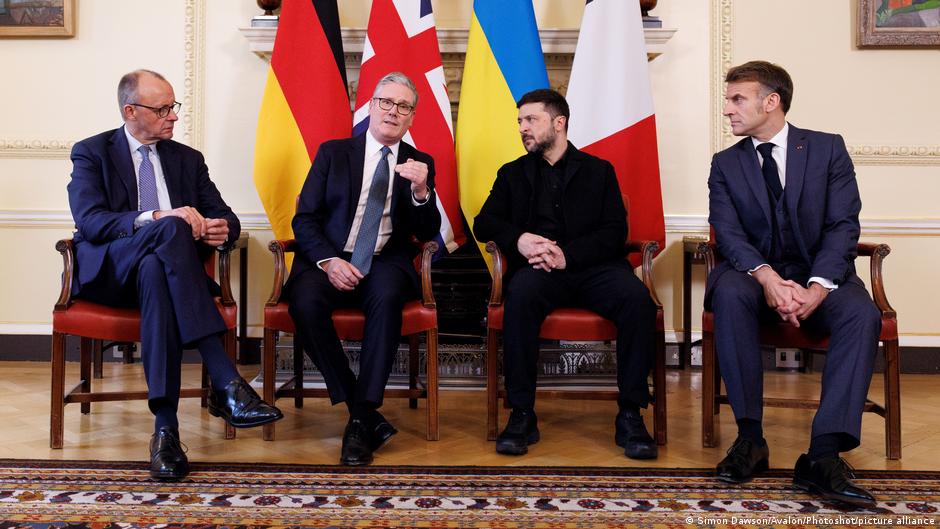
Ukraine’s European allies hold high-level talks with President Zelenskyy to discuss revitalizing peace diplomacy amid stalled negotiations with Russia.

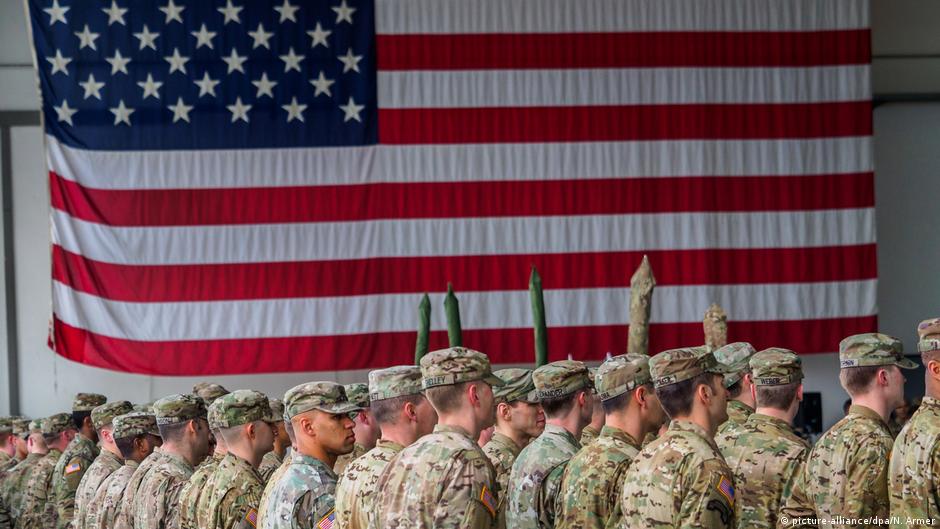
The US commits to sending 5,000 additional troops to Poland, reversing earlier Pentagon decisions and signaling a complex strategic realignment in Europe with broad economic and security implications.

US considers relocating 5,000 troops from Germany to Poland amid strategic and political shifts, impacting NATO dynamics and regional security architecture.

Iran's missile and drone attacks on the UAE disrupt Gulf stability, threatening vital trade routes and regional economic security in a renewed escalation.

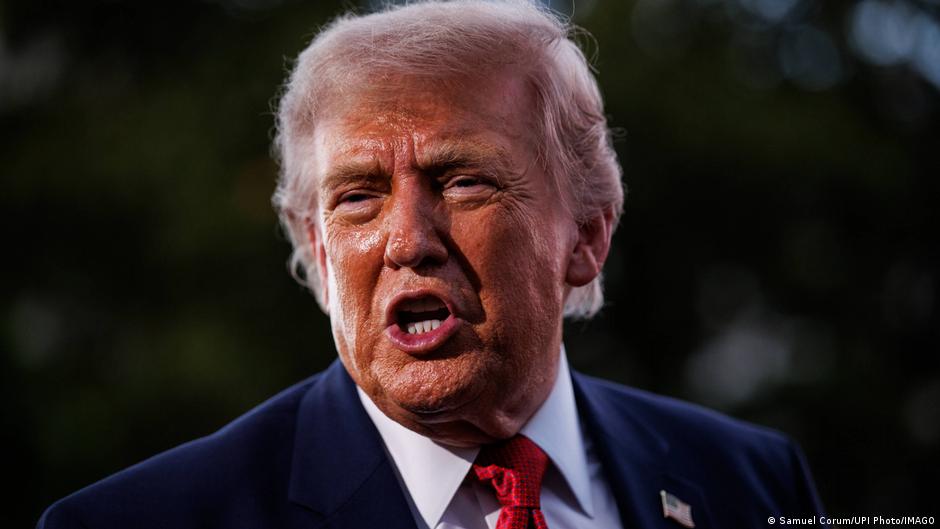
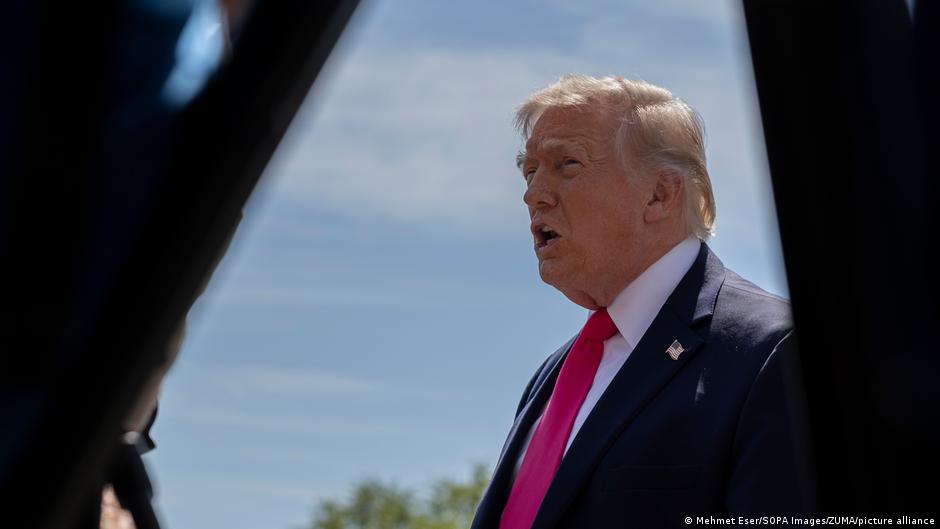
President Trump announces a major US troop withdrawal from Germany, risking shifts in NATO dynamics and impacting European security and economic landscapes.

The ifo Institute warns that US tariffs on EU cars and possible EU retaliation could plunge Germany into recession by 2026, threatening its critical automotive sector amid escalating trade tensions.

The US plans to cut 5,000 troops from its 35,000-strong contingent in Germany within a year, reflecting strategic recalibration of military presence in Europe.

Germany attributes recent phishing attacks via Signal messenger targeting politicians and military personnel to Russia, raising concerns about cybersecurity and espionage.

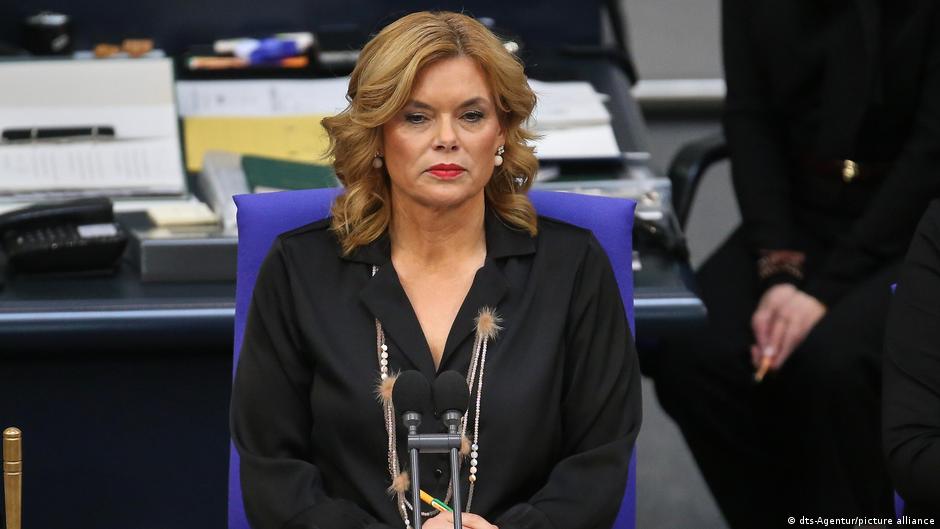
German Bundestag’s Julia Klöckner’s Signal account was hacked amid ongoing phishing attacks targeting political leaders, revealing systemic vulnerabilities in secure digital communications.

US President Trump rejects NATO's offer to assist in securing the Strait of Hormuz, while Europe plans a peaceful multinational mission amid ongoing Middle East tensions.

Germany authorized arms exports worth millions to Israel during the US-Israel-Iran conflict, highlighting tensions between export restrictions and geopolitical strategy.