Kamyševakha Strike Toll Reaches 72, Deepening Ukraine’s Humanitarian Costs
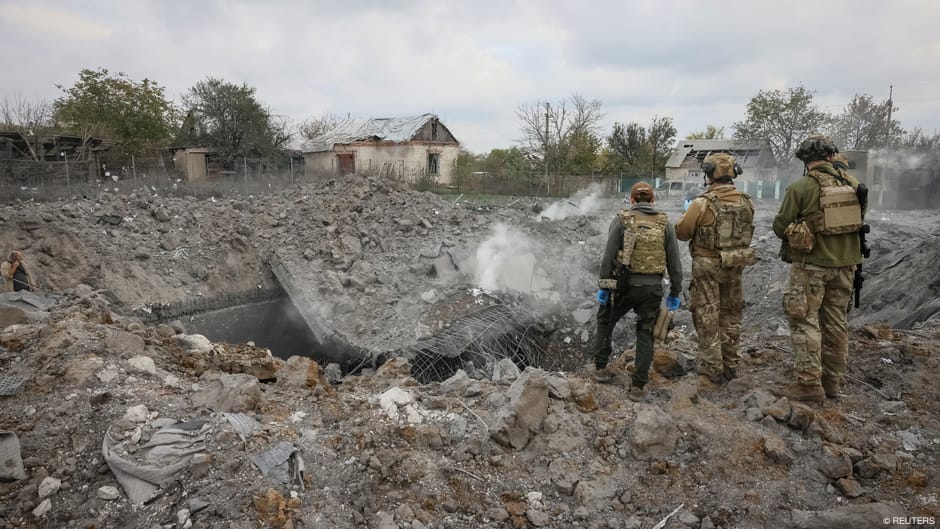
The confirmed death toll from the Kamyševakha aid-center strike reached 72, exposing the compounding economic costs of attacks on civilian infrastructure.

The confirmed death toll from the Kamyševakha aid-center strike reached 72, exposing the compounding economic costs of attacks on civilian infrastructure.

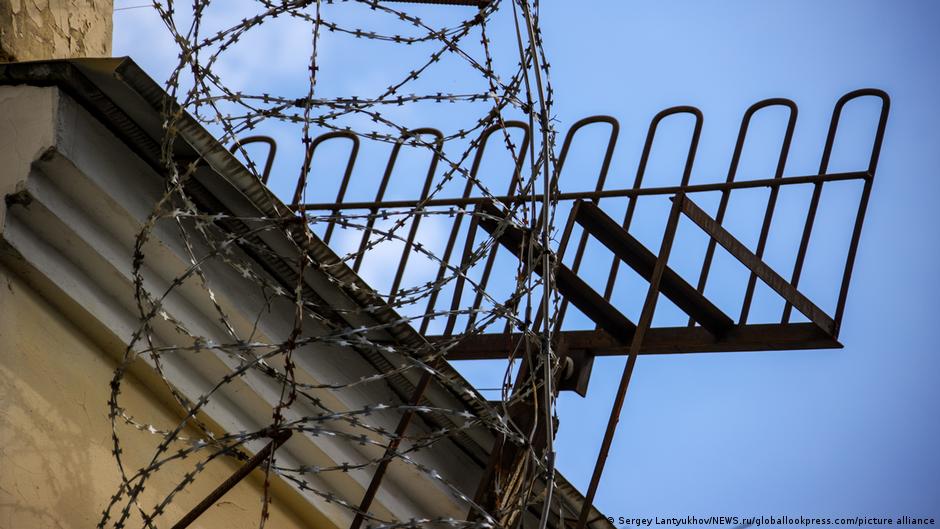
The death of Kharkiv educator Alexandra Kazarovitskaya in Crimean detention underscores the wider costs of repression for families, property and human capital.

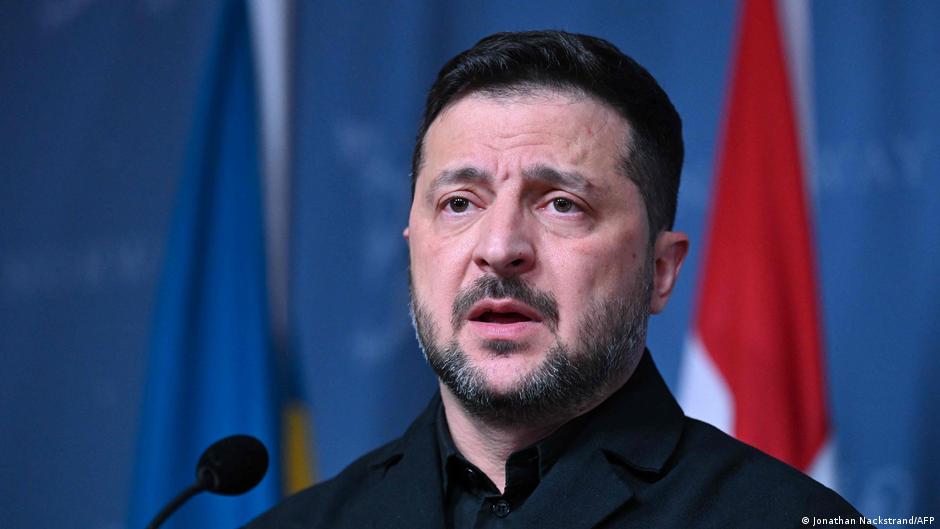
Zelensky expects Democratic control of Congress to expand US military and financial support for Ukraine and reinforce transatlantic coordination.

The White House will review an Oleshky truce that enabled hundreds of civilian evacuations and the delivery of humanitarian aid.

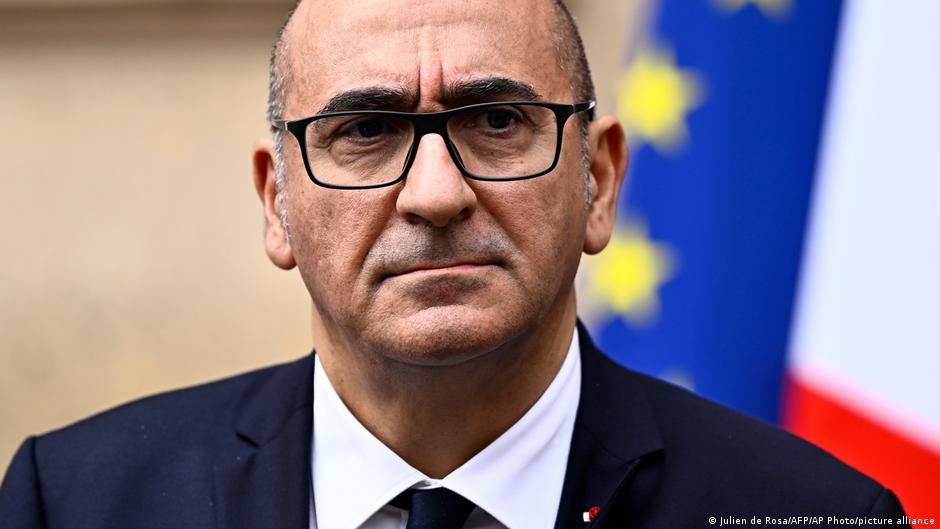
France’s technical talks with the Taliban reveal the fiscal, legal and diplomatic trade-offs behind Europe’s push to accelerate Afghan deportations.

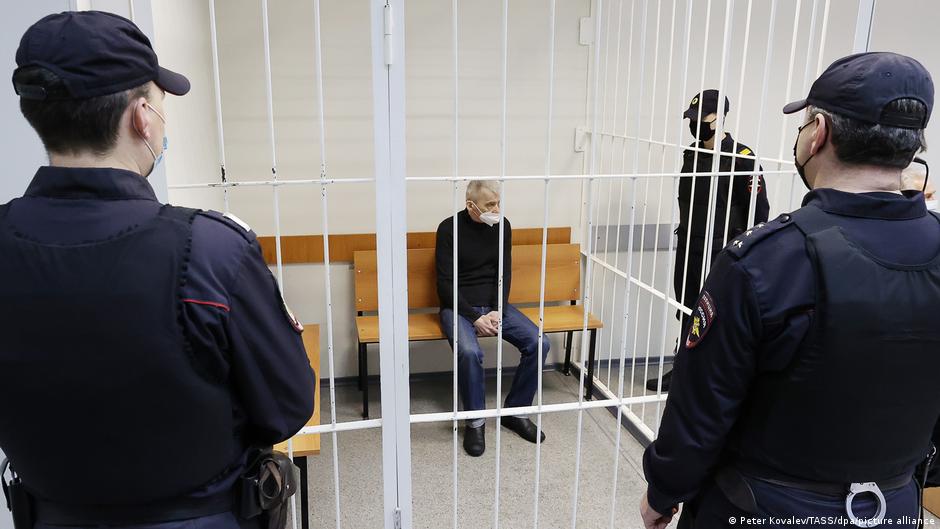
Yury Dmitriev was returned to a Russian penal colony without a diagnosis after suspected stroke symptoms, rights advocates said.

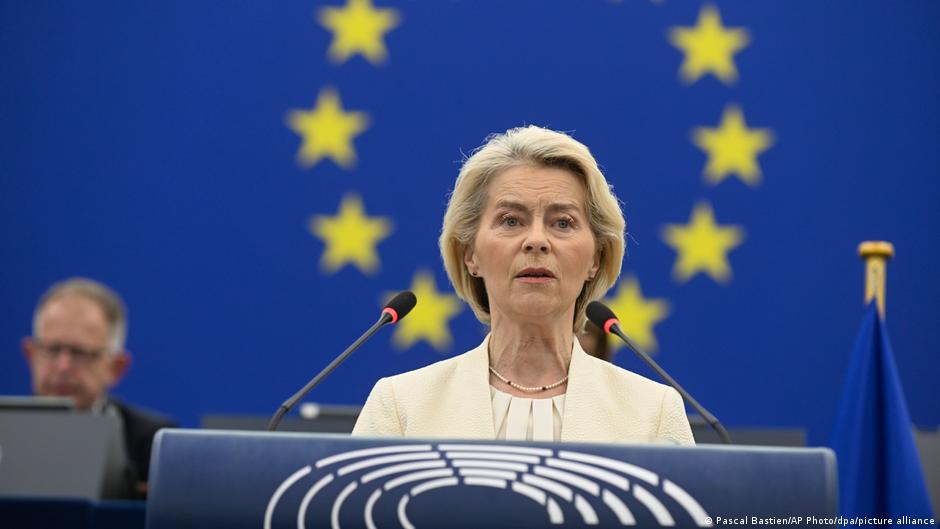
The EU is preparing new funding for Ukrainian drones and missiles as Brussels links wartime defense needs with long-term financing and reforms.

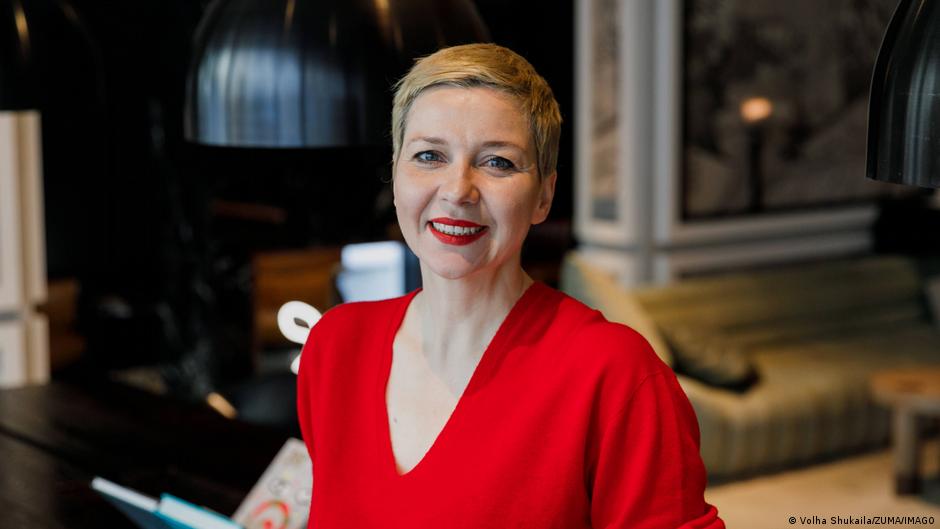
Maria Kolesnikova urges the EU to use diplomacy and sanctions relief to free Belarusian political prisoners and reduce Russia’s influence.
The discovery of 572 remains at Chemmani has revived Sri Lanka’s unresolved debate over wartime disappearances and accountability.

A new U.S. strike in the Caribbean killed four alleged drug traffickers, deepening legal concerns and economic risks around a yearlong campaign.

Reports reveal at least 345 executed Ukrainian POWs and widespread torture, highlighting severe war crimes with significant legal and economic consequences amid ongoing conflict.

Russia's Prosecutor General has declared the American Human Rights Foundation "undesirable" due to its critical projects and leadership changes in 2024.

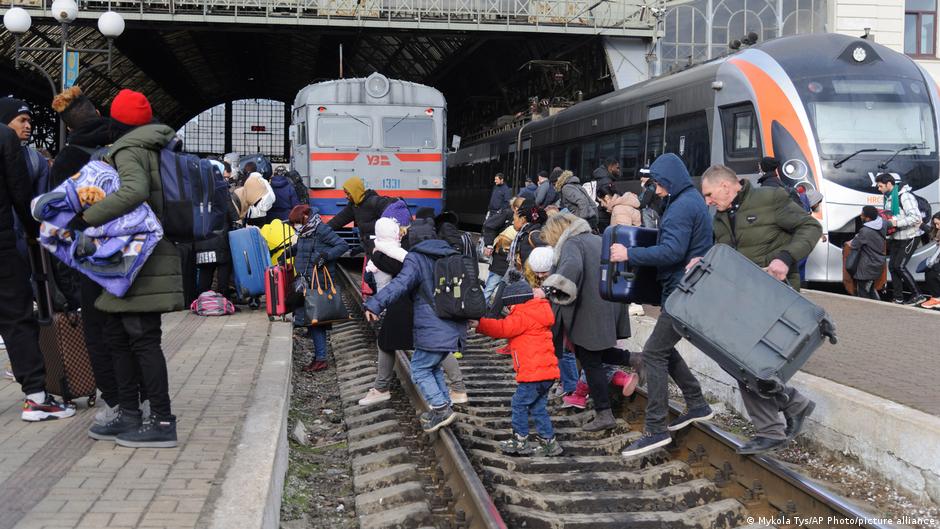
With over 8.4 million Ukrainians living abroad amid ongoing conflict, Ukraine faces significant demographic and economic challenges reshaping its future recovery.

Vladimir Osechkin halts Gulagu.net citing a global human rights crisis and increasing repression in Russia, highlighting structural challenges for activists and international law.

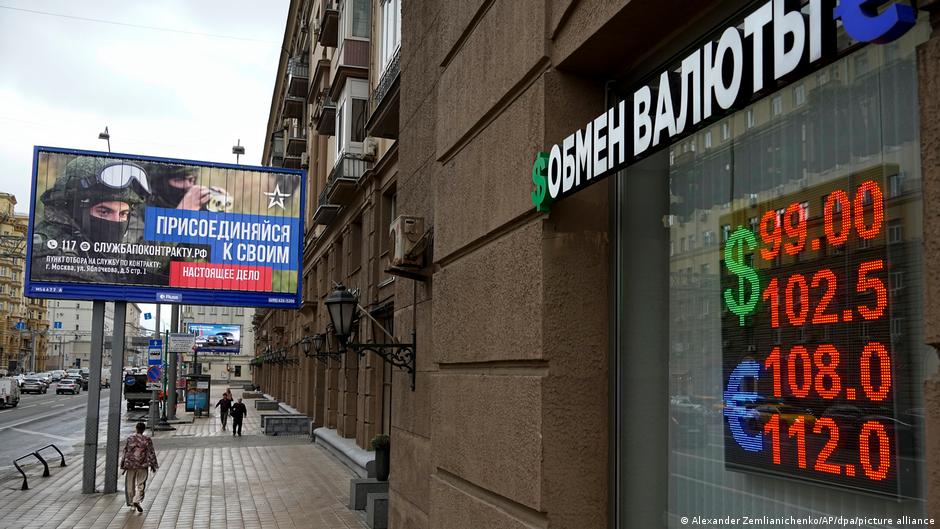
Russia seeks to abolish mandatory medical exams for contract soldiers amid recruitment challenges, highlighting deeper economic and structural military issues during the Ukraine conflict.

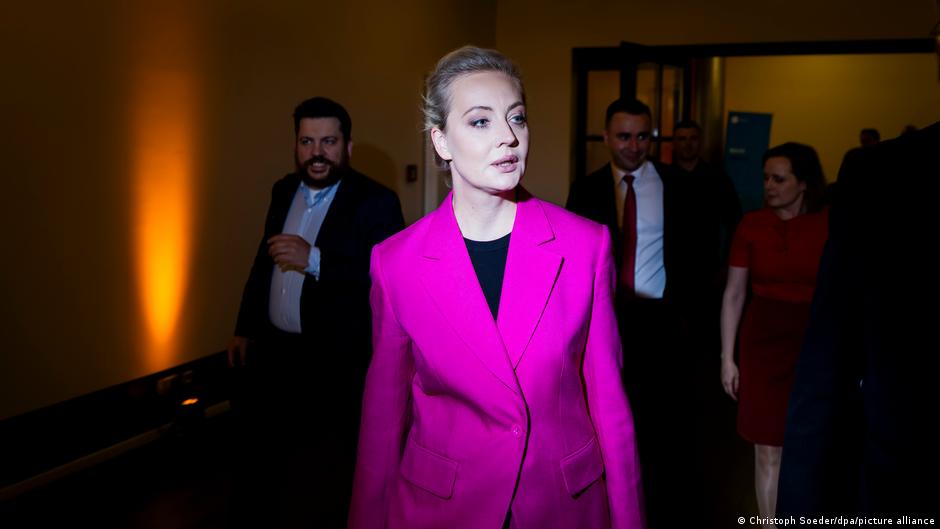
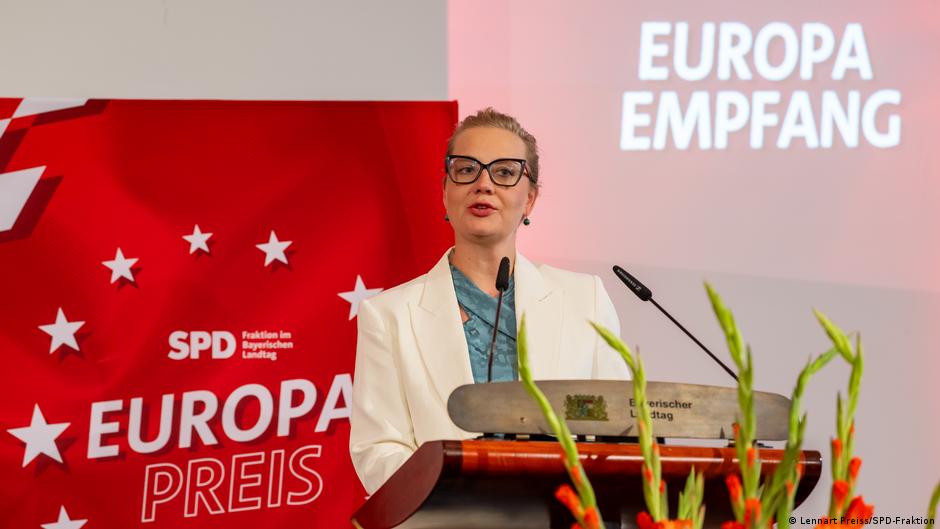
The Bavarian SPD faction awarded Julia Navalnaya the European Prize for her courageous resistance to Russia’s authoritarian regime and advocacy for human rights.

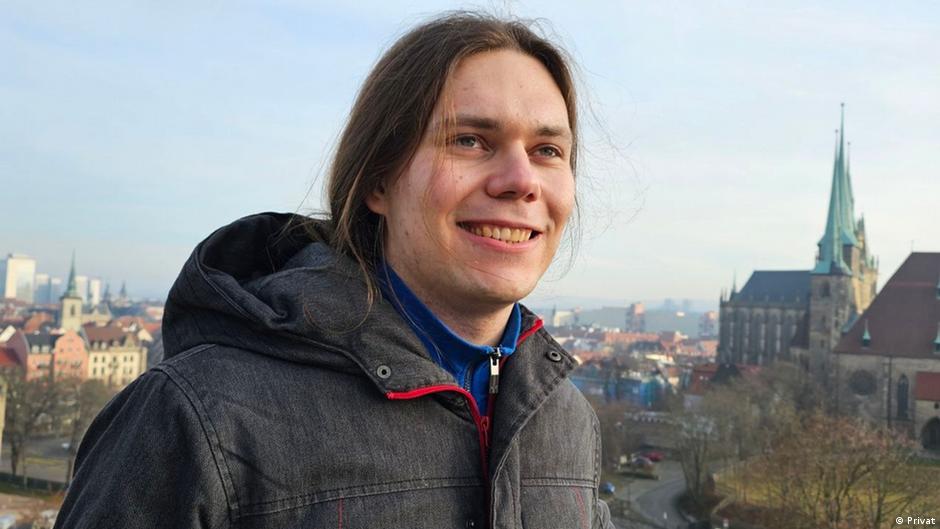
German authorities grant asylum to Russian anti-war activist Ilya Shkolny after a three-year legal ordeal marked by repeated rejections and advocacy efforts.

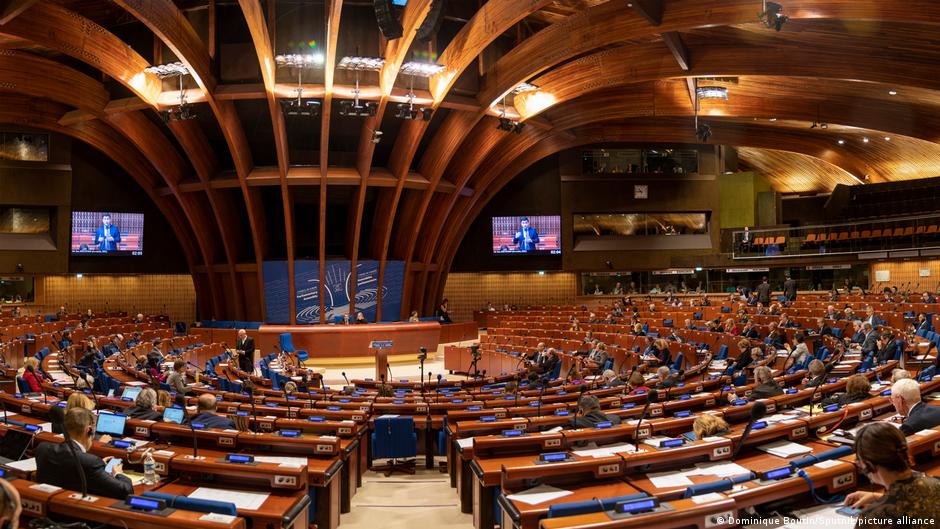
PACE has passed a resolution criticizing Georgia's democratic decline, urging the repeal of repressive laws and cessation of opposition persecution amid political tensions.

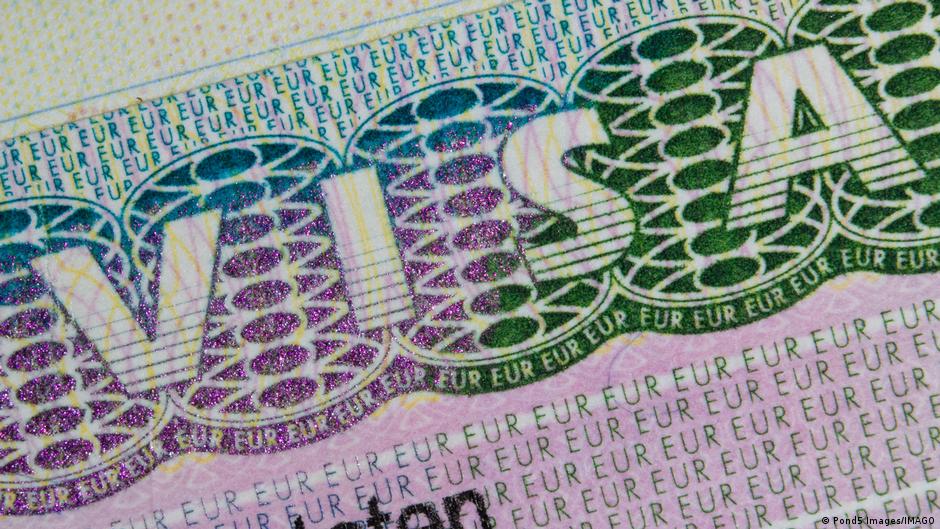
Belgium issued one-day visas to five Taliban representatives to participate in EU talks on Afghan migration and deportation, reflecting complex geopolitical and economic challenges.

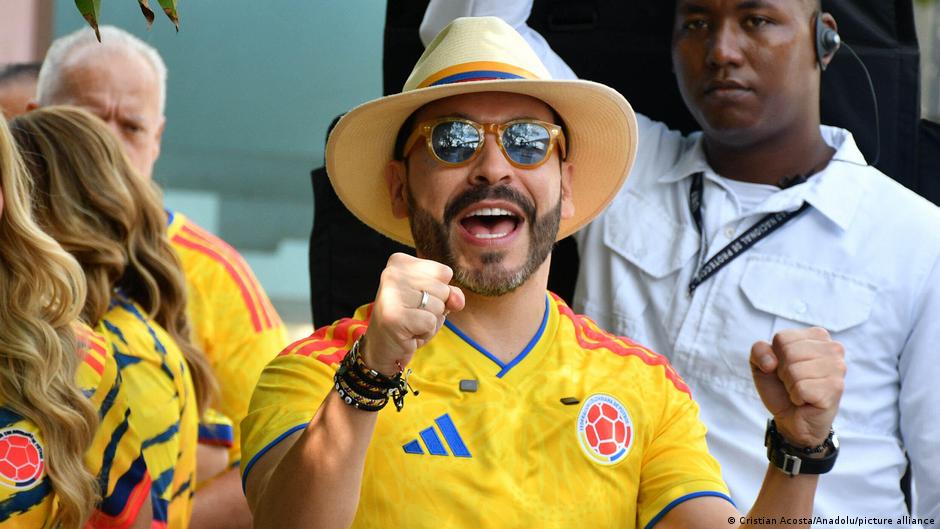
Far-right businessman Abelardo de la Espriella wins Colombia’s presidency, promising deregulation and militarized crime control, signaling a shift from leftist reforms under Gustavo Petro.

Ukraine urges the UN to ban Russian military from peacekeeping missions after documented sexual crimes, challenging UN accountability amid ongoing conflict.

Georgia arrests Russian national Tatiana Kurashkevich over US-requested sanctions evasion charges, highlighting international cooperation against economic crimes.

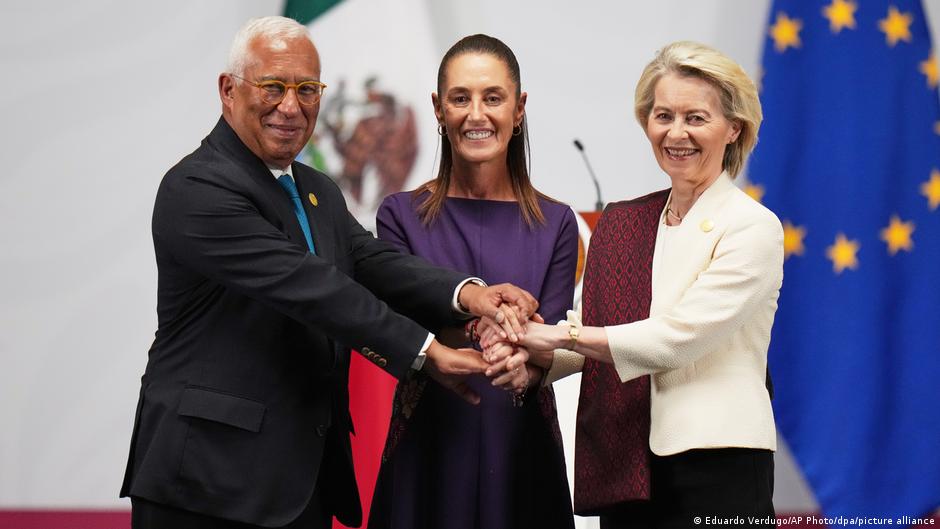
The EU and Mexico finalize a decade-long trade agreement eliminating most tariffs and reducing barriers, aiming to boost exports and investment amid shifting global trade dynamics.

Western nations criticized Israel for degrading detained activists from the pro-Palestinian Sumud flotilla, escalating diplomatic tensions over Gaza blockade enforcement.

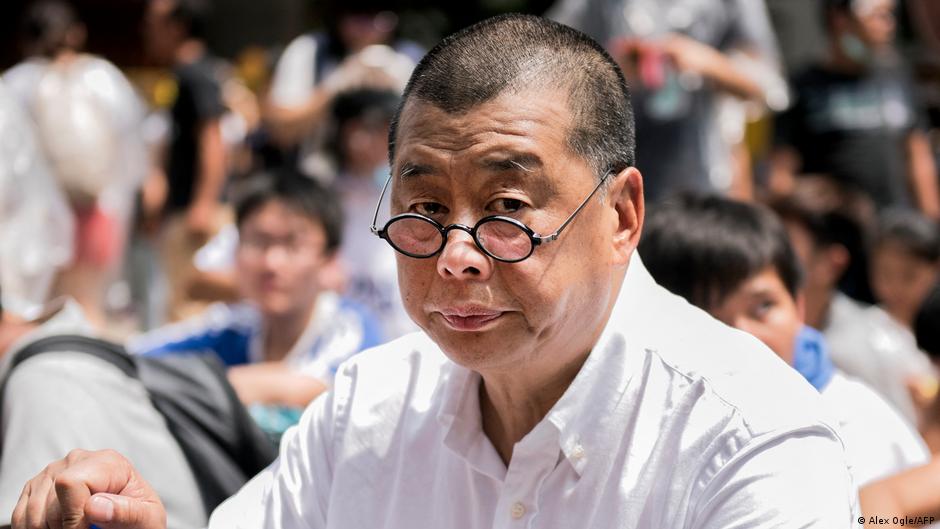
Donald Trump revealed Beijing's refusal to release Hong Kong media tycoon Jimmy Lai, sentenced to 20 years for pro-democracy activism, highlighting deeper US-China tensions.