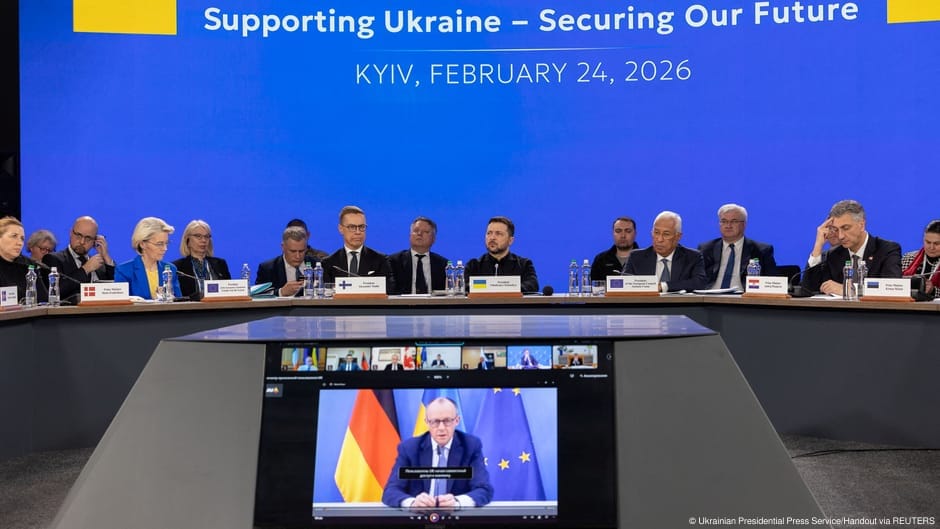
Berlin Ukraine Summit Links Security Guarantees to Europe’s Economic Future
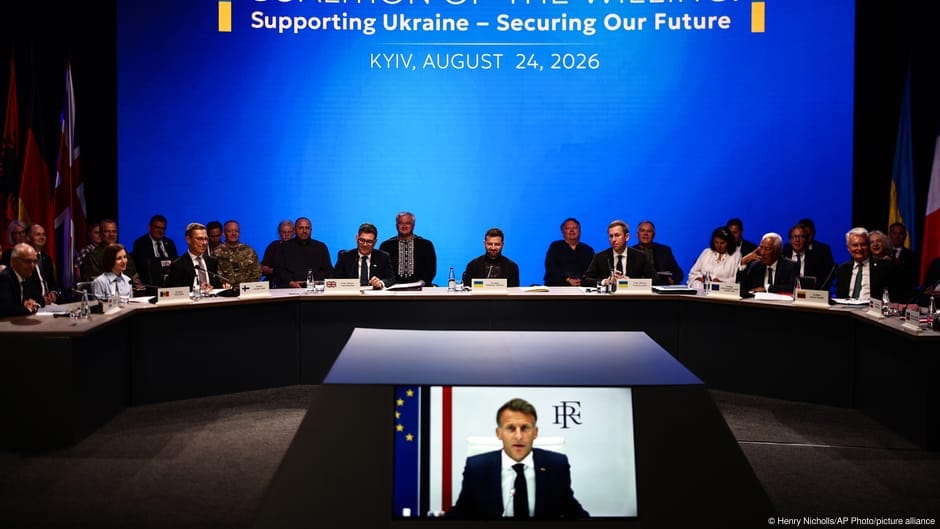
Berlin talks will connect military aid and security guarantees for Ukraine with Europe’s long-term fiscal, industrial and geopolitical stability.

Berlin talks will connect military aid and security guarantees for Ukraine with Europe’s long-term fiscal, industrial and geopolitical stability.

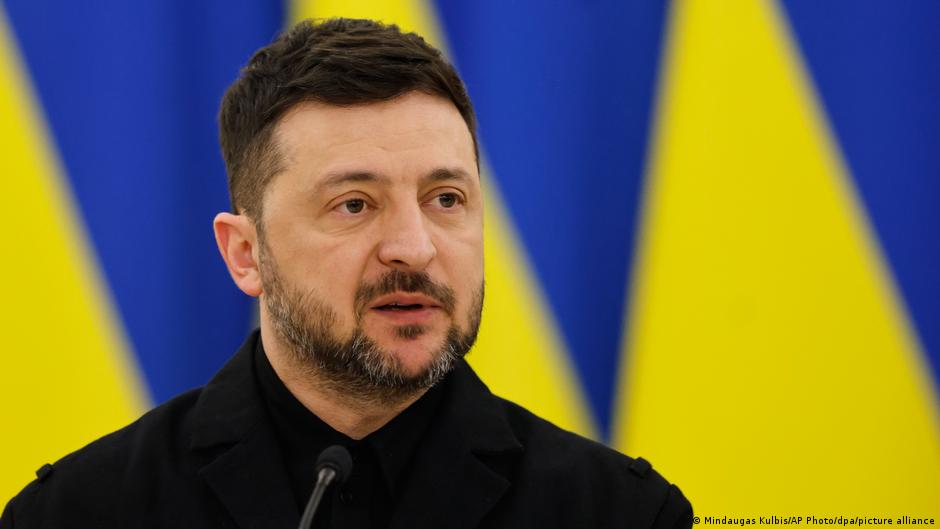
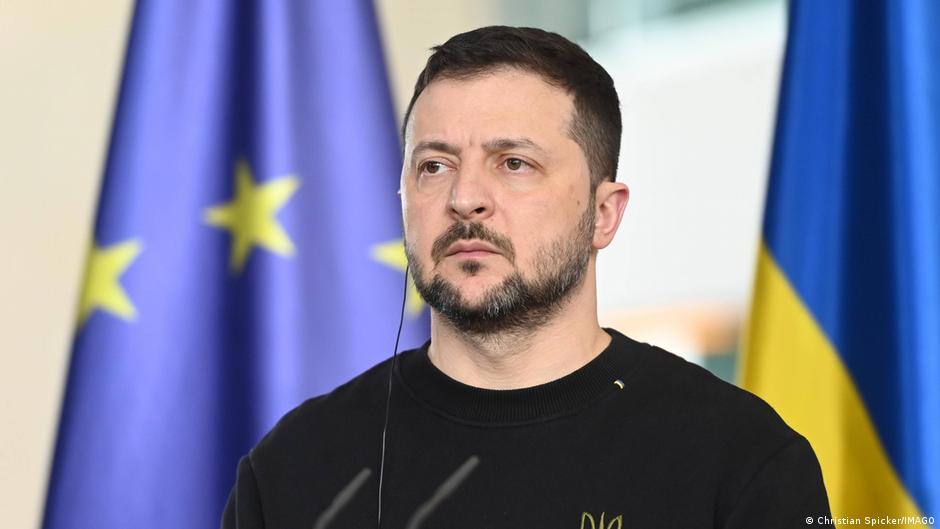
Kyiv wants a unified European negotiating position while reviewing allied coalitions and pressing for energy aid and air-defense missiles.

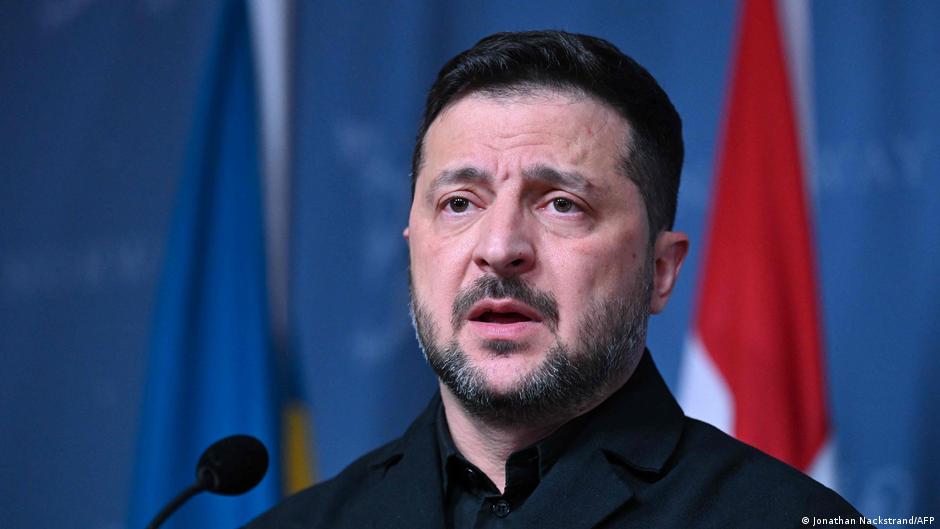
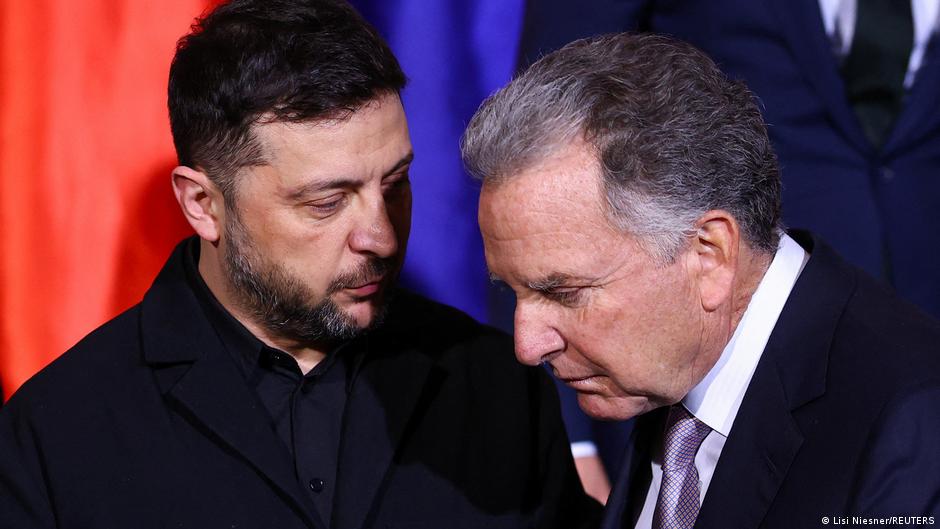
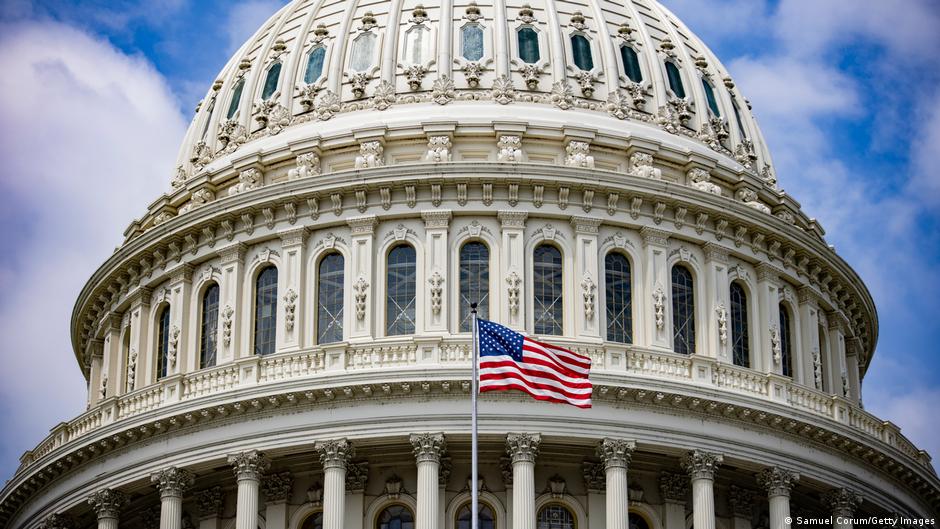
Zelensky expects Democratic control of Congress to expand US military and financial support for Ukraine and reinforce transatlantic coordination.

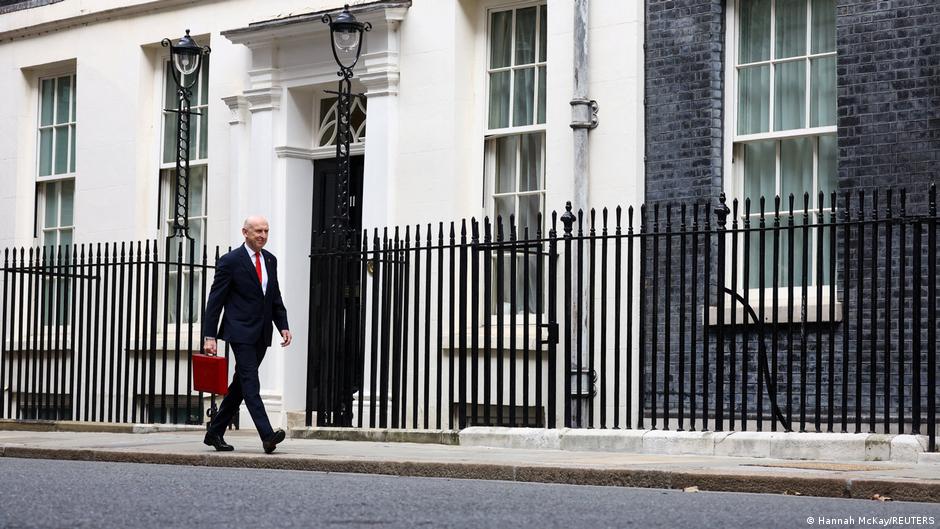
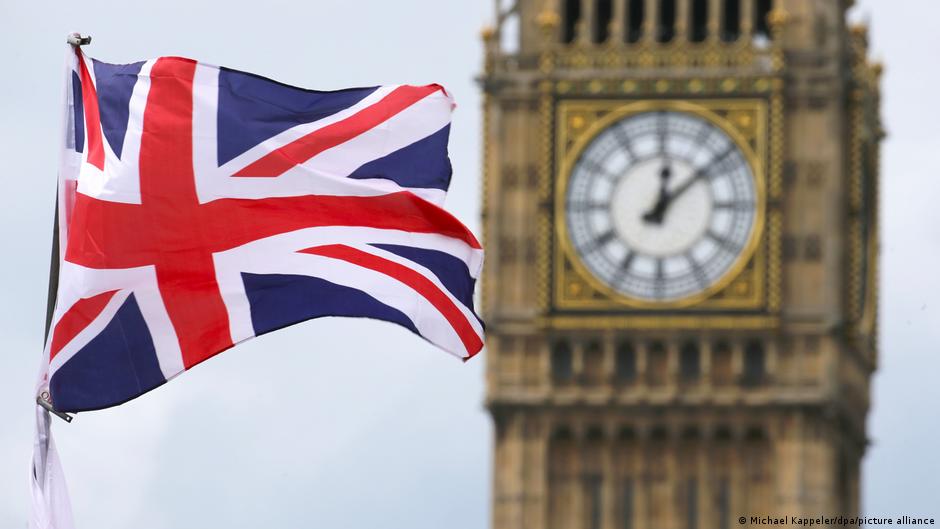
Britain and the Netherlands are combining urgent winter defense aid with credit guarantees, energy repairs and multiyear reconstruction funding for Ukraine.

Reported U.S. pressure over Ukraine’s PURL weapons pipeline turns refinery strikes and an energy truce into a test of economic leverage.

The EU is preparing new funding for Ukrainian drones and missiles as Brussels links wartime defense needs with long-term financing and reforms.

Western governments are preparing contingency plans to move embassies from Kyiv as Russian strikes intensify against Ukraine’s cities and energy system.

Zelensky says North Korea may send 10,000 more troops to Russia, deepening concerns over wartime manpower, sanctions and security trade.

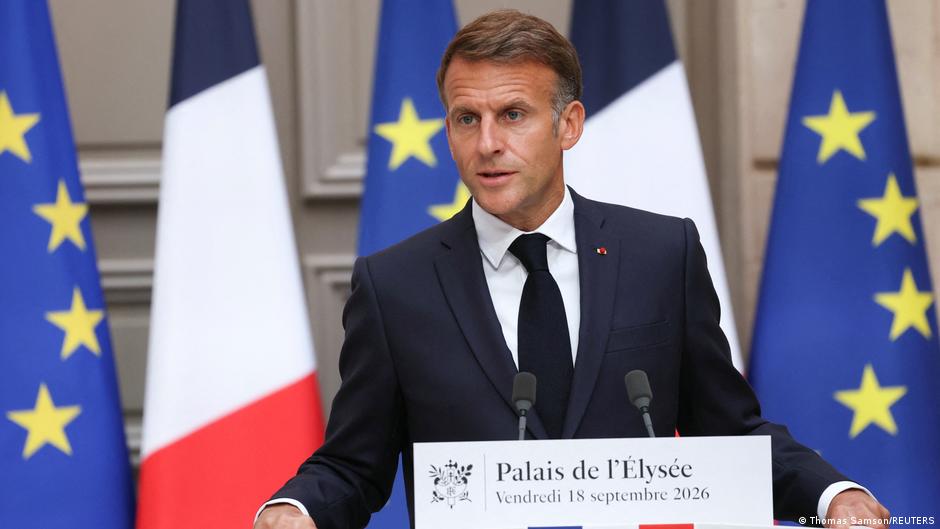
Macron says France sees a Russian mobilization of about 300,000 as credible and warns Europe may face wider hybrid attacks.

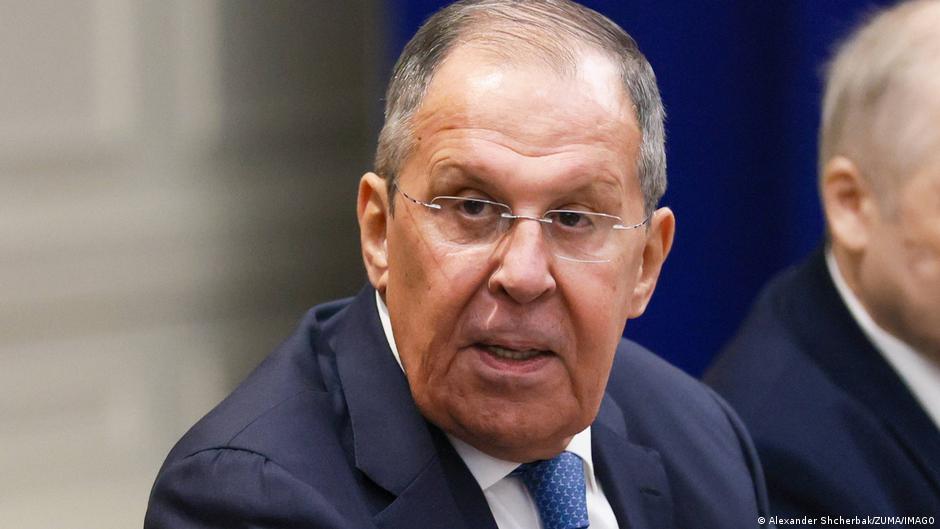
Lavrov said Russia will not pause operations for Ukraine talks, framing diplomacy as part of a wider contest over time, arsenals and leverage.

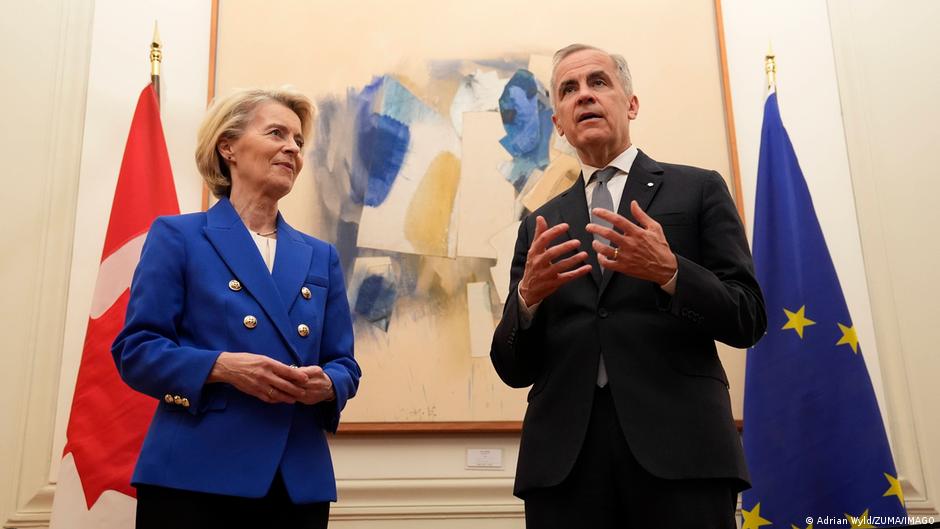
Canada is negotiating to join the EU’s €90 billion Ukraine loan as Ottawa seeks deeper European ties and less reliance on the U.S.

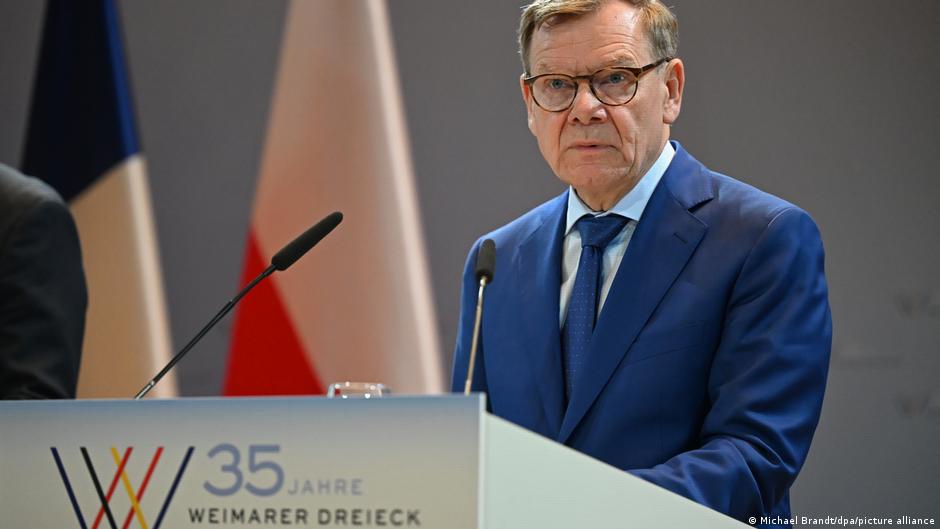
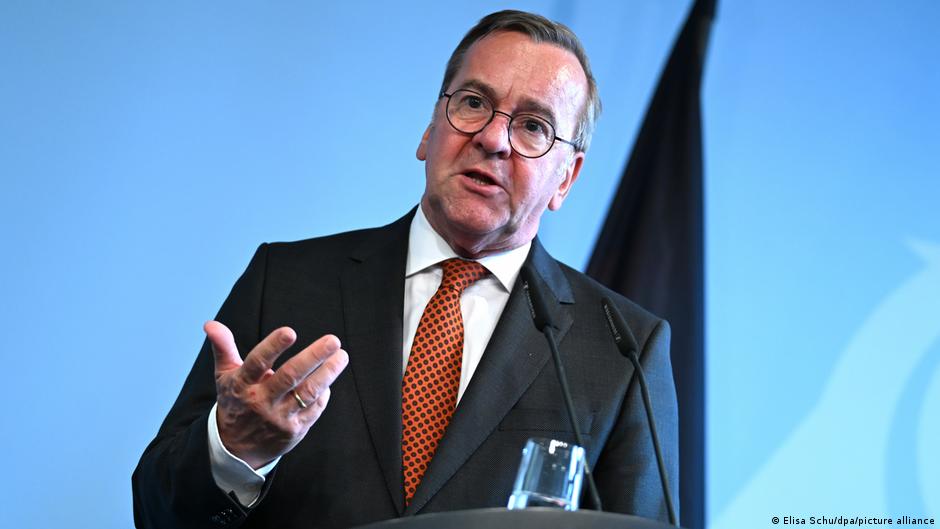
Germany’s foreign minister says Ukraine aid should also benefit German defense firms, linking support for Kyiv to industrial policy and taxpayer accountability.

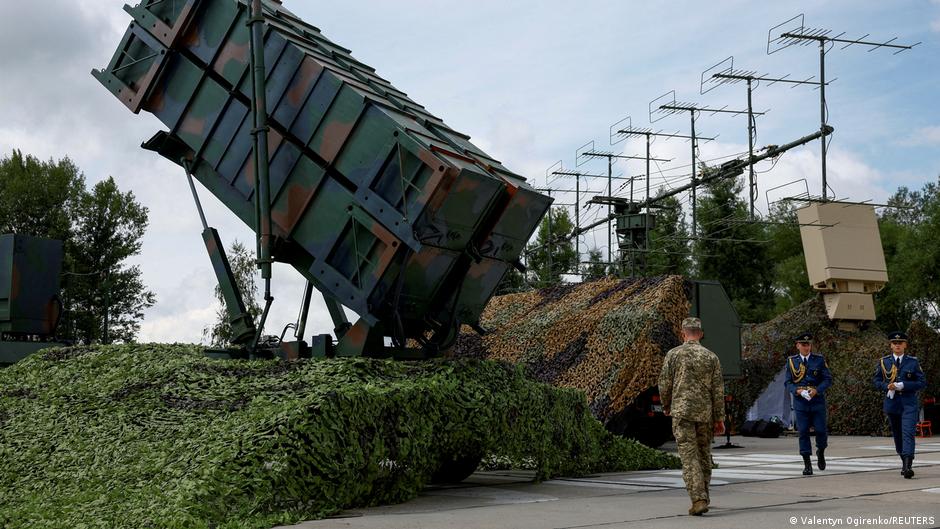
Raytheon and Lockheed Martin fear that licensing Patriot missile production to Ukraine may enable rapid, cost-effective manufacturing and technological improvements, raising strategic concerns.

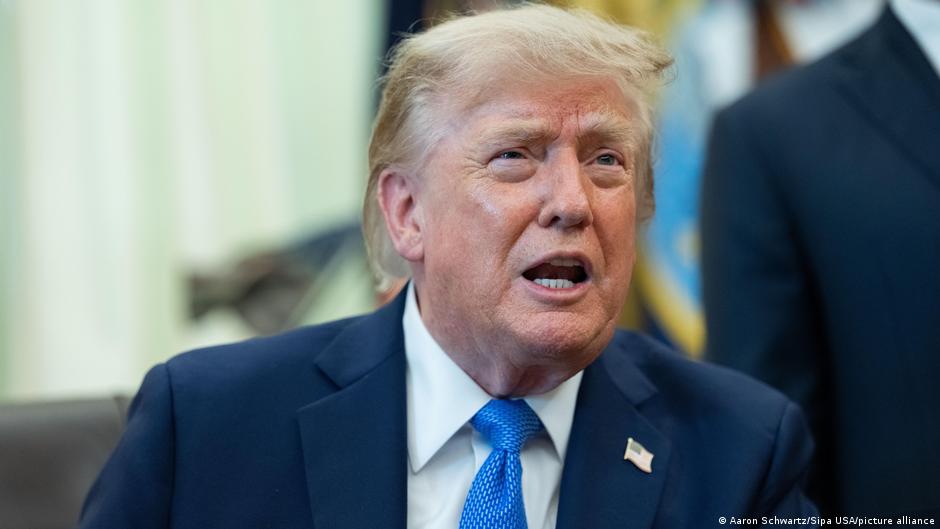
Trump accuses the Biden administration of depleting US munitions stockpiles through aid to Ukraine, raising concerns about domestic defense readiness and missile shortages.

Ukraine loses its fourth F-16 fighter jet in combat, highlighting operational challenges and the economic impact of sustaining advanced Western military hardware.

The UK has transferred intellectual property rights of the Stone Cloak electronic warfare system to Ukraine, enabling Kyiv to produce it domestically at scale amid ongoing conflict.

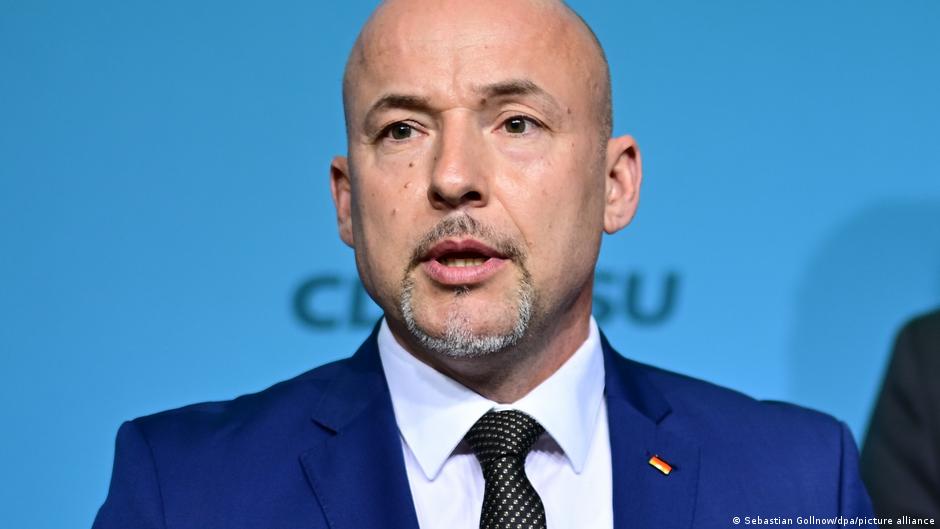
CSU leader Alexander Hoffmann urges Ukraine to transfer advanced drone technologies to Germany under an intergovernmental agreement, aiming to enhance Bundeswehr's defense capabilities.

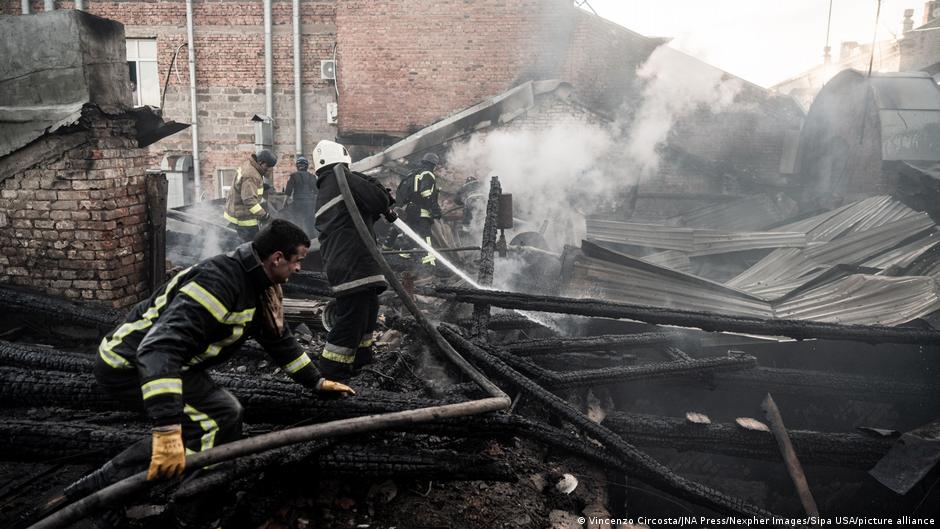
Russian missile and drone strikes on Ukrainian cities highlight escalating conflict impacts on infrastructure, civilian safety, and economic stability amid Ukraine's defense modernization efforts.

G7 leaders commit to new sanctions targeting Russia's energy sector and pledge increased military aid to Ukraine amid evolving conflict dynamics and strategic economic pressures.

Germany commits an additional €300 million to support the Czech-led ammunition procurement initiative for Ukraine, underscoring shifting dynamics in European defense cooperation and funding challenges.

Ukrainian President Zelensky praises the active role of Trump’s special envoys in diplomacy aimed at ending the Russia-Ukraine war, amidst broader Western efforts to secure peace.

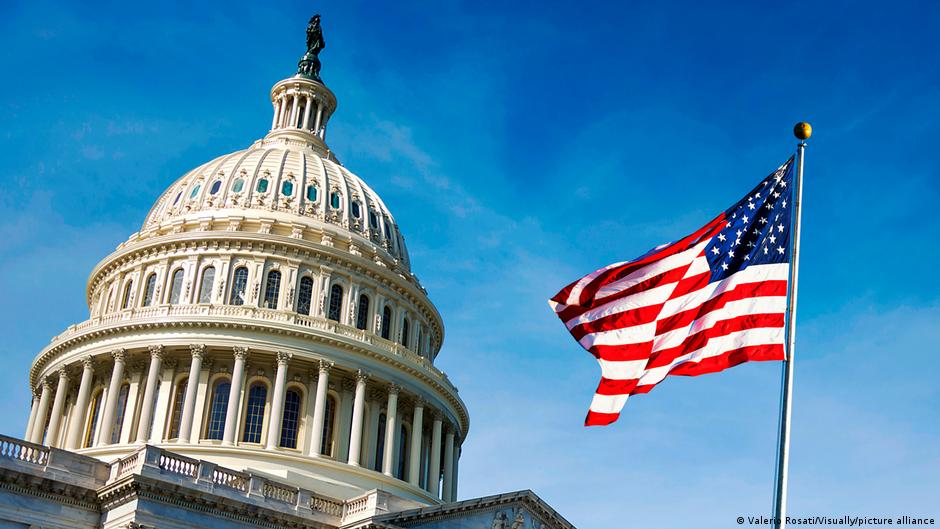
The US House approved a bill expanding military aid to Ukraine and increasing sanctions on Russia, pending Senate consent amid partisan debates and potential presidential veto.

Ukrainian President Zelensky met with German intelligence leaders to advance air defense cooperation and drone production amid escalating aerial attacks on Kyiv.

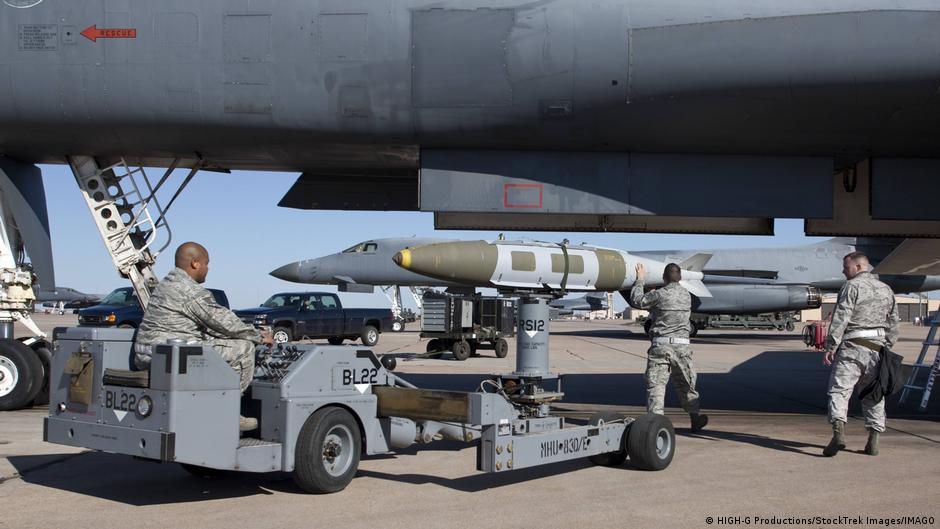
The US State Department approved a $373.6M sale of JDAM-ER kits to Ukraine, enhancing bomb range and accuracy amid operational challenges and strategic economic implications.

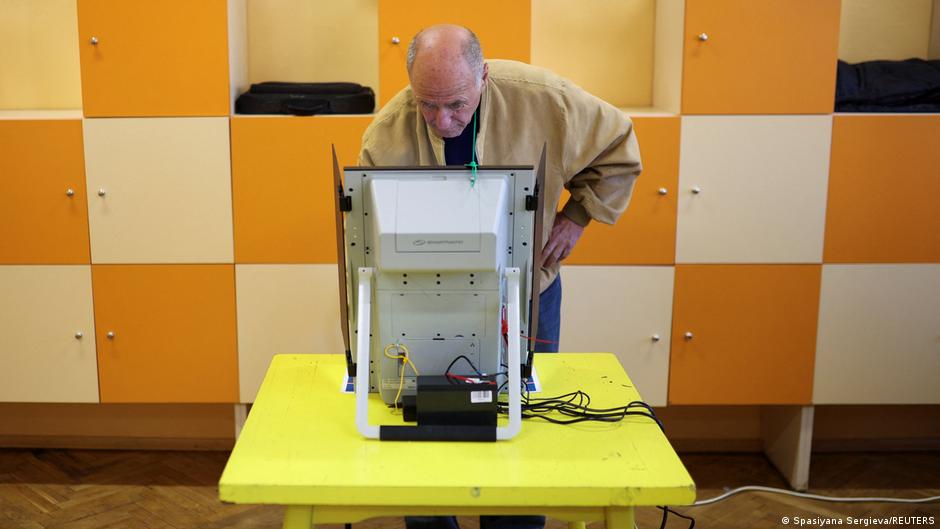
Former President Rumen Radev’s coalition leads Bulgaria’s parliamentary elections, reflecting widespread demand for anti-corruption reforms and institutional change amid political instability.