US Cancels Planned Strikes on Iran Amid Promising Peace Negotiations
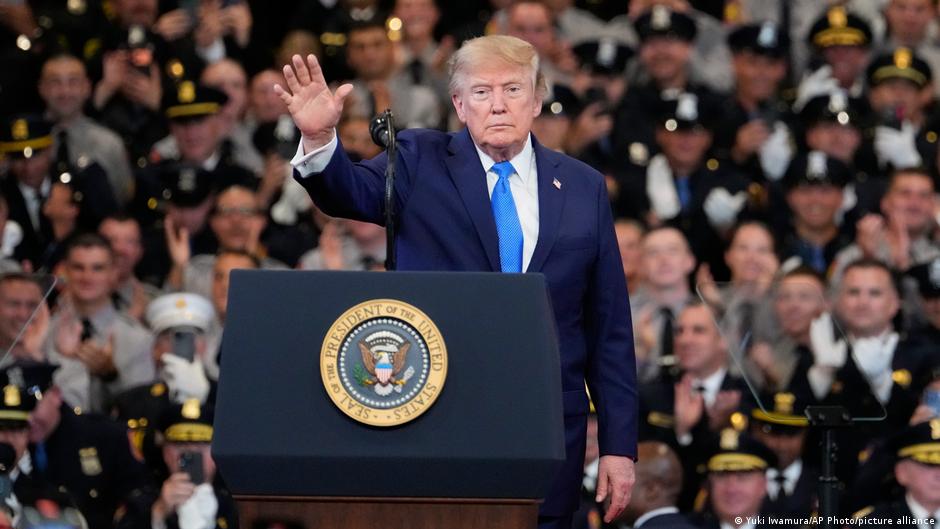
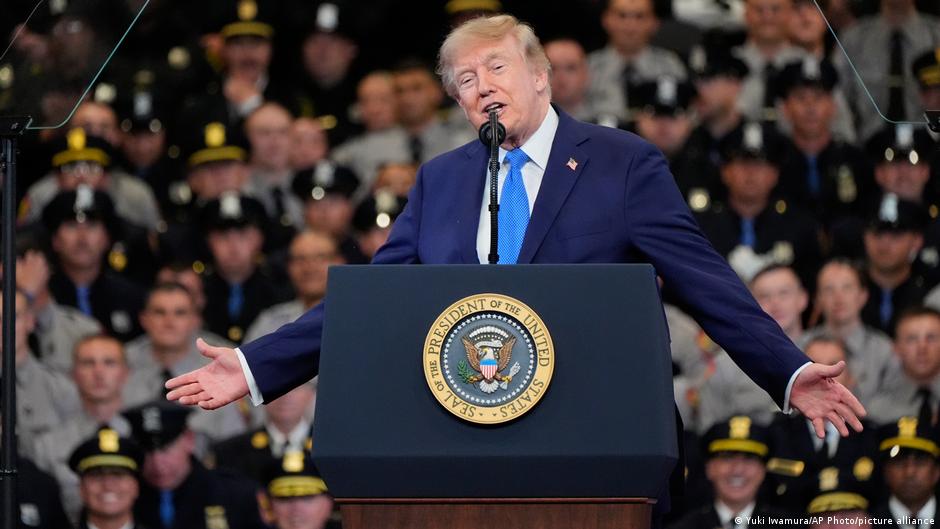
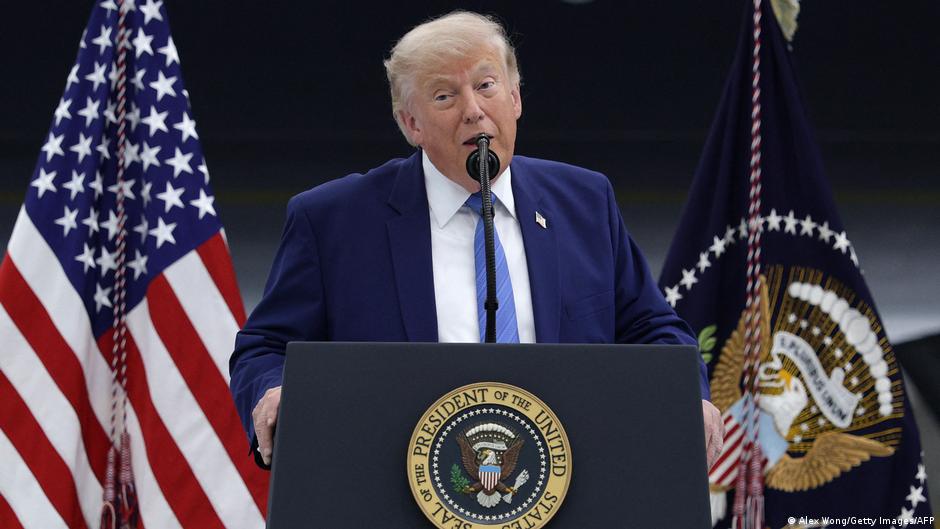
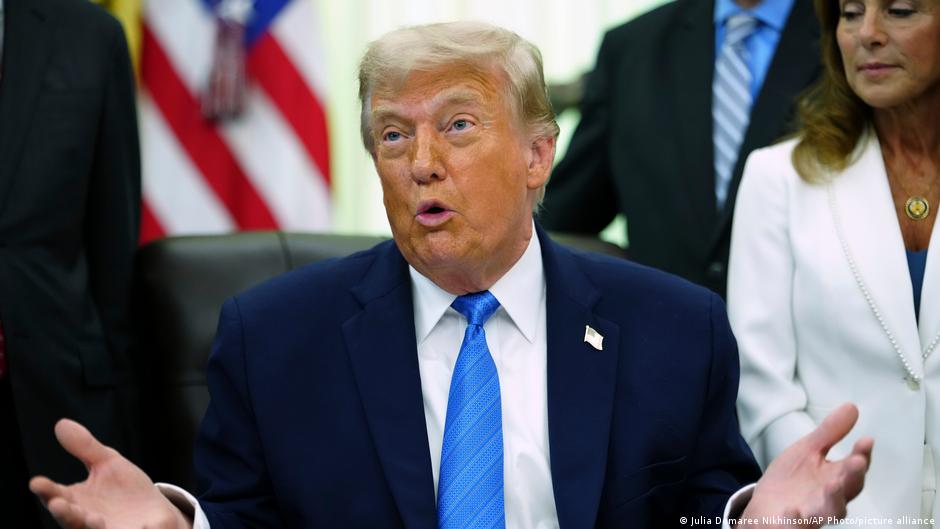
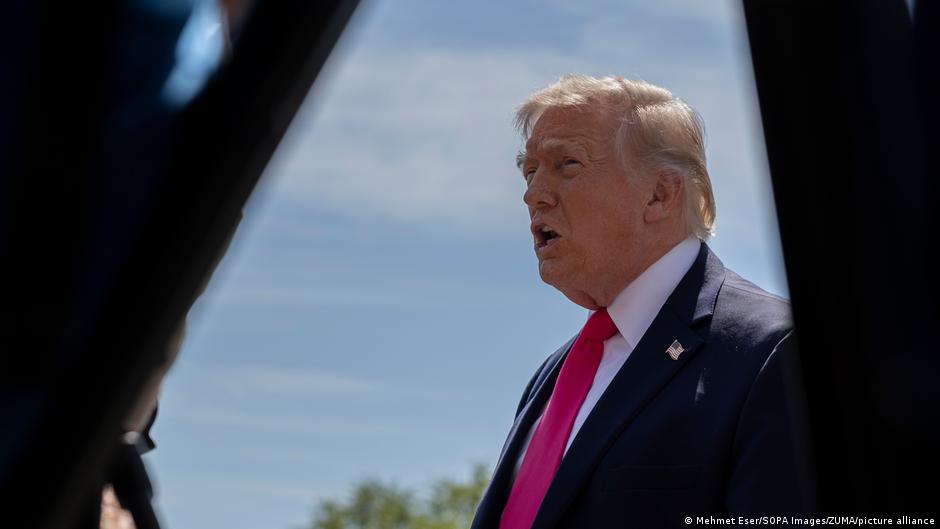
President Trump cancels June 11 airstrikes on Iran amid progress in multilateral negotiations involving regional allies, averting immediate military escalation.

President Trump cancels June 11 airstrikes on Iran amid progress in multilateral negotiations involving regional allies, averting immediate military escalation.

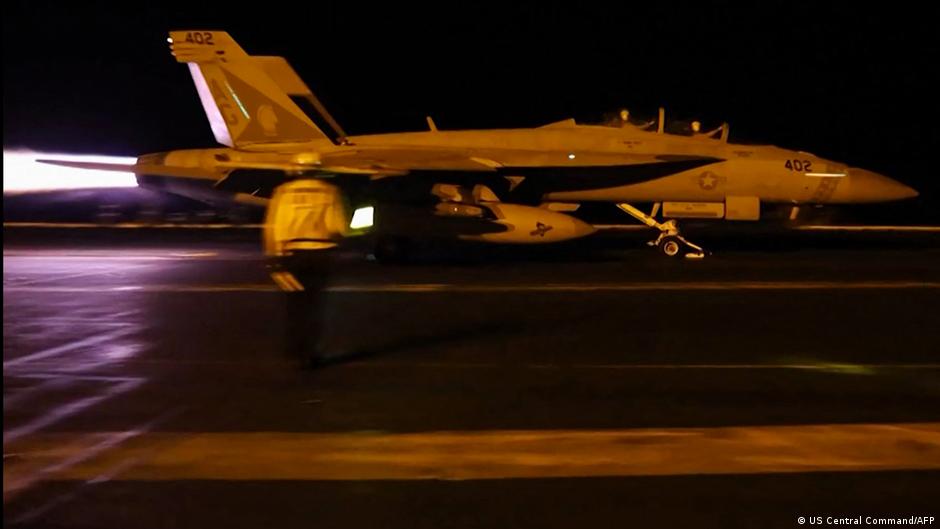
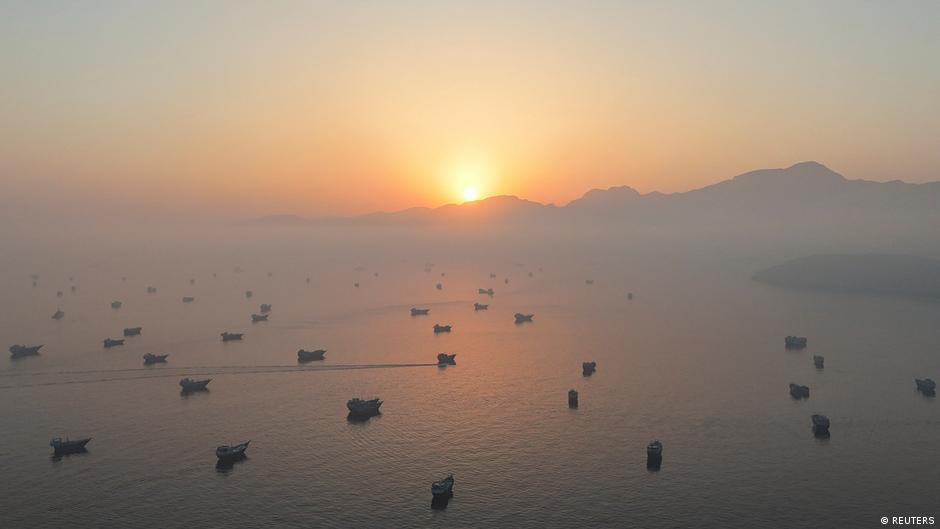
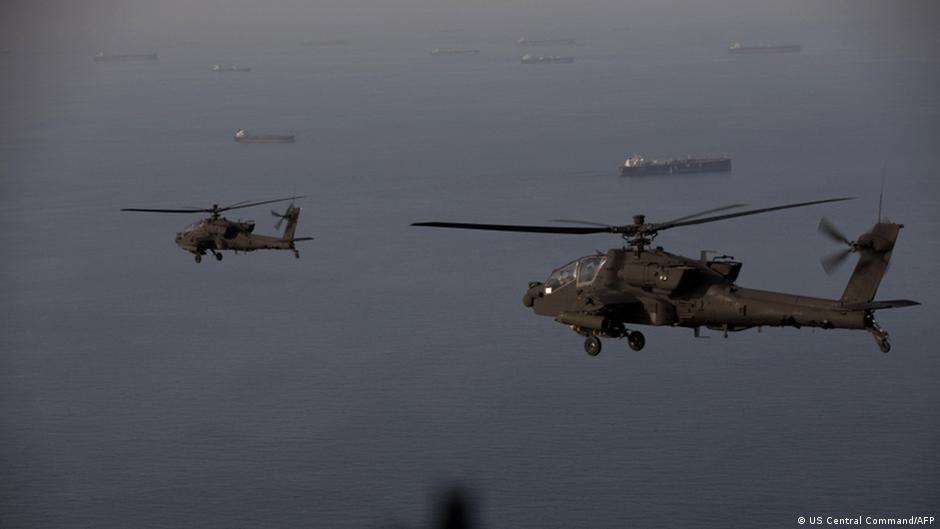
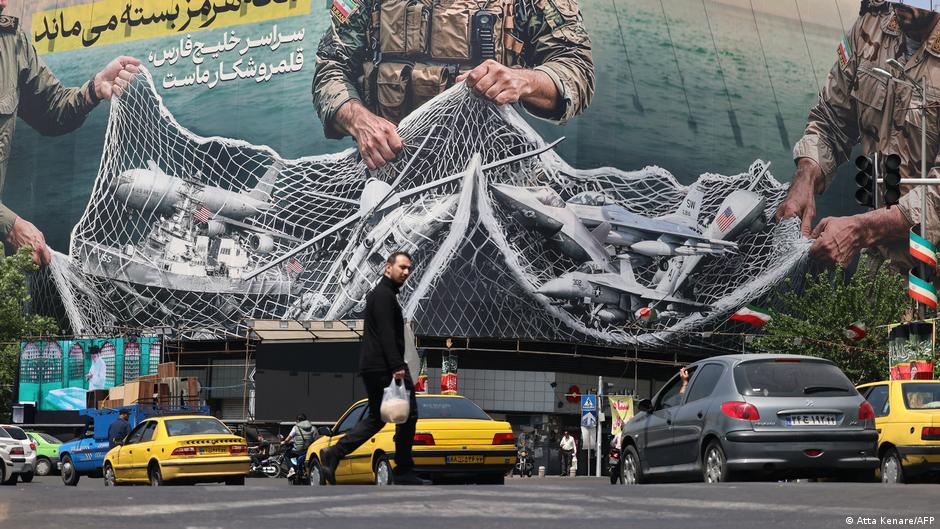
The US resumed airstrikes on Iran following the downing of an Apache helicopter over the Strait of Hormuz, reflecting escalating regional tensions with significant economic implications.

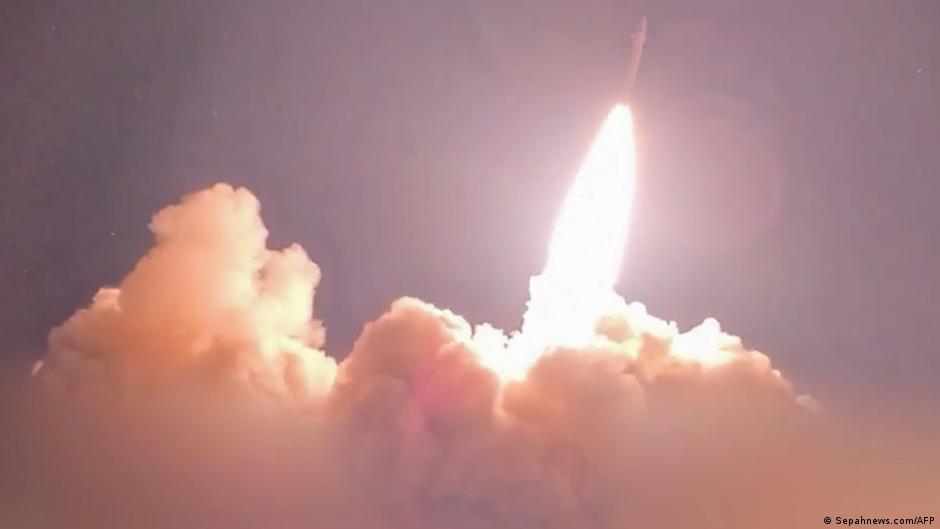
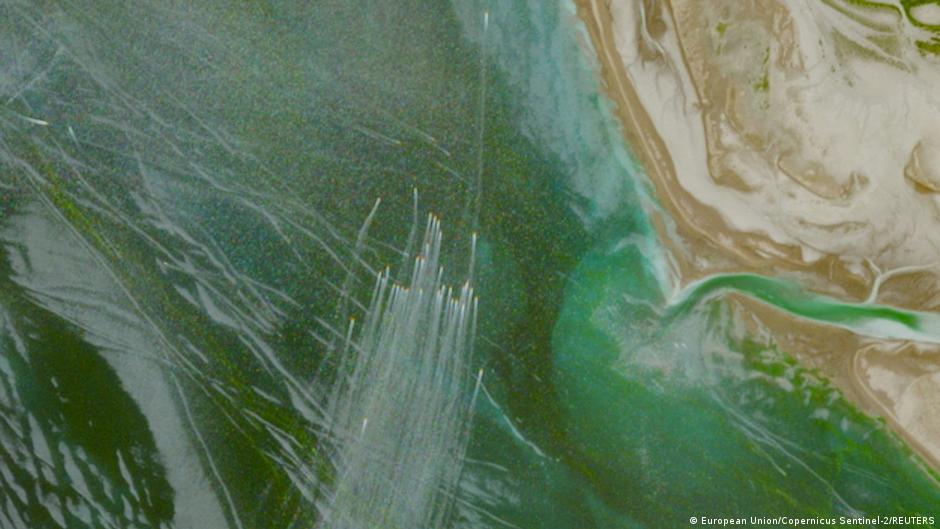
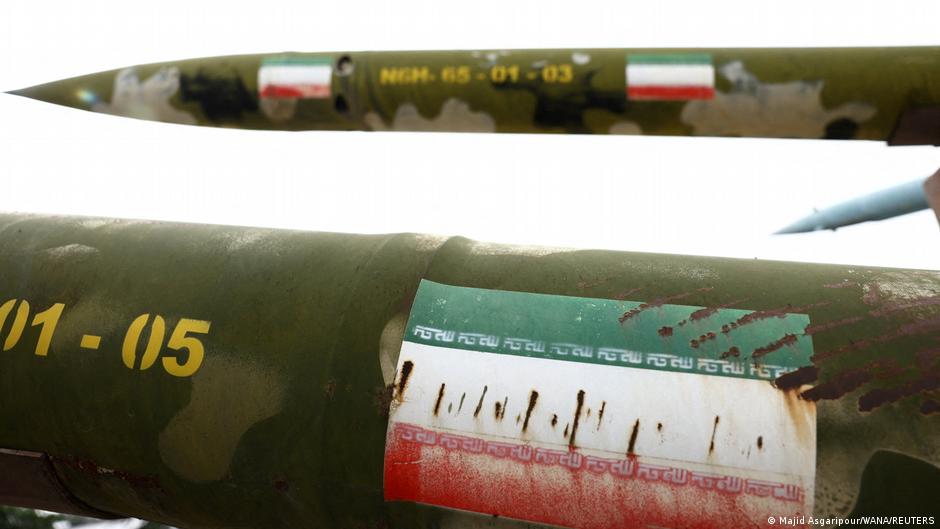
US forces intercepted four Iranian drones targeting the Strait of Hormuz and struck radar stations, highlighting escalating tensions impacting global energy security.

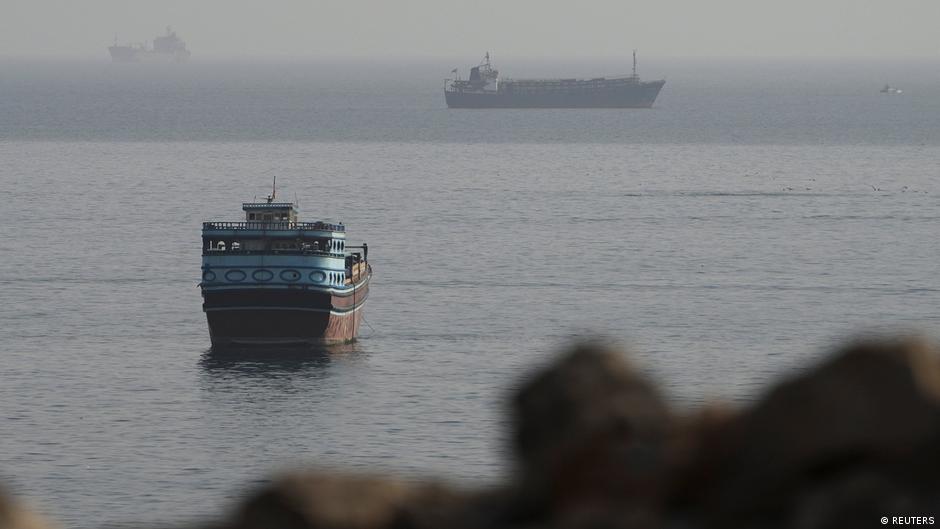
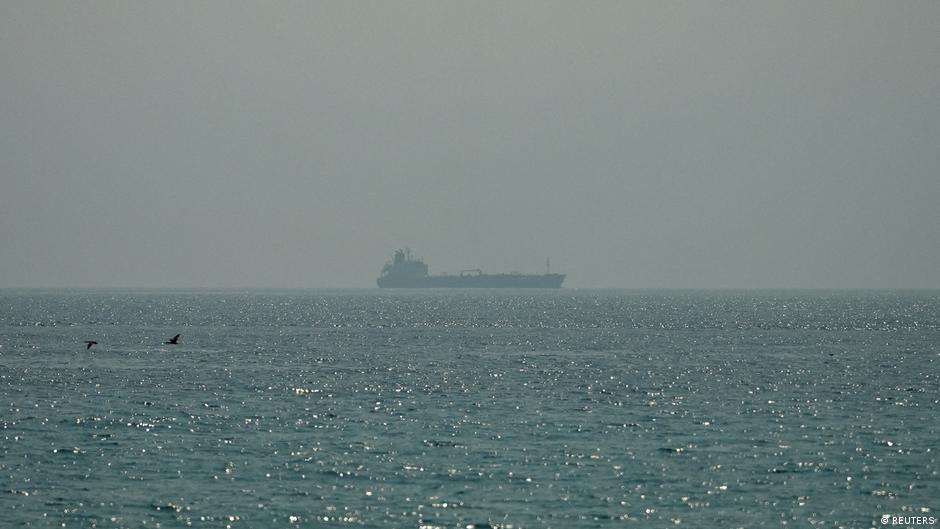
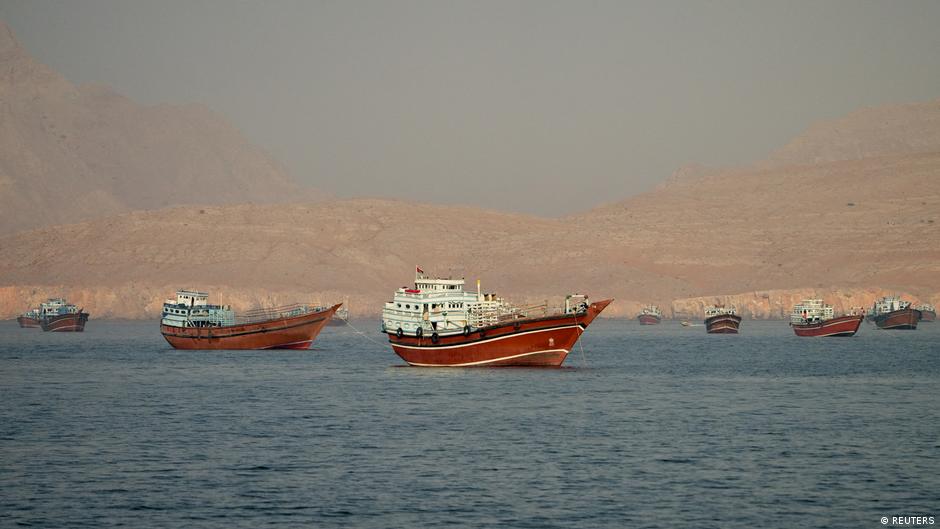
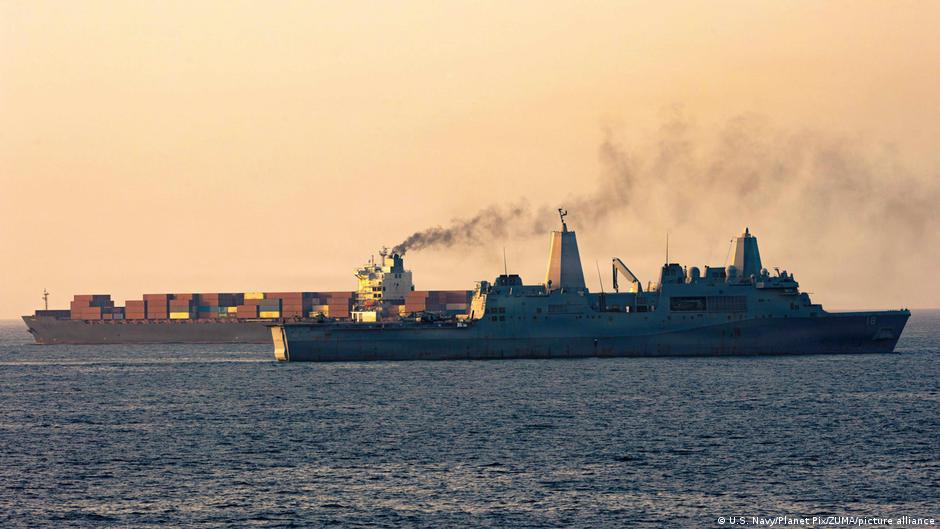
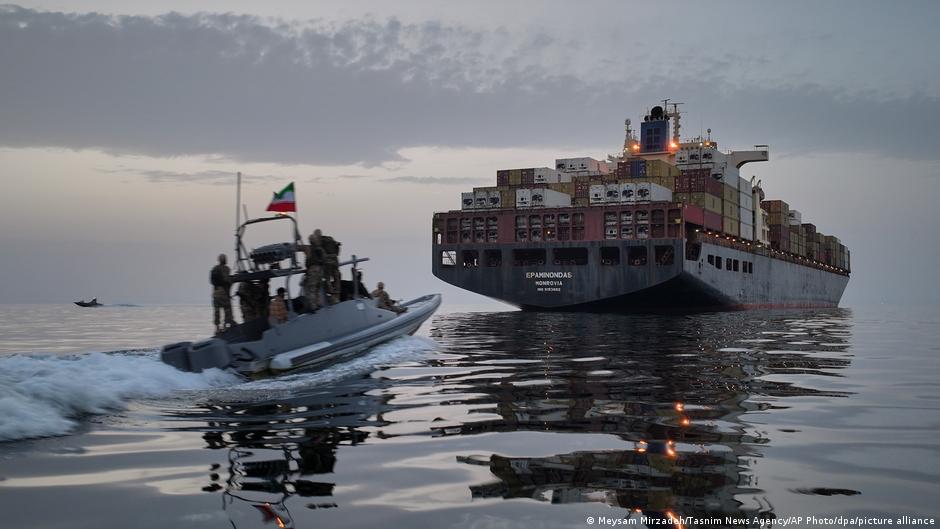
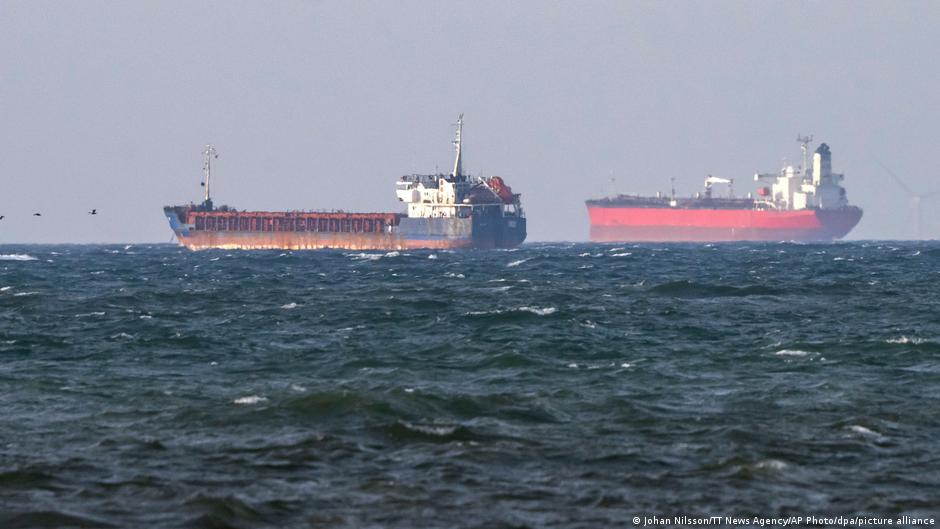
The US struck a Gambian-flagged ship enforcing the Strait of Hormuz blockade, reflecting deep geopolitical tensions that disrupt critical energy trade routes and impact global markets.

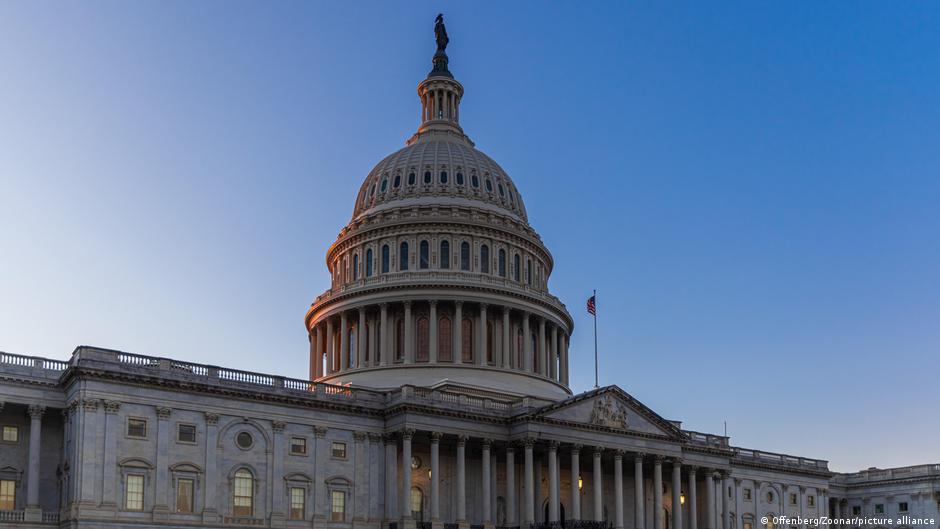
The US Senate advances a resolution requiring presidential congressional approval for military actions against Iran, highlighting constitutional and economic challenges.

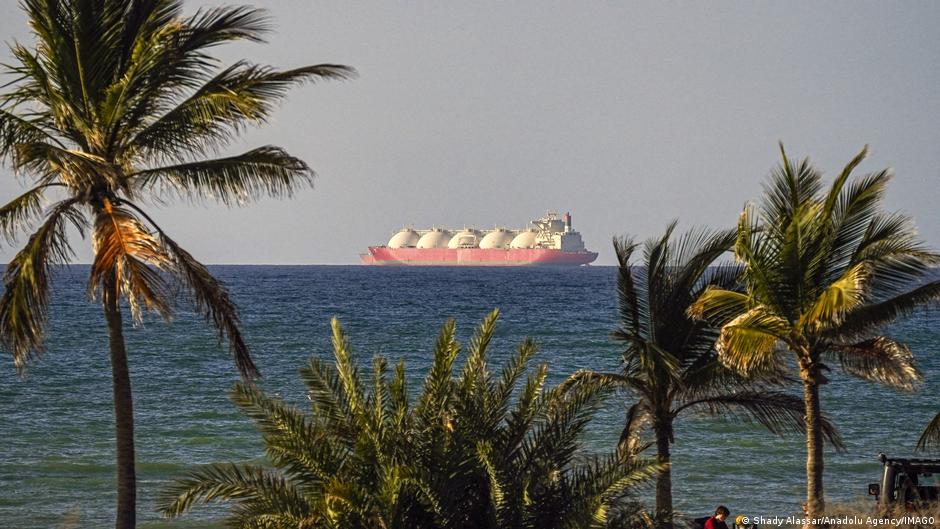
Iran mandates detailed vessel information for tanker passage through the Strait of Hormuz amid geopolitical tensions and potential transit fees, impacting global oil trade dynamics.

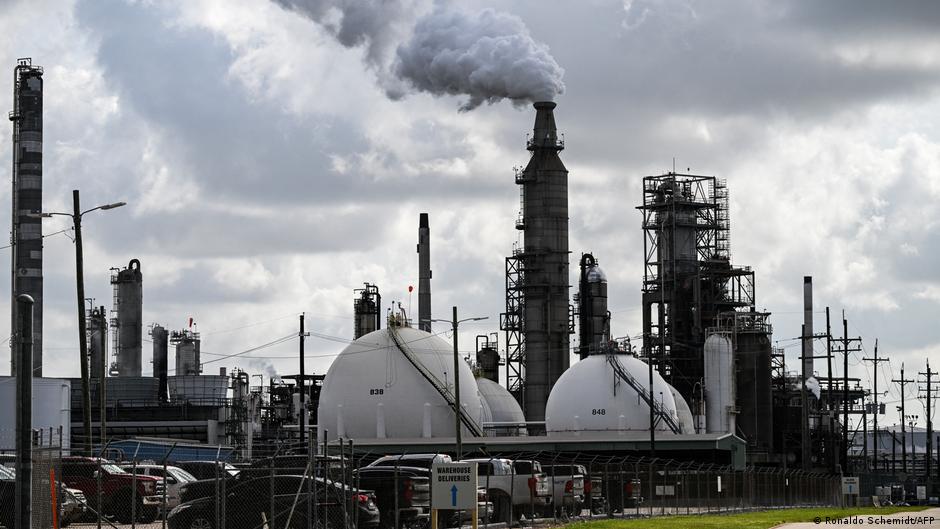
Global oil reserves fell by a record 200 million barrels in April amid Middle East tensions, signaling tightening supply conditions despite weakening demand.

Iran's missile and drone attacks on the UAE disrupt Gulf stability, threatening vital trade routes and regional economic security in a renewed escalation.

Iran has presented a detailed 14-point peace proposal to the US, outlining conditions for ending the Middle East conflict amid ongoing military and economic tensions.

US-Iran tensions trigger a 7% rise in Brent oil prices amid threats of long-term blockade, exposing the economic vulnerabilities of global energy markets.

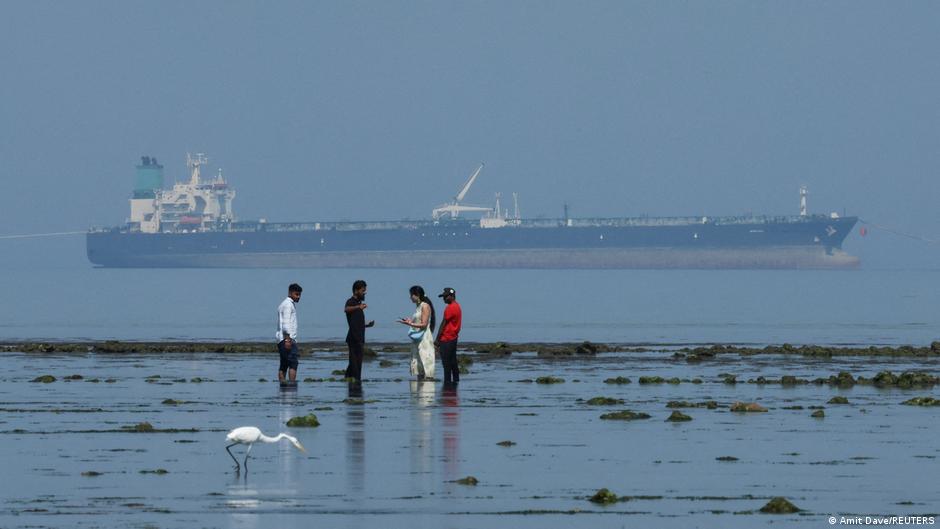
Iran condemns U.S. seizure of its cargo ship in the Gulf of Oman as piracy and ceasefire violation, amid rising regional tensions and stalled negotiations.

The US has extended its temporary waiver on sanctions against Russian oil exports until May 16, 2024, amid rising energy prices and complex geopolitical factors affecting global markets.

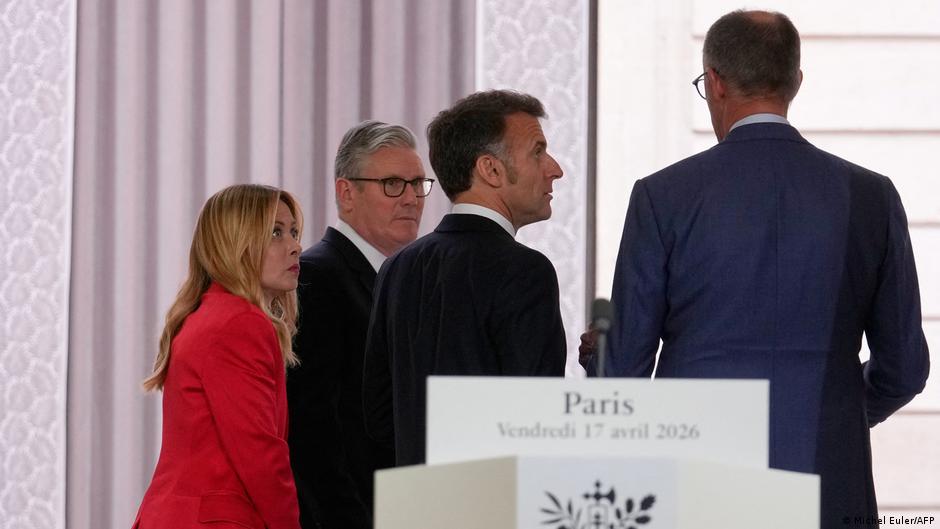
US President Trump rejects NATO's offer to assist in securing the Strait of Hormuz, while Europe plans a peaceful multinational mission amid ongoing Middle East tensions.