Germany Alters Lithuania Tank Route Amid Escalation and Logistics Risks
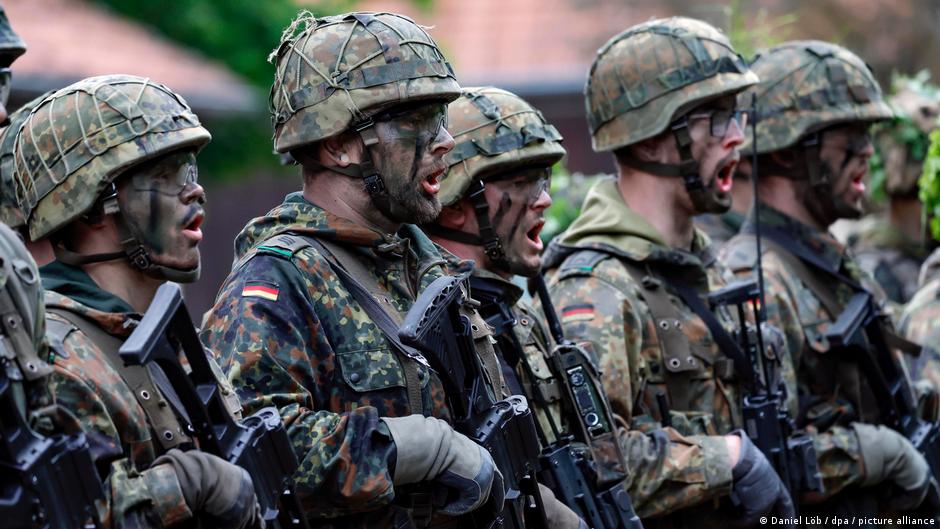
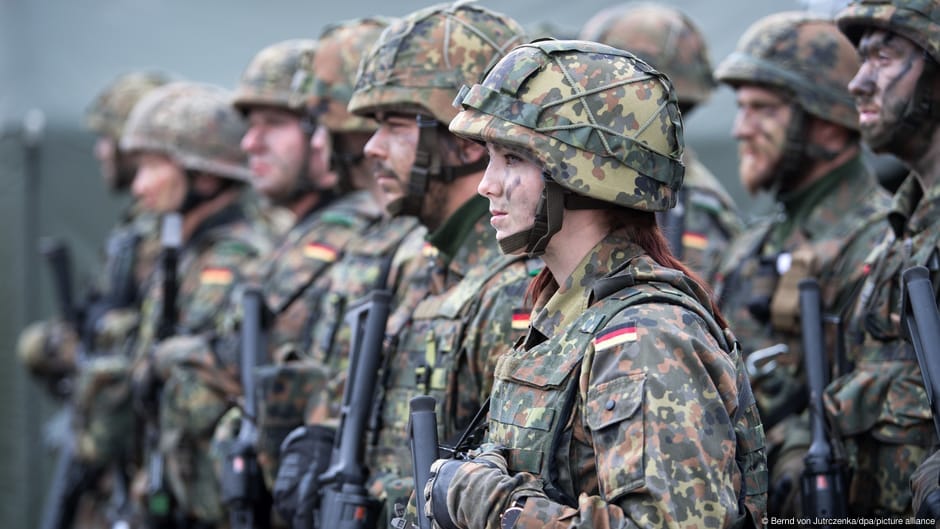
Germany’s decision to move tanks to Lithuania by rail highlights the strategic and economic importance of Europe’s transport infrastructure.

Germany’s decision to move tanks to Lithuania by rail highlights the strategic and economic importance of Europe’s transport infrastructure.

Germany and Poland are preparing an action plan that links eastern-flank security with defense production, supply-chain resilience and European autonomy.

Most Germans view Russia as a threat, but an almost even split over Russian energy supplies exposes a persistent conflict between security and economic concerns.

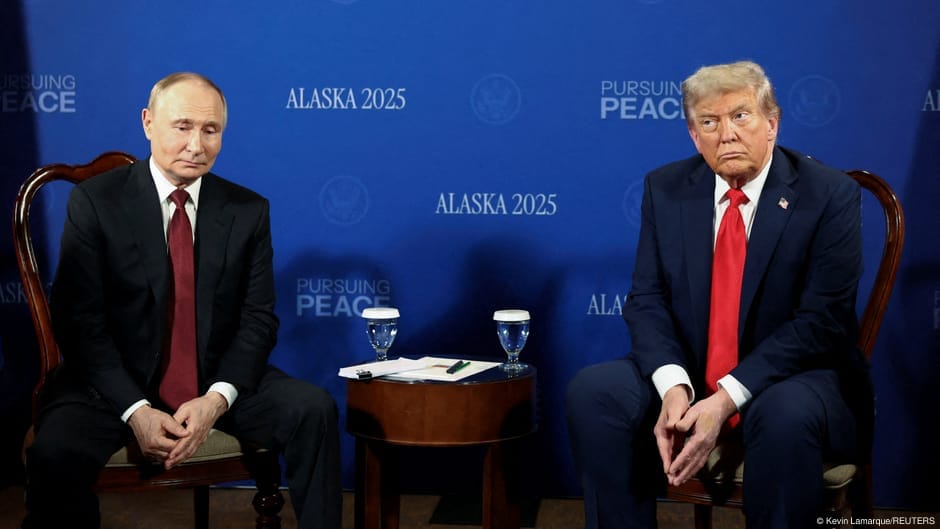
Trump, Putin and Xi are expected to open three-way nuclear arms talks at APEC, while Ukraine remains outside the planned Shenzhen agenda.

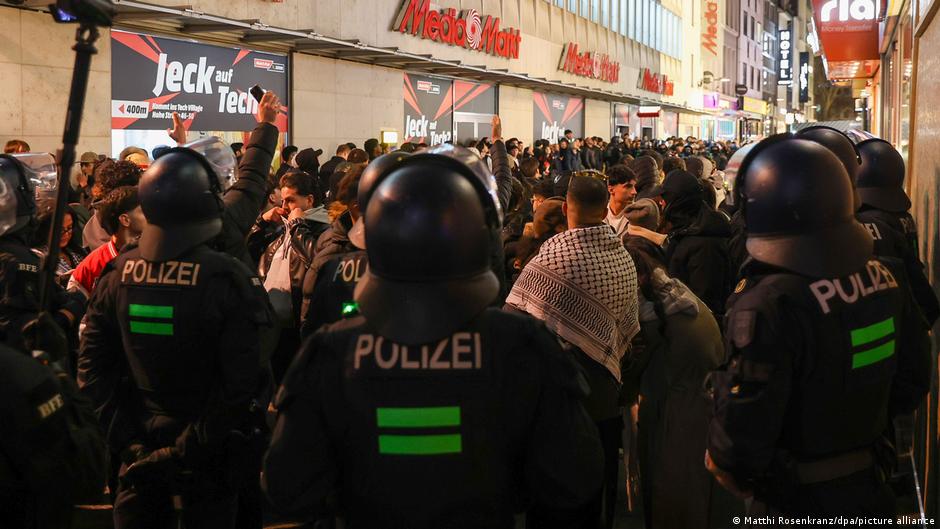
Youth protests across Germany turned violent, exposing deeper disputes over living costs, social spending, climate policy and the distribution of public resources.

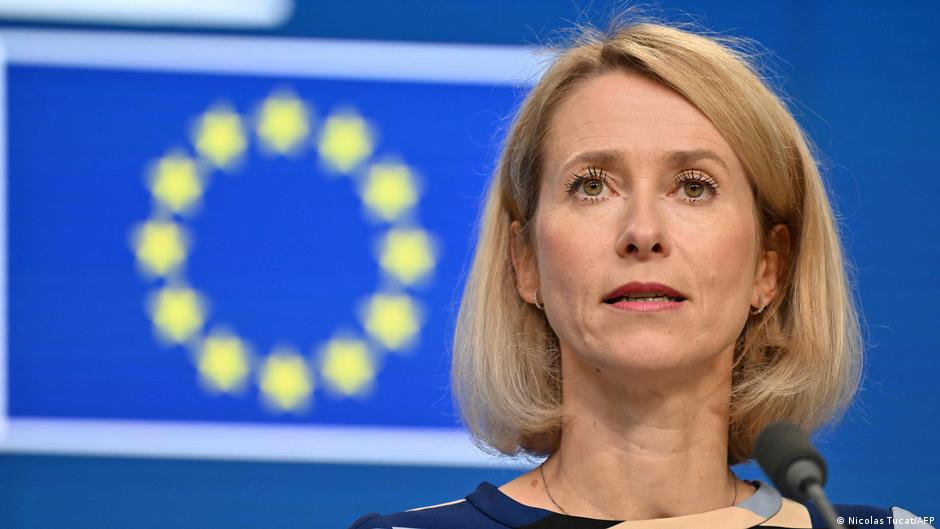
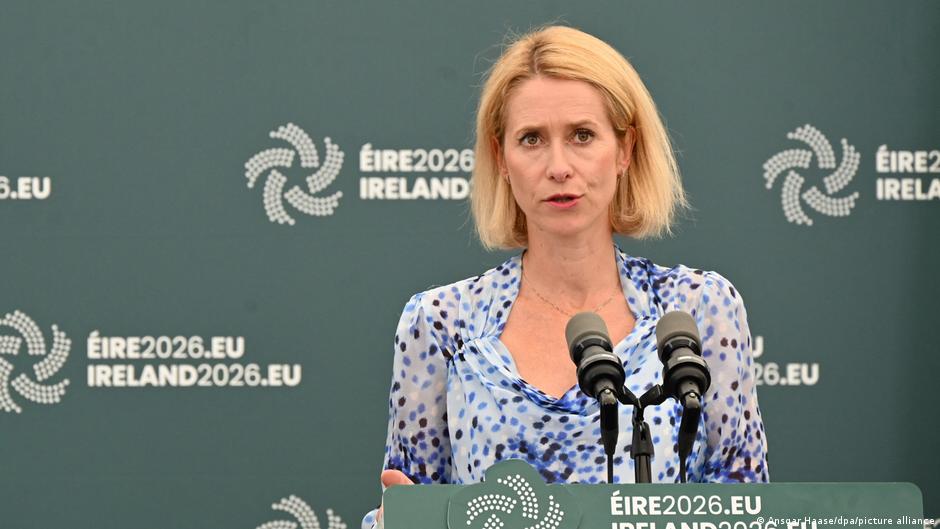
Kaja Kallas said Russia showed no readiness for Ukraine peace talks at the G20 meeting, reinforcing expectations of prolonged economic and diplomatic strain.

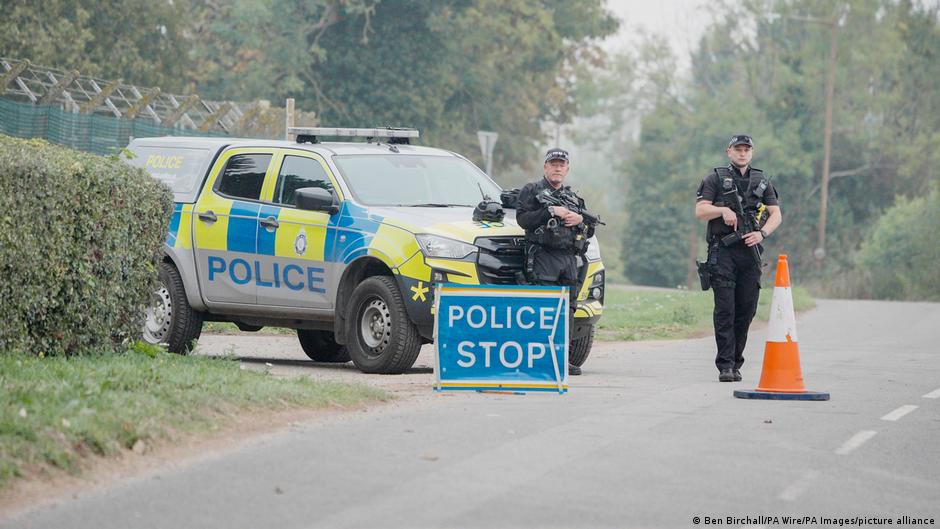
Two Latvian citizens were detained after breaching RAF Molesworth, prompting scrutiny of security risks around NATO and US-linked facilities in Britain.

MEPs backed a €115 million Agile programme to speed support for European SMEs developing disruptive defence technologies.

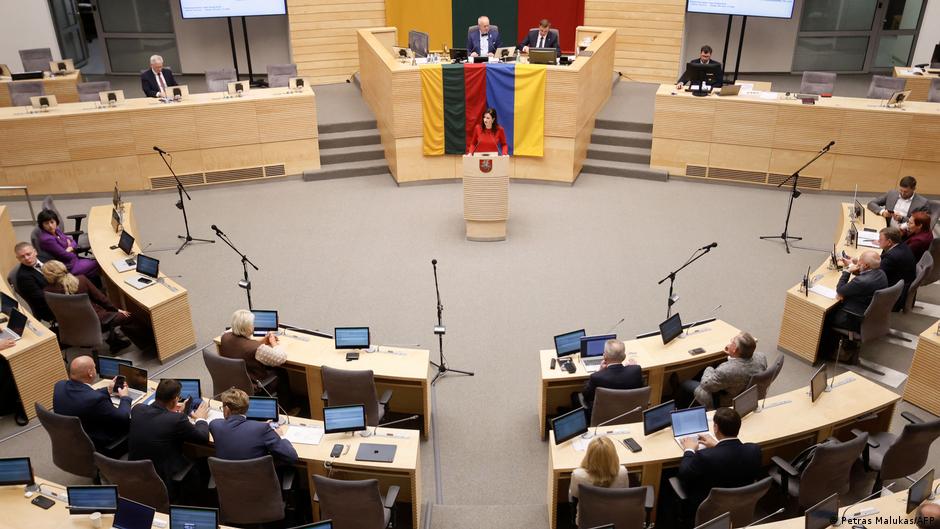
Lithuania’s proposed property restrictions would bar Russian and Belarusian citizens from buying real estate near strategic sites.

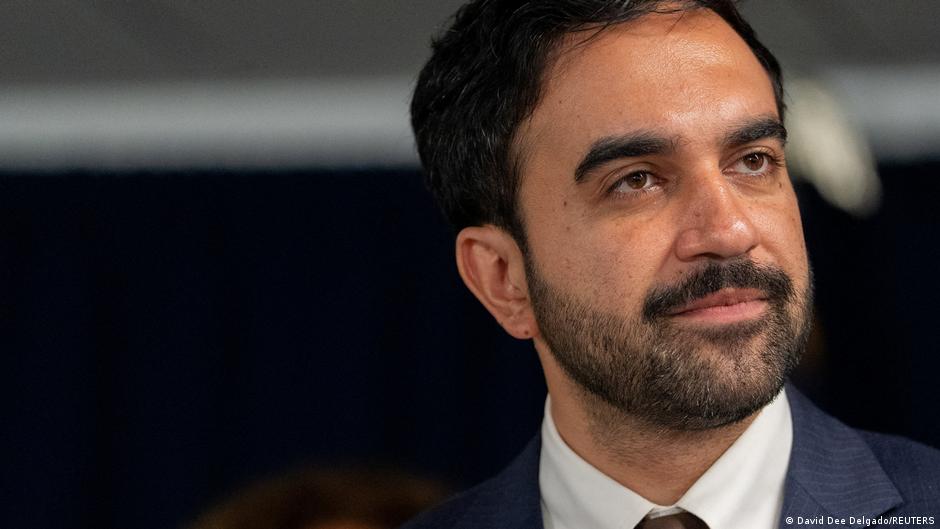
New York Mayor Zohran Mamdani raised hate-crime funding to $29 million in a broad plan targeting antisemitism and Jewish institutional security.

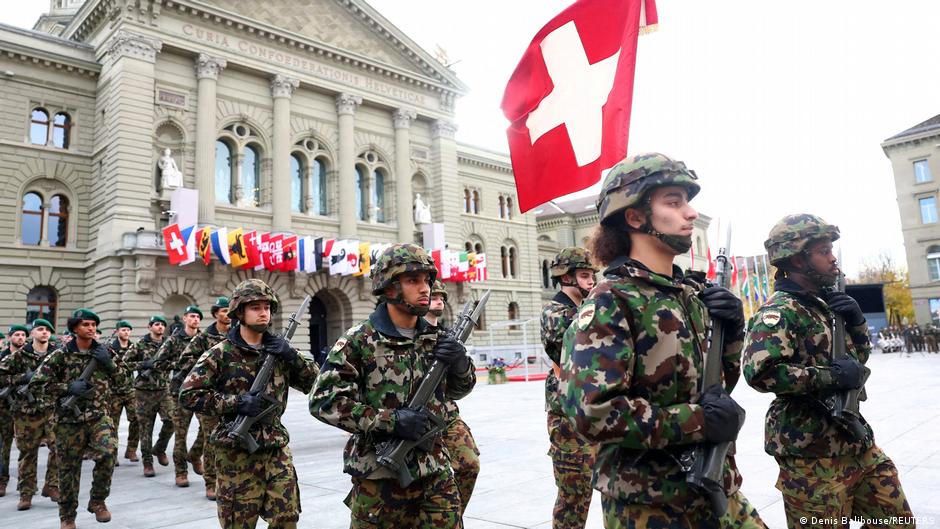
Swiss voters rejected a neutrality initiative that would have restricted sanctions policy and limited cooperation with military alliances.

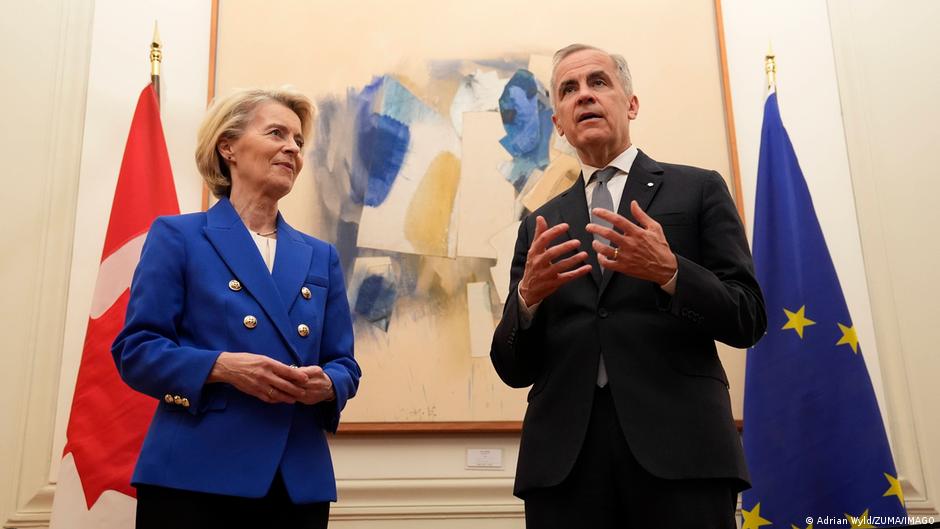
Canada is negotiating to join the EU’s €90 billion Ukraine loan as Ottawa seeks deeper European ties and less reliance on the U.S.

France warned CNews it could face criminal proceedings if former RT France chief Ksenia Fedorova returns to its programming by video link.

Kaja Kallas cancelled an EU defence expert group after German and Italian resistance, exposing deeper disputes over Europe’s defence economy.

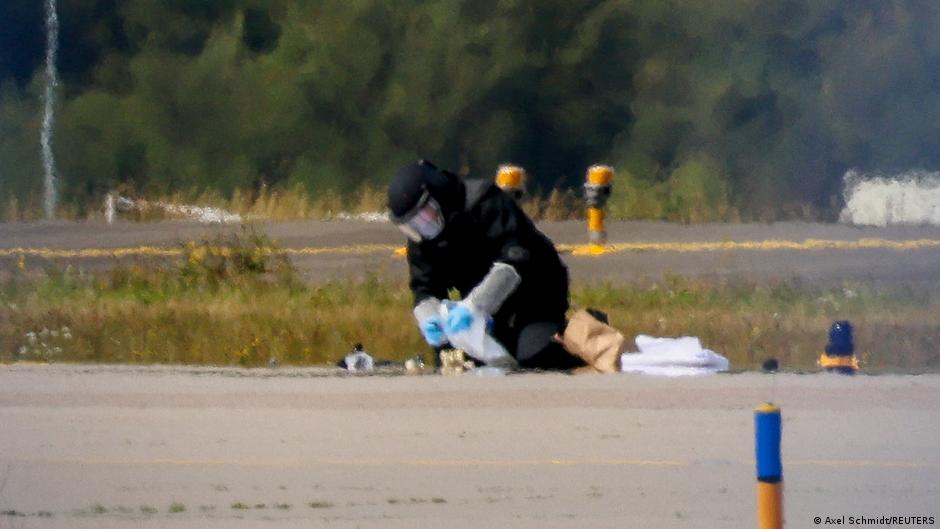
Latvia says a suspect in the Leipzig sabotage case had been living in Russia, deepening scrutiny of Europe’s logistics, visa and sanctions systems.

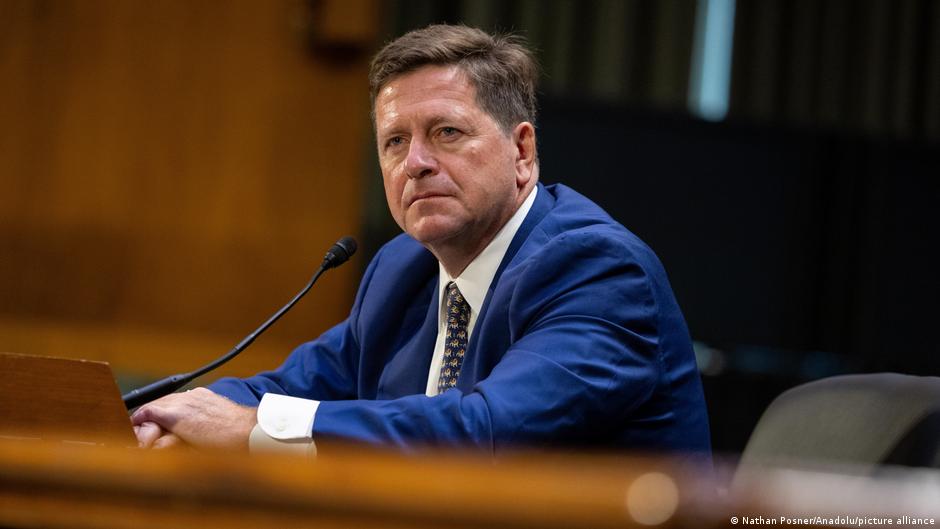
Jay Clayton was confirmed as U.S. Director of National Intelligence despite partisan opposition and no prior intelligence experience, highlighting political and structural challenges.

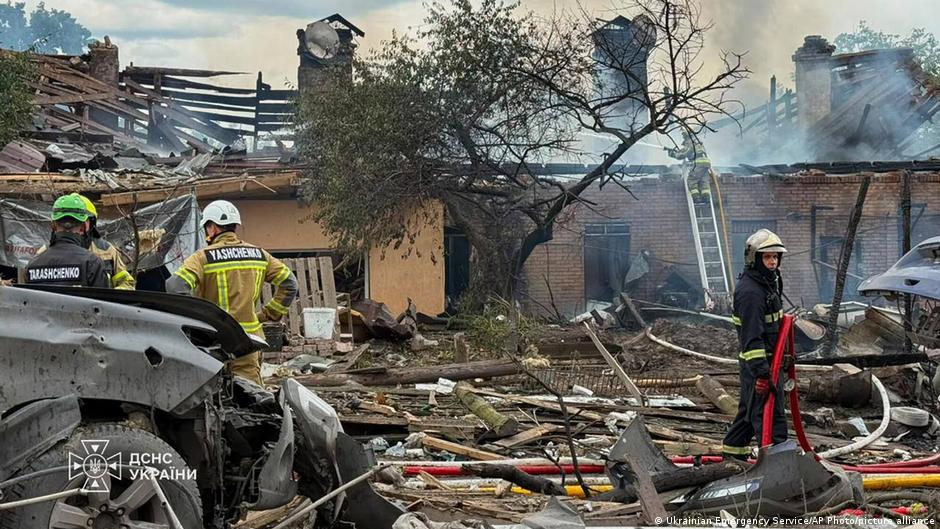
The EU condemned Russia’s missile strikes on a Kyiv-area weapons exhibition and a Latvian consulate, summoning Russia’s envoy and threatening expanded sanctions amid escalating Ukraine conflict.

Germany plans a record 124.7 billion euro defense budget for 2026, marking a major increase in NATO Europe's military spending amid geopolitical pressures and alliance commitments.

The EU has postponed appointing a special negotiator with Russia, emphasizing the need to first establish a clear strategy before engaging in talks to end the Ukraine war.

Ukraine's drone strikes have forced Russia's Nizhny Novgorod refinery to halve its processing capacity, disrupting a significant portion of the country’s fuel production.

Western nations criticized Israel for degrading detained activists from the pro-Palestinian Sumud flotilla, escalating diplomatic tensions over Gaza blockade enforcement.

The UK plans to boost defense spending by £18 billion amid political unrest, raising questions about economic sustainability and strategic priorities.

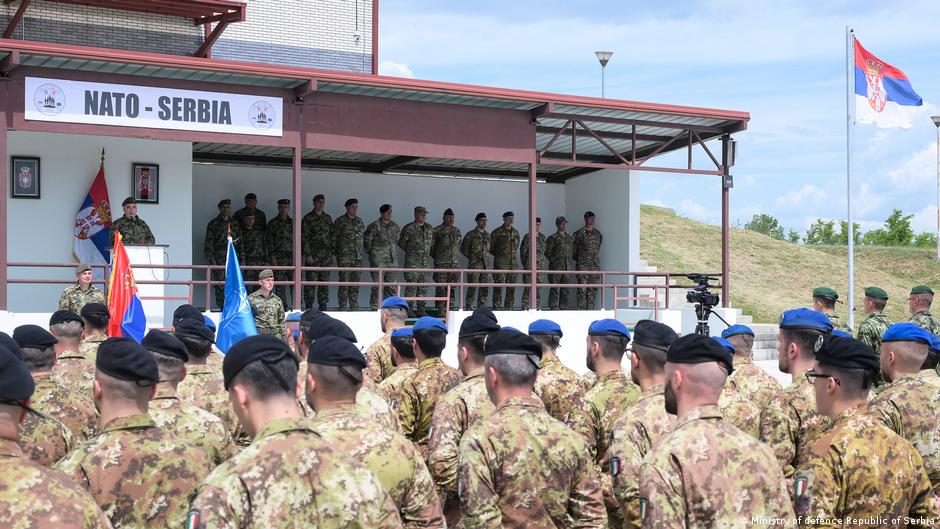
Serbia holds its first joint military exercises with NATO under the Partnership for Peace program, balancing military neutrality and regional geopolitical complexities.